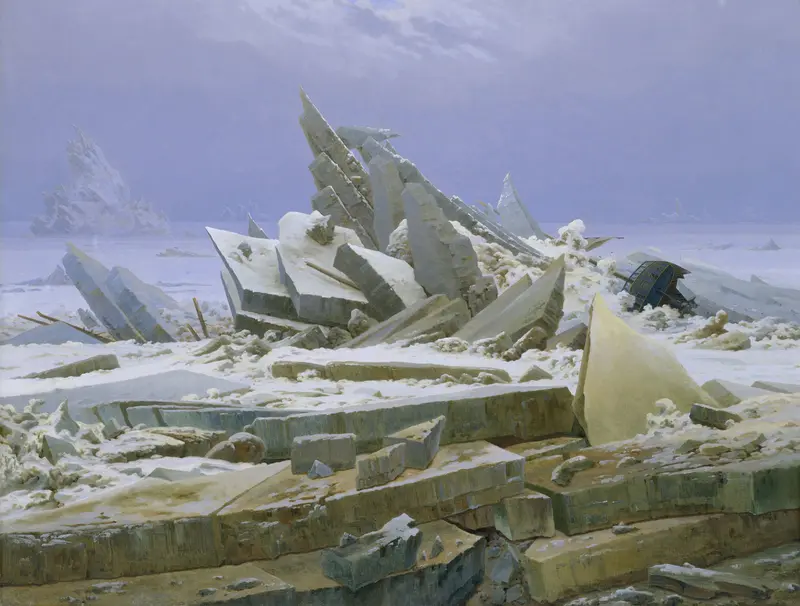
The Icebergs — History & Facts
Towering icebergs rise from a calm, coppery sea under a hazy, rose-gray sky, their sunlit faces glowing white, blue and green. Jagged ice at the left and right frames the view, and in the foreground, half buried in the ice, lies a broken ship's mast. Frederic Edwin Church sailed with his friend, the Reverend Louis Noble, to Newfoundland and Labrador in the summer of 1859 on a month-long voyage, and his sketches of icebergs became the basis of the painting; Noble published an account, After Icebergs with a Painter, in 1861. Church first showed the picture as The North in 1861, just twelve days after the Civil War began, and gave the ticket proceeds to the Union cause.
Before sending it to London in 1863 he renamed it The Icebergs, to avoid confusion with the Union, and added the broken mast; the Dallas Museum of Art says his reason for it is unknown, but it may refer to the lost Franklin expedition. An English railroad magnate bought it in London, and then it disappeared from view for 116 years, until it sold at auction in 1979 for $2.5 million, at the time the highest price ever paid for an American painting. It is in the Dallas Museum of Art in Texas.
More Artworks by Frederic Edwin Church
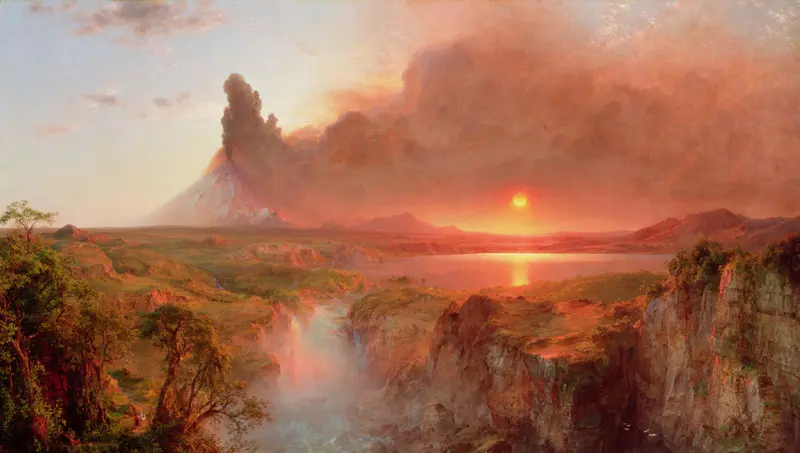
Cotopaxi
Frederic Edwin Church

Niagara
Frederic Edwin Church
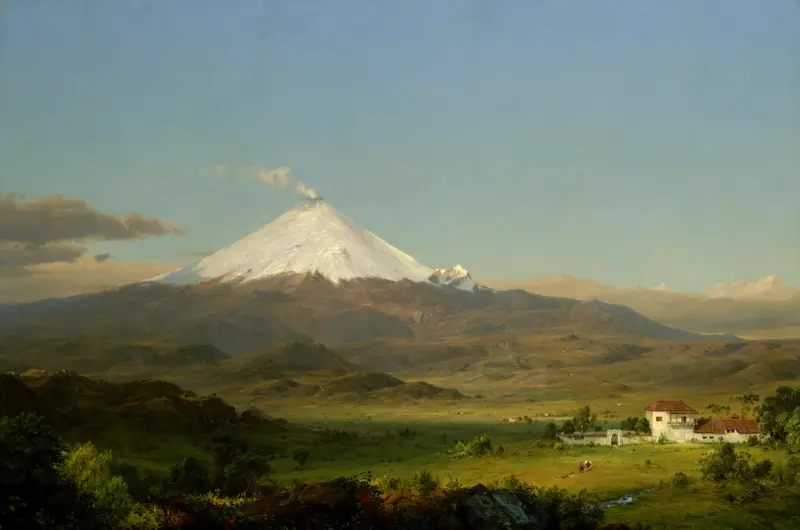
Cotopaxi
Frederic Edwin Church
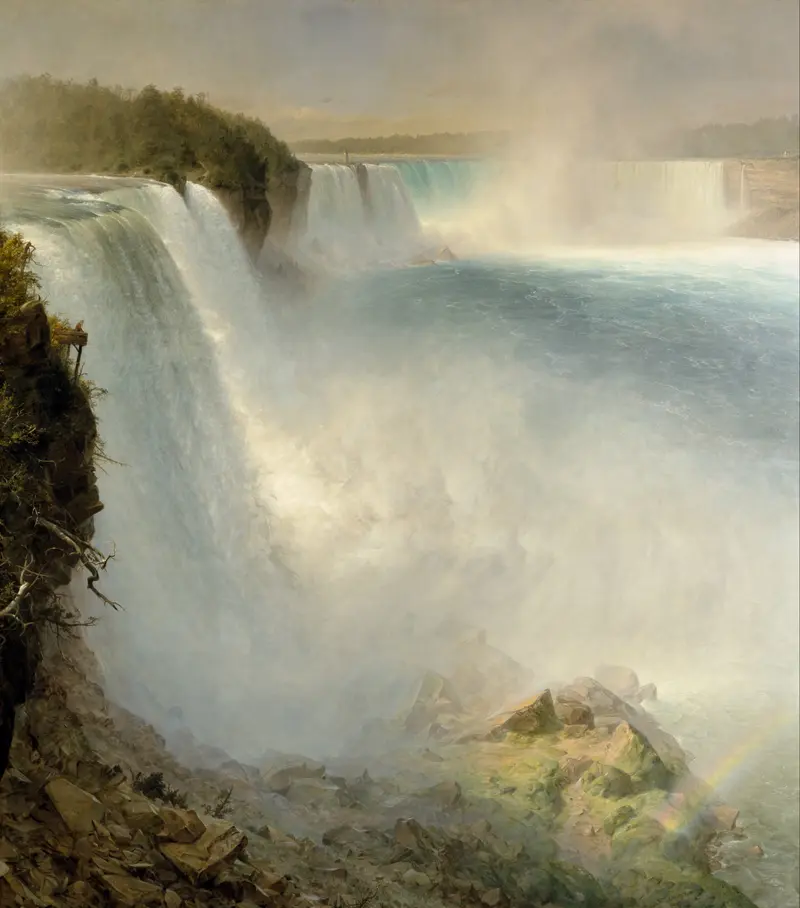
Niagara Falls, from the American Side
Frederic Edwin Church
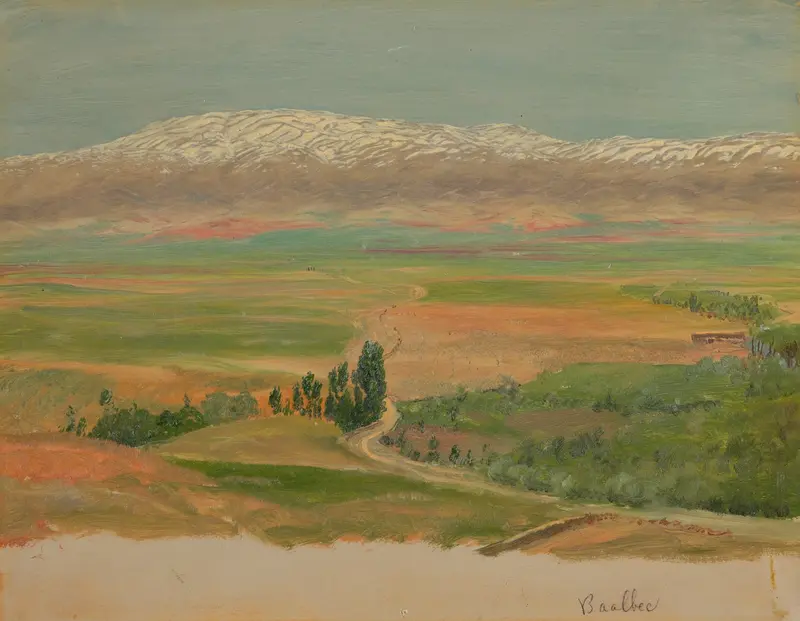
Mountains near Baalbec
Frederic Edwin Church
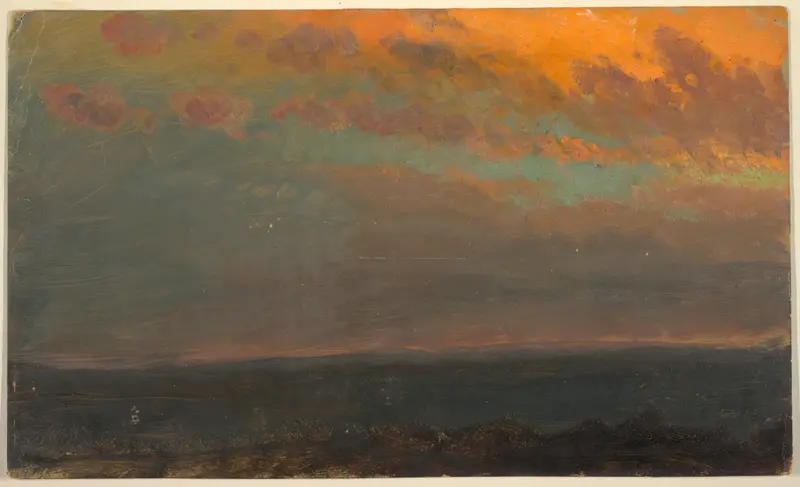
Hudson Valley at Sunset
Frederic Edwin Church

The Hintersee, near Berchtesgaden, Bavaria
Frederic Edwin Church
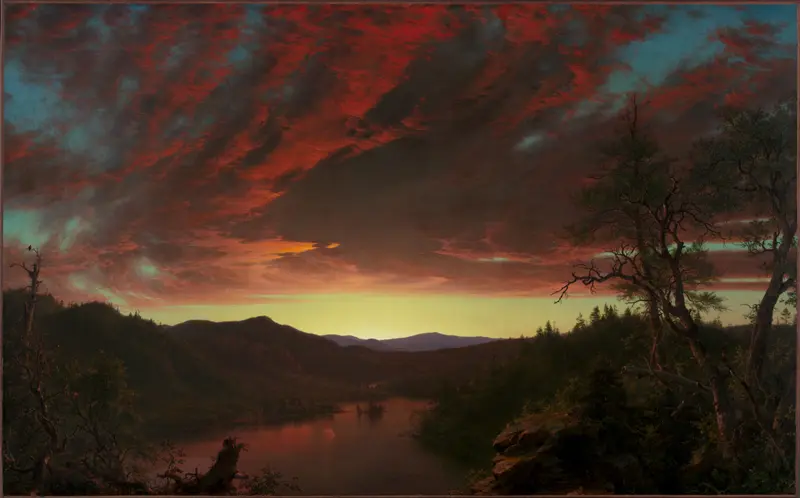
Twilight in the Wilderness
Frederic Edwin Church
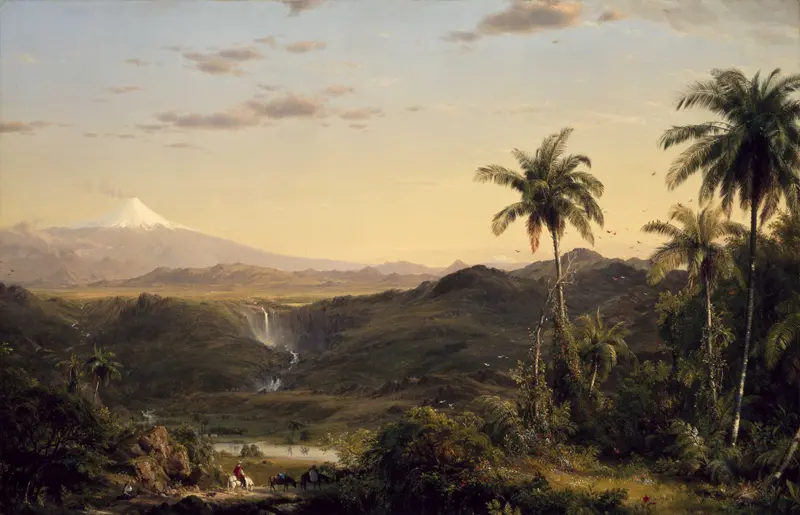
Cotopaxi
Frederic Edwin Church
Cotopaxi
Frederic Edwin Church