The Ideal City — History & Facts
An empty, perfectly symmetrical square opens onto a large round building with two stories of columns and a conical roof. Renaissance palaces with arcades and colored marble facades line both sides, two octagonal wells stand on the patterned paving, and every line runs back toward the center. Nobody walks here: the museum points out two doves perched on a cornice as the only living creatures. The Galleria Nazionale delle Marche credits the panel to an anonymous artist of central Italy and dates it to 1480–1490; it has been attributed to several artists, among them the architect Luciano Laurana.
The museum describes the round building as possibly a baptistery or a mausoleum. According to the Walters Art Museum, this view and two related ideal-city panels, now in Baltimore and Berlin, were apparently commissioned for the palace of Duke Federico da Montefeltro of Urbino, set into the woodwork like windows onto a better world. The painting came from the Monastery of Santa Chiara in Urbino, where Federico's daughter Elisabetta may have brought it, and it entered the state collections around 1861. Today it hangs in the Ducal Palace of Urbino, home of the national gallery.
It is in the Galleria Nazionale delle Marche in Urbino.
More Artworks by Unknown Artist
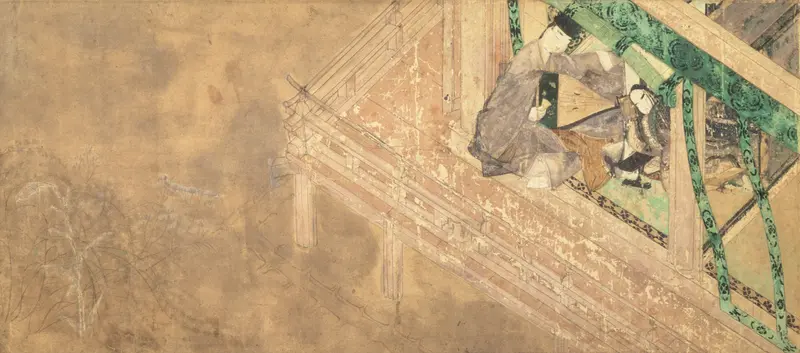
The Tale of Genji Scroll: Yadorigi
Unknown Artist
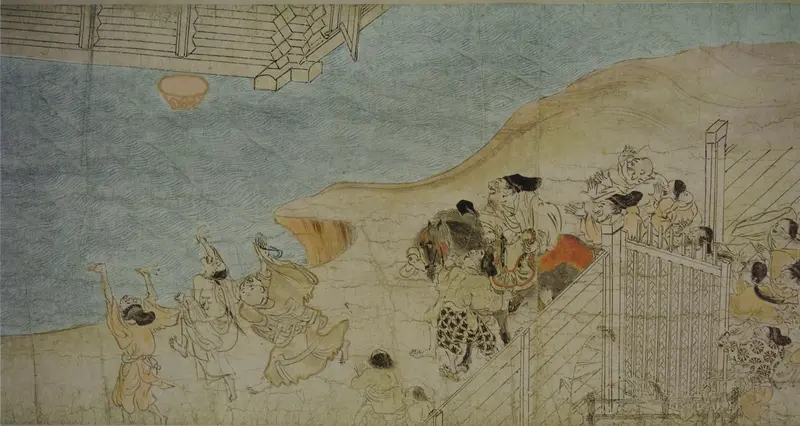
Legends of Mount Shigi: The Flying Granary
Unknown Artist
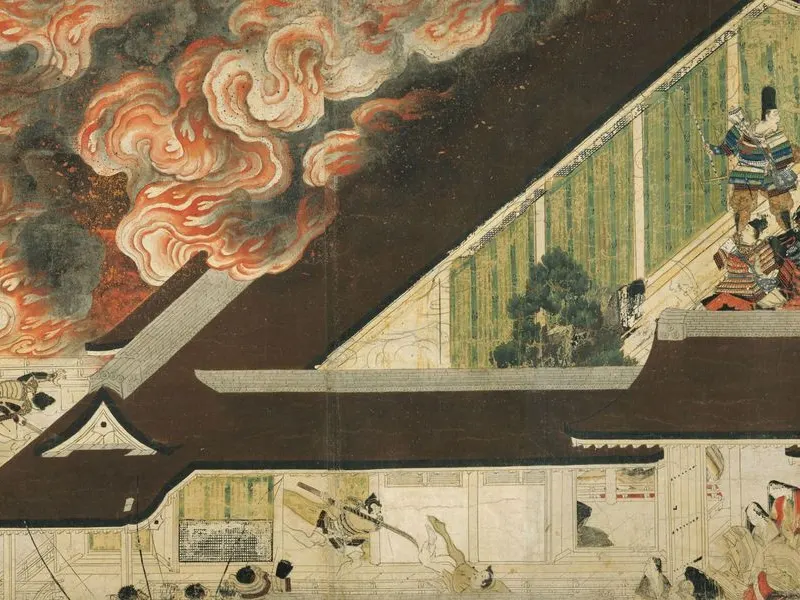
Night Attack on the Sanjō Palace
Unknown Artist

Womb World Mandala (Mandala of the Two Realms)
Unknown Artist

Hikone Screen
Unknown Artist
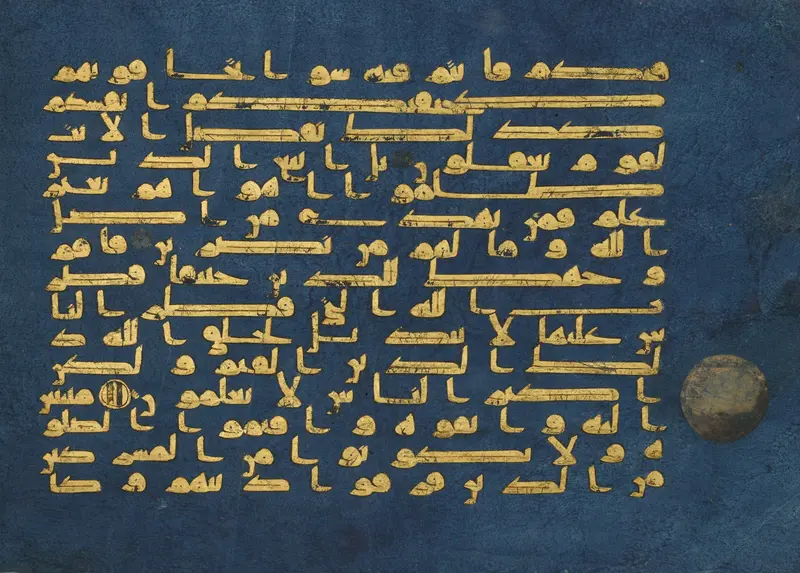
Folio from the Blue Qur'an
Unknown Artist

The Funeral of Isfandiyar (Great Mongol Shahnama)
Unknown Artist
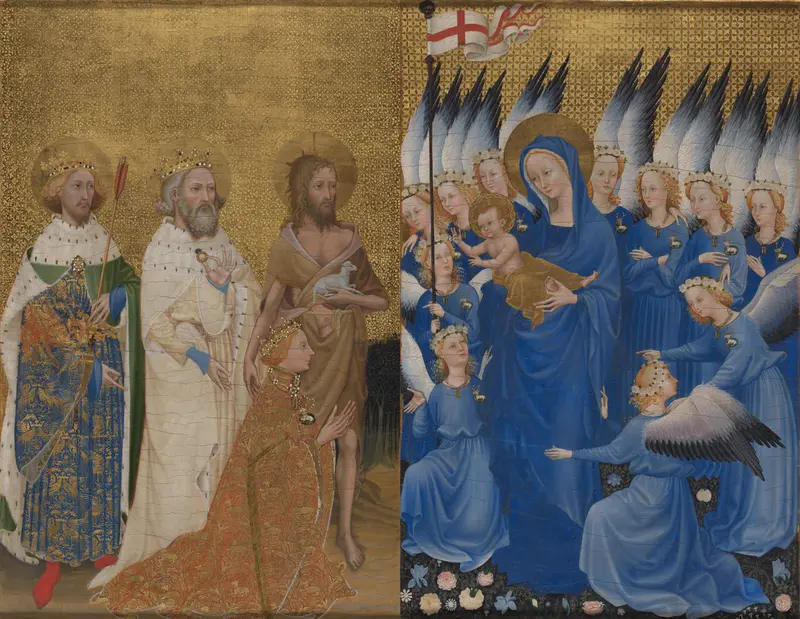
The Wilton Diptych
Unknown Artist

Ridder, Dood en Duivel
Unknown Artist

Bayad Playing the Oud before the Lady (Hadith Bayad wa Riyad)
Unknown Artist