
The Lamentation — History & Analysis
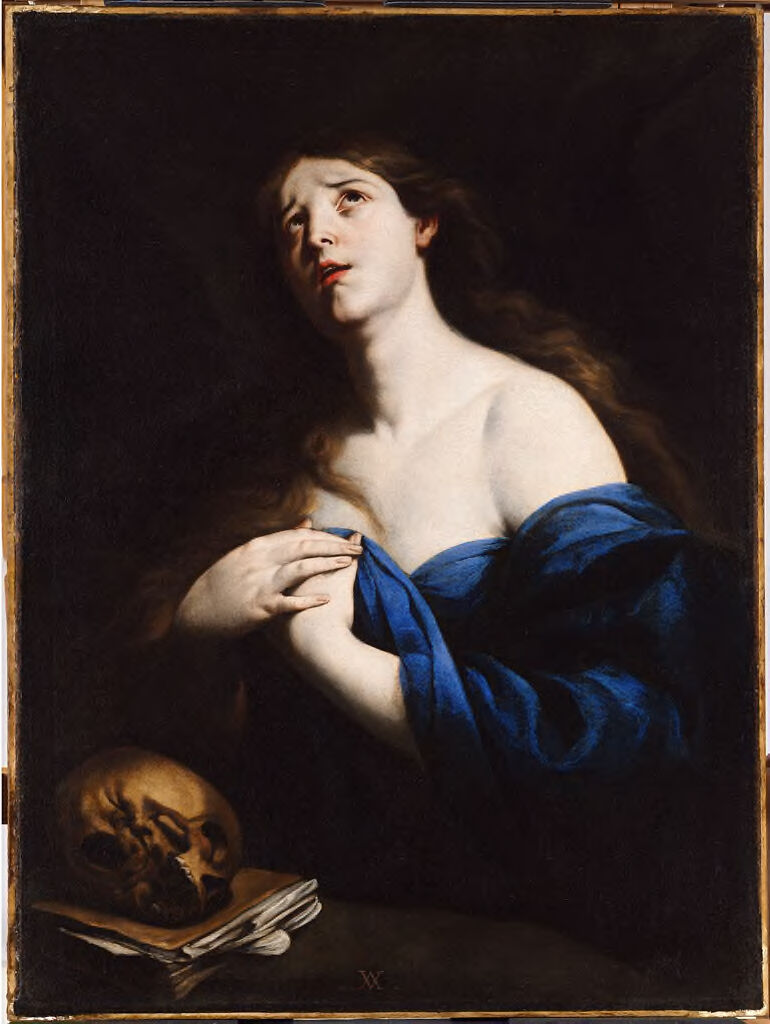
What if silence could speak through light? In the gentle embrace of shadows and radiance, an emotional narrative unfolds, revealing the depth of sorrow interwoven with the divine. Look closely at the figures clustered around the central body, where the pale light cascades down, illuminating the sorrowful expression of Mary. Focus on the delicate contours of her face, framed by her flowing hair, as her fingertips tenderly touch the lifeless form of Christ.
Notice how the rich, dark robes of the mourners contrast with the ethereal luminosity that seems to emanate from the deceased, creating a poignant interplay between loss and hope. The divergence of emotions is palpable: despair anchors the mourners, their faces a tapestry of grief, while Christ's serene countenance offers a haunting stillness. The contrasting dark and light not only highlight the physical presence of the figures but also symbolize the spiritual struggle between mourning and divine grace. The positioning of hands, reaching out and clasping, speaks to a desperate connection, evoking a collective lament that transcends the canvas.
Andrea Vaccaro painted The Lamentation in 1652 amidst the Baroque movement, a time when art was shifting towards emotional intensity and realism. Working in Naples, he was influenced by Caravaggesque techniques, emphasizing dramatic lighting and deep emotional resonance. His exploration of human experience through poignant scenes like this reflects the turbulent era in which he lived, marked by religious conflicts and an evolving artistic dialogue focused on the human condition.