
The Last Judgment — History & Facts
To Christ’s right, a woman in blue and pink sits close, her head turned and her body tense, while a group of muscular men and saints crowd around, some holding the instruments of their martyrdom. On Christ’s left, another group of figures presses in, some gesturing upwards, others looking down with anxious or pleading expressions, their bodies twisting in agitation. Below the central group, the lower part of the fresco is filled with dramatic movement: on the left, figures rise from graves and are pulled upward by angels, while on the right, others are dragged down by demons or tumble towards the earth.
The entire scene is packed with over 300 figures, each rendered with powerful musculature and expressive gestures, their bodies modeled in light and shadow that emphasizes volume and movement. The color scheme is dominated by flesh tones and blues, with flashes of orange, green, and yellow scattered throughout the composition, animating the dense crowd of bodies. The composition is arranged in a great circular movement around Christ, with groups of figures swirling in agitation and tension, filling every part of the wall.
Small details abound: angels blowing trumpets, souls clasping hands or recoiling in fear, and saints displaying the wounds or instruments of their suffering. The Last Judgment was created by Michelangelo between 1536 and 1541 for the altar wall of the Sistine Chapel, as a depiction of the Day of Judgment. The subject shows the Second Coming of Christ and the final judgment of humanity, with the dead rising and descending to their fates as Christ pronounces verdicts from the center. The Vatican Museums note that the fresco originally showed nearly all the male figures as nudes, though some were later covered by painted draperies, traces of which remain after restoration.
The painting’s reception was mixed from the beginning, with both praise and criticism for its nudity, muscular style, and the agitation of its composition. The Last Judgment was painted more than twenty-five years after Michelangelo completed the Sistine Chapel ceiling, and marks a shift to the Mannerism movement, with its dynamic poses, complex groupings, and heightened emotional tension.
Sources: Vatican Museums · Wikidata Q567861 · Wikipedia: The Last Judgment (Michelangelo) · Image source (Wikimedia Commons)
More Artworks by Michelangelo

Libyan Sibyl
Michelangelo
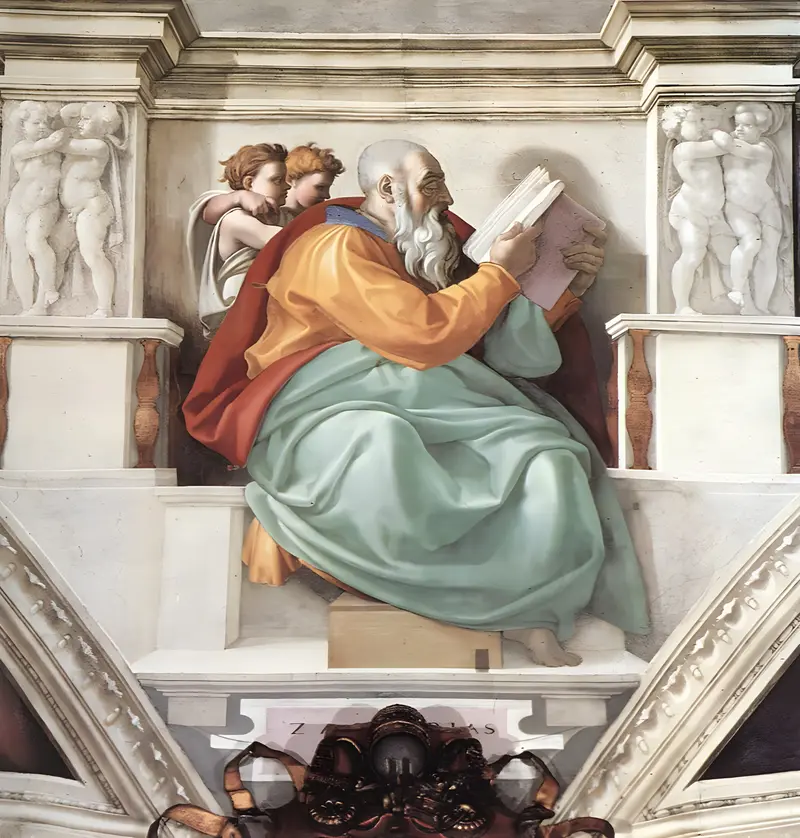
Prophet Zechariah
Michelangelo

Cumaean Sibyl
Michelangelo
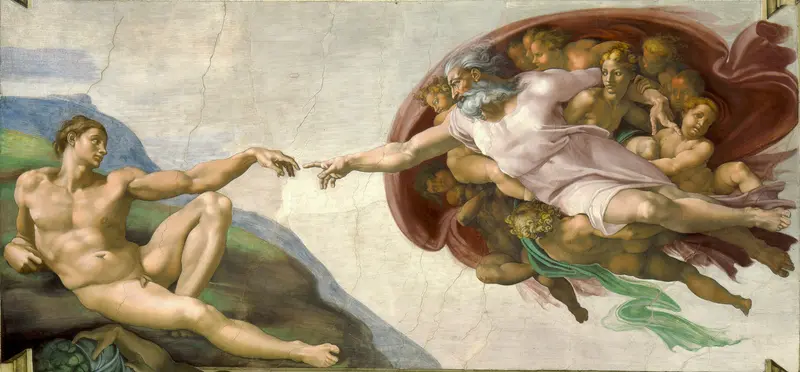
The Creation of Adam
Michelangelo
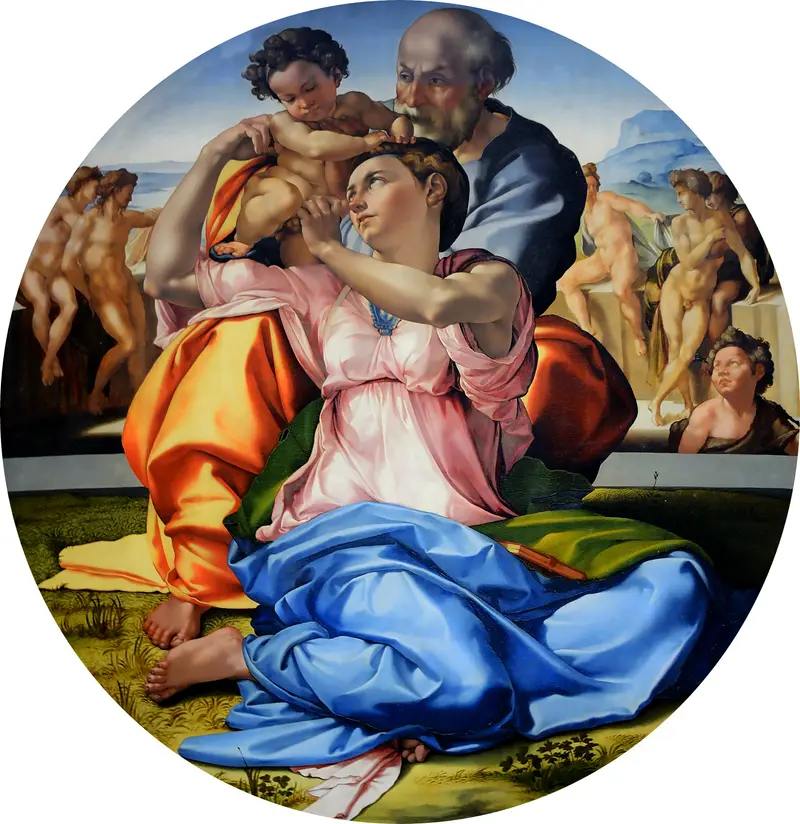
Doni Tondo
Michelangelo
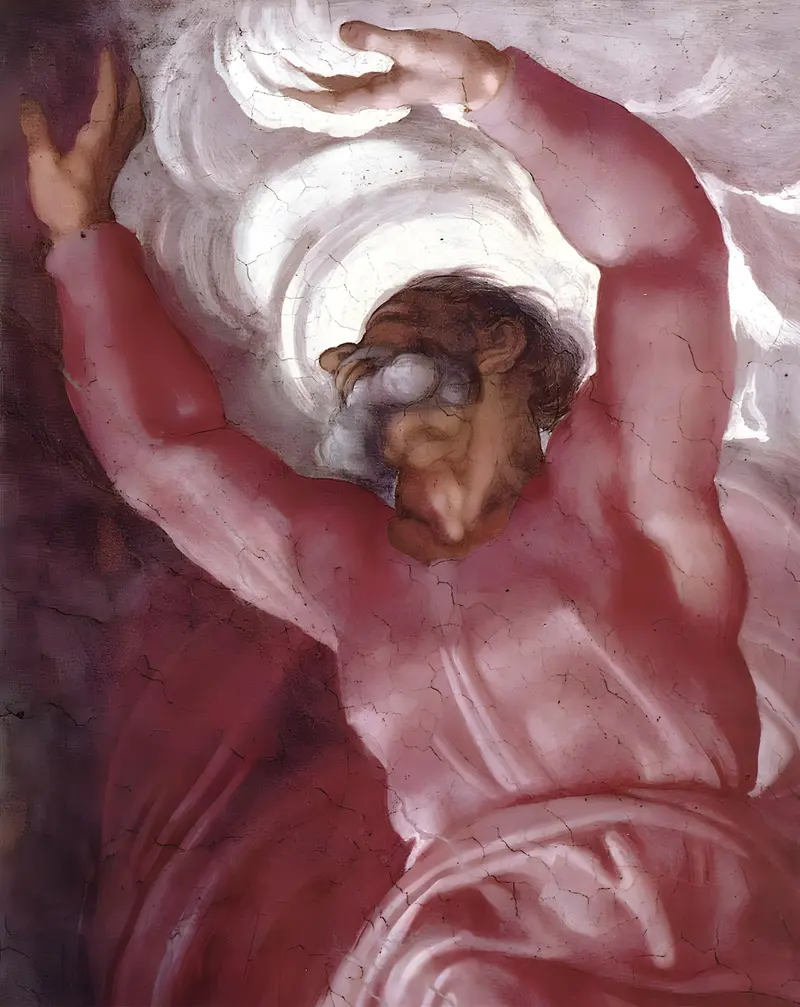
Separation of Light from Darkness
Michelangelo
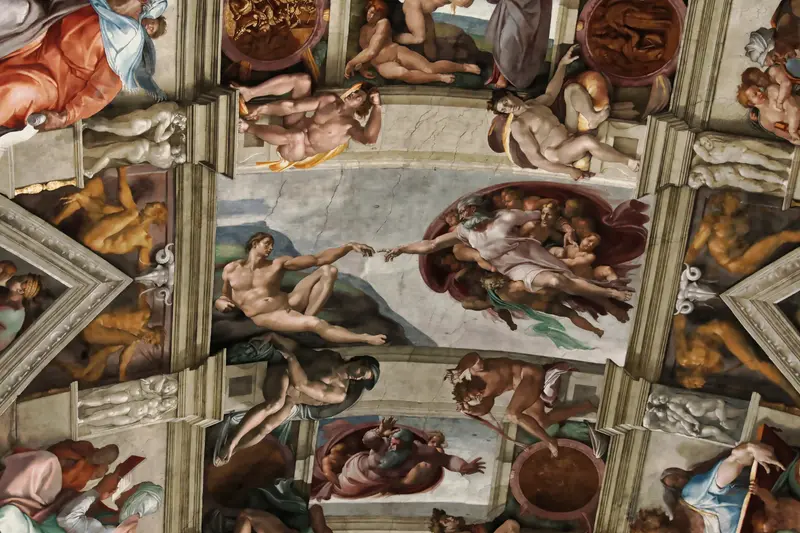
The Separation of the Earth and Waters
Michelangelo

Erythraean Sibyl
Michelangelo
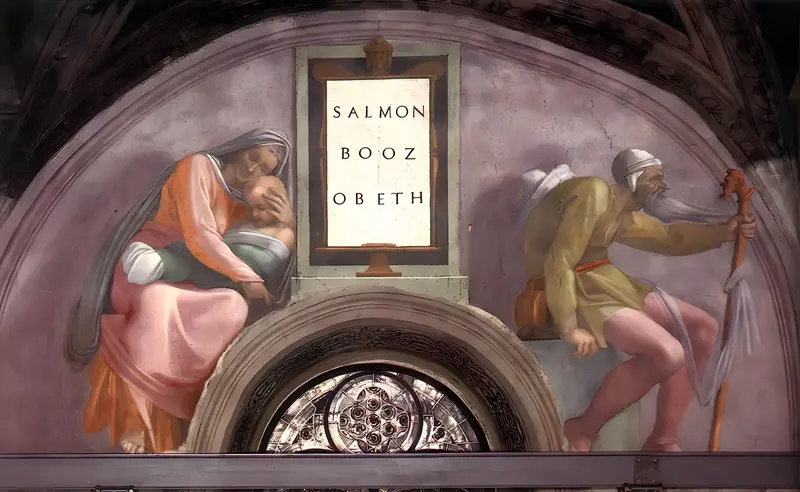
Salmon, Boaz, Obed
Michelangelo
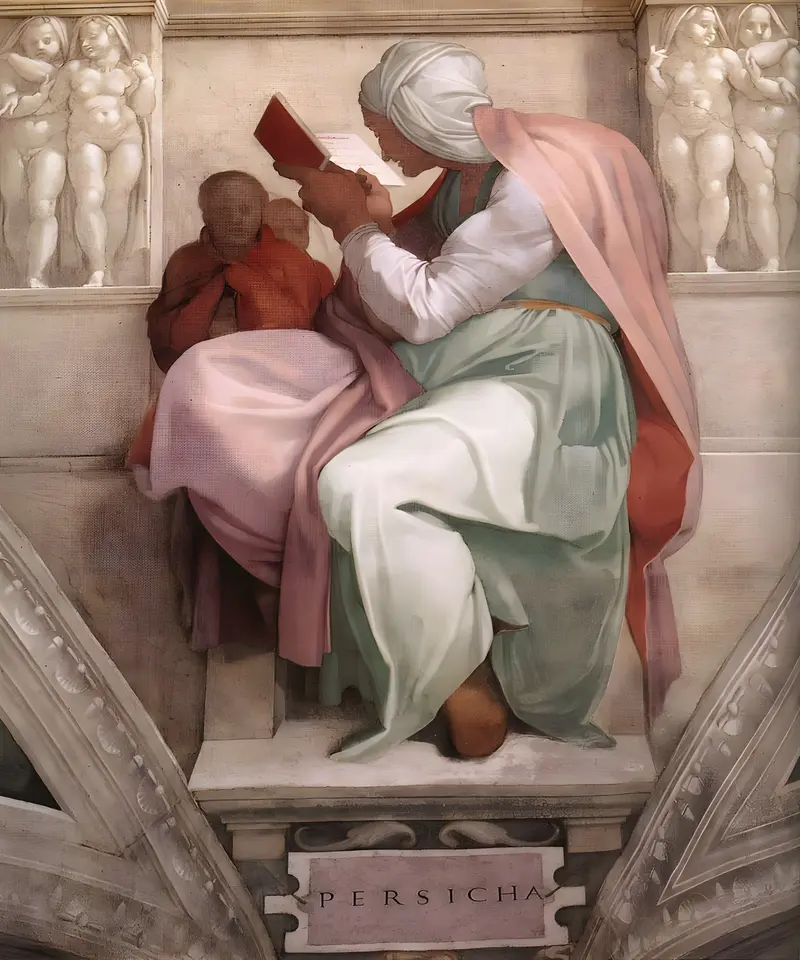
Sistine Chapel ceiling - Persian Sibyl
Michelangelo




