The Salute, Venice — History & Analysis

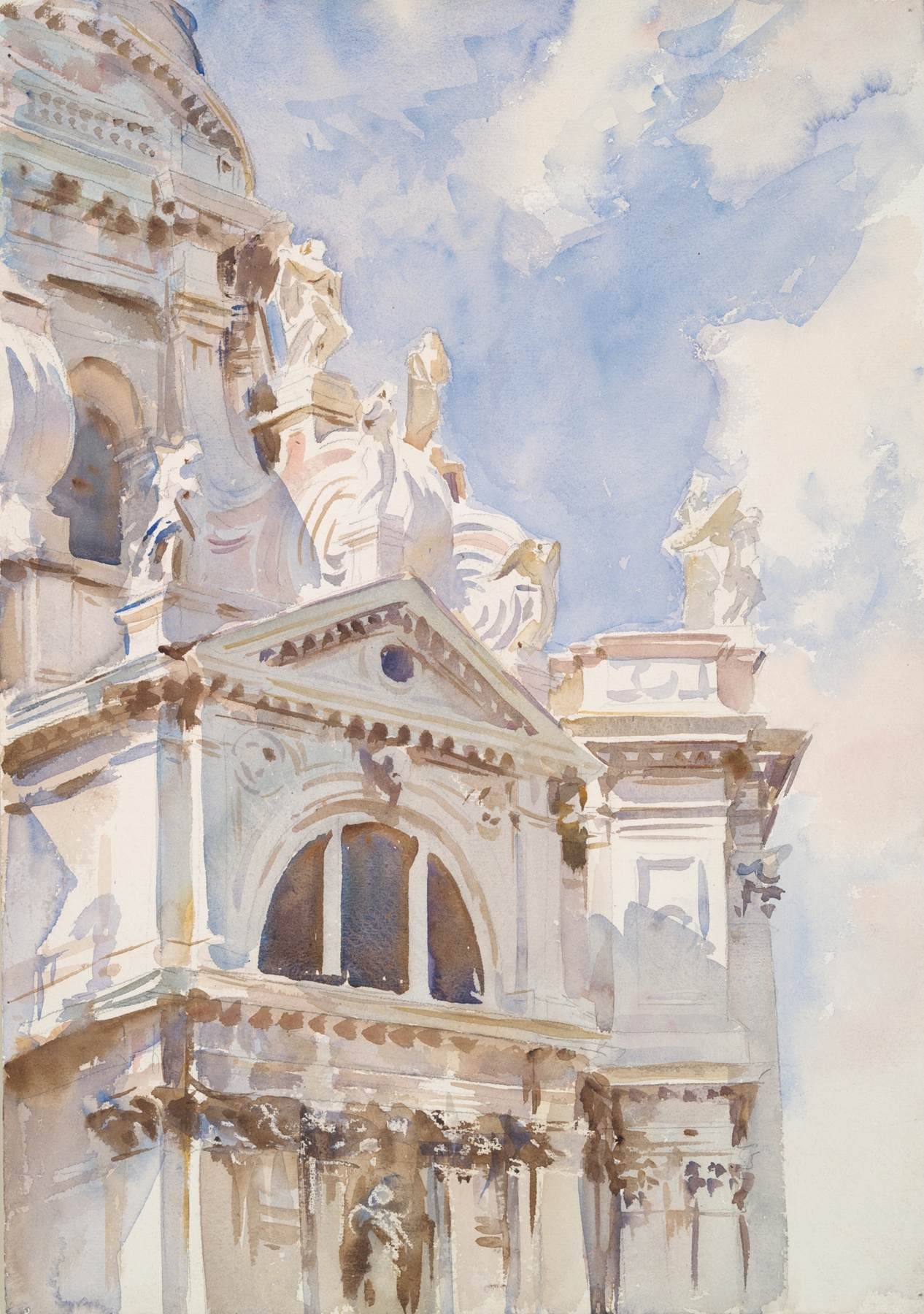
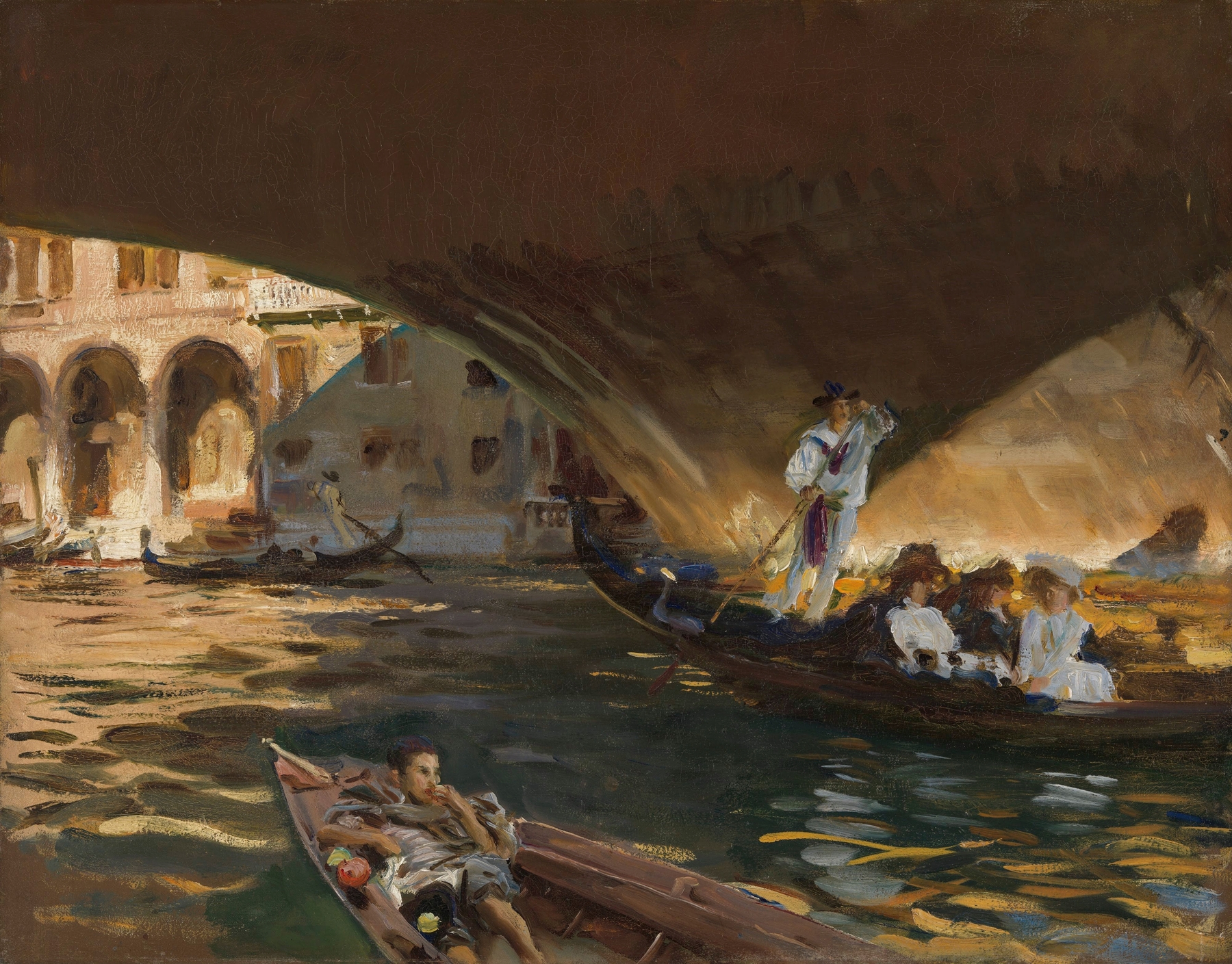
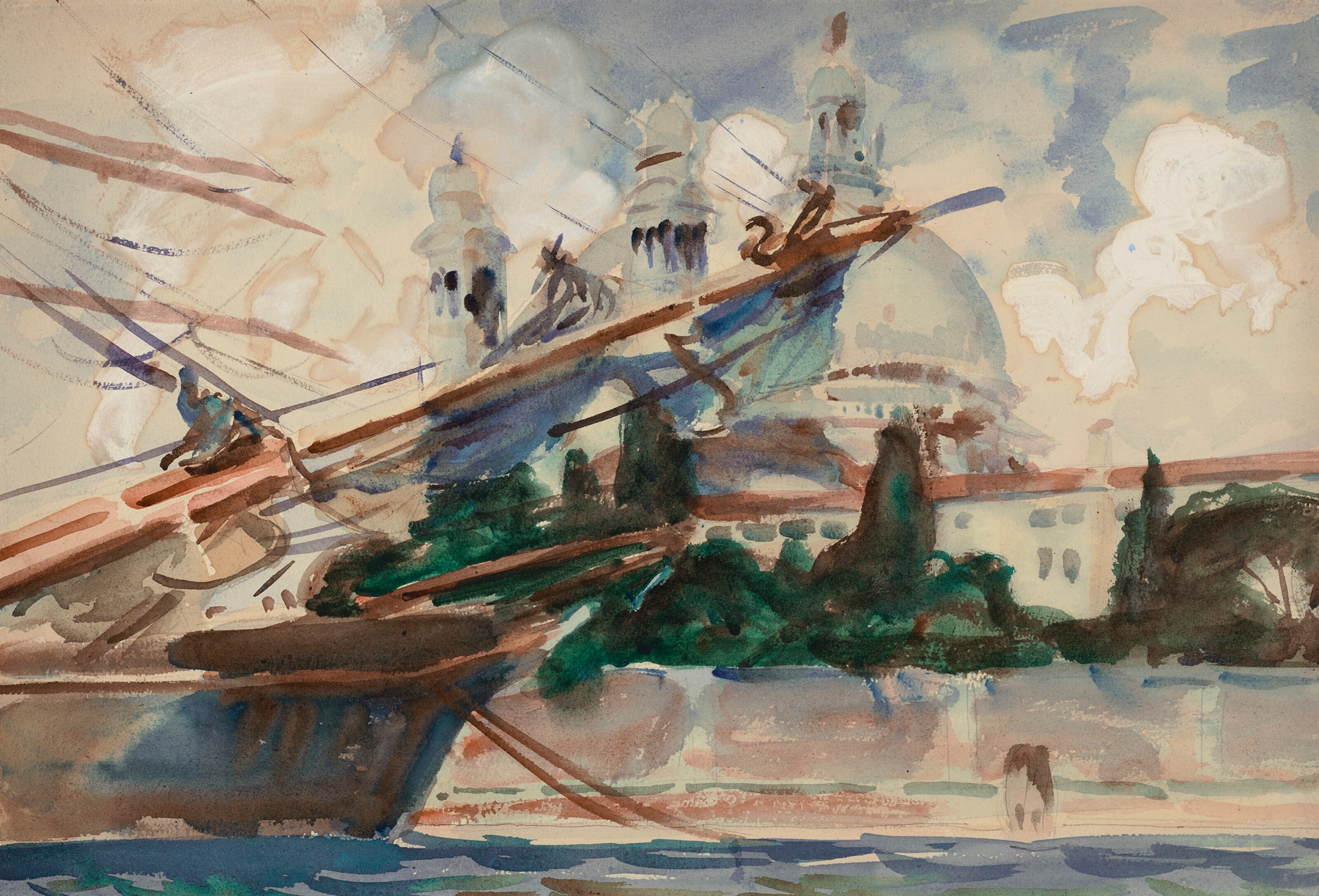
What if silence could speak through light? In the stillness of The Salute, Venice, the viewer is invited to contemplate the serene yet profound embrace of twilight over the city’s intricate waterways. Look to the horizon where the evening sky bleeds into deep indigo, casting a soft glow over the iconic silhouette of the Salute church. The brushwork is fluid, capturing the gentle ripples of the water as they reflect the warm hues of the setting sun.
Notice how Sargent masterfully balances light and shadow, creating a dynamic tension that draws the eye across the canvas, from the elegant architecture of Venice to the quiet boats drifting in the foreground. Within this tranquil scene lies an exploration of absence and presence. The void between the buildings and the water serves as a reminder of what is lost in the passage of time, while the illuminated church stands as a beacon of continuity amidst change. The juxtaposition of shadowy figures against the vibrant backdrop evokes an emotional complexity, suggesting longing and nostalgia enveloped in the fleeting beauty of twilight.
Created between 1904 and 1907, this piece reflects Sargent’s fascination with light and its interplay with the urban landscape of Venice. During this period, he was establishing his reputation as a leading portrait painter while also delving into landscapes that showcased his innovative use of color and texture. The cultural backdrop of early 20th-century Europe, marked by societal shifts and artistic experimentation, heavily influenced his work, allowing him to capture the essence of Venice like never before.