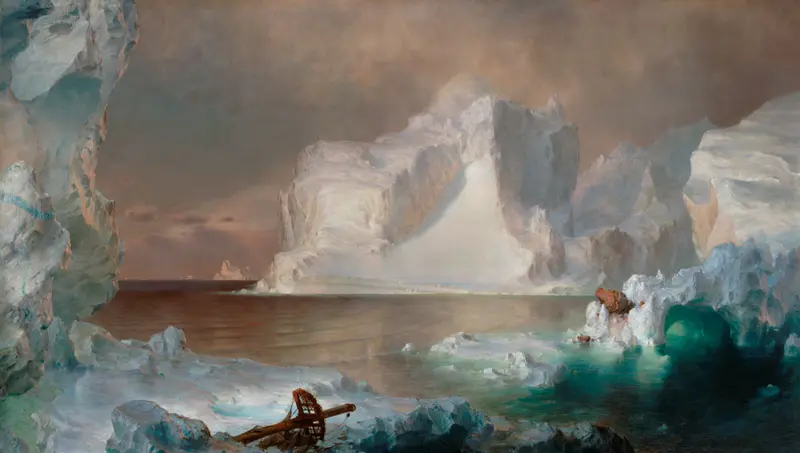
The Sea of Ice — History & Facts
Huge slabs of pack ice have been thrown up into a jagged pyramid in a frozen polar sea, and among the splintered blocks at the right lies the crushed hull of a ship, almost lost to sight. The ice glows in cold gray, blue and green beneath a pale sky that clears to bright blue at the top. Caspar David Friedrich watched the ice on the Elbe break up in the winter of 1820–21 and made three oil sketches of the floes on the spot. A few years later he drew on them for this monumental scene, which he showed in Prague and Dresden in 1824 as Das Eismeer.
The Hamburger Kunsthalle says he was probably inspired by the Arctic voyages of the English explorer Parry. Its old title, The Failed Hope, came from the name of a ship on an earlier version of the composition that is now lost. After Friedrich's death the painting was bought by the painter Johan Christian Dahl and stayed in Dahl's family in Dresden until the Kunsthalle bought it in 1905 from the widow of Dahl's son, for 3,000 marks. It is in the Hamburger Kunsthalle in Hamburg.
More Artworks by Caspar David Friedrich
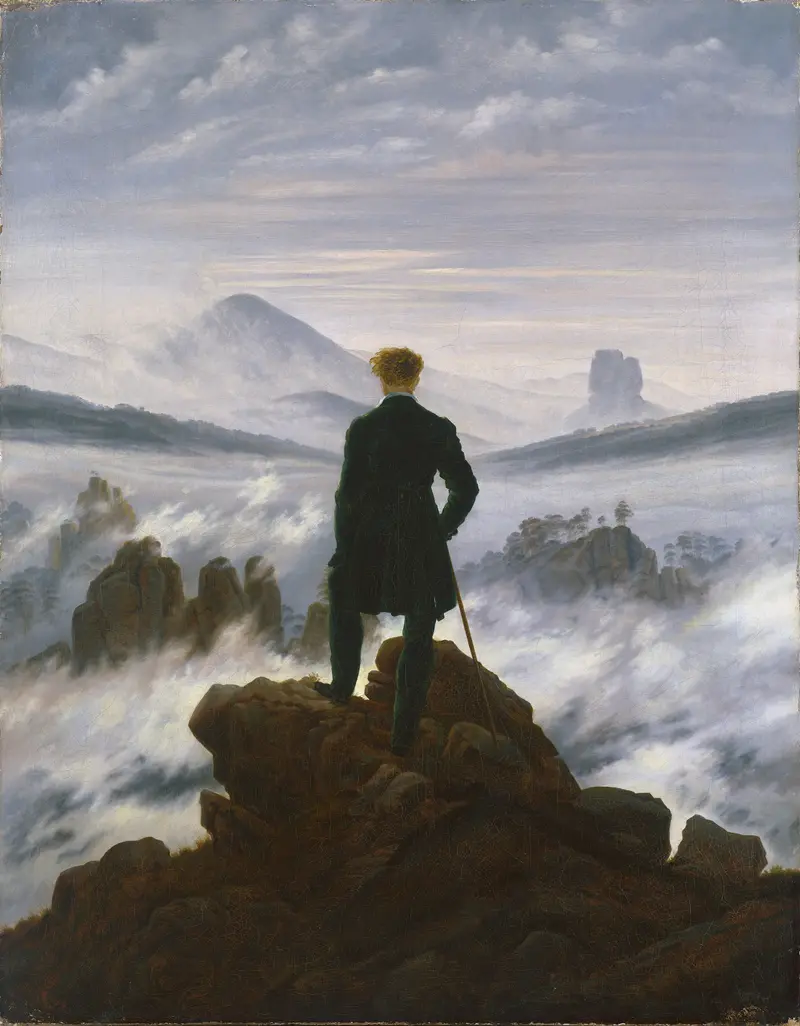
Wanderer above the Sea of Fog
Caspar David Friedrich
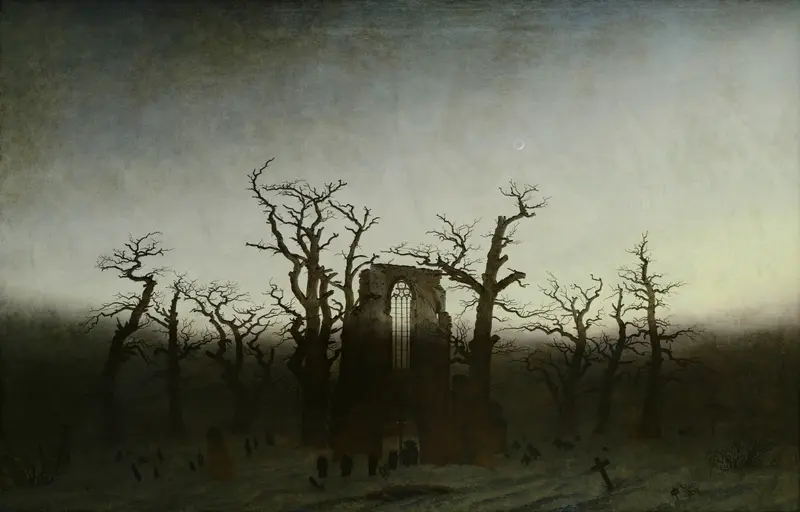
The Abbey in the Oakwood
Caspar David Friedrich
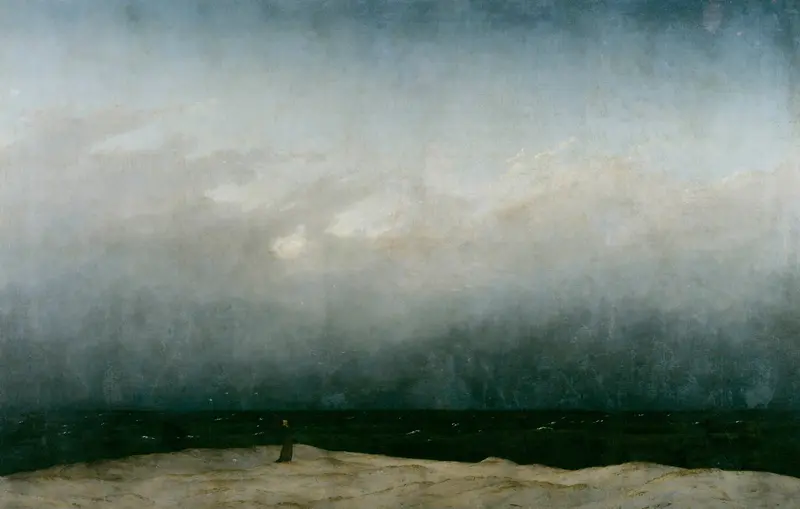
The Monk by the Sea
Caspar David Friedrich
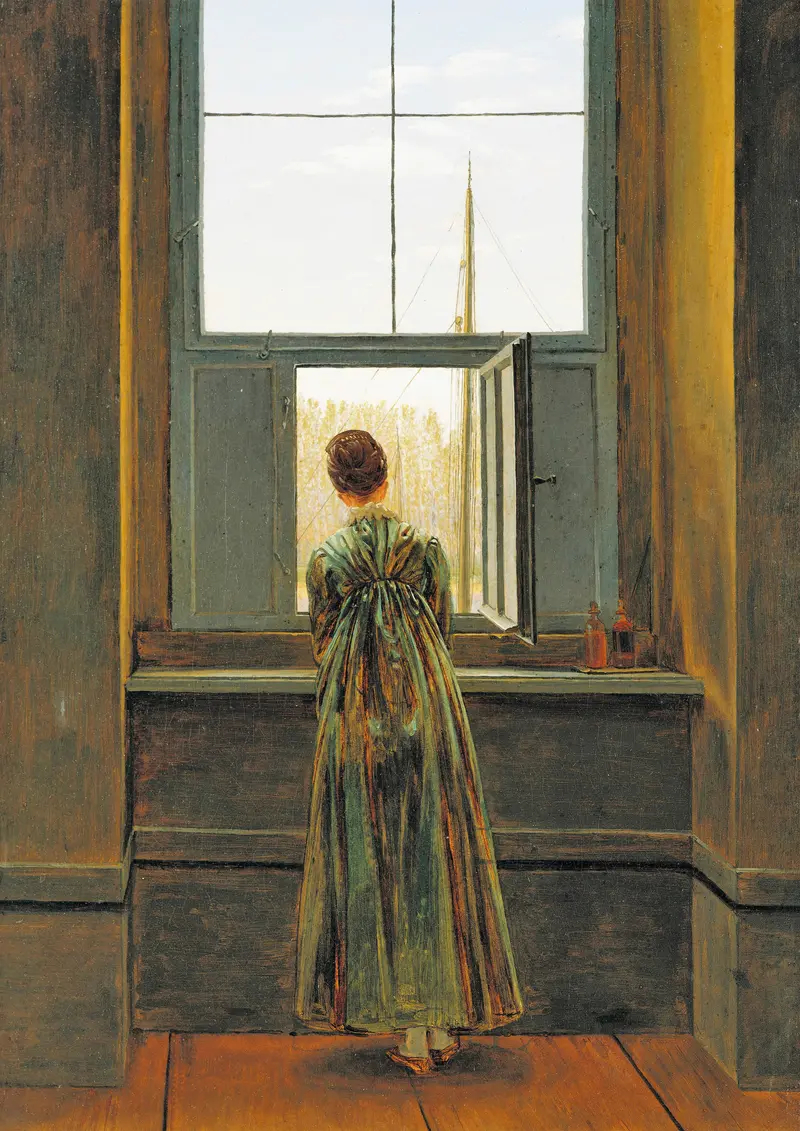
Woman at a Window
Caspar David Friedrich
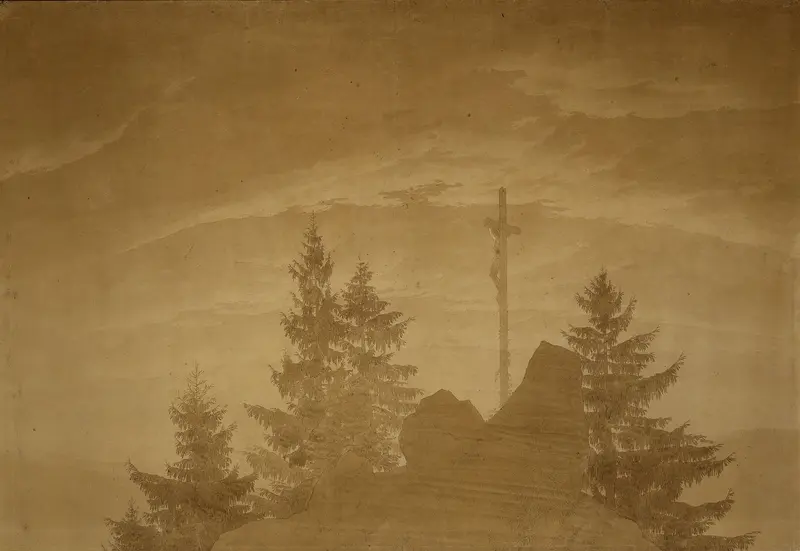
Cross in the Mountains
Caspar David Friedrich
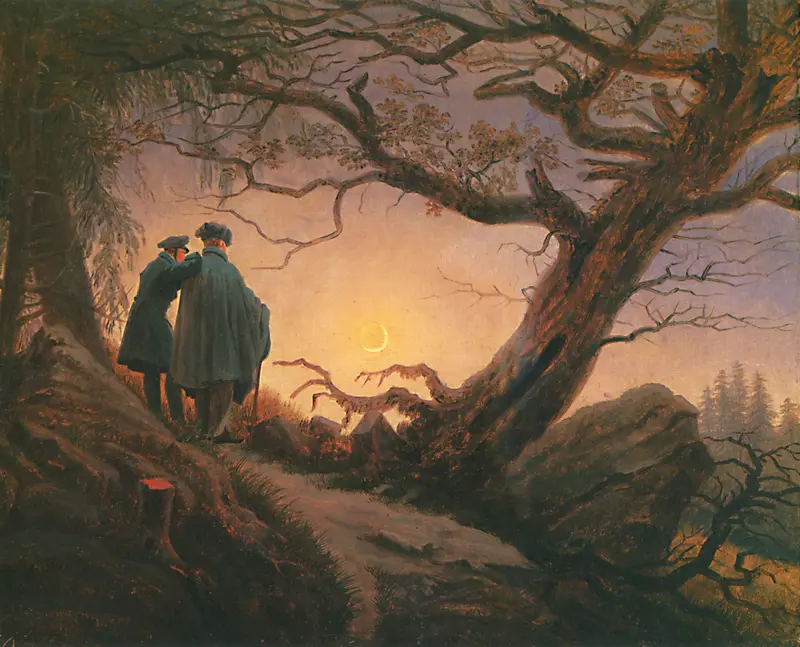
Two Men Contemplating the Moon
Caspar David Friedrich
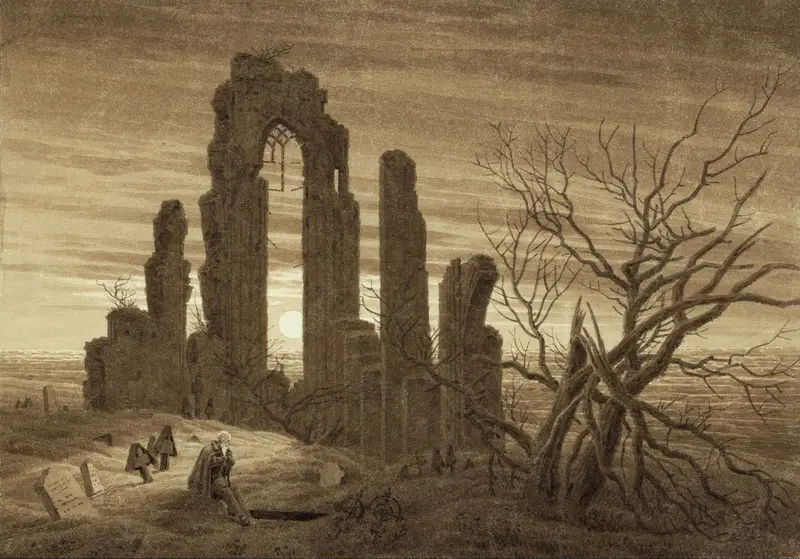
Winter – Night – Old Age and Death (from the times of day and ages of man cycle of 1803)
Caspar David Friedrich
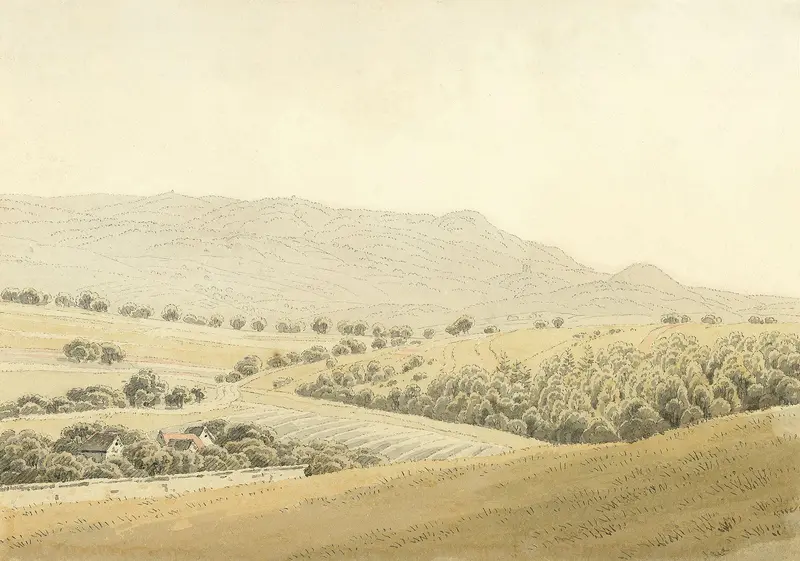
Mittelgebirgslandschaft
Caspar David Friedrich

Landschaft mit gebirgsee, morgen
Caspar David Friedrich
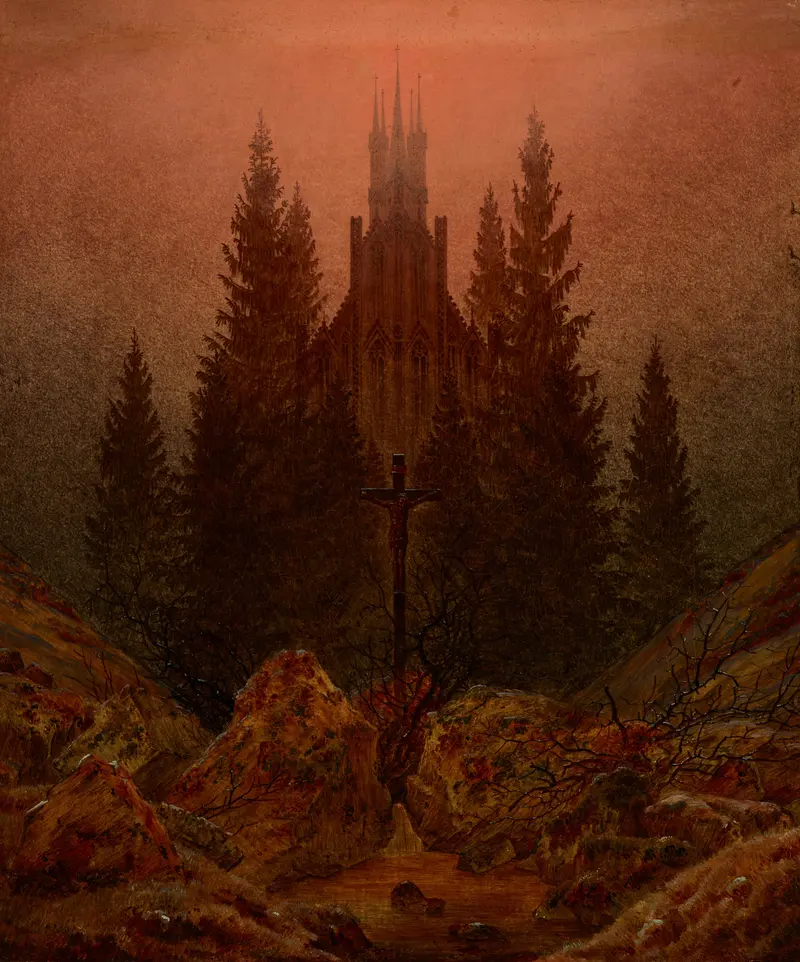
The Cross in the Mountains
Caspar David Friedrich