The statue of Liberty — History & Analysis
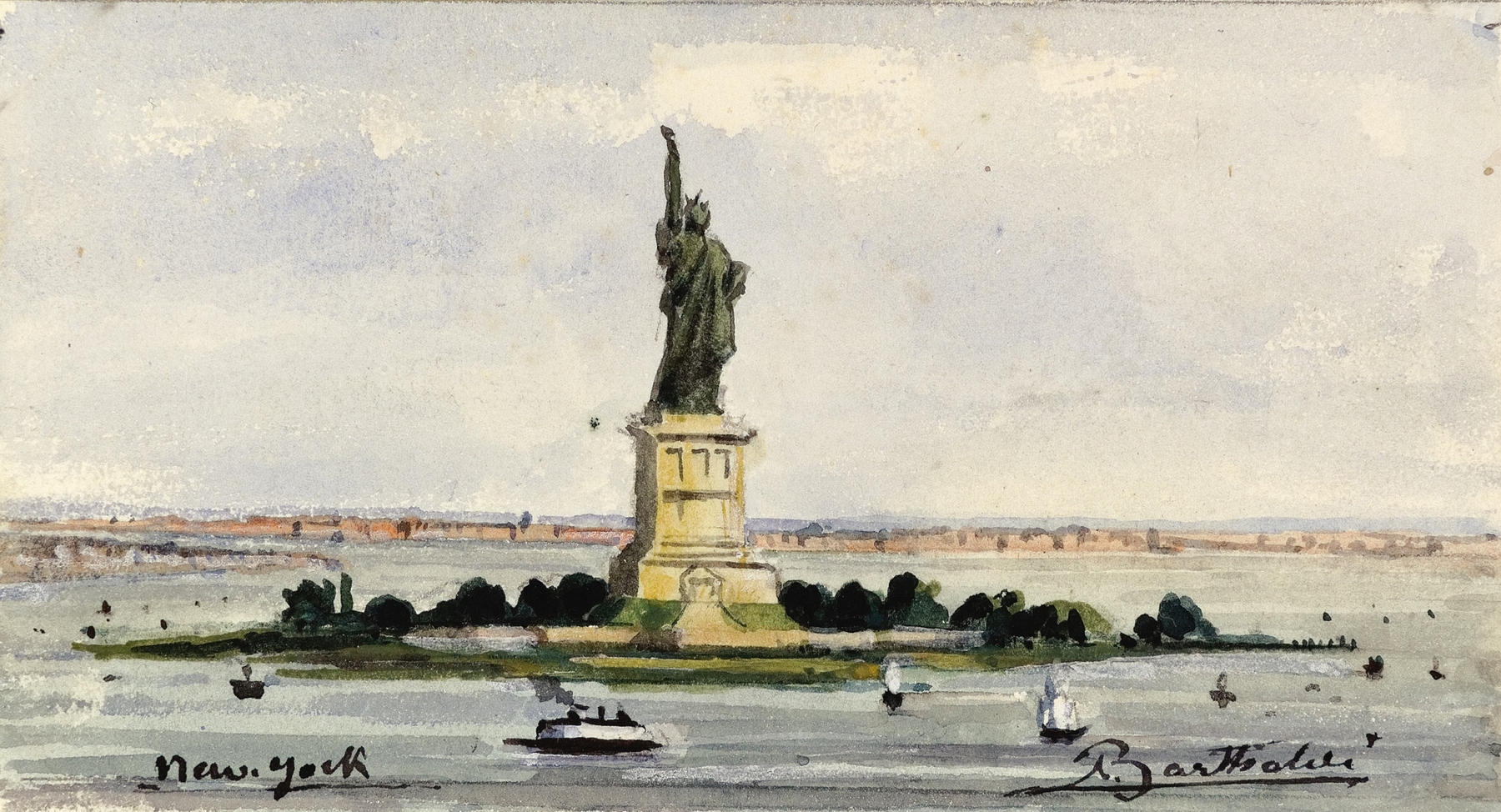
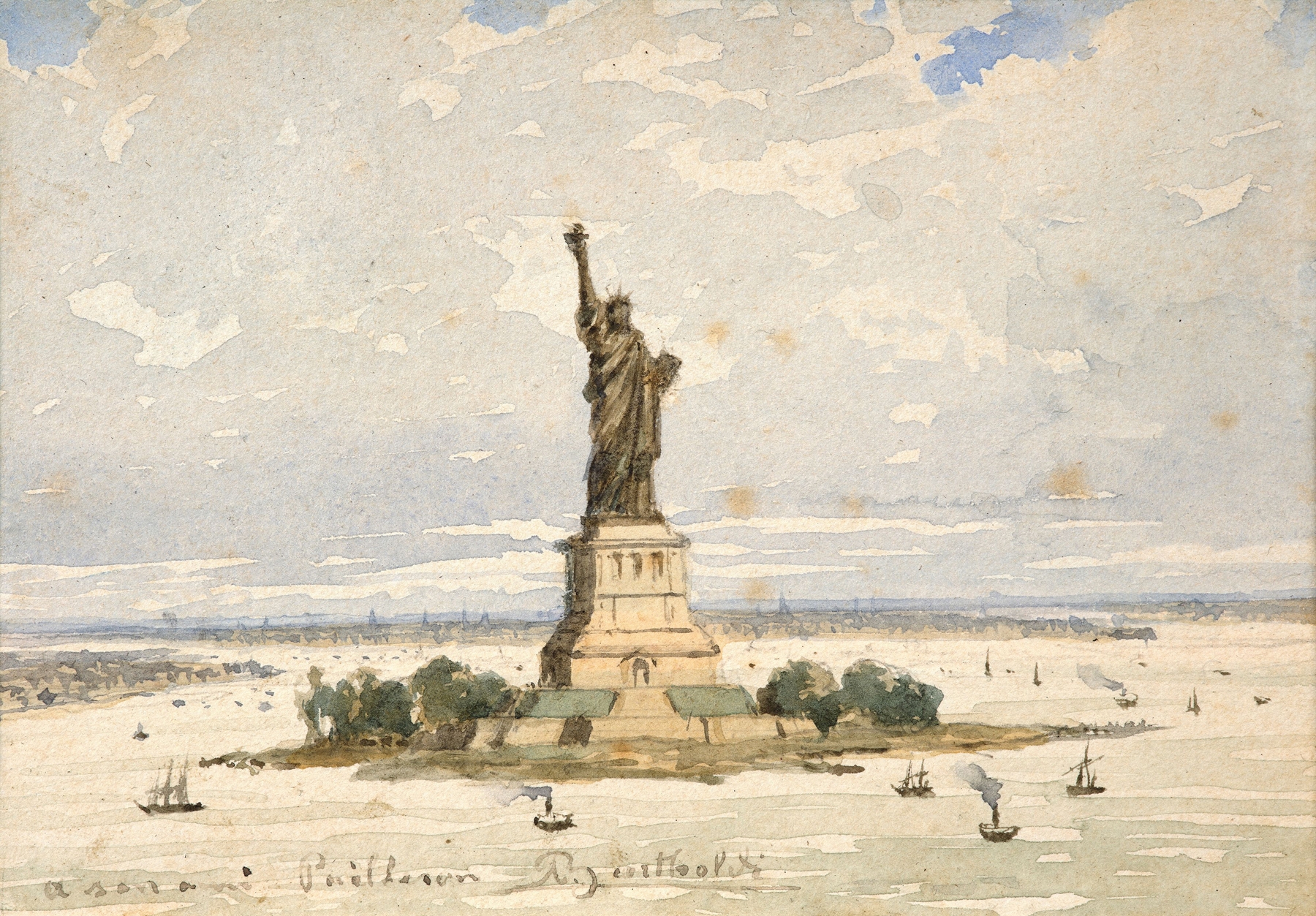
“Between color and silence, truth hides.” The allure of the past often rests in its unyielding presence, beckoning us to reflect and remember what once was. Time, like a gentle tide, washes over monuments of history, and none stands taller than an emblematic figure that embodies freedom. Look to the towering silhouette, its form rising majestically against the vast sky. The intricate folds of the robe reveal a careful craftsmanship, each curve and contour capturing the light, creating a dance of shadow and brilliance.
Notice how the copper patina subtly shifts from rich greens to warm browns, a testament to the passage of years. The raised torch symbolizes enlightenment, its flame a beacon that invites the weary traveler to seek solace and hope. Yet, within this monumental figure lies a deeper narrative. The statue, gifted from France, speaks of friendship and unity, yet its presence also casts shadows of historical complexities, including discussions around immigration and freedom.
The juxtaposition of its grandeur against the struggles of those who arrive seeking a new life adds layers of meaning, revealing the duality of aspiration and reality. The weight of its significance is palpable, echoing the stories of countless souls who have gazed upon it. Frédéric Auguste Bartholdi created this iconic work in the late 19th century, a period marked by a surge of nationalism and artistic innovation in both France and the United States. The statue was completed in 1884 and later assembled in New York Harbor, symbolizing the hope of a fresh start for immigrants arriving on American shores, during a time when the world was grappling with the ideals of liberty and justice.