The Wedding of Cupid and Psyche — History & Analysis
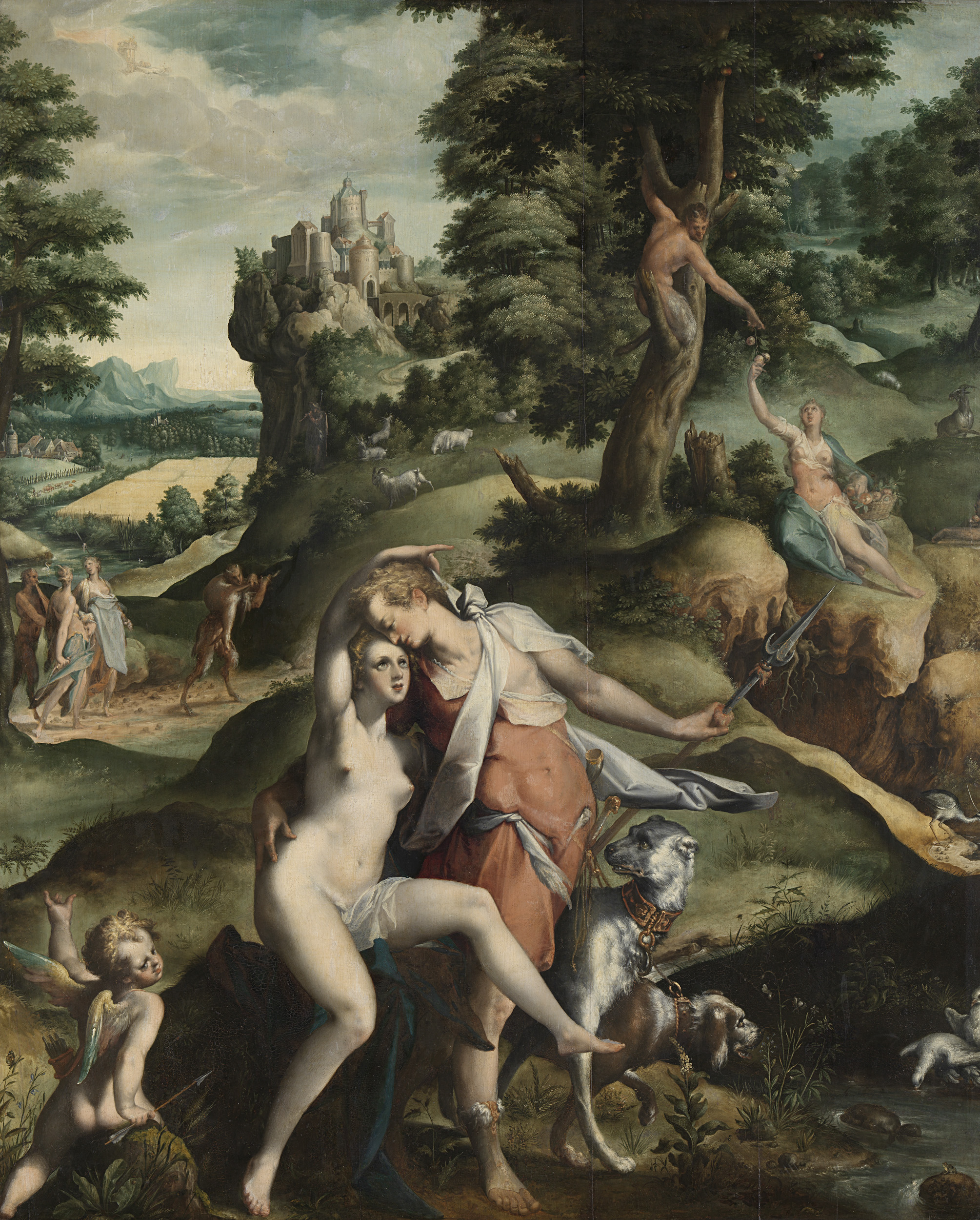
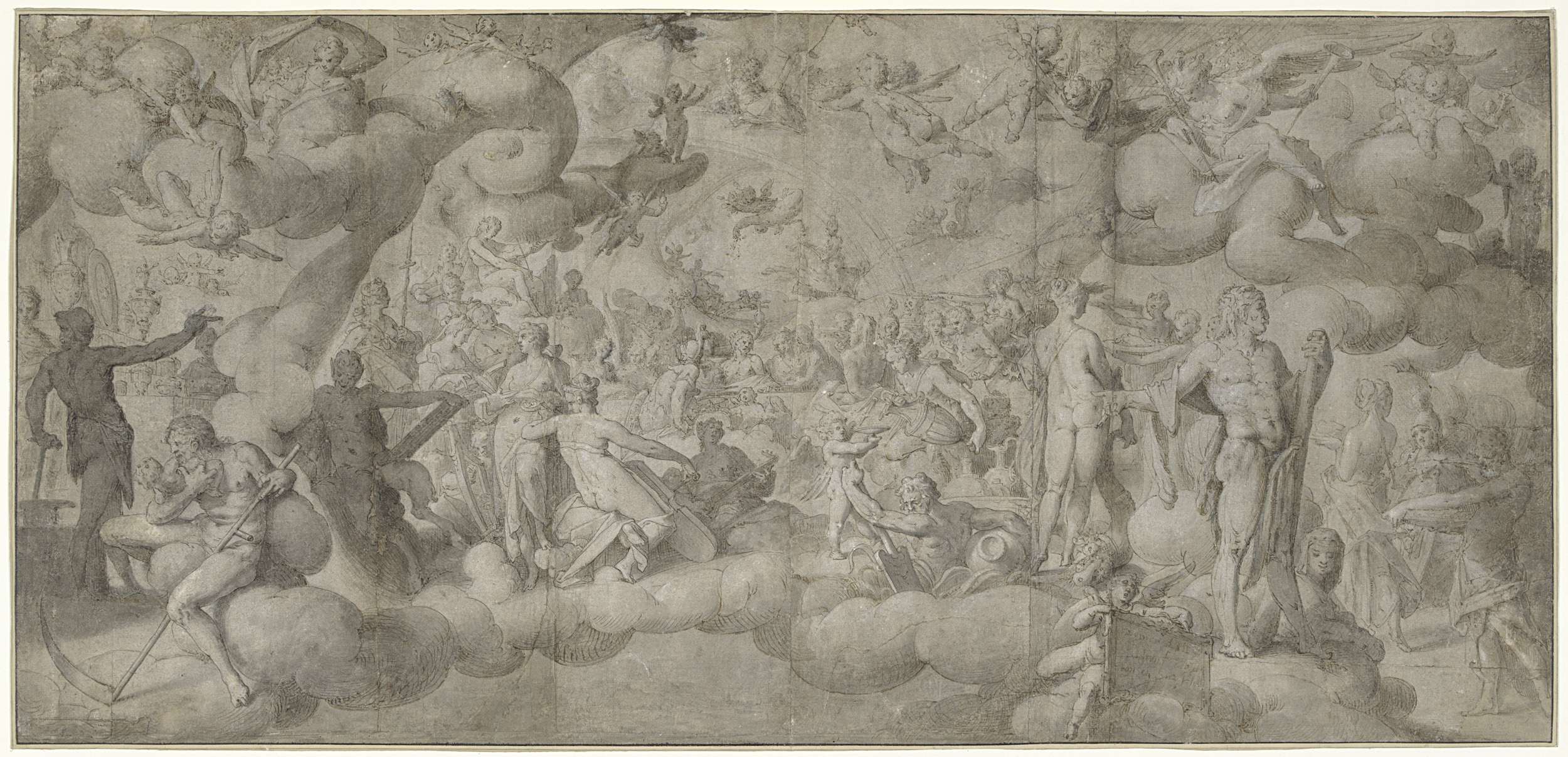
A golden light bathes the grand hall, illuminating the figures gathered in celebration. Cupid and Psyche stand at the center, their hands entwined, surrounded by a chorus of ethereal beings. Laughter and whispers fill the air, but the moment holds a palpable tension, as the weight of love and fate lingers just beyond the surface of joy. Look to the right at the delicate drapery that cascades from Psyche's gown, its soft hues ranging from blush to cream, reflecting both innocence and passion.
The intricate details of the surrounding figures, from their flowing garments to the ornate headdresses, draw the viewer's attention in a harmonious blend of color and movement. Notice how the light dances off Cupid’s golden wings, casting subtle shadows that suggest the complexity of the love they celebrate—a moment caught between celebration and uncertainty. Delve deeper into the expressions of the characters, where joy collides with a hint of longing. The look exchanged between the couple speaks volumes; it’s a balance of fulfillment and the unspoken trials they have endured.
In the background, the delicate interplay of light and shadow creates a dreamlike quality, evoking nostalgia for an idealized past while hinting at the challenges of their future together. Painted between 1575 and 1587, the artist was immersed in the rich cultural milieu of the Northern Renaissance, seeking to blend classical themes with a personal touch. This period was marked by an exploration of human emotion and spiritual narratives, and alongside the flourishing of Mannerism, Spranger’s work exemplified a unique fusion of mythological grandeur and intimate storytelling, showcasing the complexities of love and desire.