Theatre set design — History & Analysis
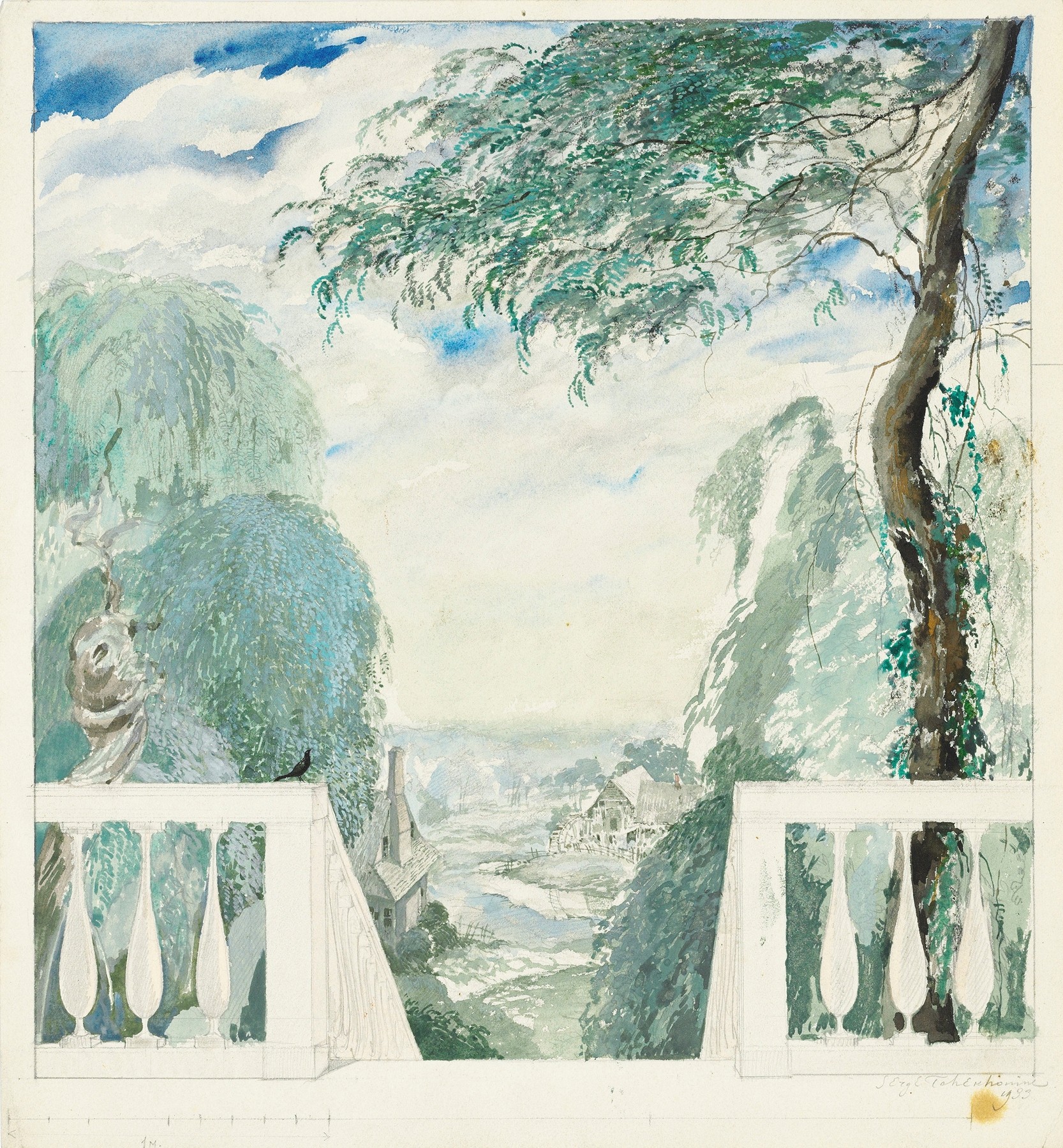
Could beauty survive in a century of chaos? As the world teetered on the precipice of transformation, the quest for artistry became a refuge for the soul, a means to capture fleeting moments of grace amidst turmoil. Look to the meticulous details that unfold in the design—notice how the bold lines create a symphony of structure, drawing the eye toward the intricate framework that promises a narrative yet to be performed. The colors are a mix of muted earth tones and vibrant splashes that speak to both decay and hope, reflecting on a stage set that holds untold stories within its confines.
Each element, from the sweeping curves to the stark angles, invites the viewer to imagine the performances that might have taken place, casting shadows and light in equal measure. Yet, beneath the surface lies a deeper resonance of loss. The stark contrast between the grandeur of the set and the emptiness surrounding it evokes a sense of longing—what was once vibrant now lies in waiting, hinting at forgotten dreams and unfulfilled potential. The design serves as a testament not only to the artistry of representation but also to the looming specter of abandonment that haunts each brushstroke, allowing the viewer to feel the weight of history layered within the canvas.
In this elusive period of creation, the artist was navigating a world reshaped by political upheaval and artistic redefinition. Working during the early 20th century in Russia, Chekhonin sought to merge theatrical design with emerging modernist ideals, reflecting the seismic shifts occurring in society. The absence of a definitive date in this work suggests a timeless exploration of beauty, hinting at both the ephemeral nature of art and enduring human resilience against the chaos of the era.