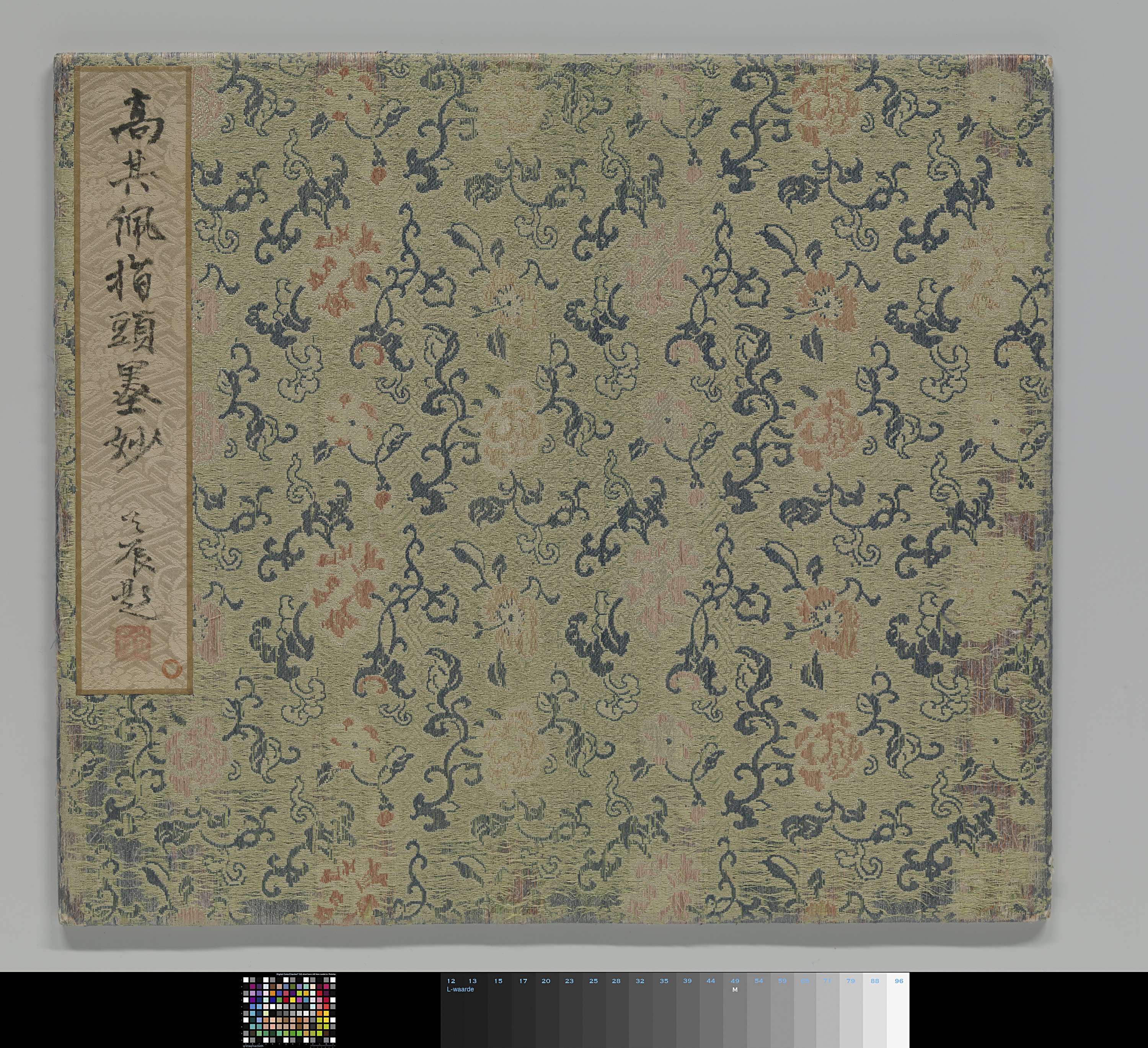
Tiger Seen from the Rear — History & Analysis
What if beauty was never meant to be finished? In a world marked by impermanence, the act of observing transforms into an obsession, an intricate dance between the viewer and the subject. Look closely at the delicate brushwork that defines the powerful yet serene figure of the tiger, its stripes a mesmerizing play of black and ochre. Focus on the subtle gradient of the fur, where the artist’s mastery captures not just the creature’s form, but its essence, weaving together strength and grace.
The composition draws the eye to the animal's powerful rear, suggesting its imminent movement, while the background remains intentionally blurred, emphasizing both the isolation and the majesty of this magnificent beast. Every stroke resonates with a deeper meaning; the rear view evokes a sense of mystery, inviting the viewer to ponder the untold stories of the tiger's life. The tension between the vivid depiction of the animal and the understated surroundings reflects the duality of nature—both fierce and fragile. This artwork may symbolize the obsession with beauty in its rawest form, a reminder of the wildness that lies beneath the surface of our lives.
Created around 1700 during the Qing dynasty, the artist painted this piece amidst a flourishing interest in nature and realism within Chinese art. Gao Qipei was known for his unique fusion of traditional ink techniques with a personal interpretation of form and movement. This period saw a rise in intricate representations of wildlife, as artists sought to capture the essence of their subjects with unprecedented intimacy, echoing a cultural embrace of both the beauty and the challenges of the natural world.