Udnie (Young American Girl, The Dance) — History & Facts
Curved and sharp-edged shapes spin outward across a canvas about three meters wide. Pieces in gray, white and cream, some with a metallic, machined look, are mixed with rounded forms in green, blue and pink, and dark and light bands radiate from a swirling center. The word UDNIE is lettered at the top, and a signature and the date 1913 are at the lower left. Francis Picabia was inspired by a dance he saw on the ship taking him to New York in 1913, when he traveled to the United States for the opening of the Armory Show.
The Centre Pompidou names the performer as the Polish actress Stasia Napierkowska. The museum says the title could be an anagram of the name of the musicologist Jean d'Udine, a theorist of correspondences between the senses. In its analysis, Udnie borrows its dynamism from the Italian Futurists, whose Paris show impressed Picabia a year earlier, and owes its machine-like "mechanism" to the example of Marcel Duchamp. The painting created a sensation at the Salon d'Automne in 1913, the museum says.
The French State bought it in 1948 and assigned it to the museum in 1949. It is in the Centre Pompidou in Paris.
More Artworks by Francis Picabia

Sans titre
Francis Picabia
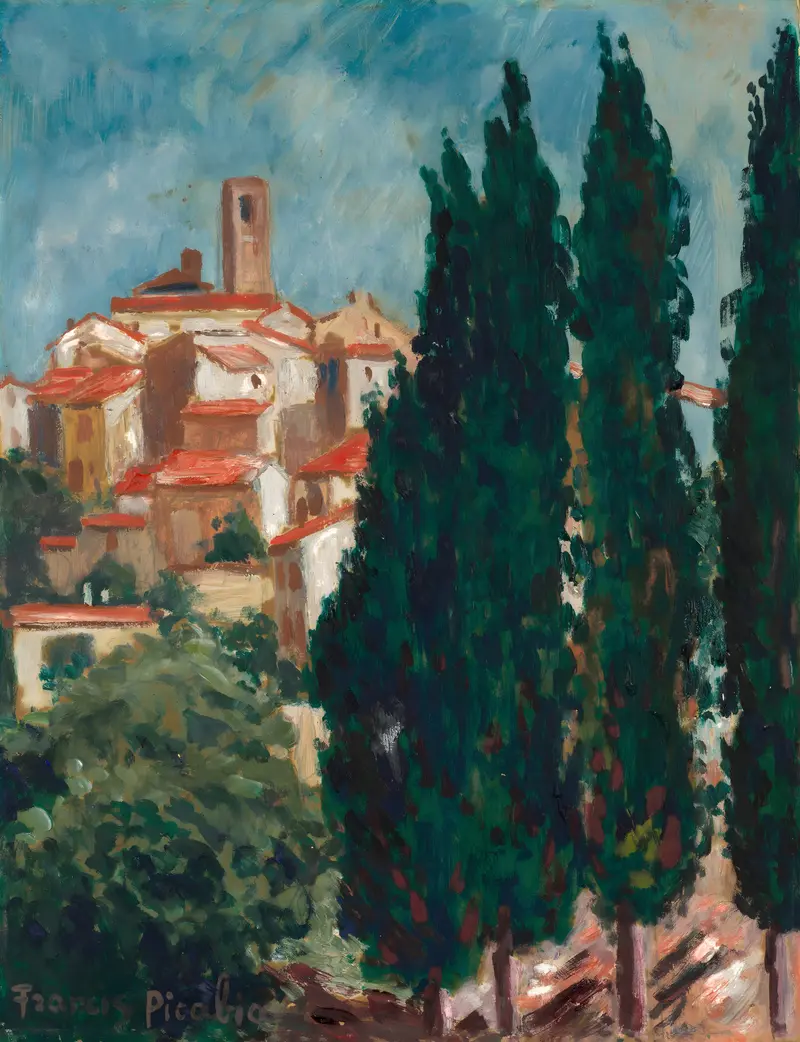
Sans titre (Saint-Paul-de-Vence)
Francis Picabia
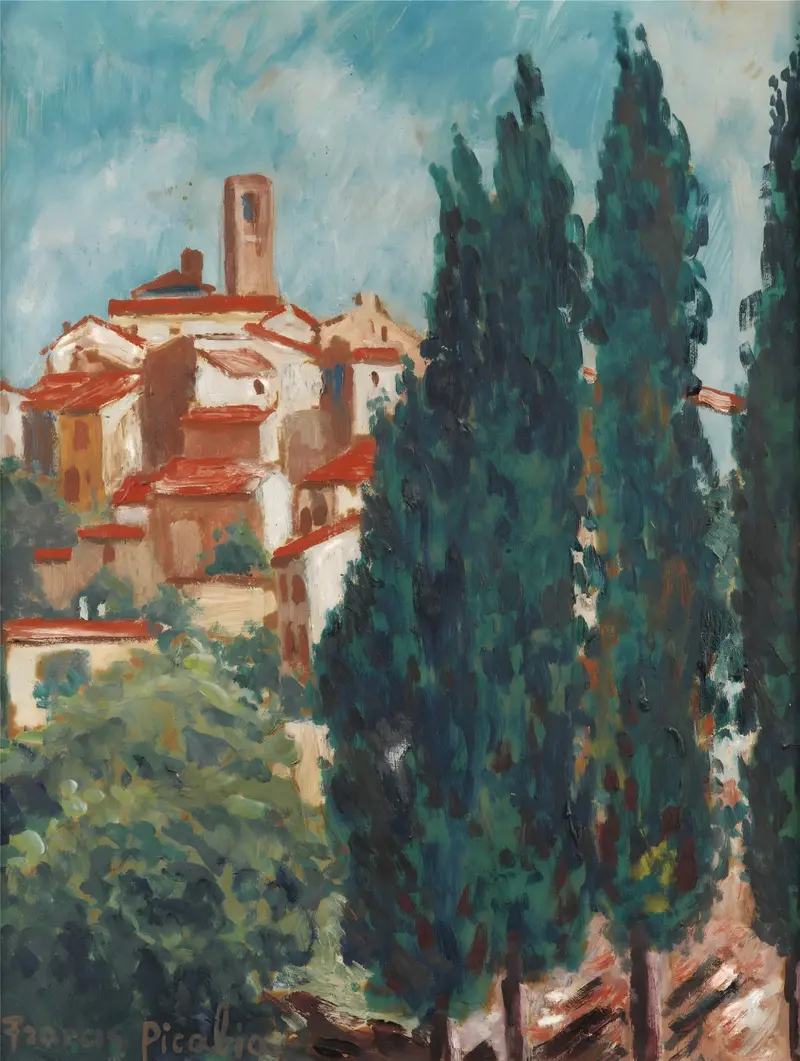
Sans titre
Francis Picabia

Sans titre
Francis Picabia
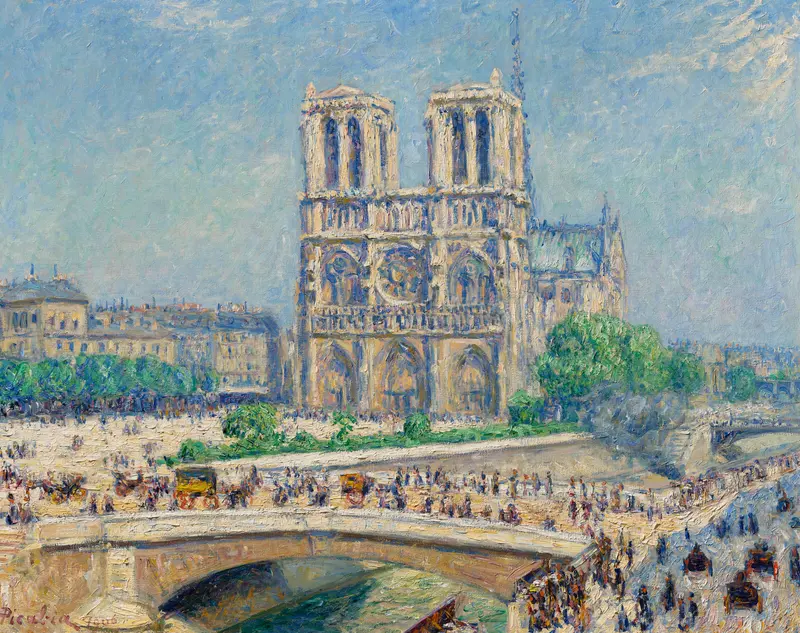
Notre-Dame, effet de soleil
Francis Picabia

Sans titre (La Seine et l’Institut de France, Paris)
Francis Picabia
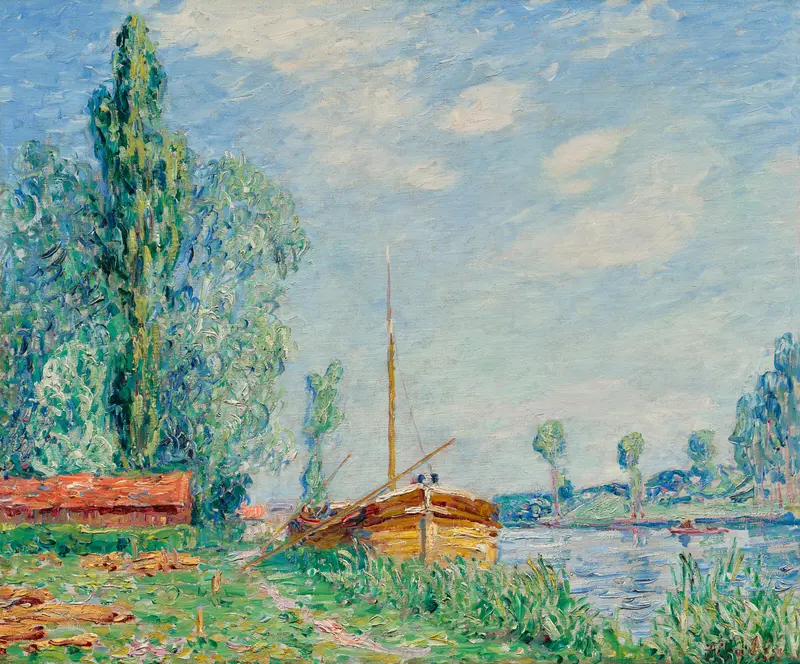
Untitled (The Loing at Nemours)
Francis Picabia
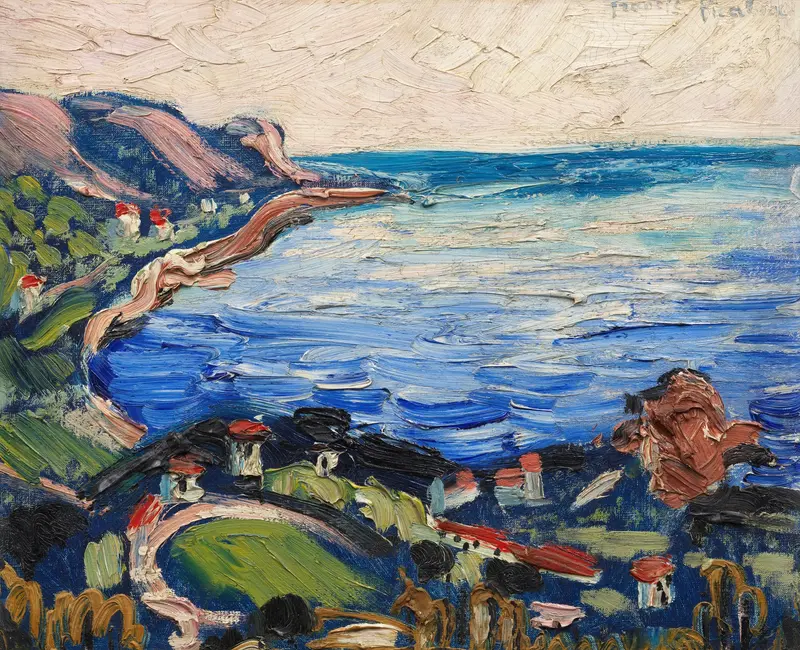
Paysage maritime
Francis Picabia
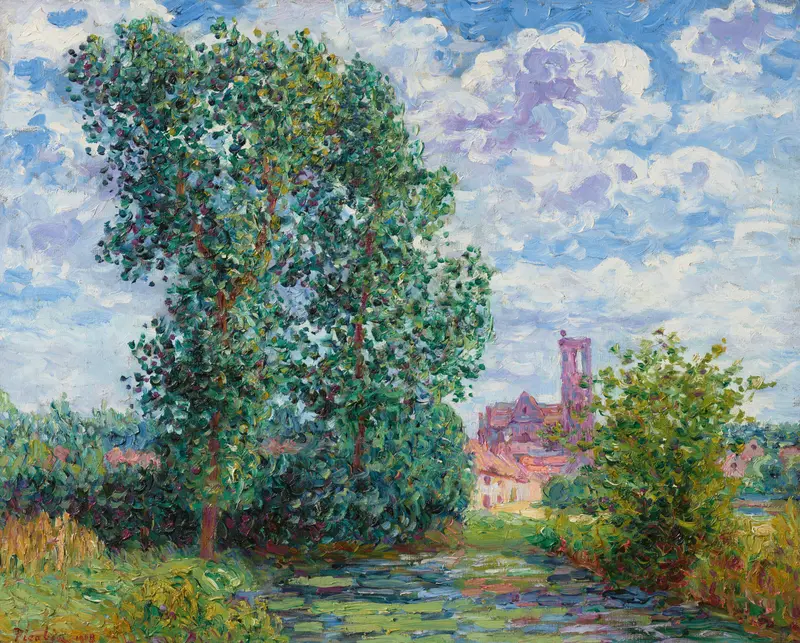
Effet de soleil par temps d’orage, Larchant
Francis Picabia
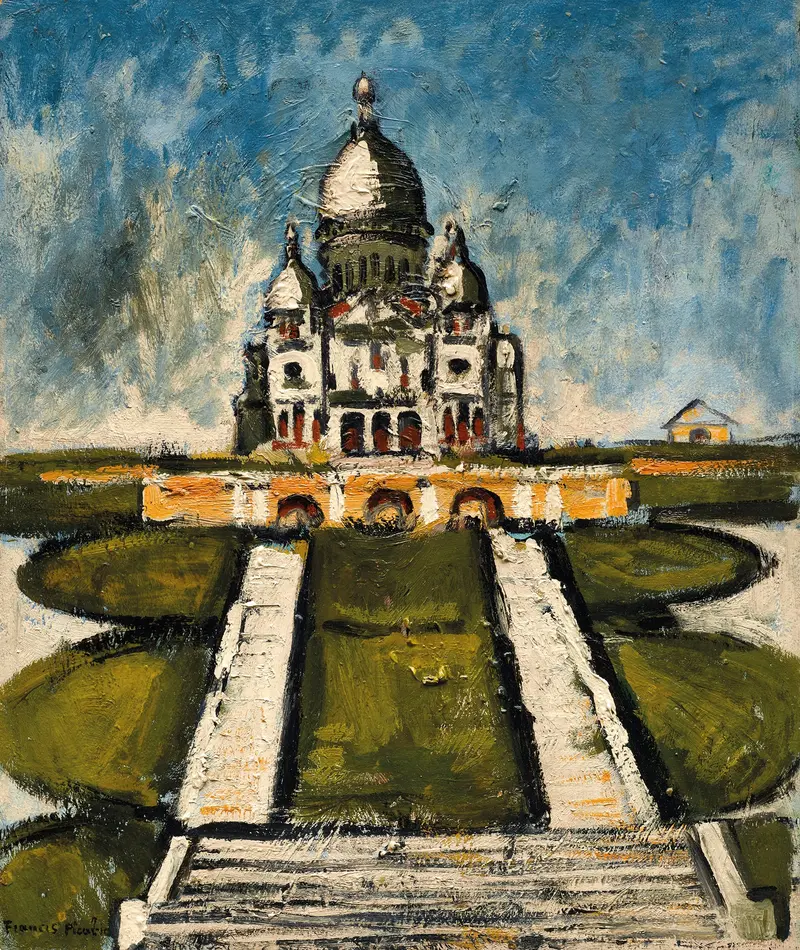
Sans titre (Sacré-Coeur, Montmartre)
Francis Picabia