Ut Pictura Poesis — History & Analysis
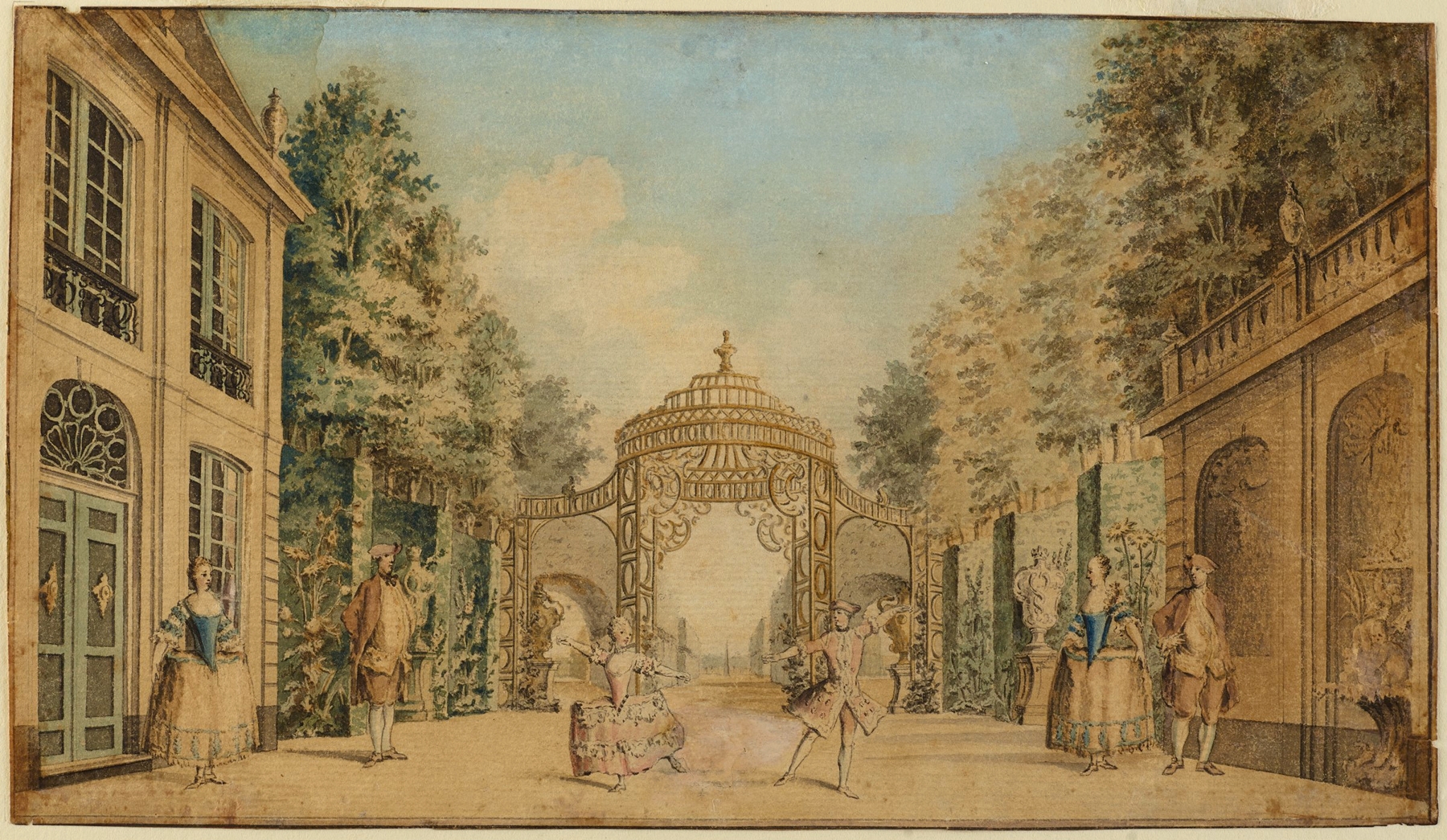
Could a single brushstroke hold eternity? In Ut Pictura Poesis, the interplay of art and poetry reaches a sublime threshold, inviting contemplation on the nature of creation and inspiration. Look to the center of the canvas, where a graceful figure sits in quiet introspection, surrounded by an ethereal landscape. Soft pastels blend seamlessly, creating a harmonious atmosphere that feels almost dreamlike.
Notice how the light envelops the figure, illuminating the delicate contours of her gown, while shadowed areas hint at the mysteries that linger beyond. The delicate brushwork enhances the sense of fluidity, as if the entire composition might dissolve into a lyrical reverie. The juxtaposition of the serene figure and the vibrant surroundings evokes a yearning for connection between the inner world and the external landscape. The gentle sway of her posture suggests both contemplation and longing, while the contrasting colors symbolize the tension between reality and imagination.
Each element, from the intricate foliage to the swirling clouds, speaks to the artist's deep understanding of emotion, inviting viewers to explore their own desires and dreams within this painted realm. Charles-François Hutin created this evocative piece between 1745 and 1746, during a time when the dialogue between visual arts and literature was increasingly rich. Hutin, influenced by the Rococo movement, engaged with themes of beauty and emotion during a period marked by the flourishing of the arts in France. As he painted Ut Pictura Poesis, he was part of a cultural shift that aimed to elevate painting to a narrative form akin to poetry, bridging artistic disciplines in a quest for deeper meaning.