![Wady Dabod [Wadi Dabod], Nubia. Nov. 16th, 1838., 1846-1849, by David Roberts, public domain](https://froigstrpvutwqtqikzt.supabase.co/storage/v1/object/public/art-images/artworks/3d89d49b76d68e02c8f285171a58c3a7ac5e86636e8bb12d097037791c543fc9.jpg)
Wady Dabod [Wadi Dabod], Nubia. Nov. 16th, 1838. — History & Analysis
“To paint is to remember what time wants us to forget.” In a world that is ever changing, art serves as a vessel to capture fleeting moments and preserve them for eternity. This profound reflection resonates within the depths of Wady Dabod, where the artist encapsulates the timeless essence of a landscape steeped in history. Look to the left, where rugged cliffs rise majestically against a deepening azure sky, hinting at the ancient stories they harbor. Notice how the delicate interplay of light bathes the scene in a warm glow, casting elongated shadows that dance across the sandy terrain.
The artist's expert brushwork captures the undulating forms of the rocks, creating a tactile sense of depth that invites the viewer into this serene yet monumental vista. The color palette, rich in earth tones and vibrant blues, evokes a harmonious connection between nature and the human spirit. Beneath the enchanting surface lies a narrative woven from contrasts: the permanence of geology against the ephemeral nature of human existence. The scattered ruins suggest a once-vibrant civilization, now a mere whisper in the wind, paralleling the artist’s own quest to immortalize a moment that may soon fade away.
The gentle currents of the river serve as a metaphor for time itself, flowing relentlessly, yet captured in this single frame of beauty—an invitation to ponder the legacies we leave behind. David Roberts painted Wady Dabod between 1846 and 1849 during a period when European interest in Egypt and its antiquities surged. As he traveled through the Middle East, he sought to document the exotic landscapes and cultures that enchanted the Western world. This work reflects his dedication to realism and his ambition to bridge the gap between art and history at a time when exploration and discovery were reshaping perceptions of distant lands.
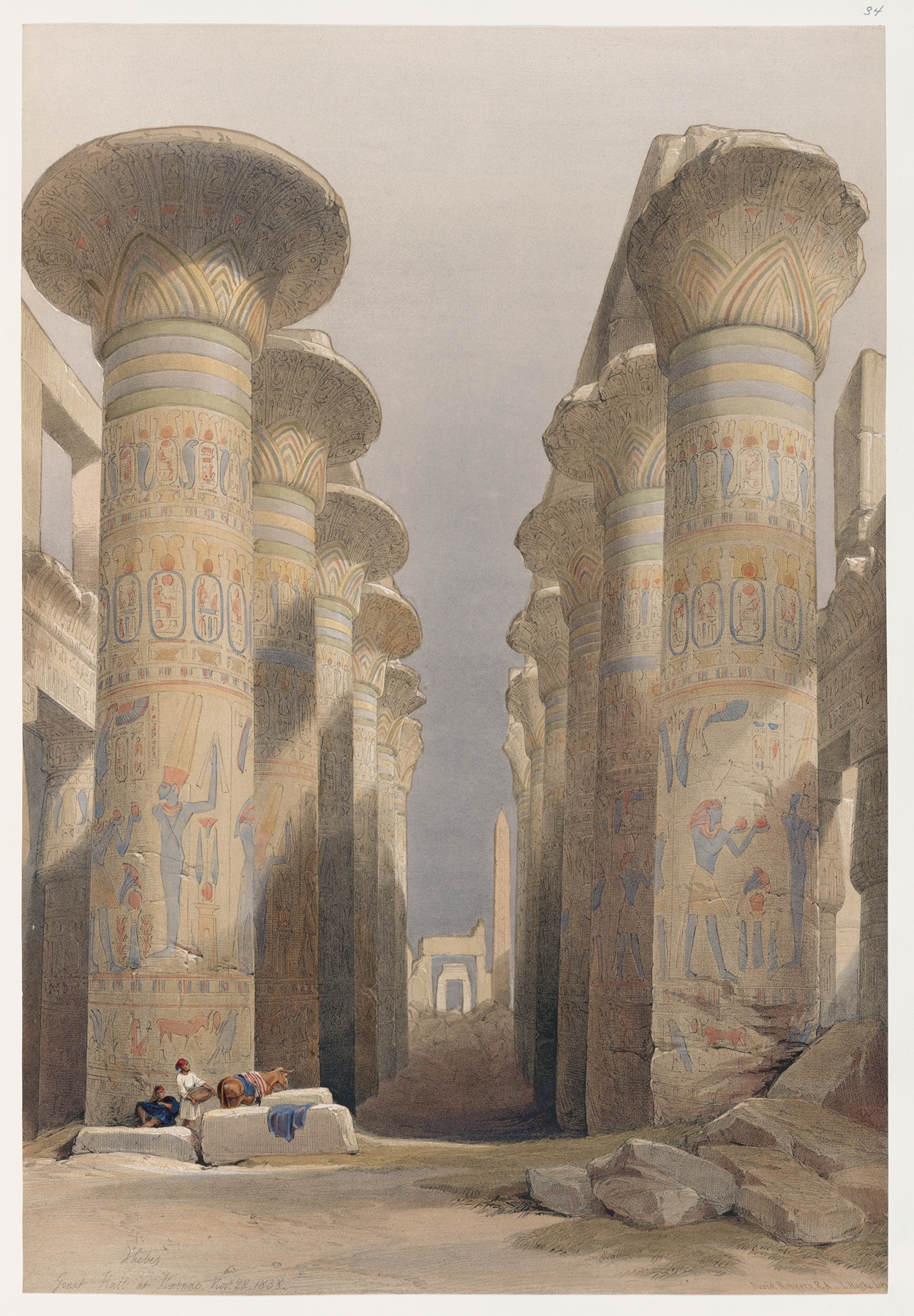
![Temple of Edfou [Idfû], ancient Appolinopolis, Upper Egypt., by David Roberts, public domain](https://froigstrpvutwqtqikzt.supabase.co/storage/v1/object/public/art-images/artworks/b51e83da008fb52a9e3832297709f860ad8821d94936f0ccc0984f79e32cfea9.jpg)
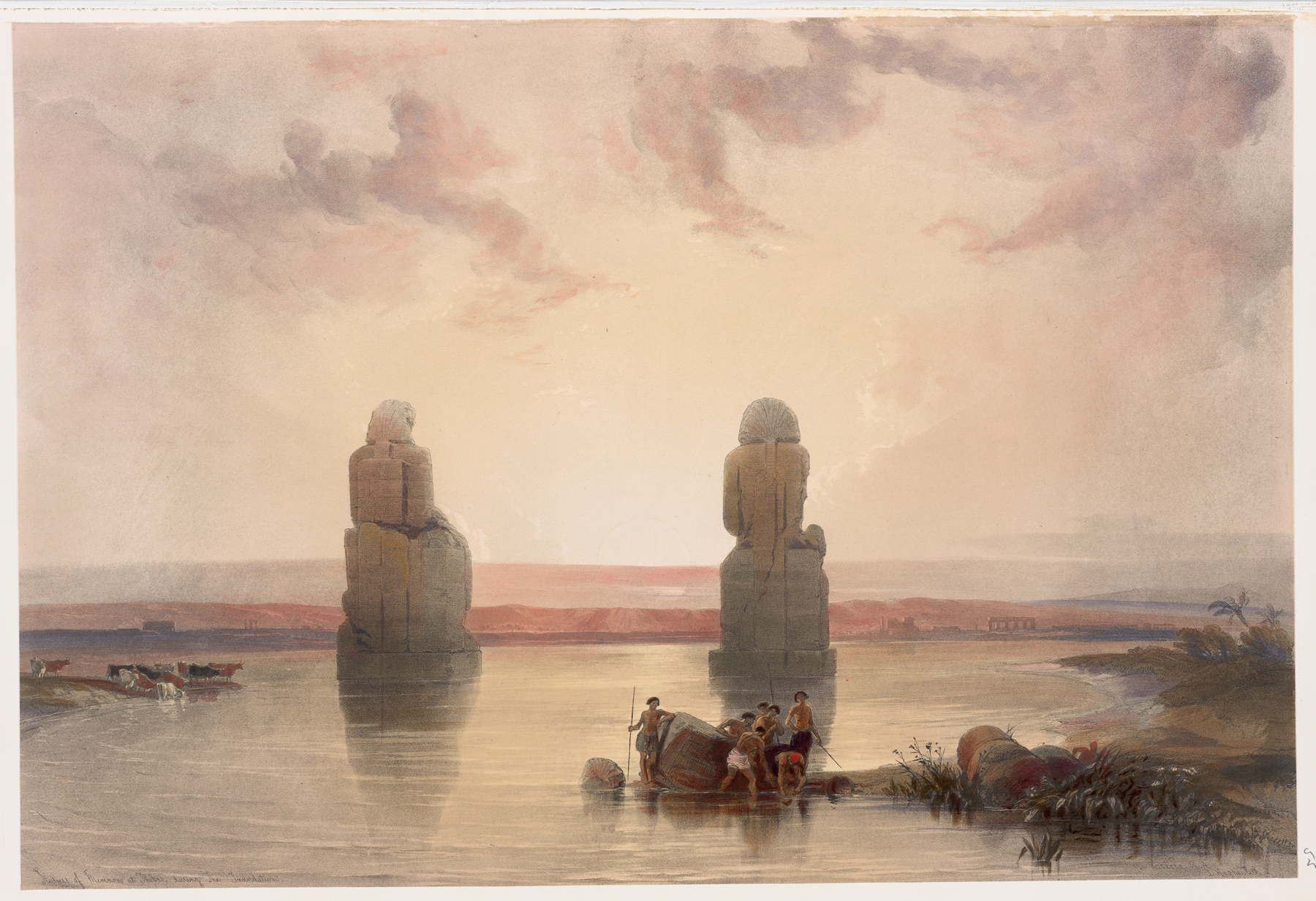
![Entrance to the tombs of the kings of Thebes. Bab-el-Malouk [Bîbân al-Mulûk]., by David Roberts, public domain](https://froigstrpvutwqtqikzt.supabase.co/storage/v1/object/public/art-images/artworks/9f12d85330f523f7a10051ef2b6b1ebe90468ae48e1601ee63ecff2779bfca39.jpg)
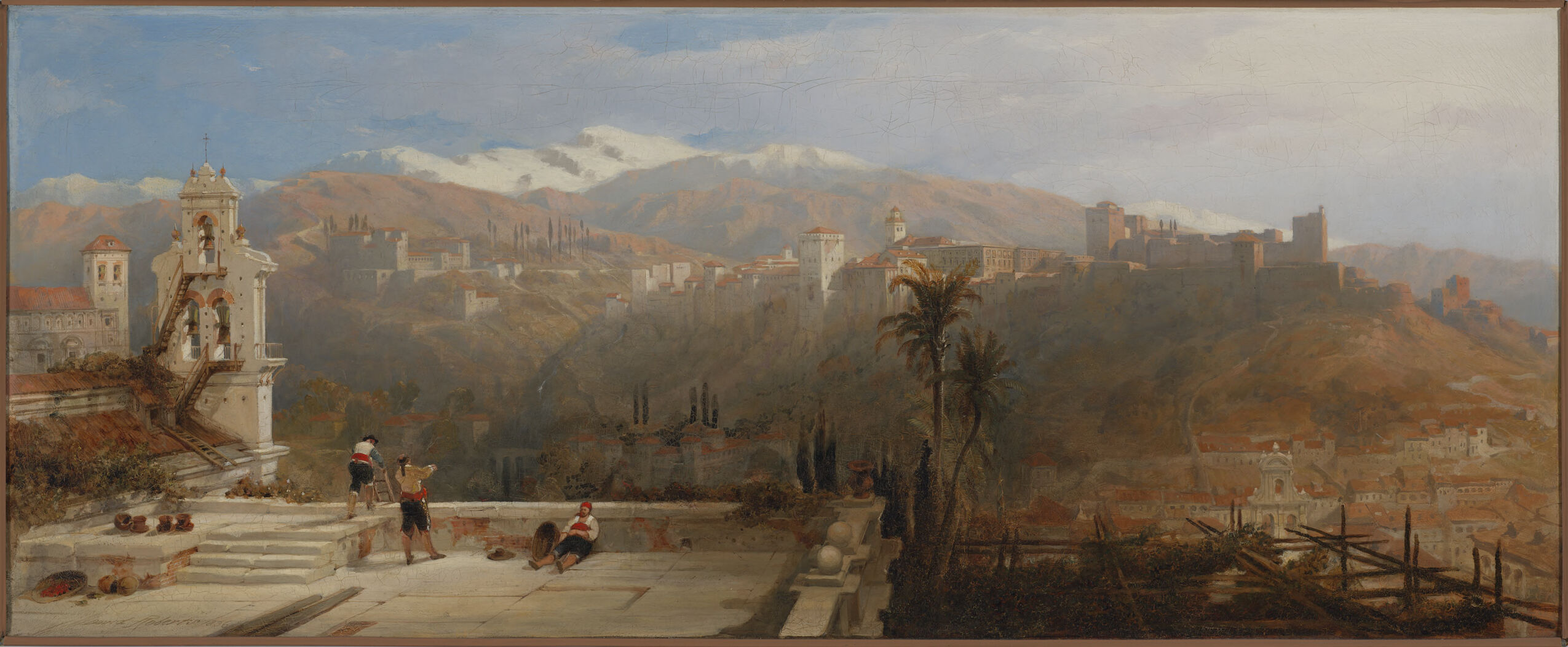
![Temple of Kalabshee [Kalabsha, Kalâbishah], Nubia. Nov. 1838., by David Roberts, public domain](https://froigstrpvutwqtqikzt.supabase.co/storage/v1/object/public/art-images/artworks/c5ed0b38c9a784f56a7ac4d7d514cecf800d77b6cf2f043be350b267a07d899e.jpg)