Discover insights about this artwork
Waterloo Bridge — History & Facts
In Waterloo Bridge, Claude Monet presents a scene filled with soft, muted colors. The painting depicts the iconic bridge shrouded in mist, creating a sense of mystery. The water below reflects the hazy light, enhancing the ethereal quality of the scene.
The overall composition invites viewers to feel the atmosphere of a foggy day in London. Monet employs loose brushwork and a vibrant palette to capture the essence of the moment. The painting is characterized by its impressionistic style, which emphasizes light and movement over precise details. The use of color and light creates a dynamic interplay, making the bridge appear almost ephemeral.
This technique is a hallmark of Monet's work, showcasing his innovative approach to landscape painting. Waterloo Bridge is part of a series of paintings Monet created while in London, inspired by the changing light and weather conditions. This particular work reflects his fascination with the effects of fog and light on the landscape. Interestingly, Monet painted this scene multiple times, capturing different times of day and atmospheric conditions.
This series is a testament to his dedication to exploring the nuances of perception in art.
More Artworks by Claude Monet
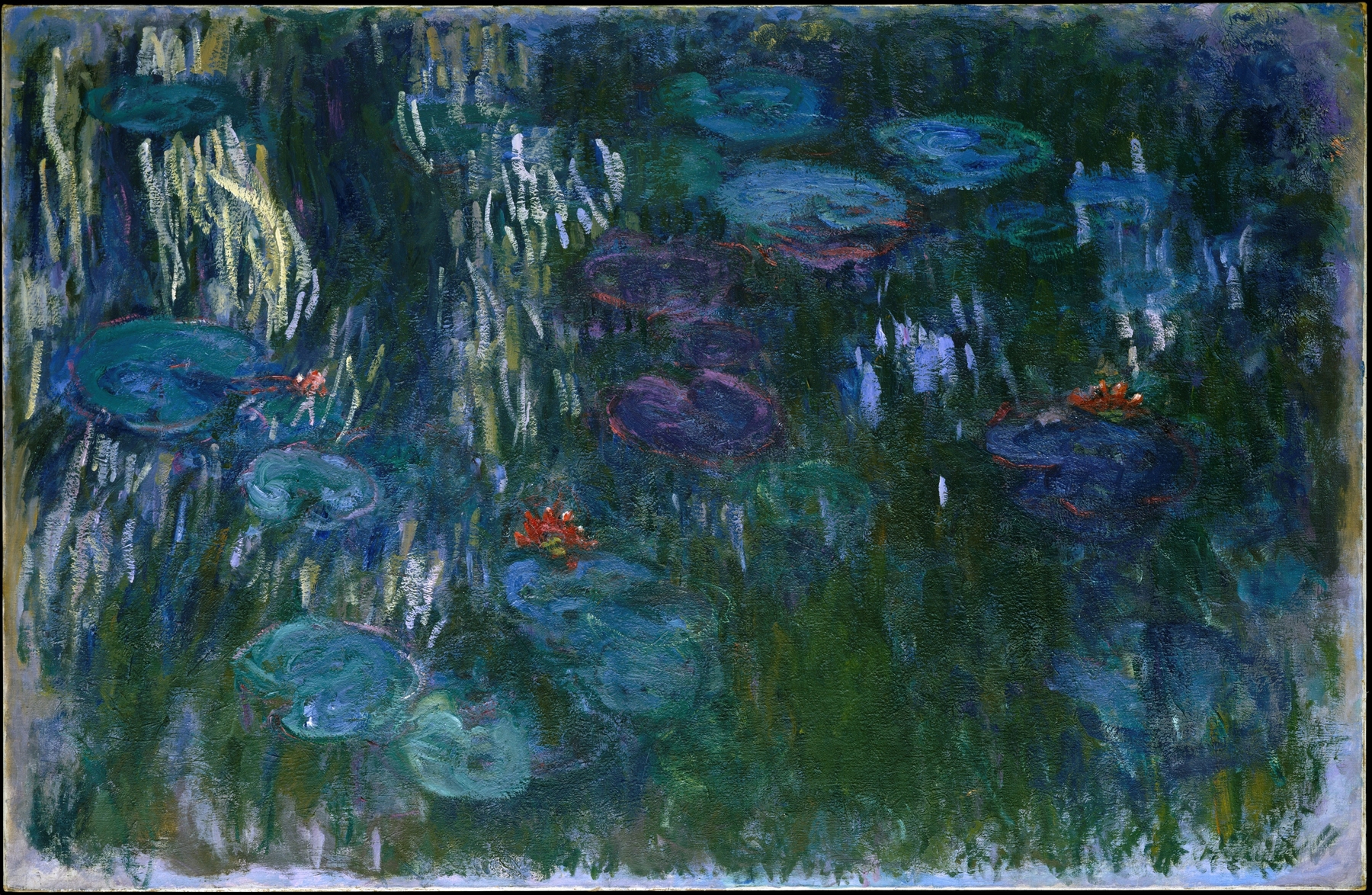
Water Lilies
Claude Monet
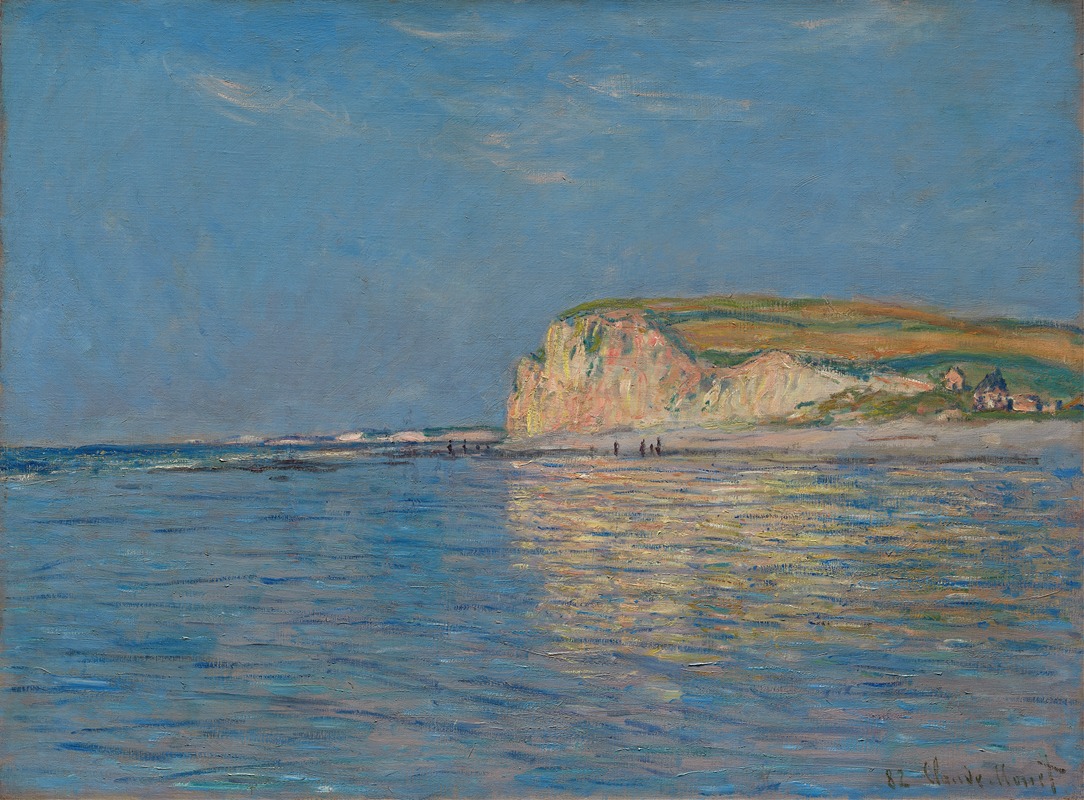
Low Tide at Pourville, near Dieppe
Claude Monet
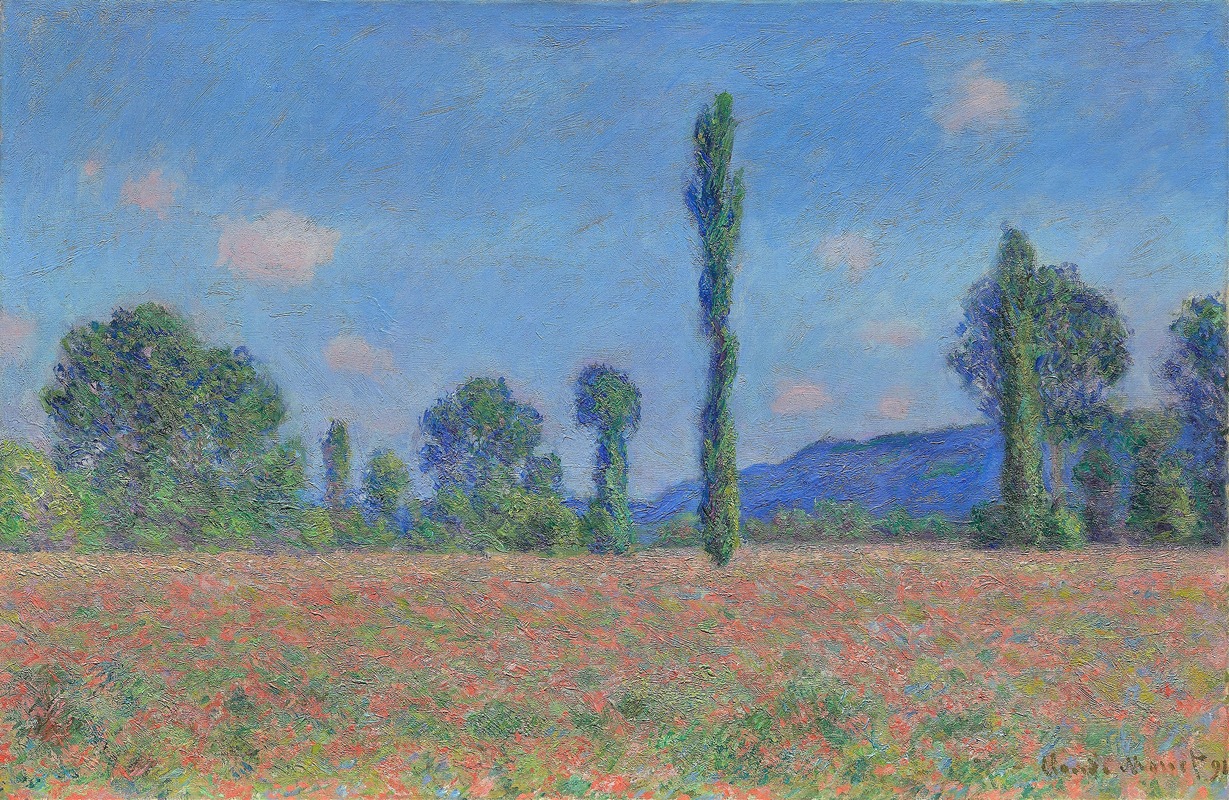
Poppy Field (Giverny)
Claude Monet
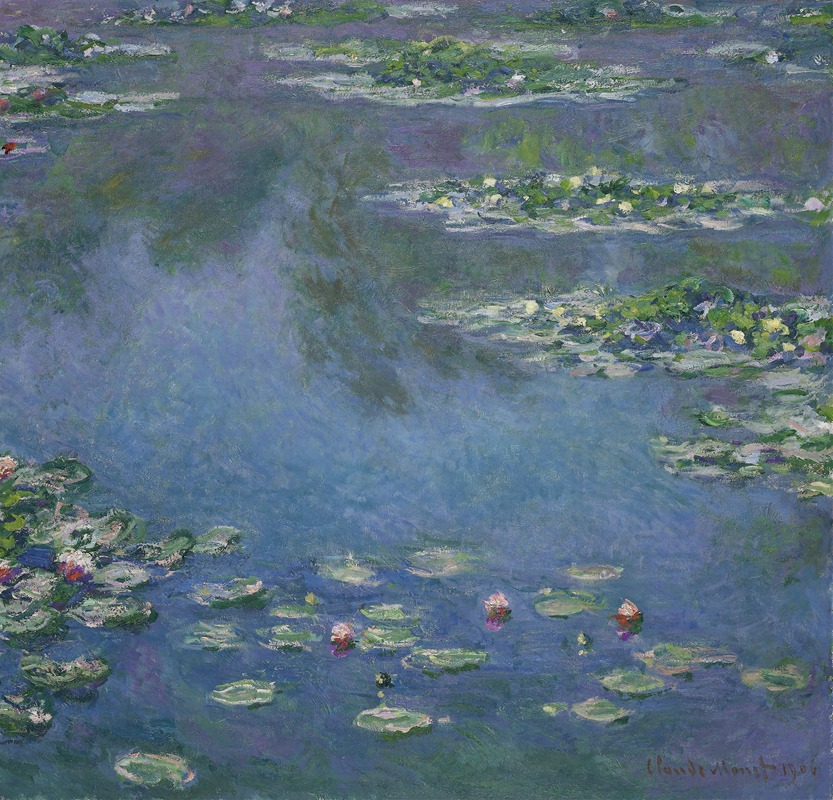
Water Lilies
Claude Monet
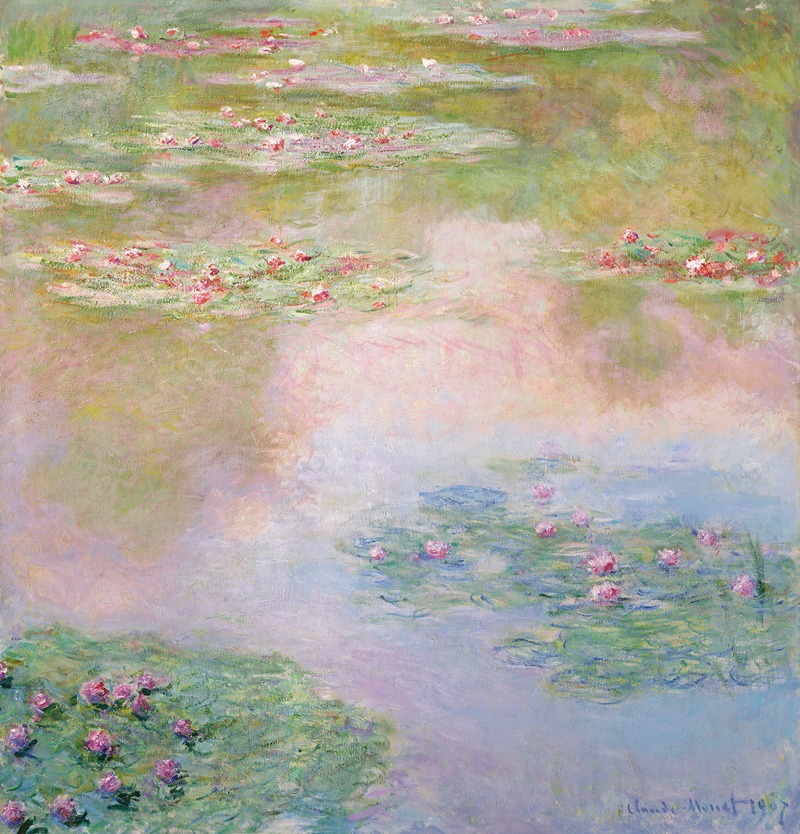
Nymphéas
Claude Monet
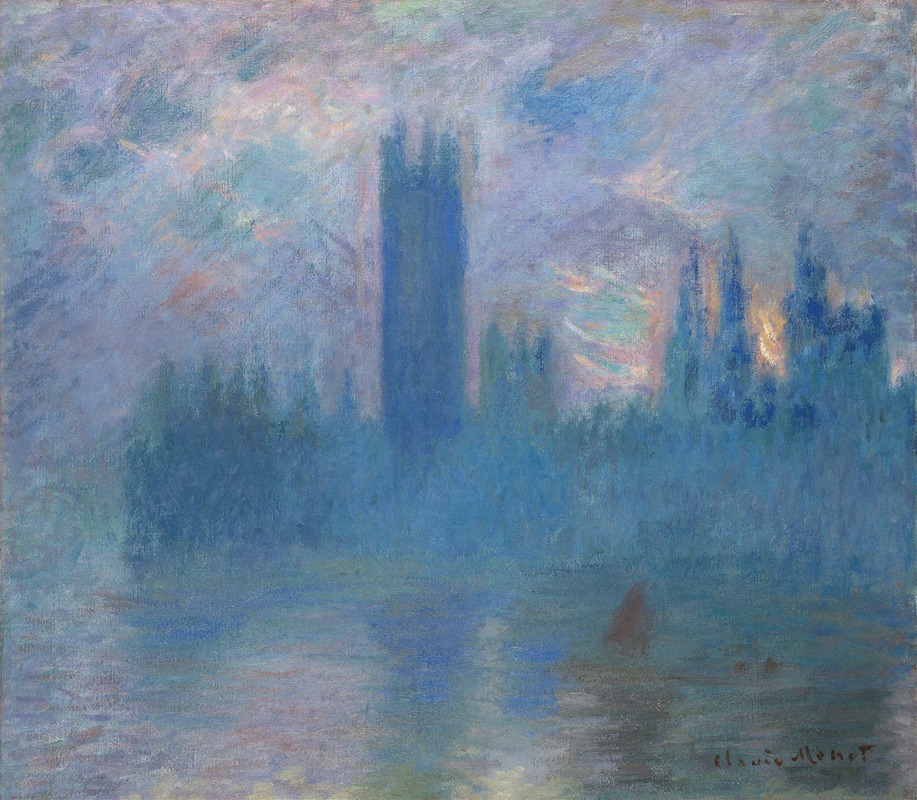
Houses of Parliament, London
Claude Monet
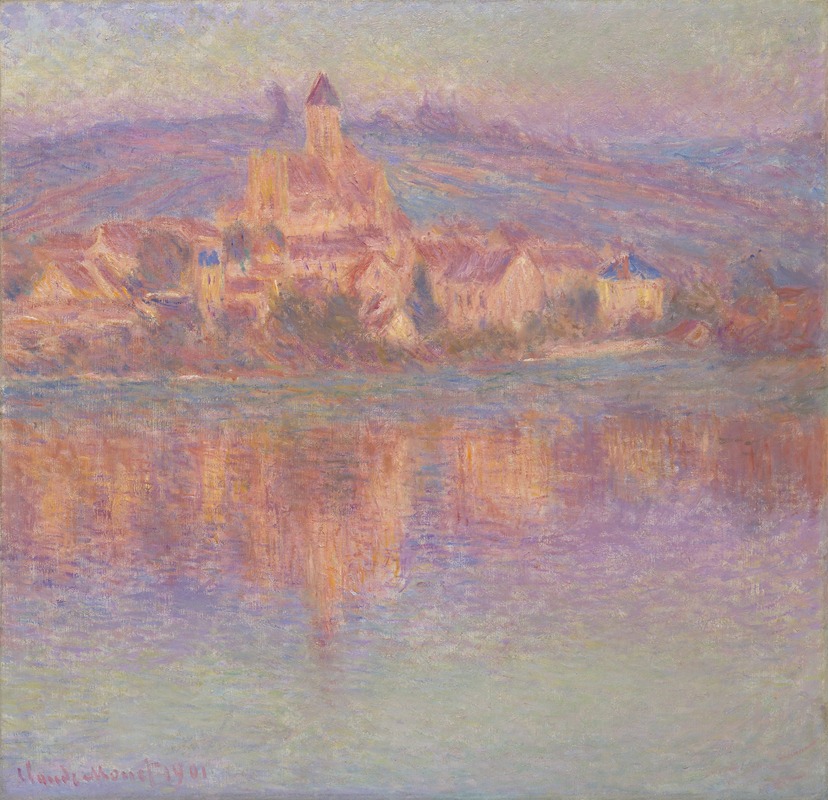
Vétheuil
Claude Monet
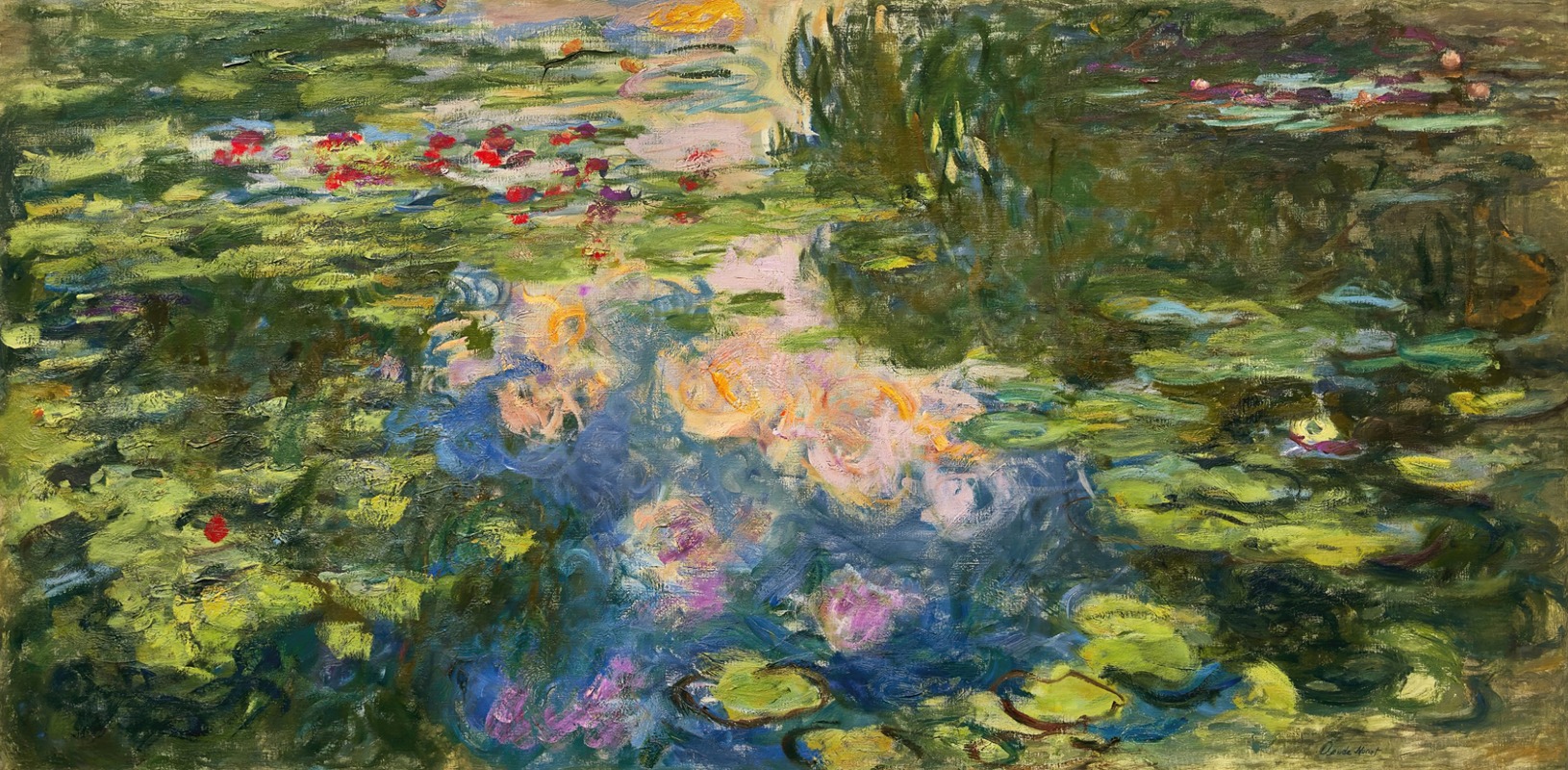
Le Bassin aux nymphéas
Claude Monet
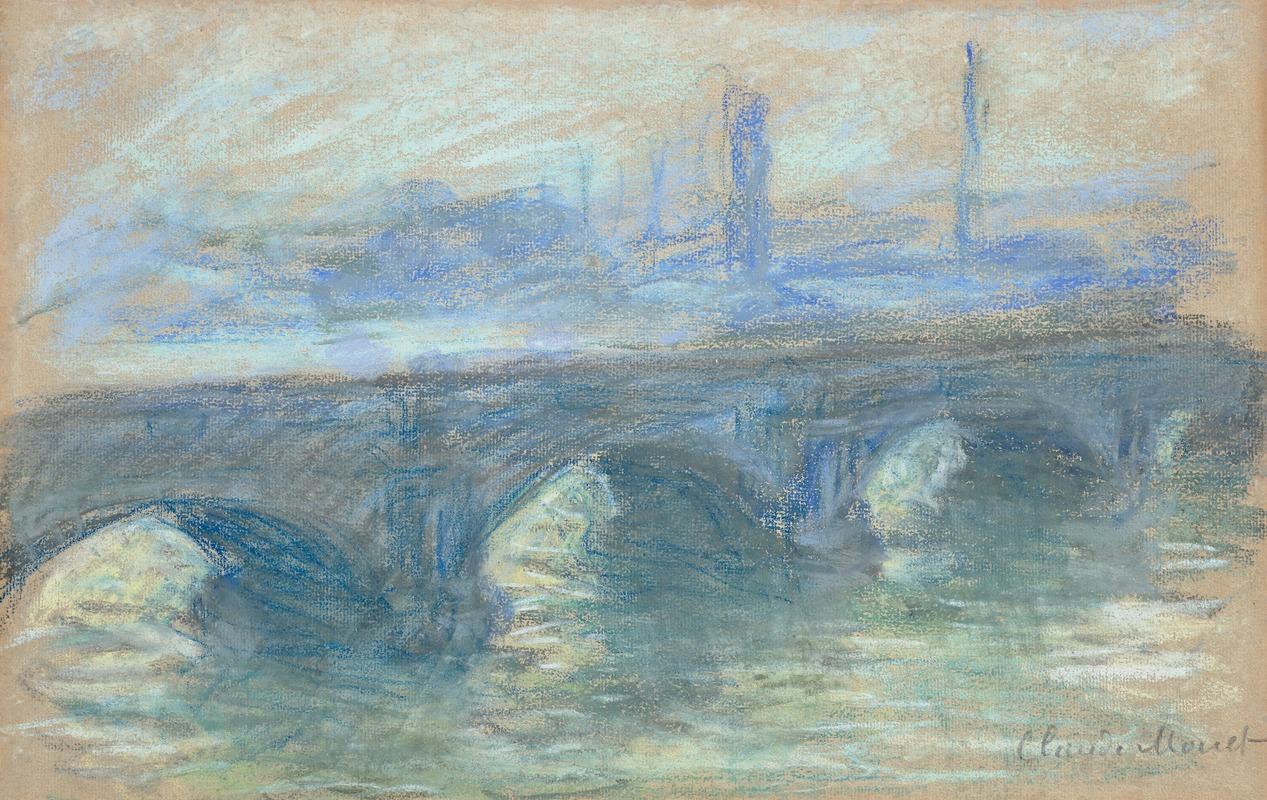
Waterloo Bridge
Claude Monet

Printemps à Giverny, effet d’après-midi
Claude Monet