Way to Atago — History & Analysis
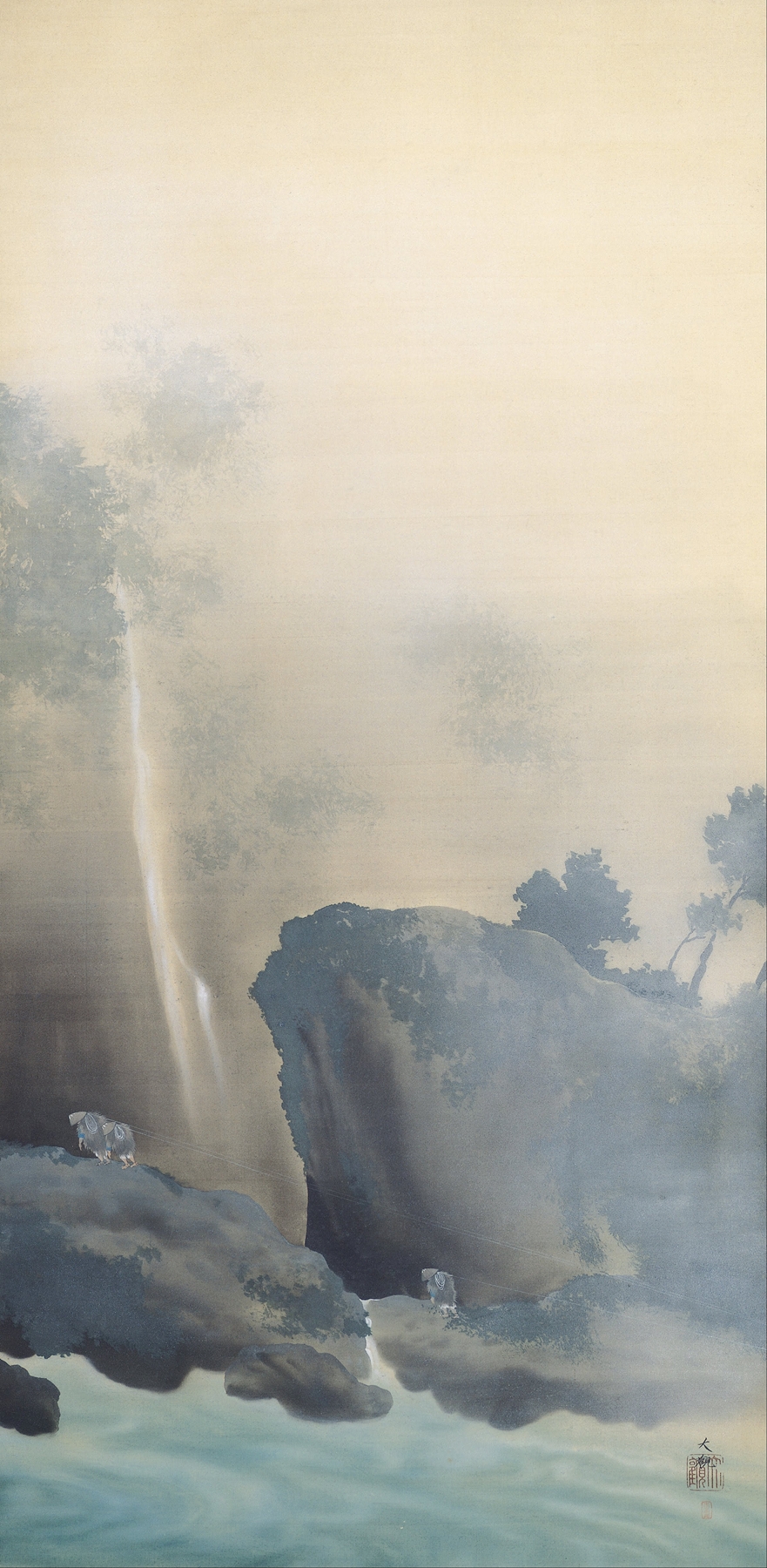
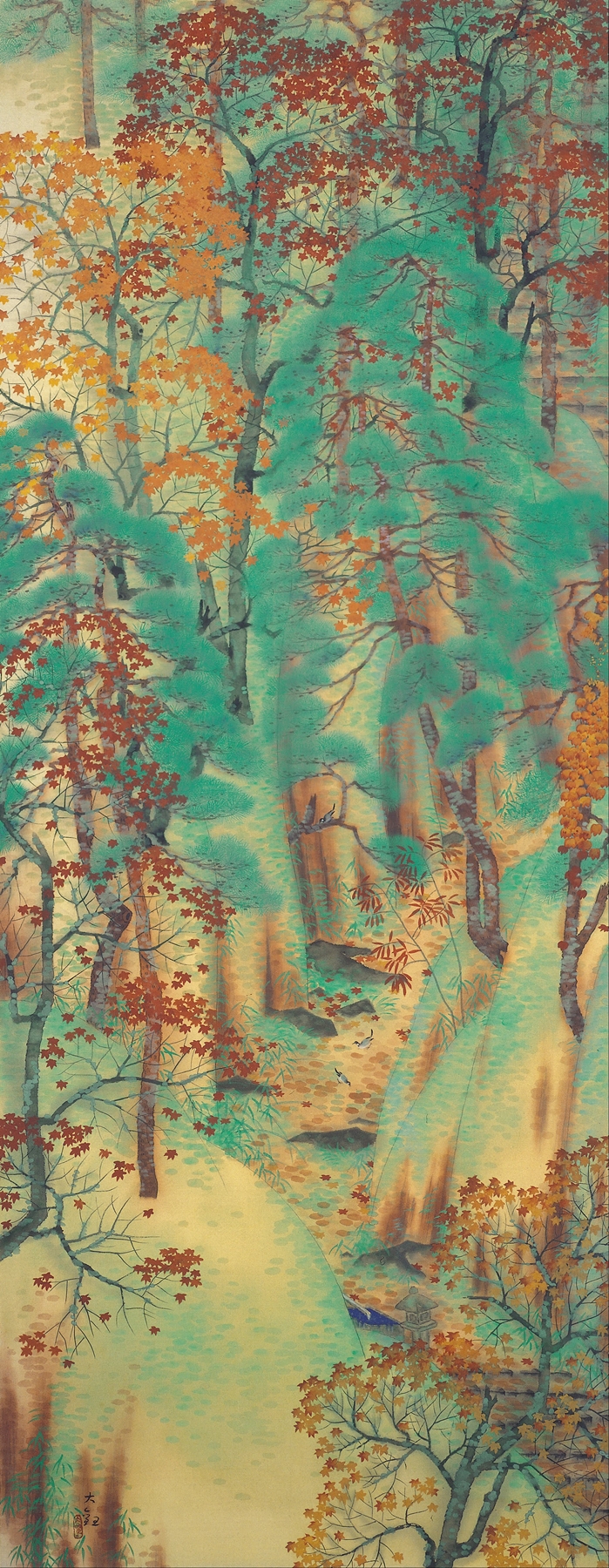
“To paint is to remember what time wants us to forget.” In this spirit, the artwork invites us to witness a moment of transformation, where past and present intertwine in a delicate dance. Look to the center of the canvas where the path winds gently upward, drawing your eye toward the serene silhouette of Atago Mountain. The soft pastel hues blend harmoniously, capturing the essence of dawn as light breaks gently over the landscape. Notice how the brushstrokes evoke movement; they mimic the shifting shadows of trees, creating an interplay between the solid earth and the ephemeral sky.
The muted colors invite contemplation, offering a tranquil yet profound visual experience. Beneath this serene exterior lies a narrative of transition. The winding path symbolizes the journey of life, with each bend holding stories untold, and the rising sun represents hope and renewal. The contrast between the darkened valleys and the illuminated peaks speaks to the duality of existence—joy intertwined with struggle.
Hidden details, such as the distant figures walking along the path, remind us that transformation is both a personal and shared experience, echoing the universal quest for enlightenment and belonging. In 1921, Taikan painted this masterpiece during a time of great change in Japan, as the country was navigating the tensions between tradition and modernity. Working in the Nihonga style, which sought to fuse Western techniques with Japanese aesthetics, he captured the essence of the landscape while invoking a sense of spiritual reflection. This artwork stands as a testament to his ability to convey depth and emotion amid a rapidly transforming world.