
When Will You Marry? — History & Facts
Two Tahitian women sit close together on the grass in the foreground. The one in front sits sideways with a white flower behind her ear, wearing a pale green wrap over one shoulder and a red skirt with yellow patterns; her bare feet rest on a green patch of grass. Behind her sits a woman in a high-necked pink dress with white trim and a white collar necklace, looking out at us with a serious face.
Behind them lie a yellow field, a dark hill and a blue pool, with two small figures far off at the left. The Tahitian title is written at the bottom right. No source names the two women. Paul Gauguin painted the picture in 1892, during his first stay in Tahiti; its title, Nafea faa ipoipo, asks 'When will you marry?' It belonged to the family trust of the Swiss collector Rudolf Staechelin, whose grandfather assembled the collection mostly during and after the First World War, and hung on loan at the Kunstmuseum Basel for almost 50 years.
In February 2015 the trust sold it privately, for a reported price of nearly $300 million, then the highest ever reported for an artwork. The buyer was reported to be in Qatar, which was never confirmed. It is in a private collection.
Sources: Wikidata Q3869871 · Wikipedia: When Will You Marry? · Image source (Wikimedia Commons)
More Artworks by Paul Gauguin

Self Portrait
Paul Gauguin
Three Tahitian Women
Paul Gauguin
Where Do We Come From? What Are We? Where Are We Going?
Paul Gauguin
Merahi metua no Tehamana
Paul Gauguin

Nave Nave Mahana
Paul Gauguin

Fatata te Miti (By the Sea)
Paul Gauguin
Three Tahitians
Paul Gauguin
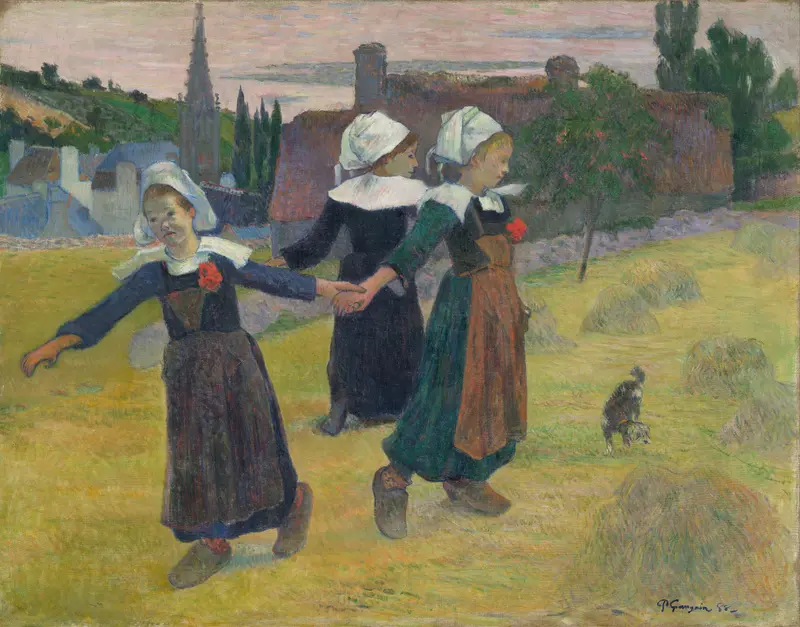
Breton Girls Dancing,Pont-Aven
Paul Gauguin
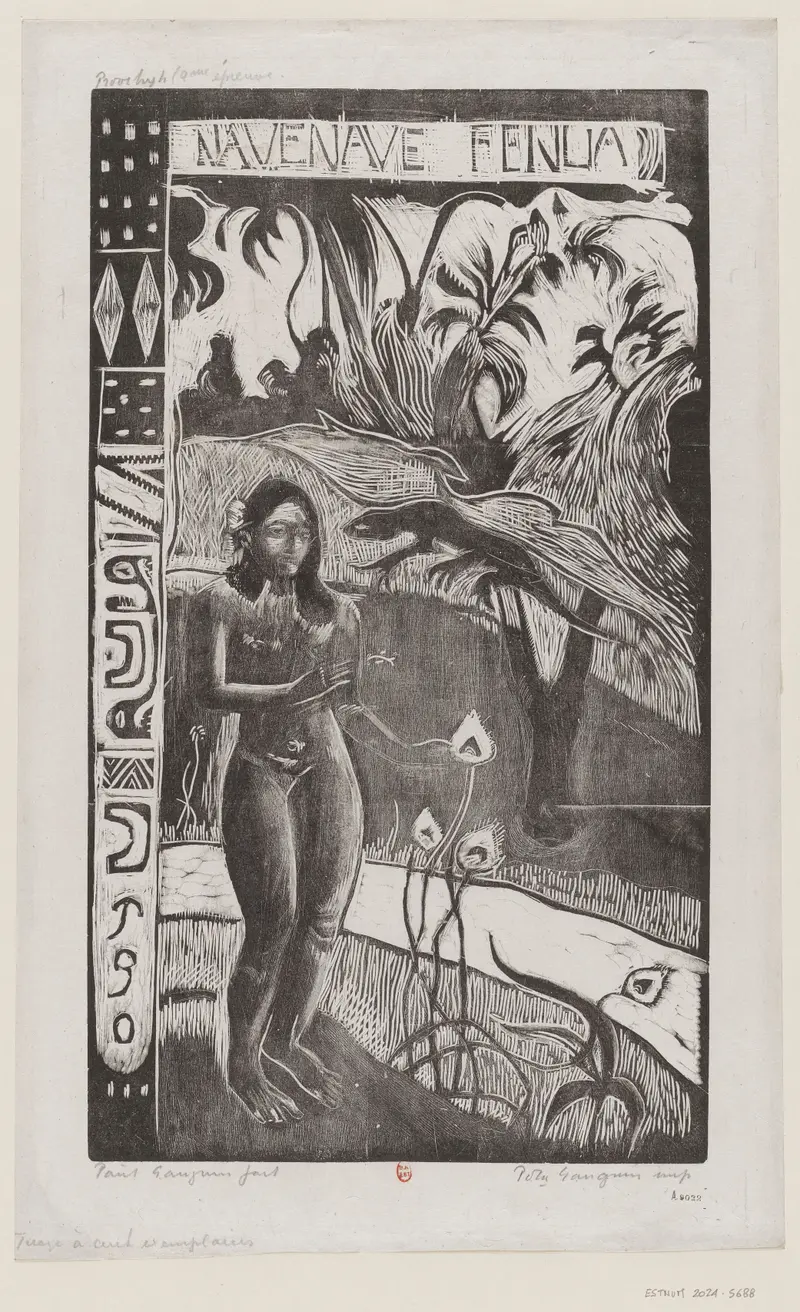
Nave Nave Fenua
Paul Gauguin
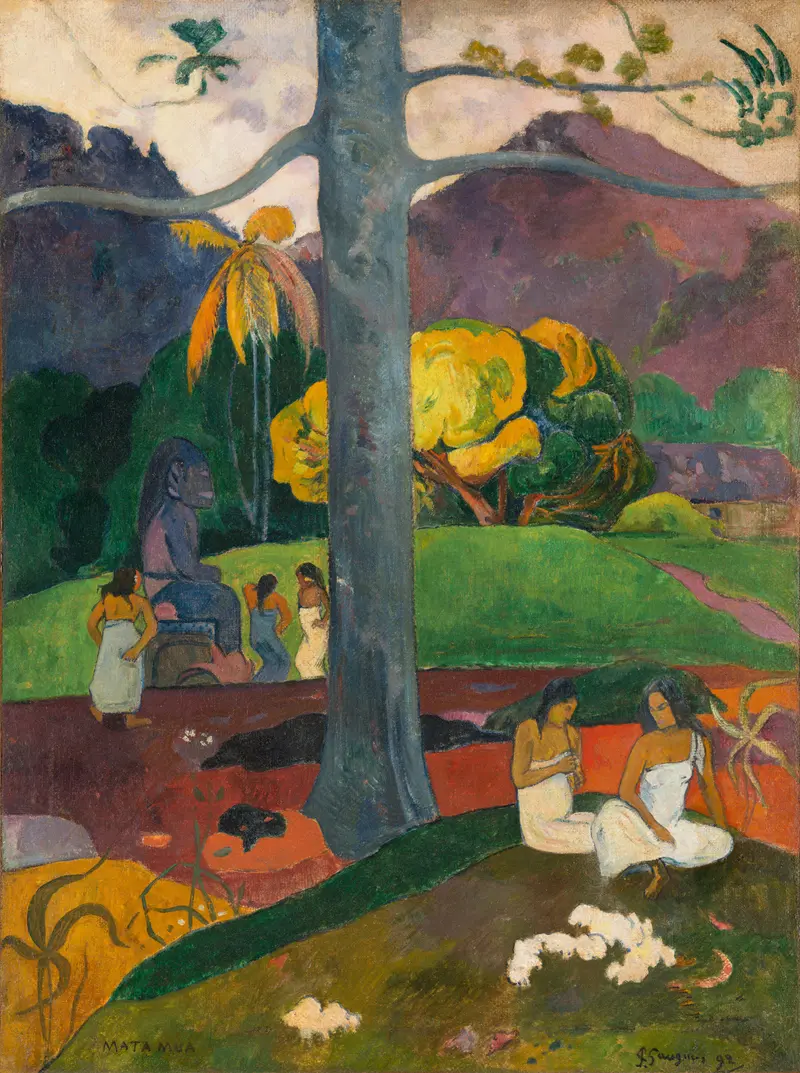
Mata Mua
Paul Gauguin
More Genre Scene Art

Banquet of the Officers of the St George Civic Guard
Frans Hals

Rembrandt and Saskia in the Scene of the Prodigal Son
Rembrandt van Rijn
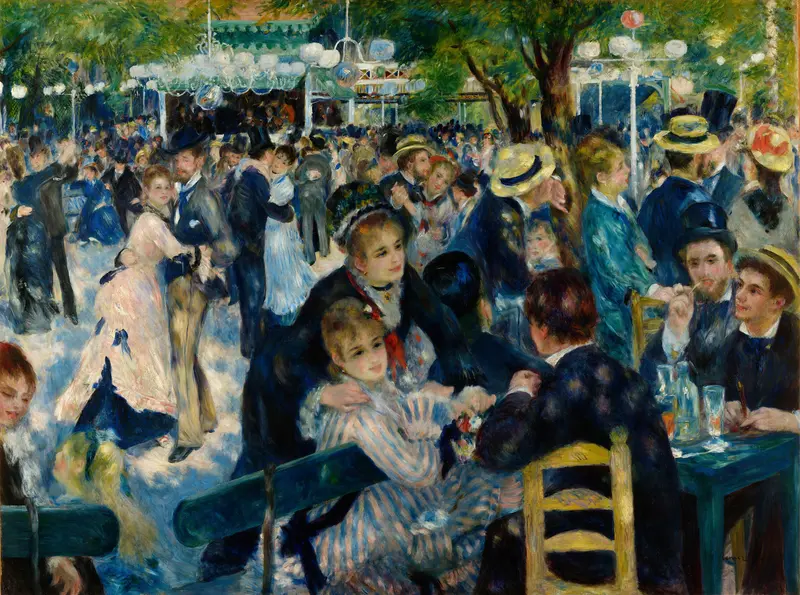
Bal du moulin de la Galette
Pierre-Auguste Renoir

Quadrille at the Moulin Rouge
Henri de Toulouse-Lautrec

A Burial at Ornans
Gustave Courbet

A Philosopher Lecturing on the Orrery
Joseph Wright of Derby