
Winter Landscape — History & Facts
A lone figure on crutches, dwarfed by the vastness of a snowbound world, draws the viewer’s eye into the heart of Winter Landscape by Caspar David Friedrich. The hush of the scene is immediate: the snow muffles sound, the bare trees stand like sentinels, and the sky presses down, heavy and pale. The figure’s halted progress and bowed head invite us to wonder—are they seeking shelter, or something more elusive? Behind them, a ruined Gothic arch rises from the white, its pointed window framing emptiness, while in the far distance, a faint cross emerges from the mist.
Every detail feels deliberate: the crutches signal hardship, the ruin hints at lost grandeur, and the distant cross, barely visible, offers a glimmer of hope or faith beyond the present struggle. Painted probably in 1811, this work belongs to a moment when artists like Friedrich turned landscape into a stage for the inner life. In early nineteenth-century Germany, such images were not just records of place but meditations on mortality, faith, and the search for meaning. The Romantic movement—of which Friedrich was a leading figure—favored solitude, ruins, and nature’s overwhelming scale, often for private collectors who prized paintings as windows onto the soul.
Today, Winter Landscape resides in the National Gallery, London, a quiet testament to a world where winter’s silence could speak of both despair and the faintest promise of renewal. Let your gaze linger on the horizon, and see where it leads.
More Artworks by Caspar David Friedrich

The Sea of Ice
Caspar David Friedrich
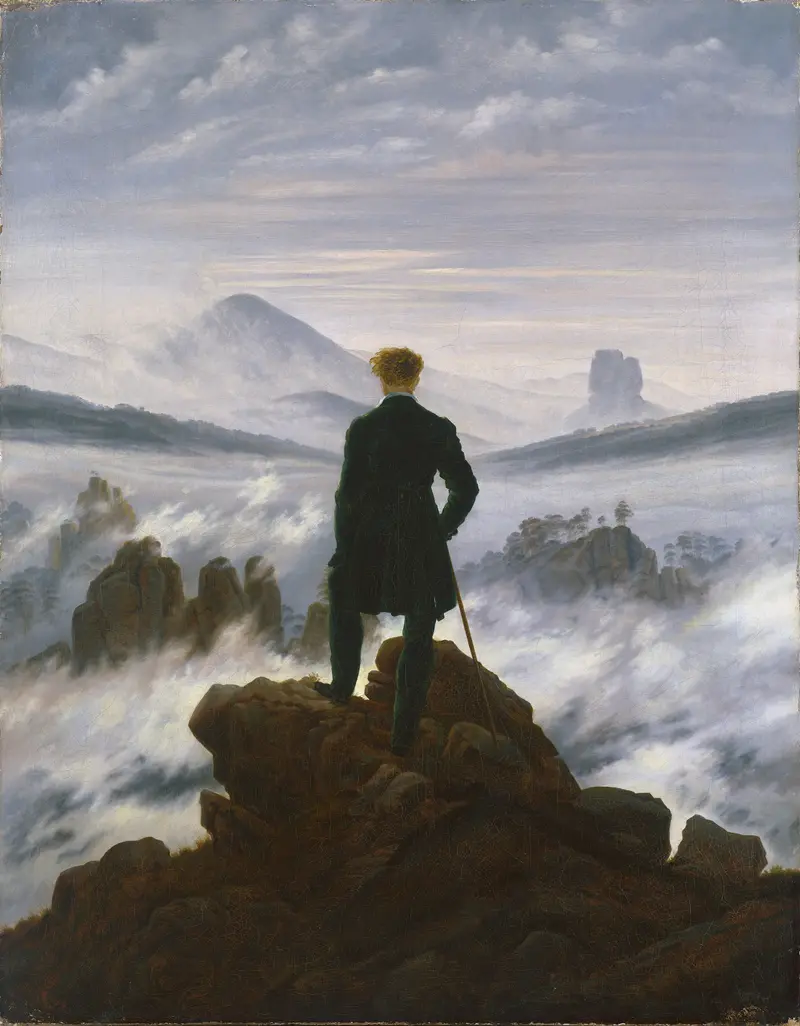
Wanderer above the Sea of Fog
Caspar David Friedrich
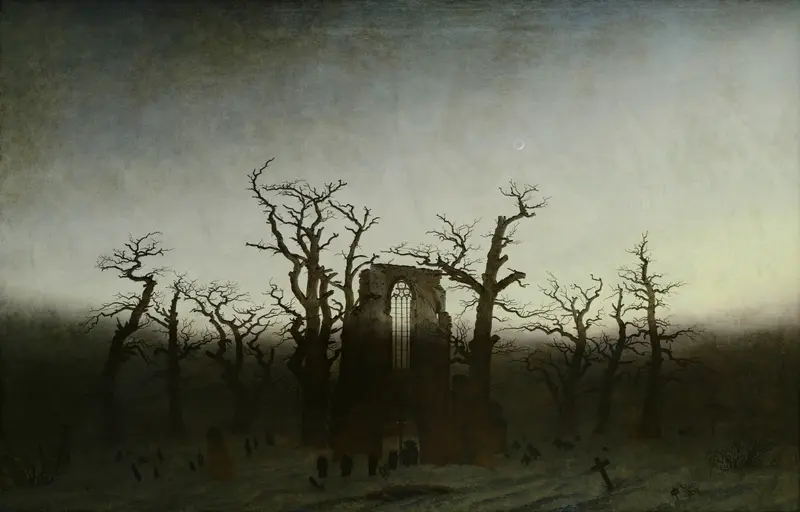
The Abbey in the Oakwood
Caspar David Friedrich
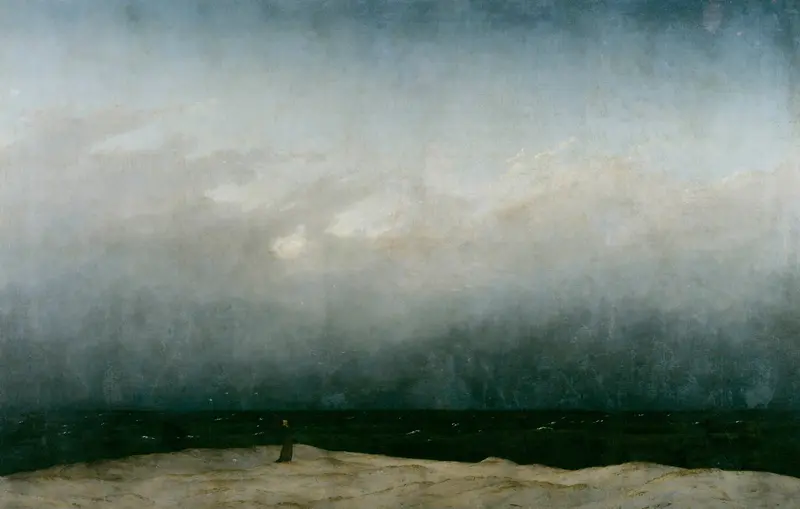
The Monk by the Sea
Caspar David Friedrich
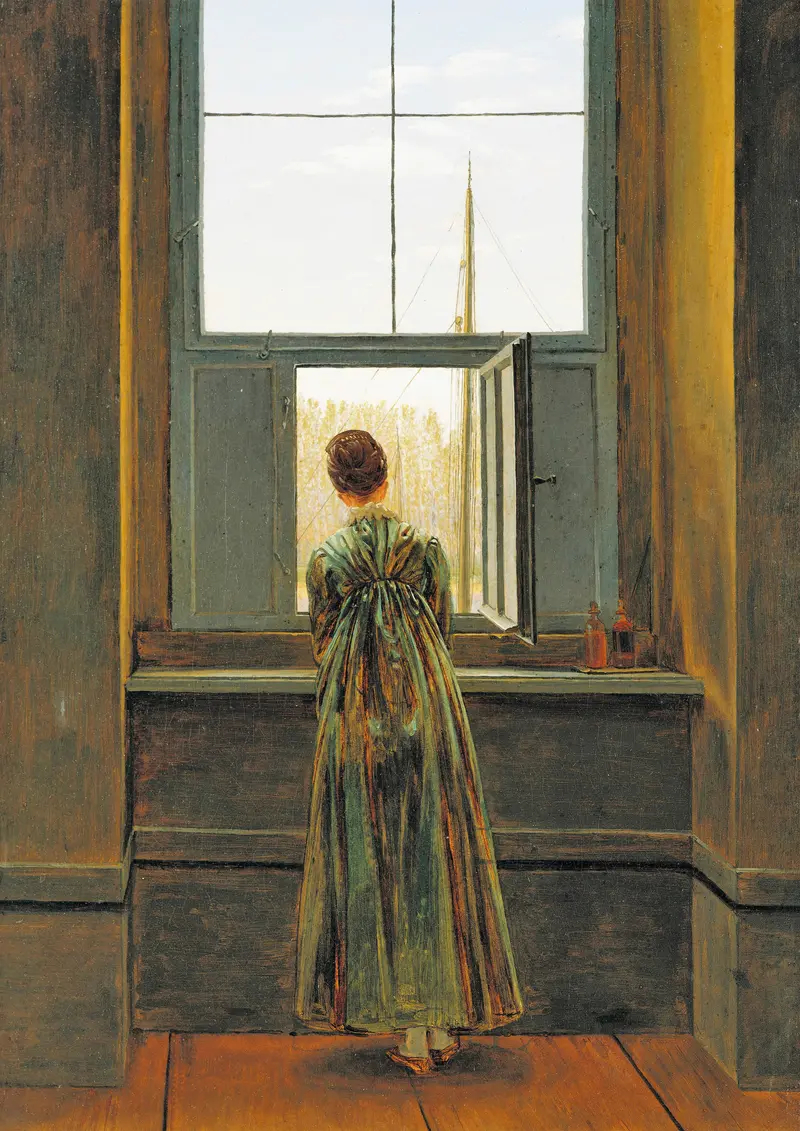
Woman at a Window
Caspar David Friedrich
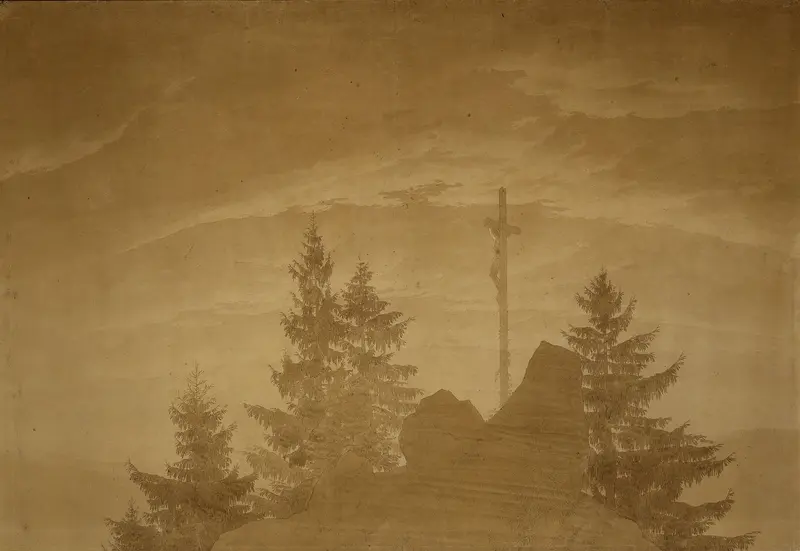
Cross in the Mountains
Caspar David Friedrich
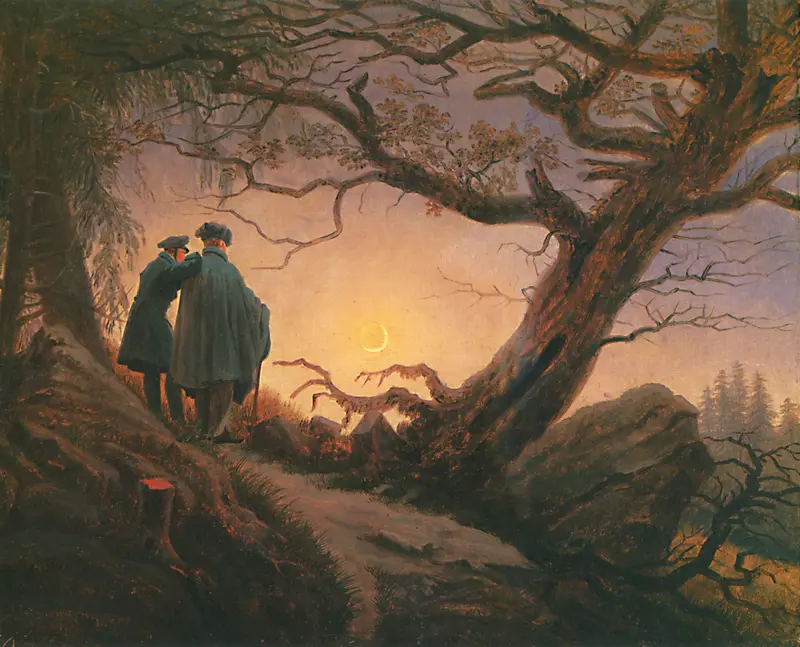
Two Men Contemplating the Moon
Caspar David Friedrich
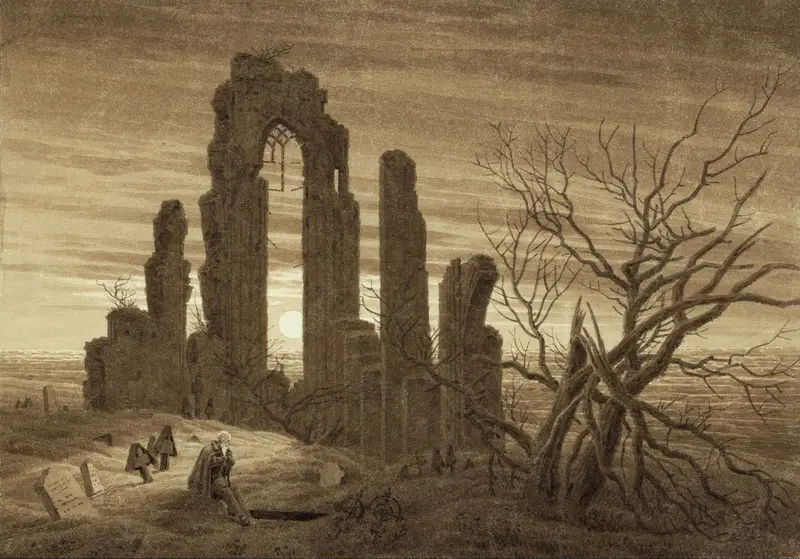
Winter – Night – Old Age and Death (from the times of day and ages of man cycle of 1803)
Caspar David Friedrich
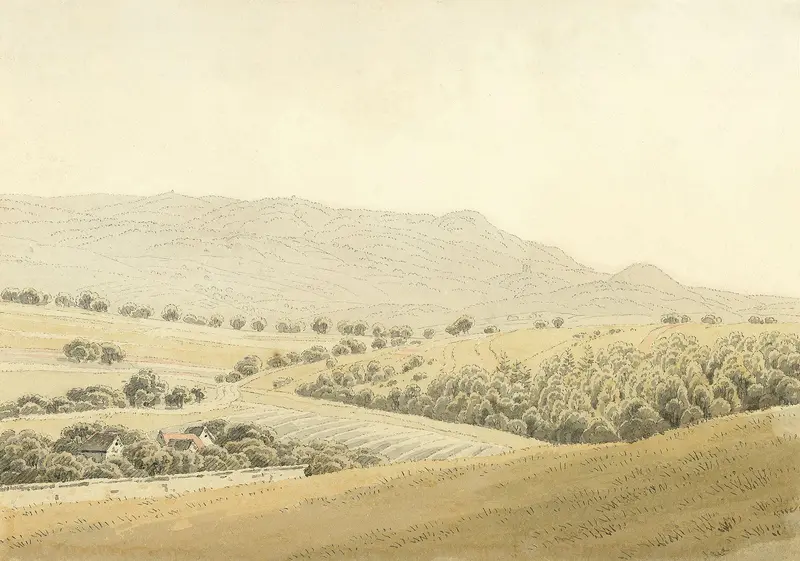
Mittelgebirgslandschaft
Caspar David Friedrich

Landschaft mit gebirgsee, morgen
Caspar David Friedrich
More Landscape Art

The Starry Night
Vincent van Gogh

View of Delft
Johannes Vermeer

Water Lilies
Claude Monet

The Grand Canal, Venice, looking north-west from the Ca' Corner to the Ca' Contarini degli Scrigni, with the campanile of Santa Maria della Carità
Canaletto

Windsor Castle
Canaletto

The Grand Canal looking North-East from the Palazzo Dolfin-Manin to the Rialto Bridge
Canaletto