
Page from a Manuscript with Diagrams Protecting against Children's Illnesses — Historia y Análisis
¿Puede un solo trazo de pincel contener la eternidad? En un mundo donde la infancia es un momento efímero, esta obra de arte sirve como un recordatorio del profundo anhelo de protección y seguridad frente a la enfermedad. Observa de cerca los intrincados diagramas que bailan a través de la página; las líneas y símbolos cuidadosamente trazados guían tu mirada a través de un laberinto de esperanza y miedo. Nota cómo el artista emplea colores suaves y apagados, evocando un sentido de reverencia y ternura.
Cada ilustración está meticulosamente posicionada, creando un ritmo que invita al espectador a explorar la interacción entre la vida y la fragilidad de la juventud. Dentro de los diagramas reside una tensión emocional que habla del deseo universal de proteger a nuestros seres más queridos. La yuxtaposición de ilustraciones delicadas y el peso de su propósito evoca una nostalgia agridulce, un anhelo por un tiempo en el que la inocencia estaba protegida de las duras realidades de la enfermedad.
La cuidadosa atención al detalle sugiere un profundo cuidado, revelando cómo, en este contexto del siglo XIX, el artista se inspiró en la lucha universal de padres y tutores. Creado en el Tíbet durante un período en el que las prácticas de curación tradicionales eran una parte vital de la vida, este manuscrito encapsula un momento en el que el arte y la medicina se entrelazan. El artista, navegando en un mundo impregnado de creencias espirituales y rituales culturales, buscó preservar conocimientos que pudieran ofrecer consuelo en medio de las incertidumbres de la enfermedad infantil.
Esta obra se erige como un testimonio de una época en la que cada trazo de pincel estaba impregnado de esperanza, atado al deseo de un mañana más saludable.
Más obras de Tibet
Ver todo →
Painted Banner (Thangka) of Green Tara Surrounded by Twenty Manifestations
Tibet

Altar Table with Mandala of Amitayus, the Buddha of Infinite Life
Tibet

Painted Banner (Thangka) from a Set of Seven Portraying the Sixteen Arhats (Elders), Early Disciples of the Historical Buddha Shakyamuni
Tibet

Painted Banner (Thangka) of Amitayus Buddha Surrounded by One Hundred Buddhas
Tibet

Painted Banner (Thangka) of Dharmatala from a Set of Seven Portraying the Sixteen Arhats (Elders), Early Disciples of the Historical Buddha Shakyamuni
Tibet

Milarepa on Mount Kailash
Tibet

Painted Banner (Thangka) from a Set of Seven Portraying the Sixteen Arhats (Elders), Early Disciples of the Historical Buddha Shakyamuni
Tibet

Painted Banner (Thangka) with Guru Dragpur, a Wrathful Form of Padmasambhava
Tibet

Painted Banner (Thangka) of Hvashang, from a Set of Seven Portraying the Sixteen Arhats (Elders), Early Disciples of the Historical Buddha Shakyamuni
Tibet

Painted Banner (Thangka) of Sage Guru Padmasambhava Seated Holding a Thunderbolt (Vajra) and Skull Cup (Kapala)
Tibet
Más arte de Ilustración
Ver todo →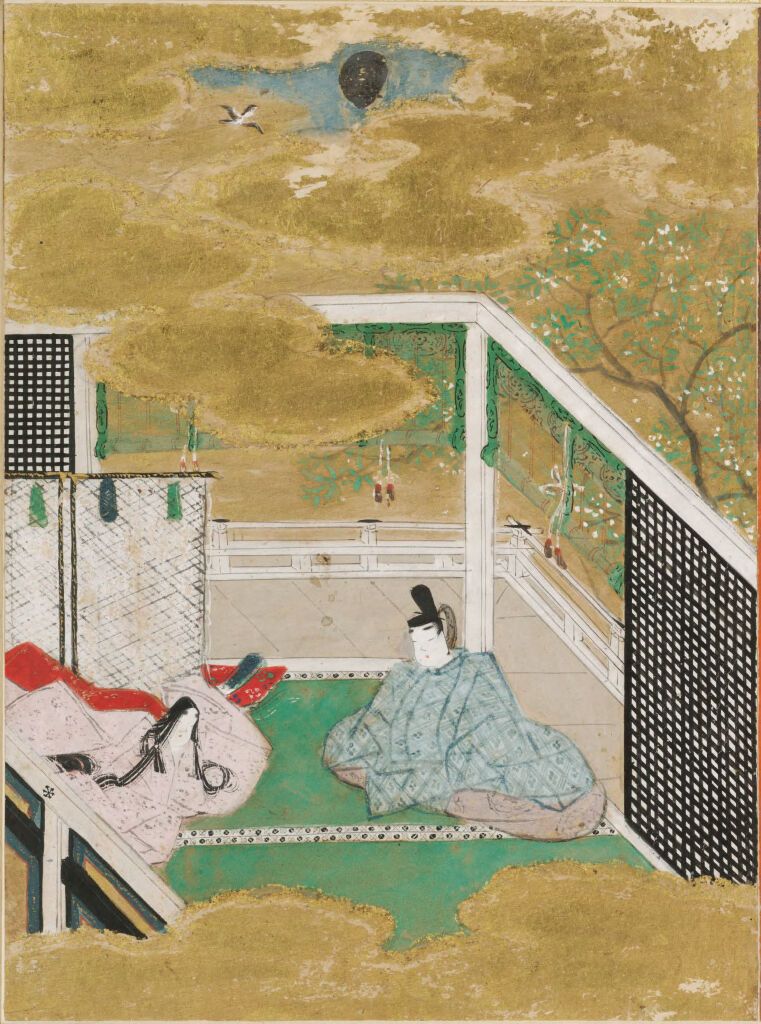
Falling Flowers (Hanachirusato), Illustration to Chapter 11 of the Tale of Genji (Genji monogatari)
Tosa Mitsunobu
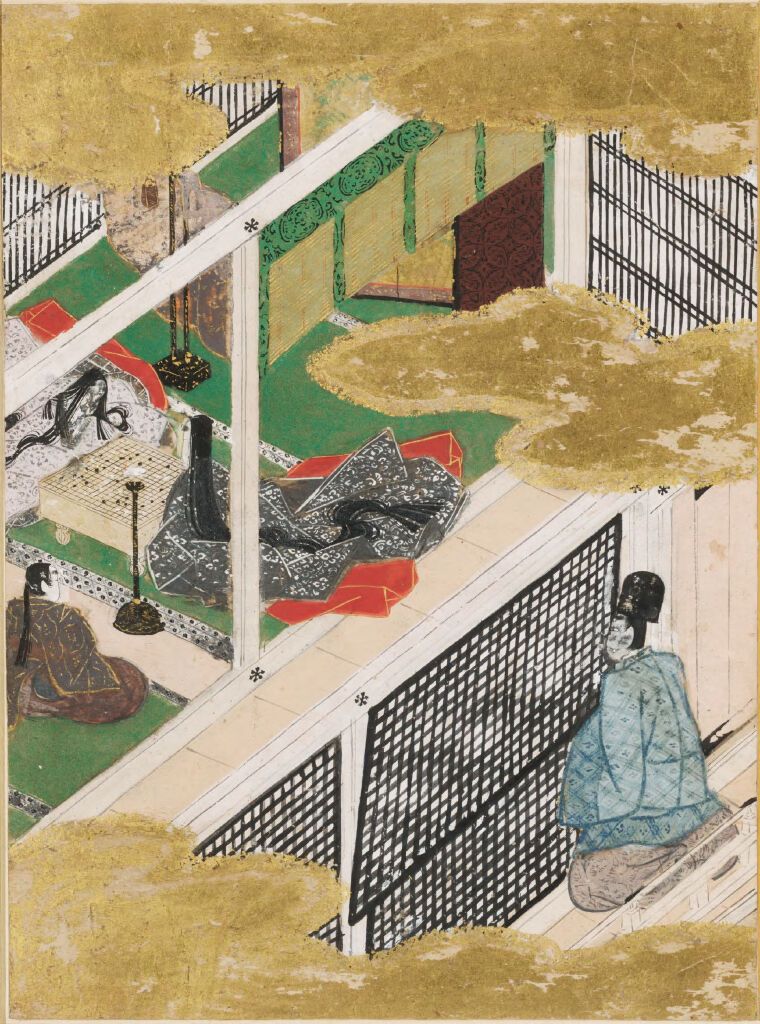
The Cicada Shell (Utsusemi), Illustration to Chapter 3 of the Tale of Genji (Genji monogatari)
Tosa Mitsunobu
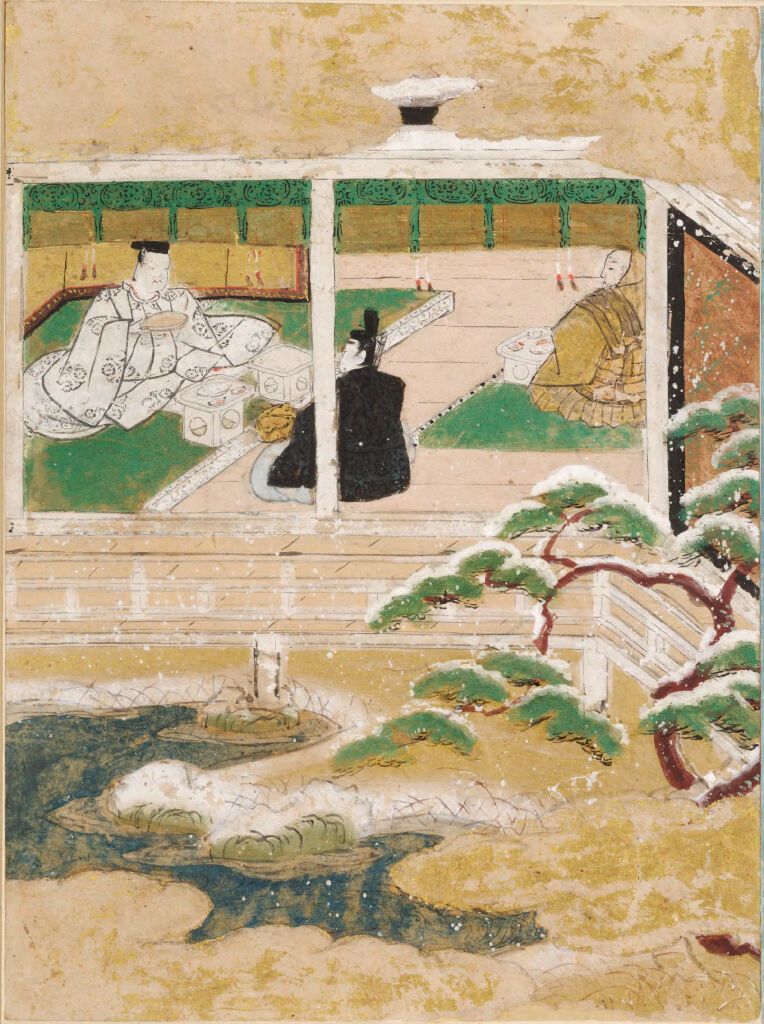
The Seer (Maboroshi), Illustration to Chapter 41 of the Tale of Genji (Genji monogatari)
Tosa Mitsunobu
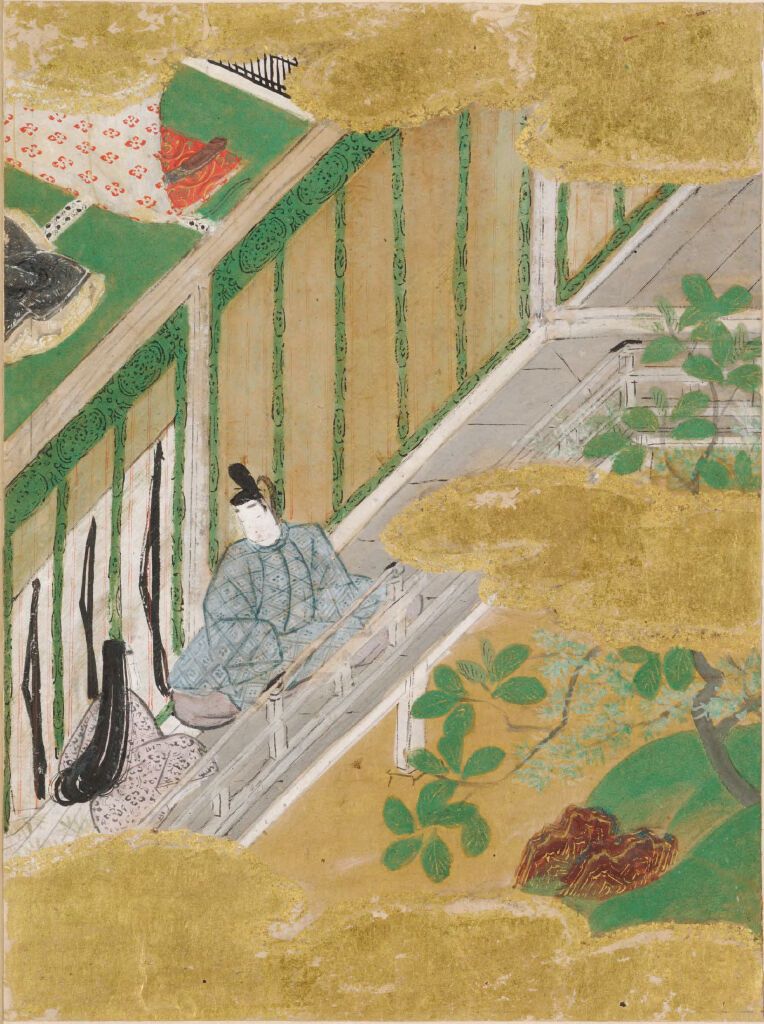
The Oak Tree (Kashiwagi), Illustration to Chapter 36 of the Tale of Genji (Genji monogatari)
Tosa Mitsunobu
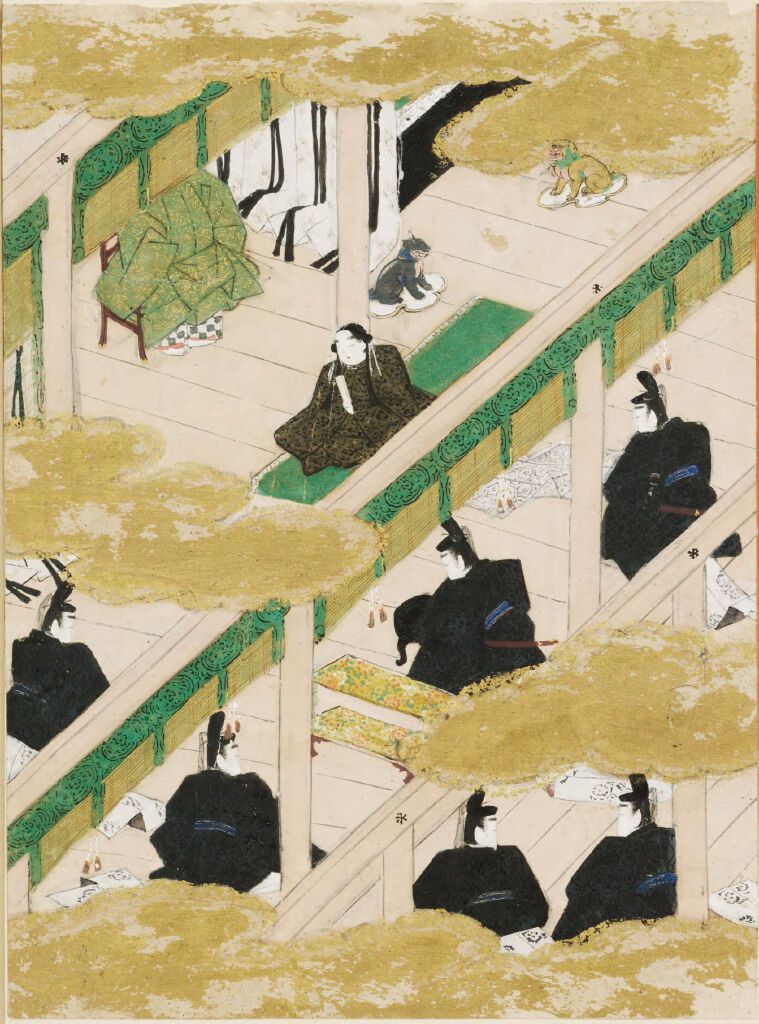
The Paulownia Pavilion (Kiritsubo), Illustration to Chapter 1 of the Tale of Genji (Genji monogatari)
Tosa Mitsunobu
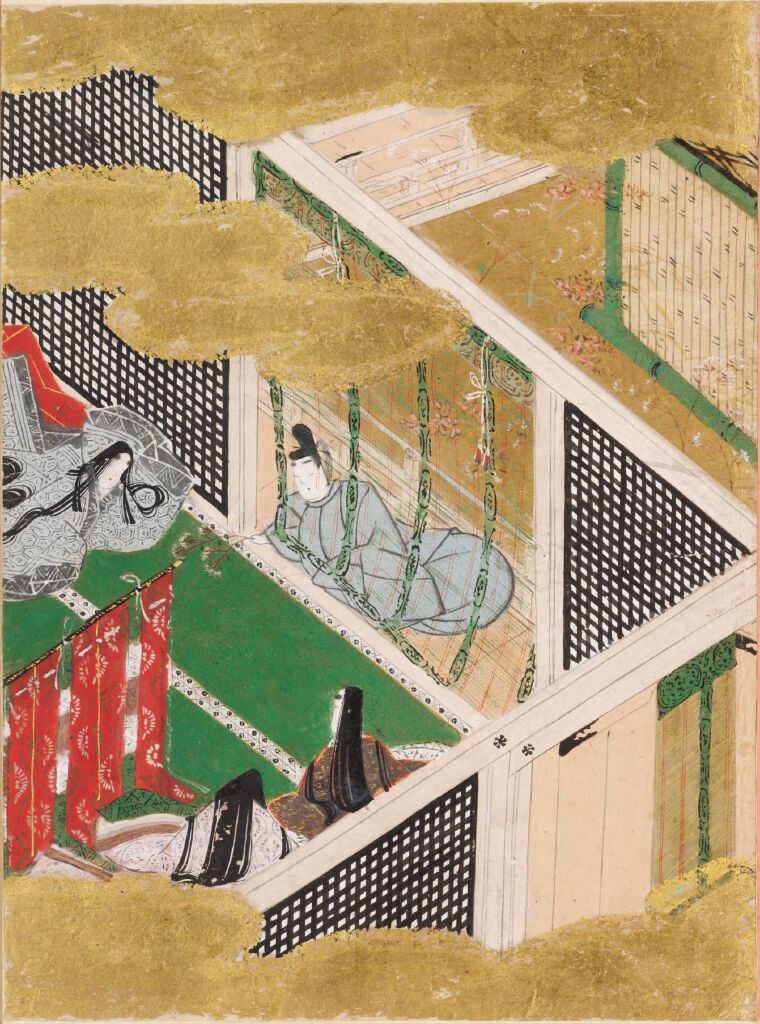
Thoroughwort Flowers (Fujibakama), Illustration to Chapter 30 of the Tale of Genji (Genji monogatari)
Tosa Mitsunobu