Scopri informazioni su quest'opera
Temple de Molière, pavillon de l’ancienne propriété Choiseul Praslin, 57 avenue Théophile Gautier — Storia e analisi
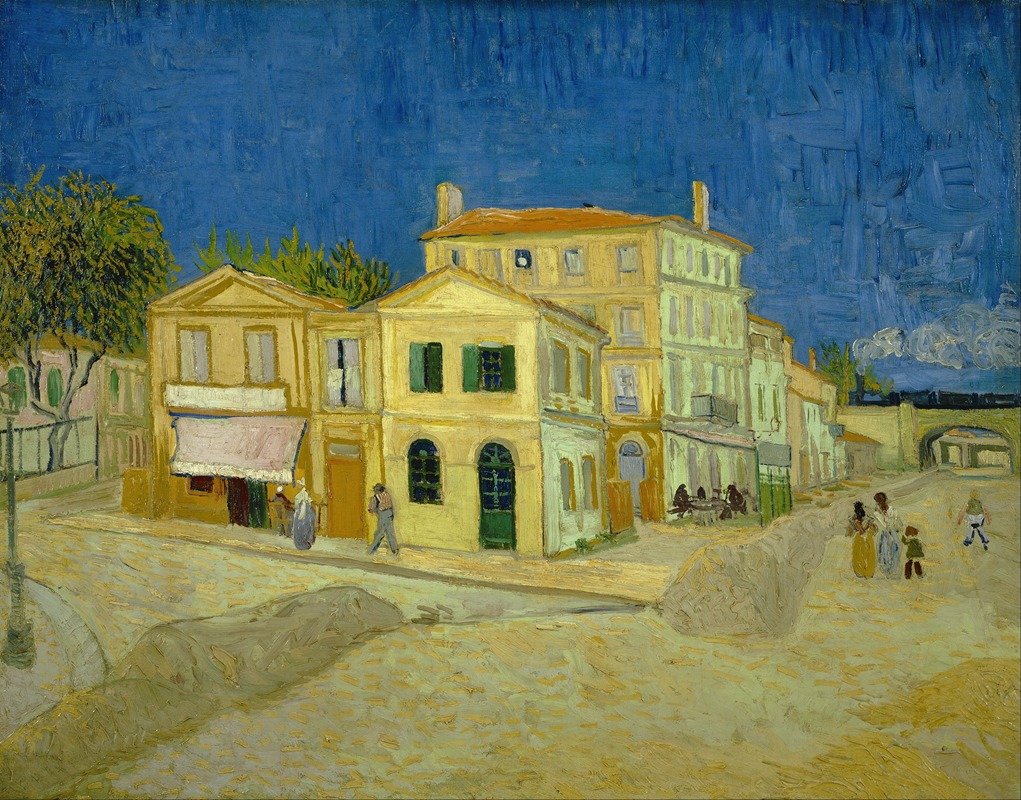
In the delicate interplay of memory and presence, a profound reflection arises, capturing the essence of fleeting moments and enduring beauty. Look to the center of the canvas, where the pavilion stands majestically amid lush greenery. The structure, with its ornate detailing and soft hues, invites the viewer's gaze, while the surrounding foliage frames it like a cherished memory. Notice how the light dances across the surface, creating a gentle play of shadow and illumination that enhances the tranquility of the scene.
The artist's use of muted colors evokes nostalgia, drawing you deeper into an atmosphere that feels both timeless and intimate. Delve into the subtle contrasts within this piece. The serene stillness of the pavilion is juxtaposed with the vibrant life of nature encroaching around it, suggesting a tension between permanence and impermanence. Each brushstroke carries a whisper of stories untold, as if the walls themselves are witnesses to the passage of time.
The careful attention to detail, such as the reflection in the water nearby, evokes a sense of introspection, compelling the viewer to ponder on their own memories and experiences. Fédor Hoffbauer painted this work during a tumultuous period between 1915 and 1945, a time marked by both World Wars and significant shifts in the art world. Living in France, Hoffbauer navigated the complexities of a society emerging from conflict, seeking solace in the beauty of architecture and nature. His focus on capturing serene moments amidst chaos reflects a longing for stability and connection, making Temple de Molière a poignant testament to resilience and remembrance.
Altre opere di Fédor Hoffbauer
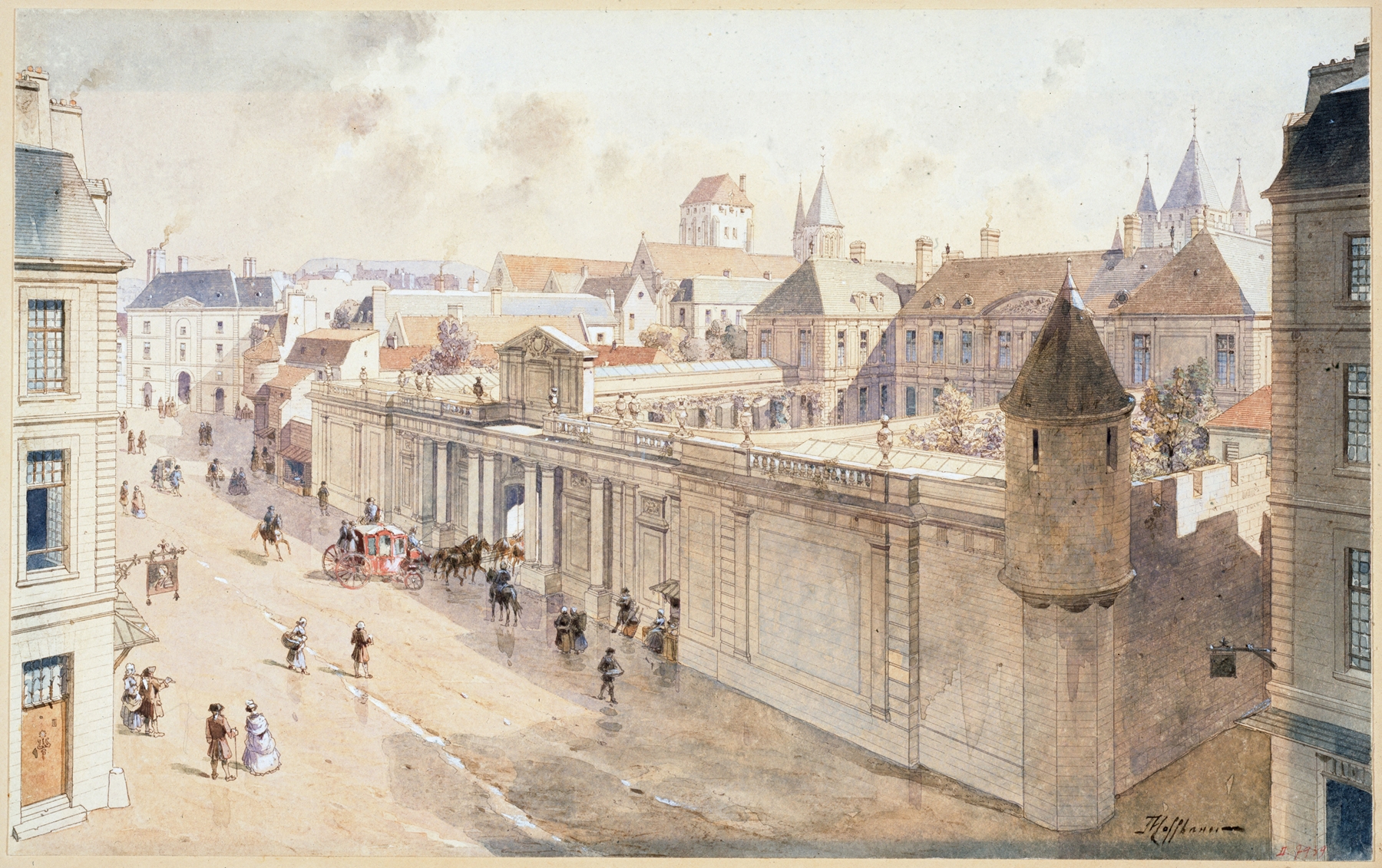
Le palais du Grand Prieur au Temple, en 1770
Fédor Hoffbauer
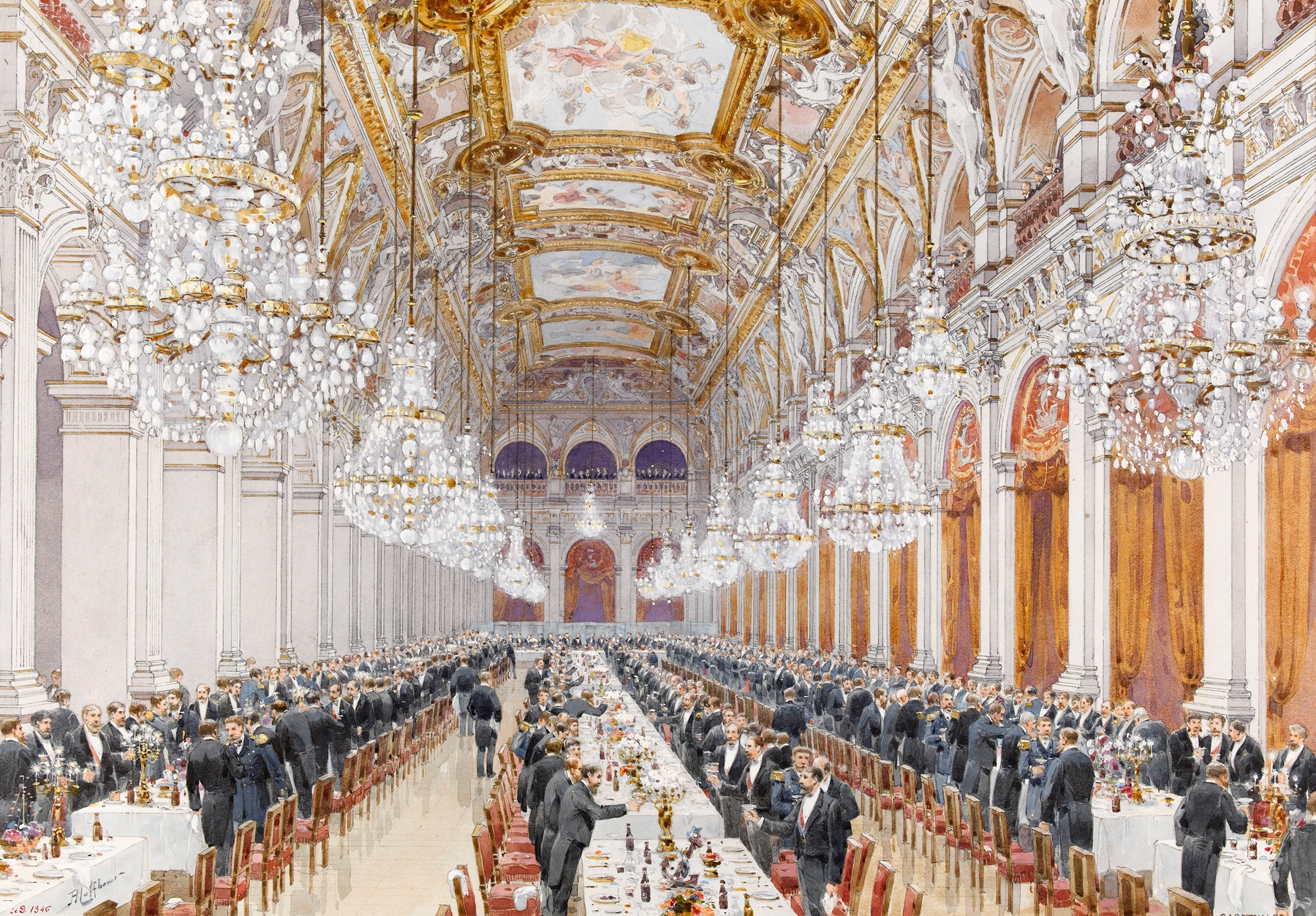
Banquet des officiers de la marine Russe, dans la salle des fêtes à l’Hôtel de Ville. Fêtes Franco-Russes à Paris
Fédor Hoffbauer
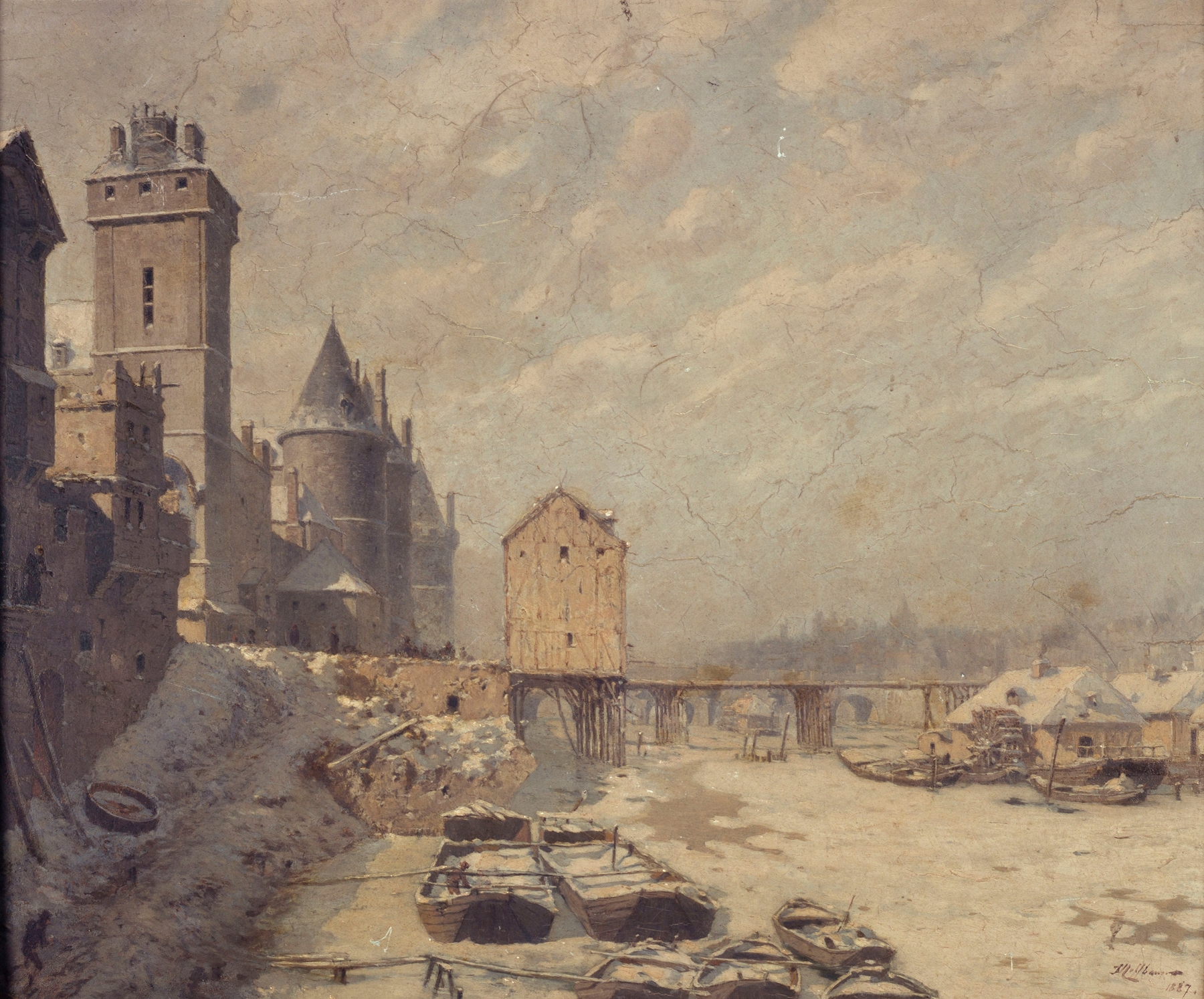
La tour de l’Horloge, la Conciergerie et le pont au Change, en 1621
Fédor Hoffbauer
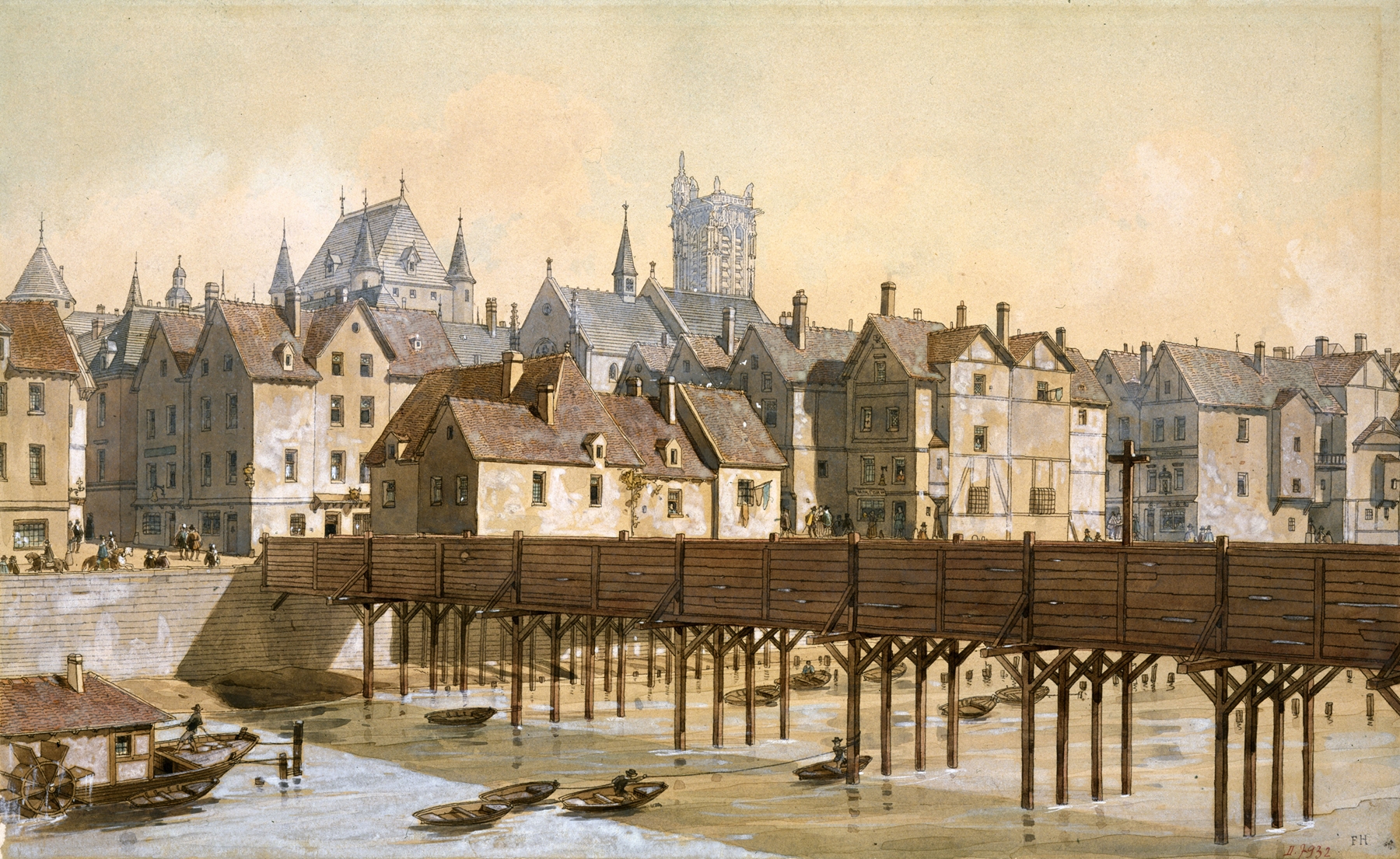
Le Grand Châtelet et le pont de Bois, 1621-1645
Fédor Hoffbauer
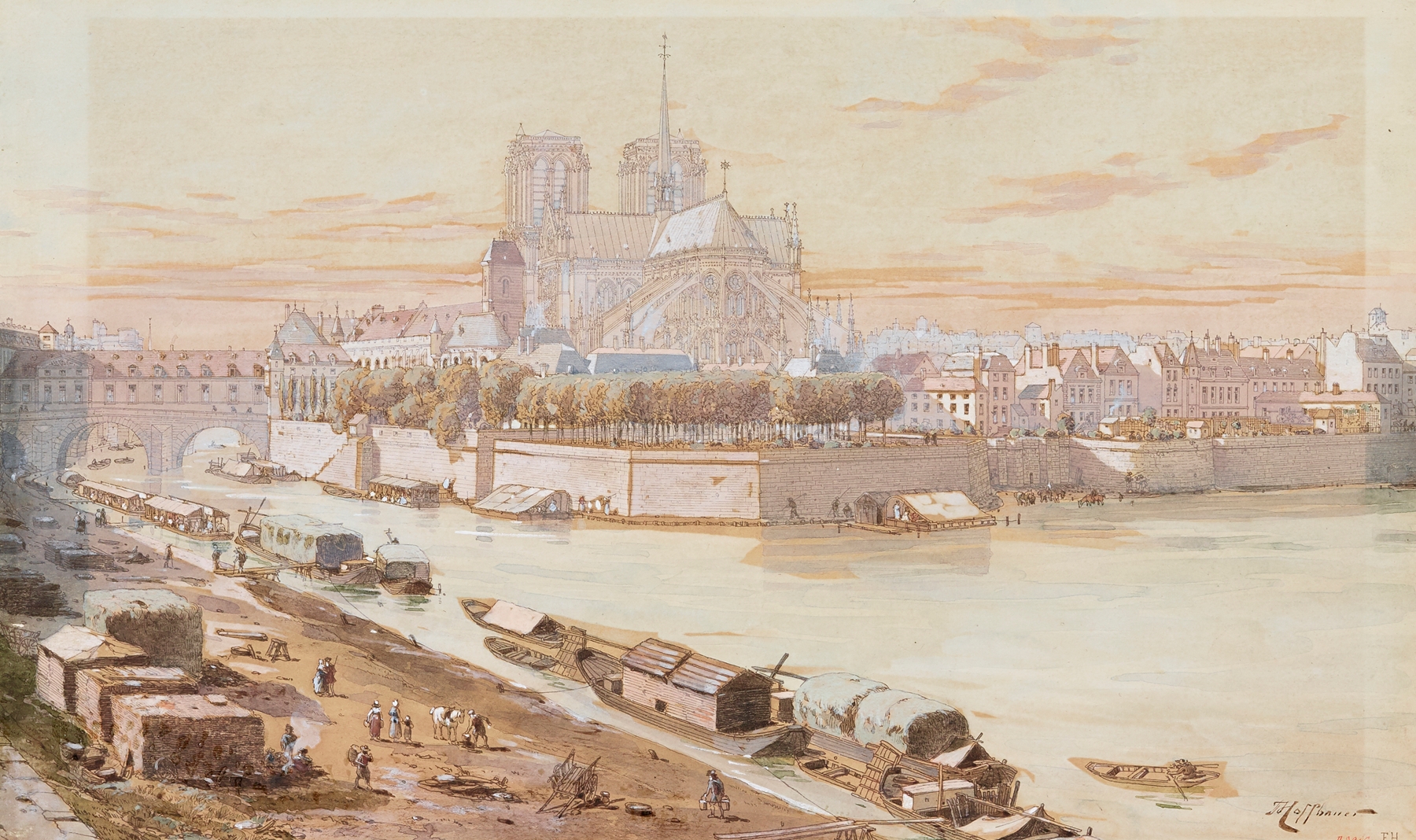
Notre-Dame et l’Evêché en 1750
Fédor Hoffbauer
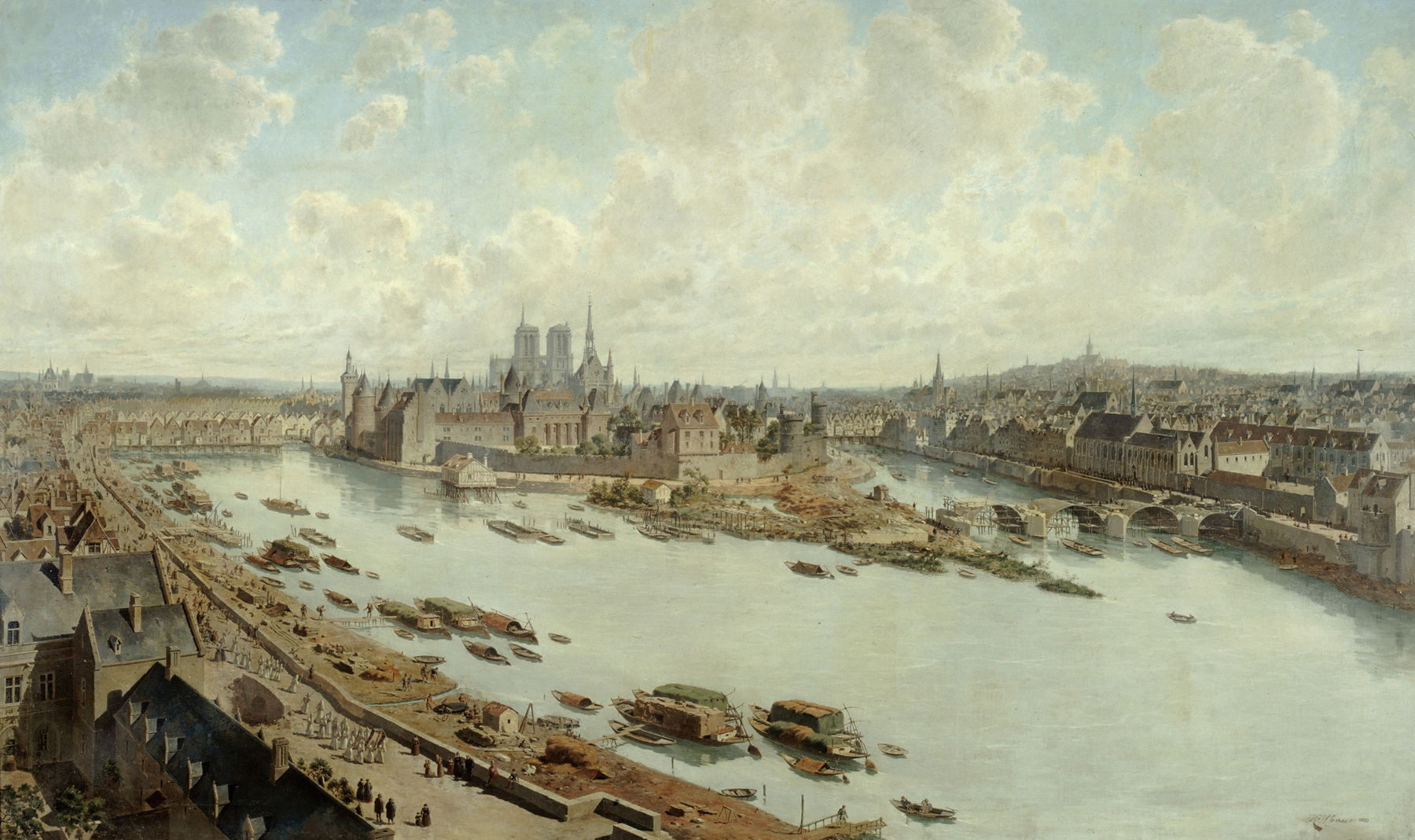
Vue panoramique de Paris en 1588, depuis les toits du Louvre, avec le Pont-Neuf en construction
Fédor Hoffbauer
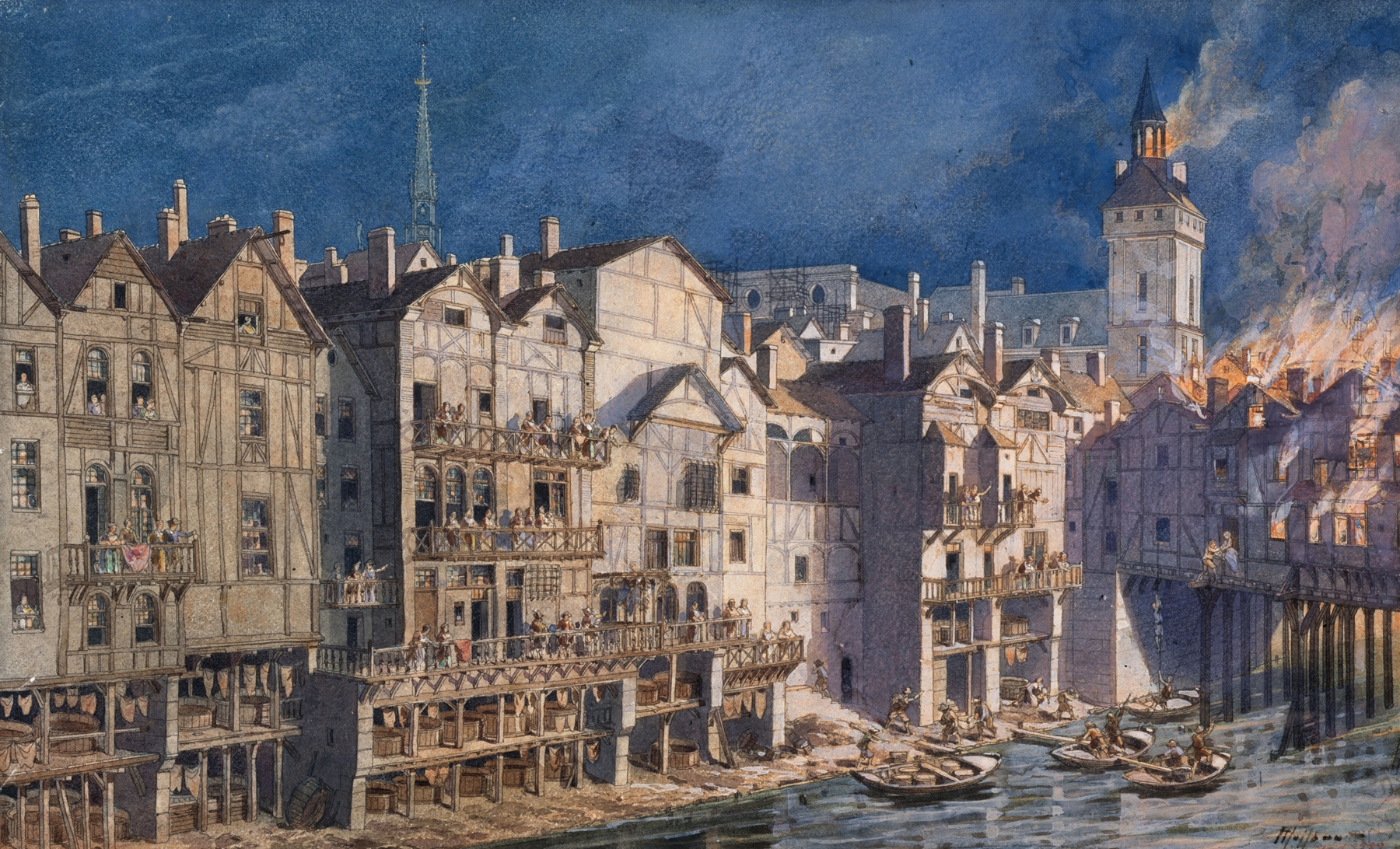
La Cité entre le pont Notre Dame et le pont au Change en 1621
Fédor Hoffbauer
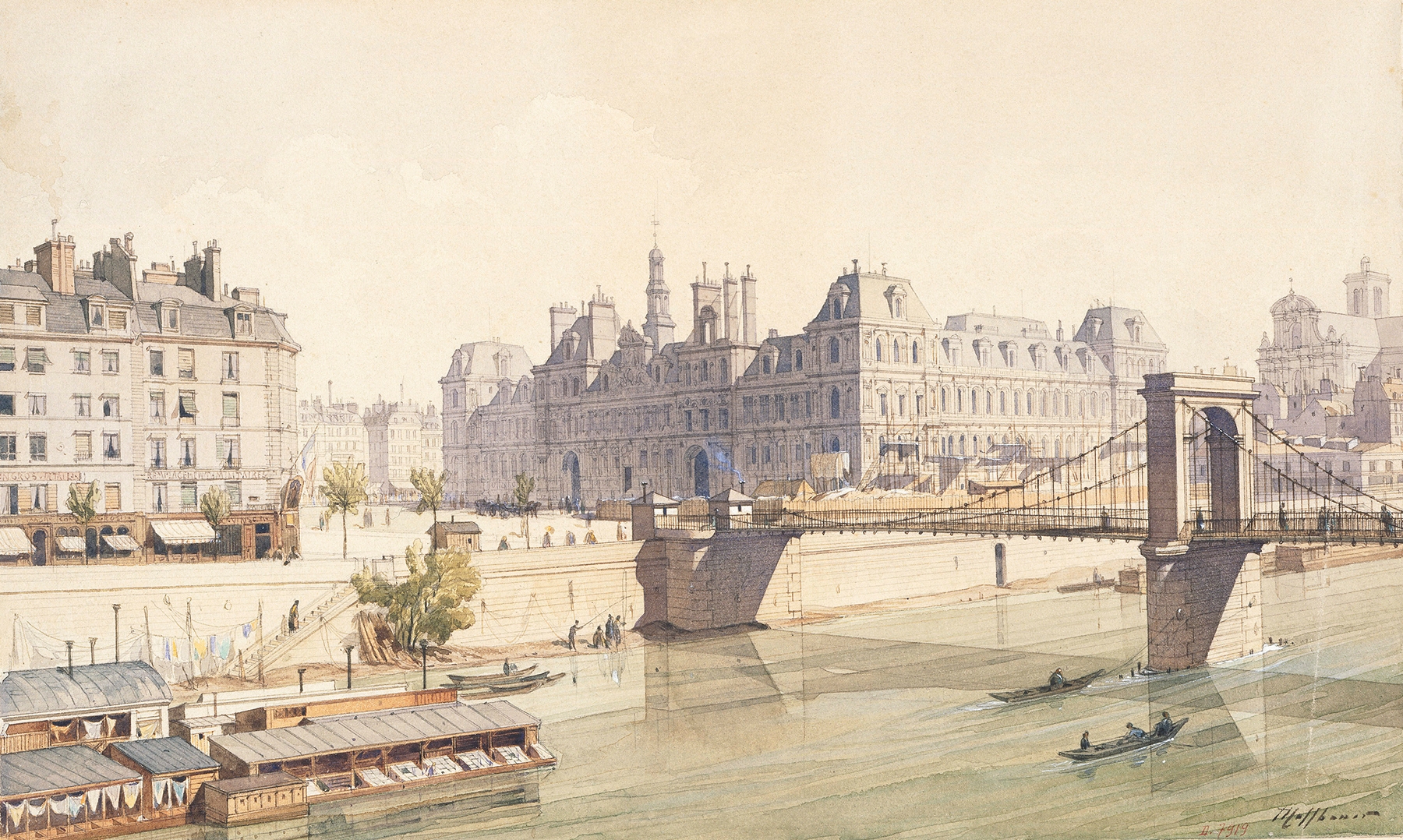
L’Hôtel de Ville et le pont d’Arcole en 1842
Fédor Hoffbauer
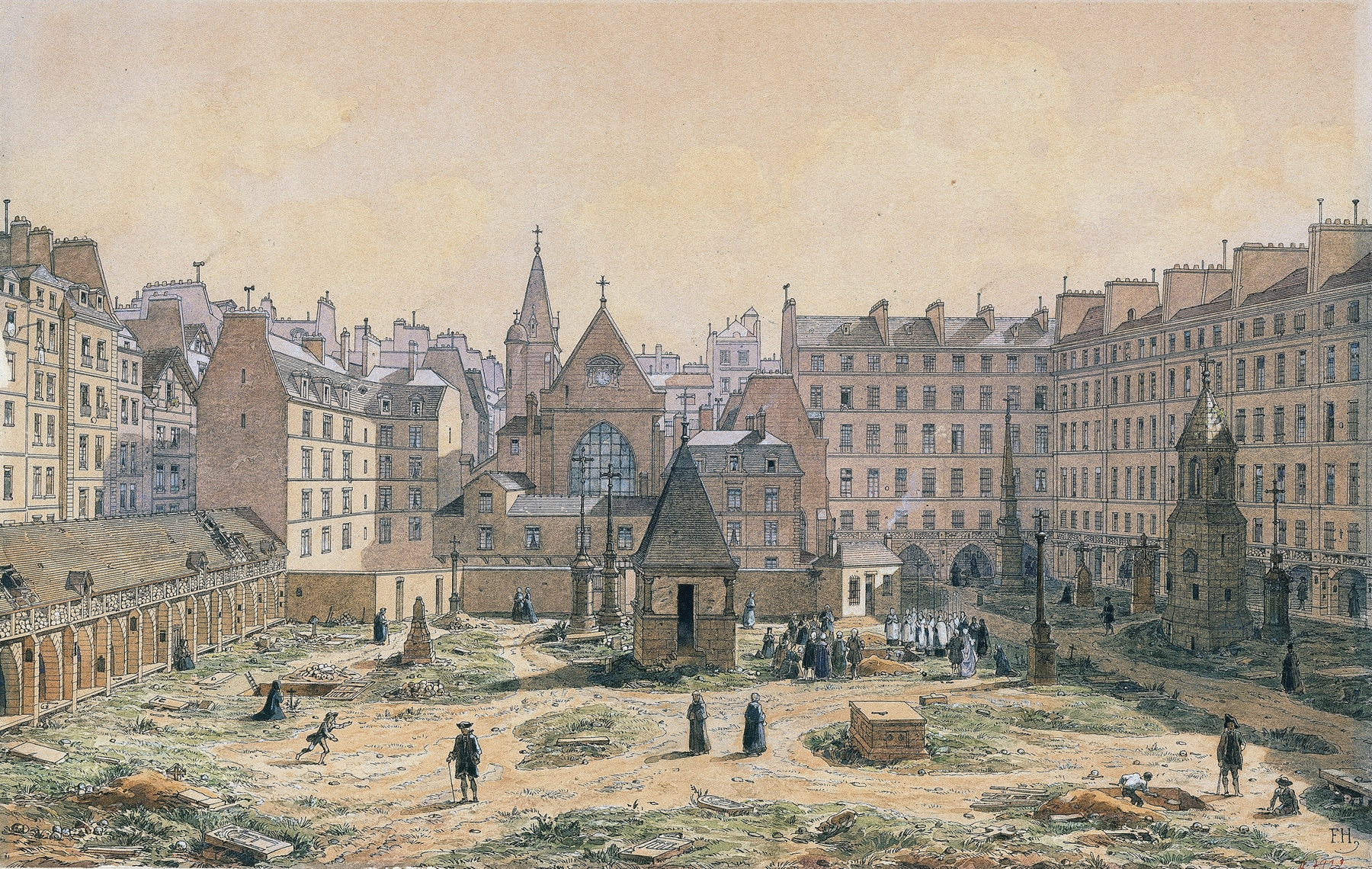
Le Cimetière des Innocents en 1750
Fédor Hoffbauer
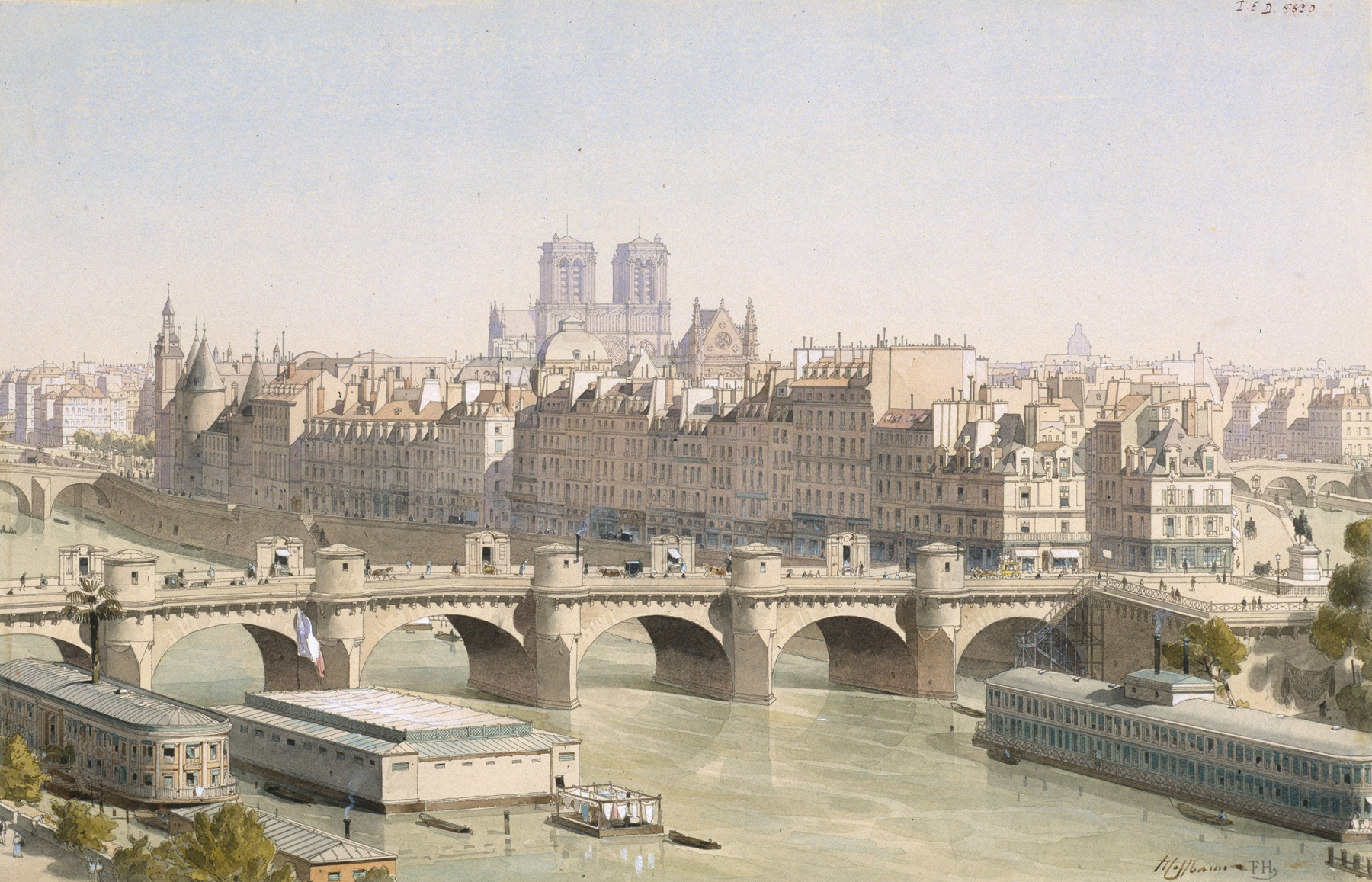
Vue de l’île de la Cité et le pont-Neuf avec ses boutique, vers 1840
Fédor Hoffbauer