
この作品のインサイトを見る
An Italian river scene, with the Temple of Clitumnus and ruins, two figures and cows — 歴史と豆知識
光はどこで終わり、渇望はどこから始まるのか?自然の静かな広がりの中で、私たちはリチャード・ウィルソンの世界の織り込まれた答えを見つけます。そこでは創造と衰退が共存しています。 右下の隅をよく見てください。二人の人物が川の穏やかな岸辺に立ち、彼らの姿は柔らかな金色の光に包まれ、輝く水面と溶け合っています。豊かな緑の葉がこのシーンを囲み、遠くには古代の石が生き生きとした風景に対比をなすクリトゥム神殿が見えます。繊細な筆致は静けさを呼び起こし、雲が空を横切り、時間に一瞬だけ留まったような感覚を示唆しています。 さらに深く考えると、人物と牛との関係を考慮してください。牛は田園生活の象徴であり、環境の静けさを反響させています。各要素は生命のサイクル—誕生、成長、衰退—を語り、存在の無常を暗示しています。背景の廃墟は失われたものを思い起こさせ、ノスタルジアと希望の間の微妙な緊張を呼び起こし、まるで風景自体が過去を悼み、祝っているかのようです。 ウィルソンは18世紀の大いなる探求と芸術的実験の時代にこの魅力的なシーンを描きました。彼の作品は、自然の美しさを捉えるだけでなく、より深い感情的な物語を伝える風景への高まる関心を反映しています。この作品の正確な制作日が不明である一方で、古典と現代の調和のとれたバランスを追求するウィルソンの姿勢を体現しており、芸術が観客を創造の本質と結びつけようとした瞬間を表しています。
同じ作家の作品 Richard Wilson
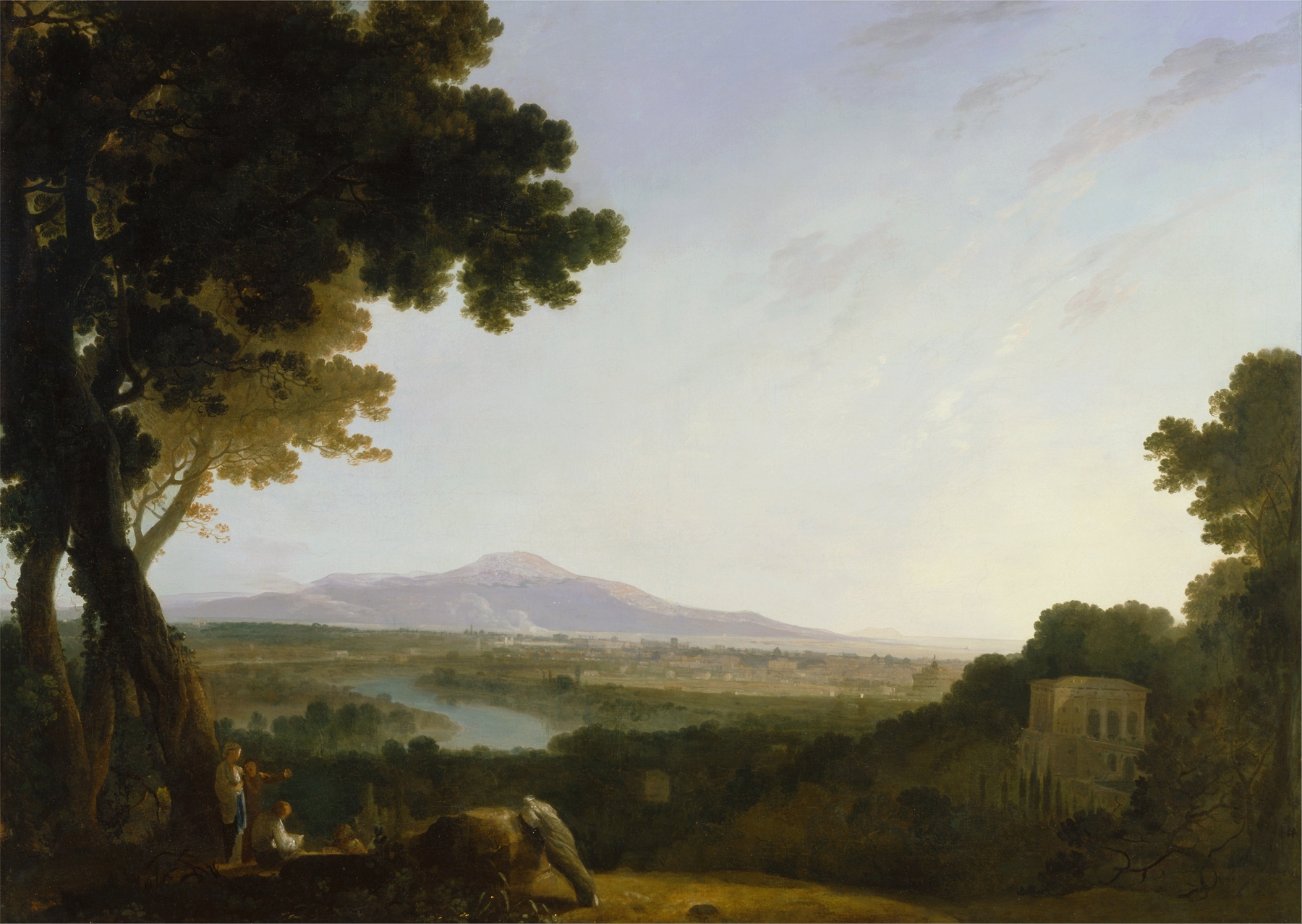
Rome from the Villa Madama
Richard Wilson
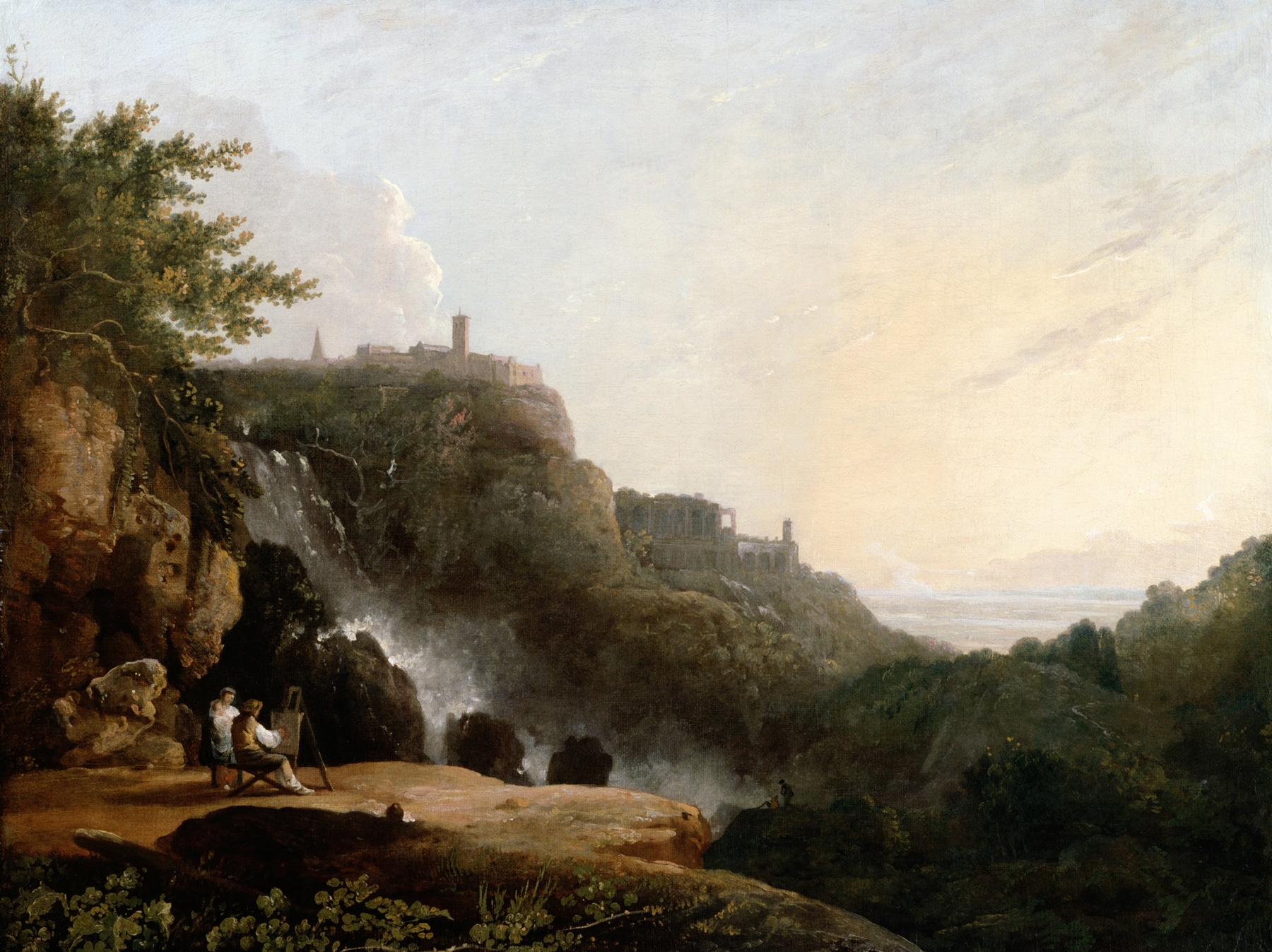
View of Tivoli- the Cascatelle and the ‘Villa of Maecenas’
Richard Wilson
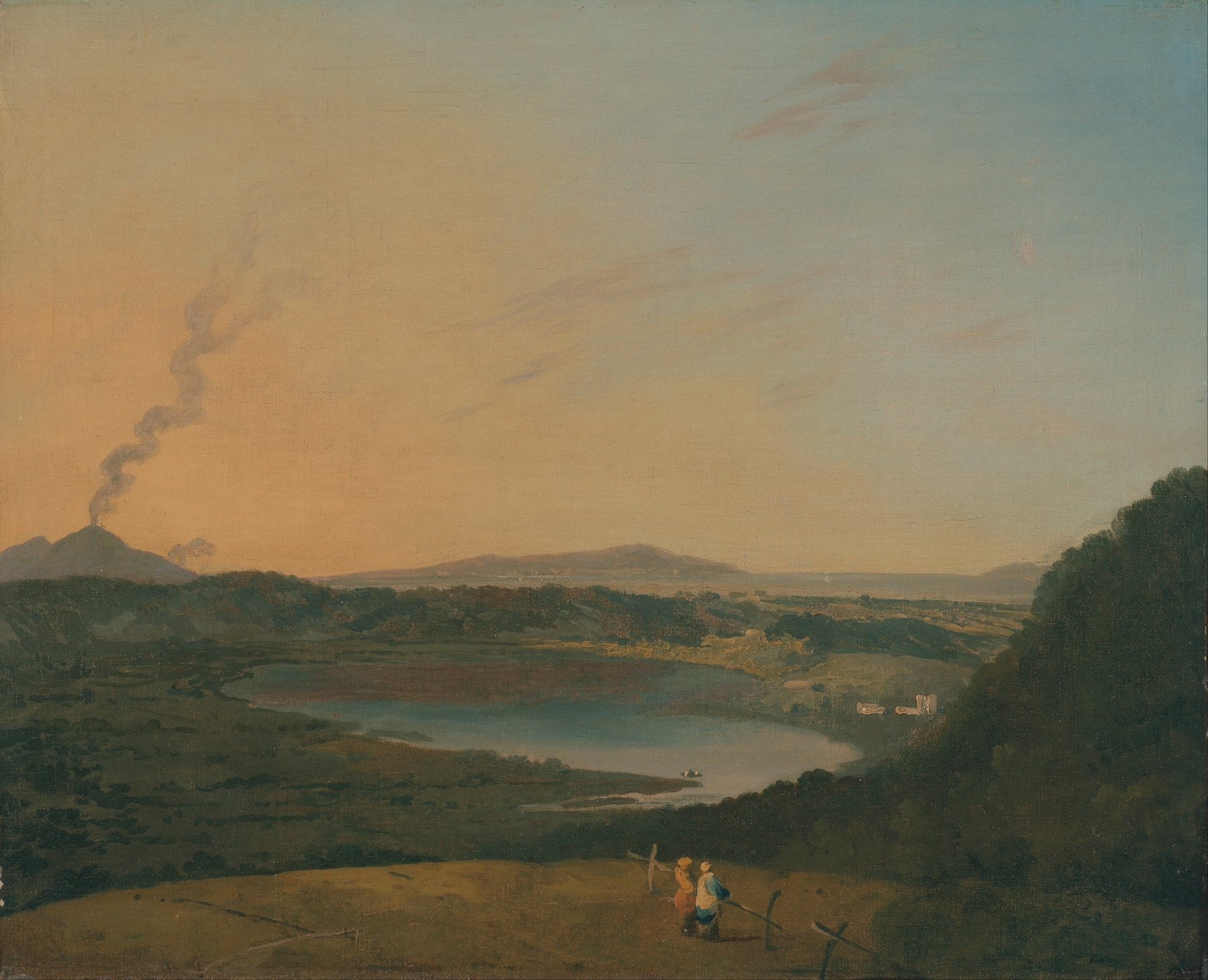
Lago d’Agnano with Vesuvius in the distance
Richard Wilson
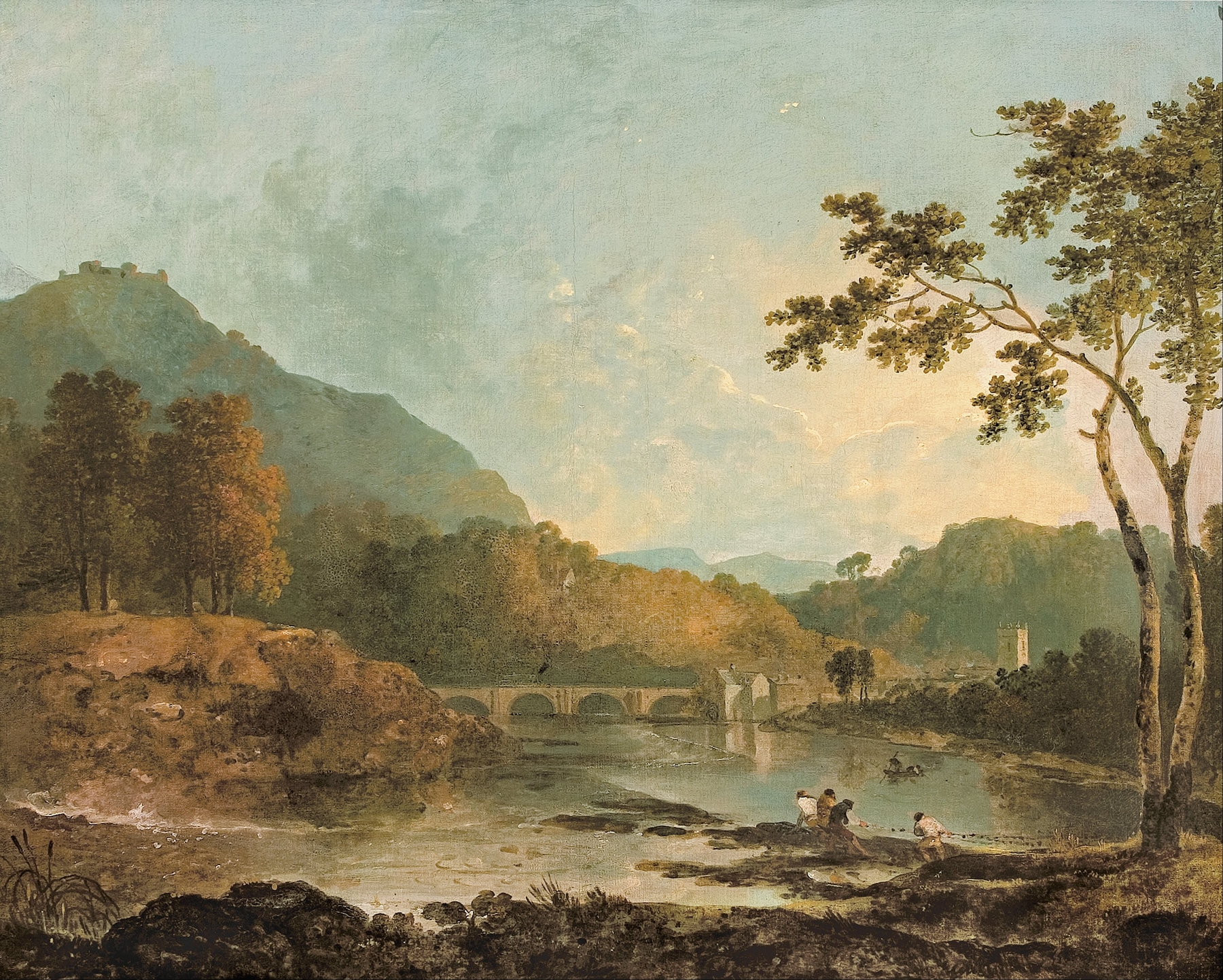
Dinas Bran from Llangollen
Richard Wilson
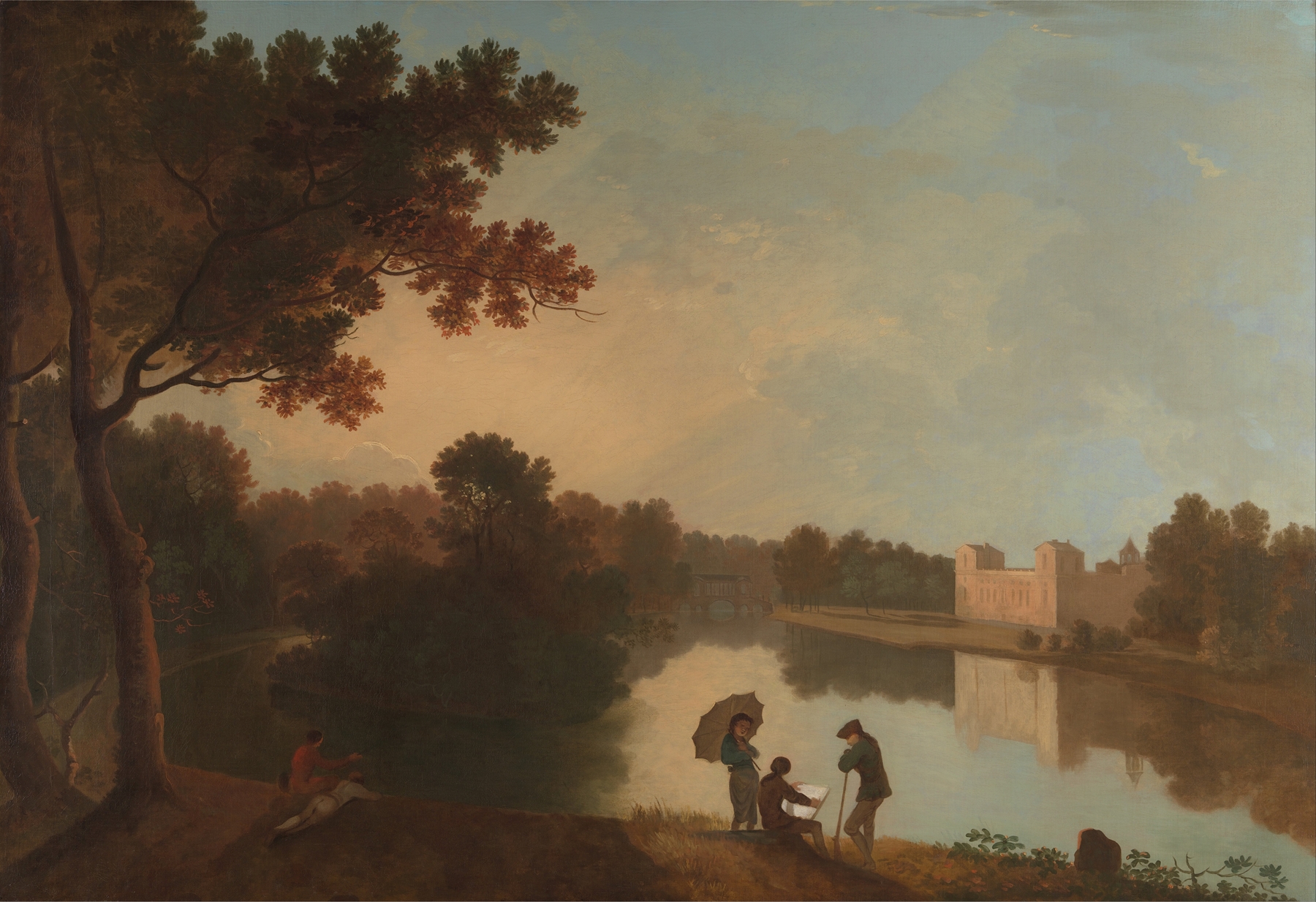
Wilton House from the Southeast
Richard Wilson
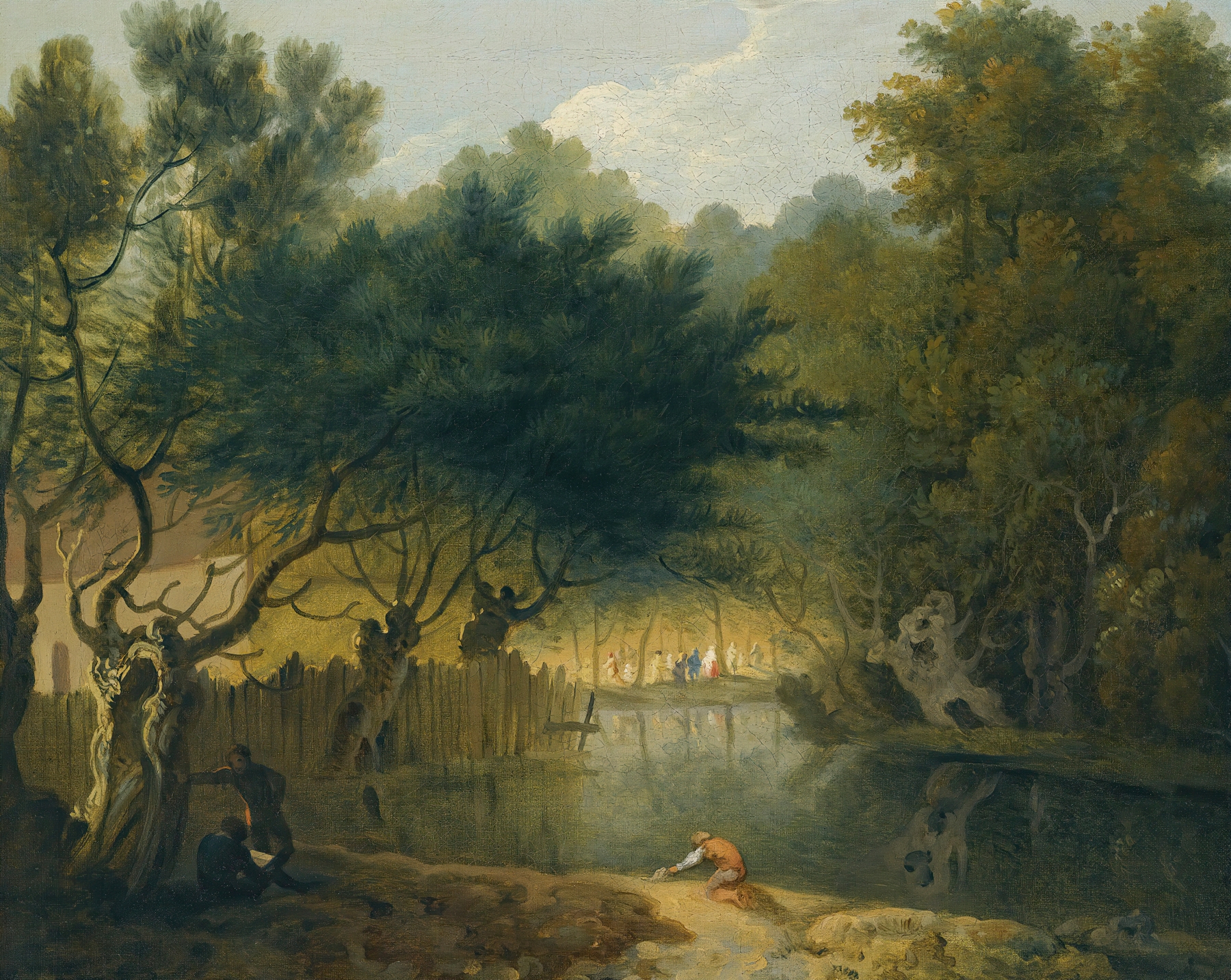
A View Of St. James’s Park, London
Richard Wilson
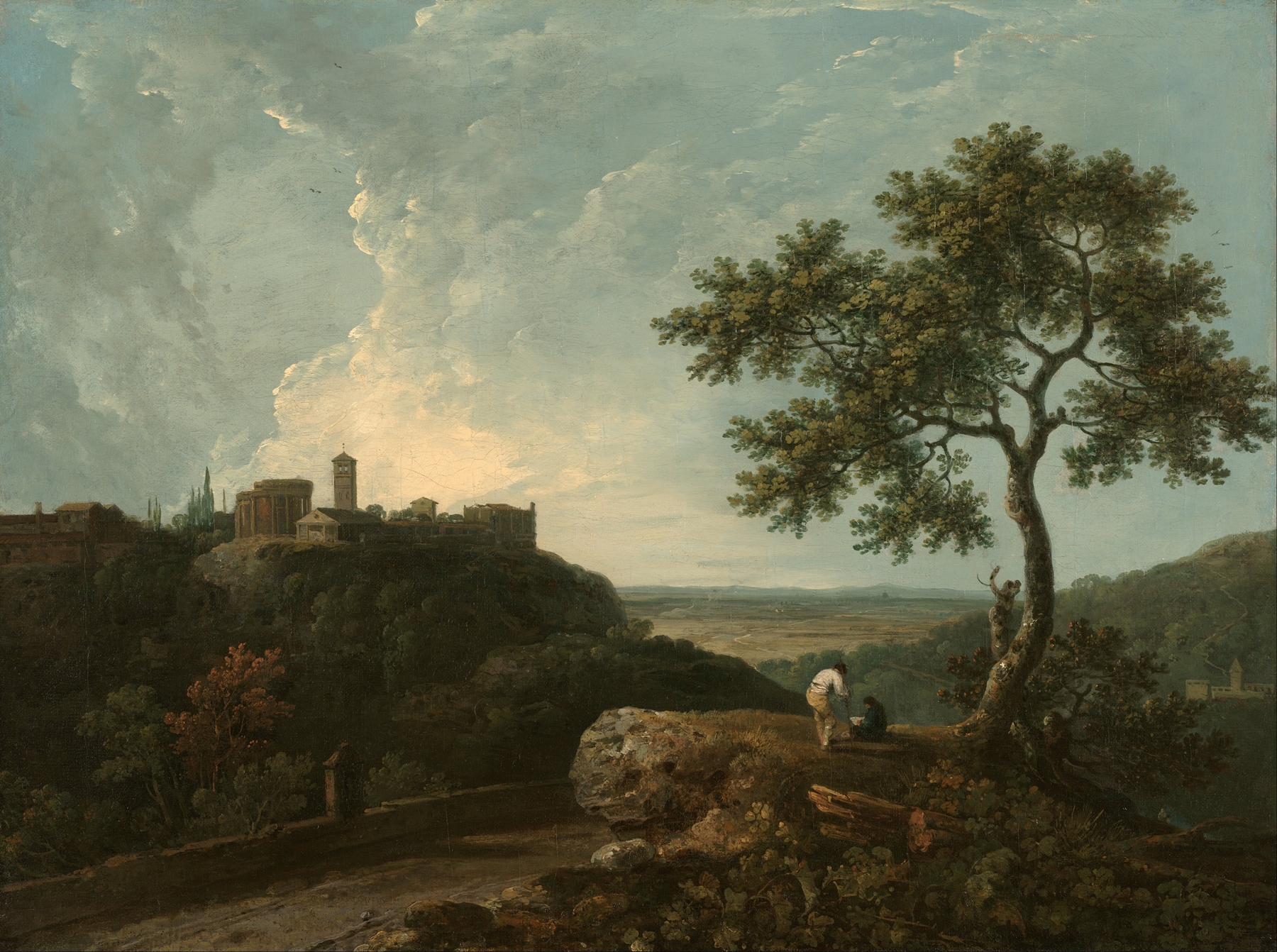
Tivoli- The Temple of the Sybil and the Campagna
Richard Wilson
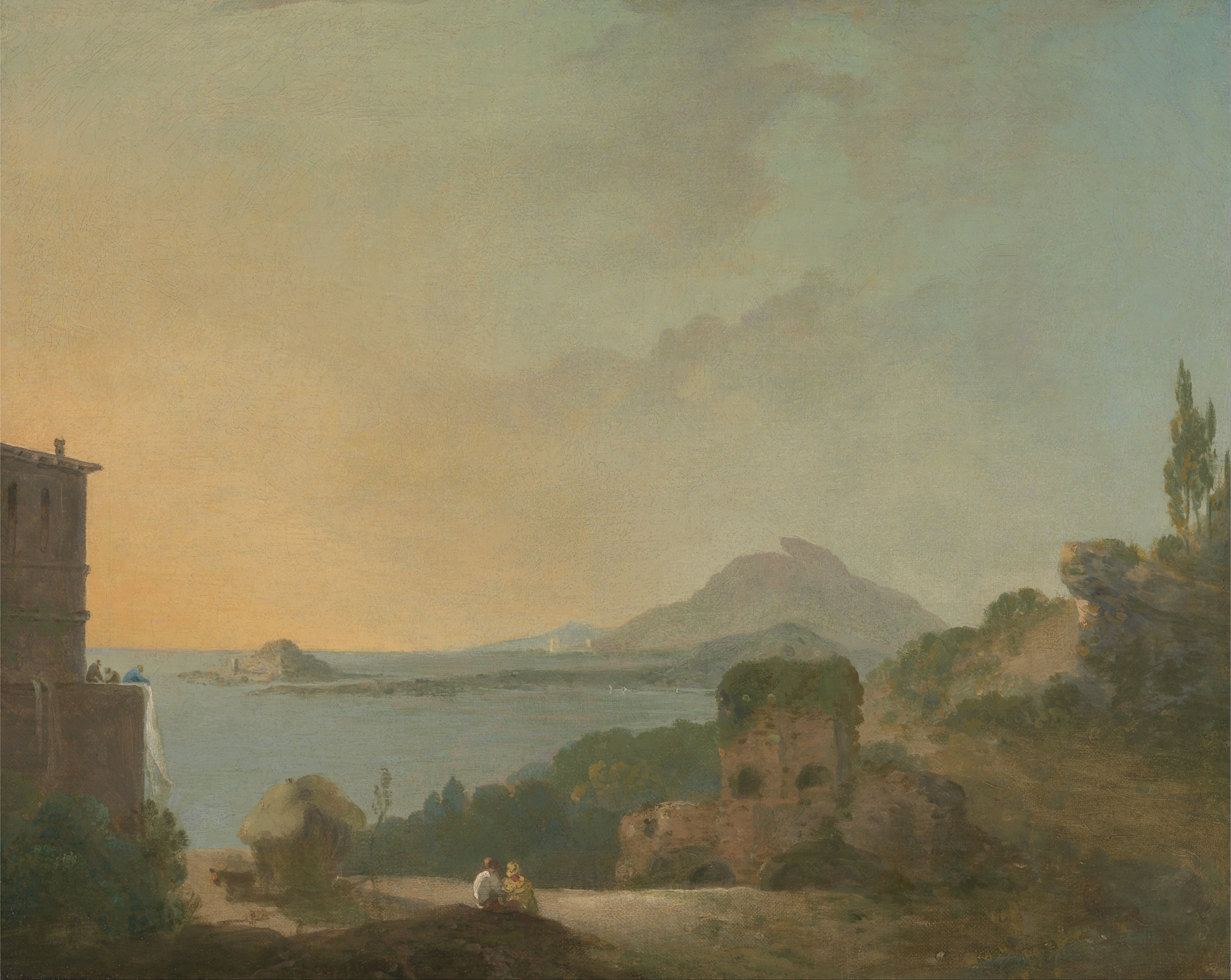
Cicero’s Villa and the Gulf of Pozzuoli
Richard Wilson
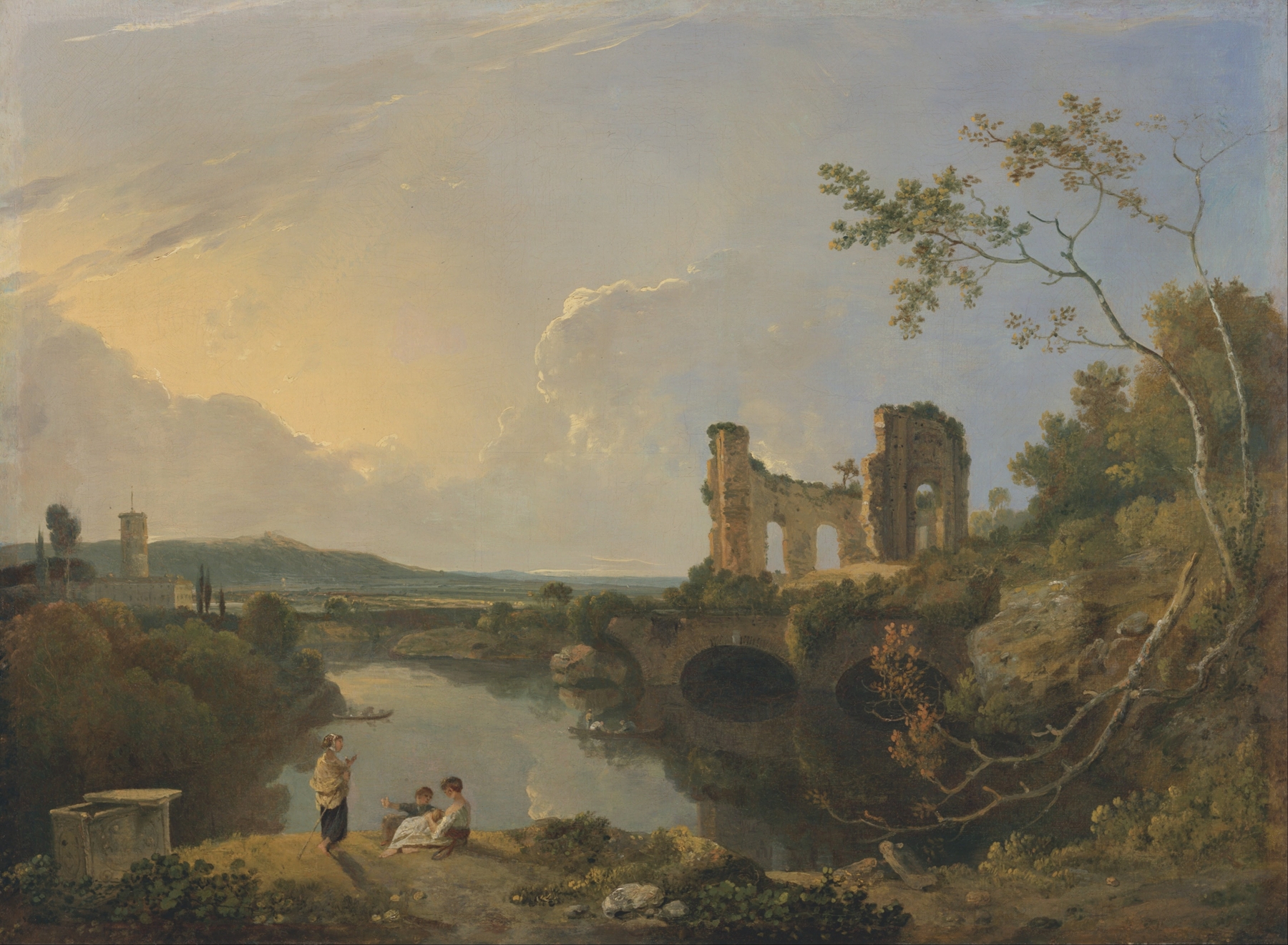
Italian Landscape (Morning)
Richard Wilson
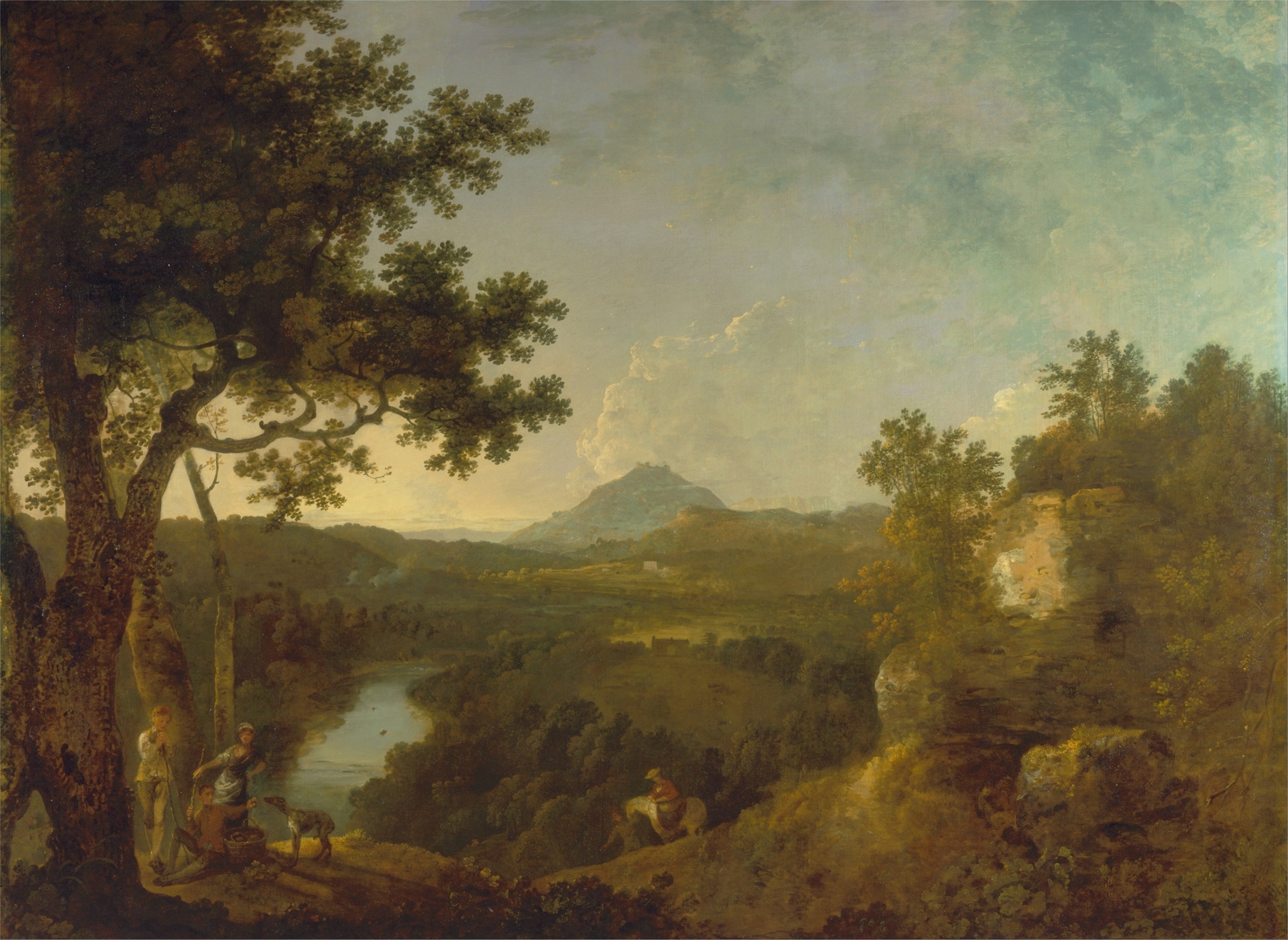
View near Wynnstay, the Seat of Sir Watkin Williams-Wynn, BT.
Richard Wilson
Landscapeの作品
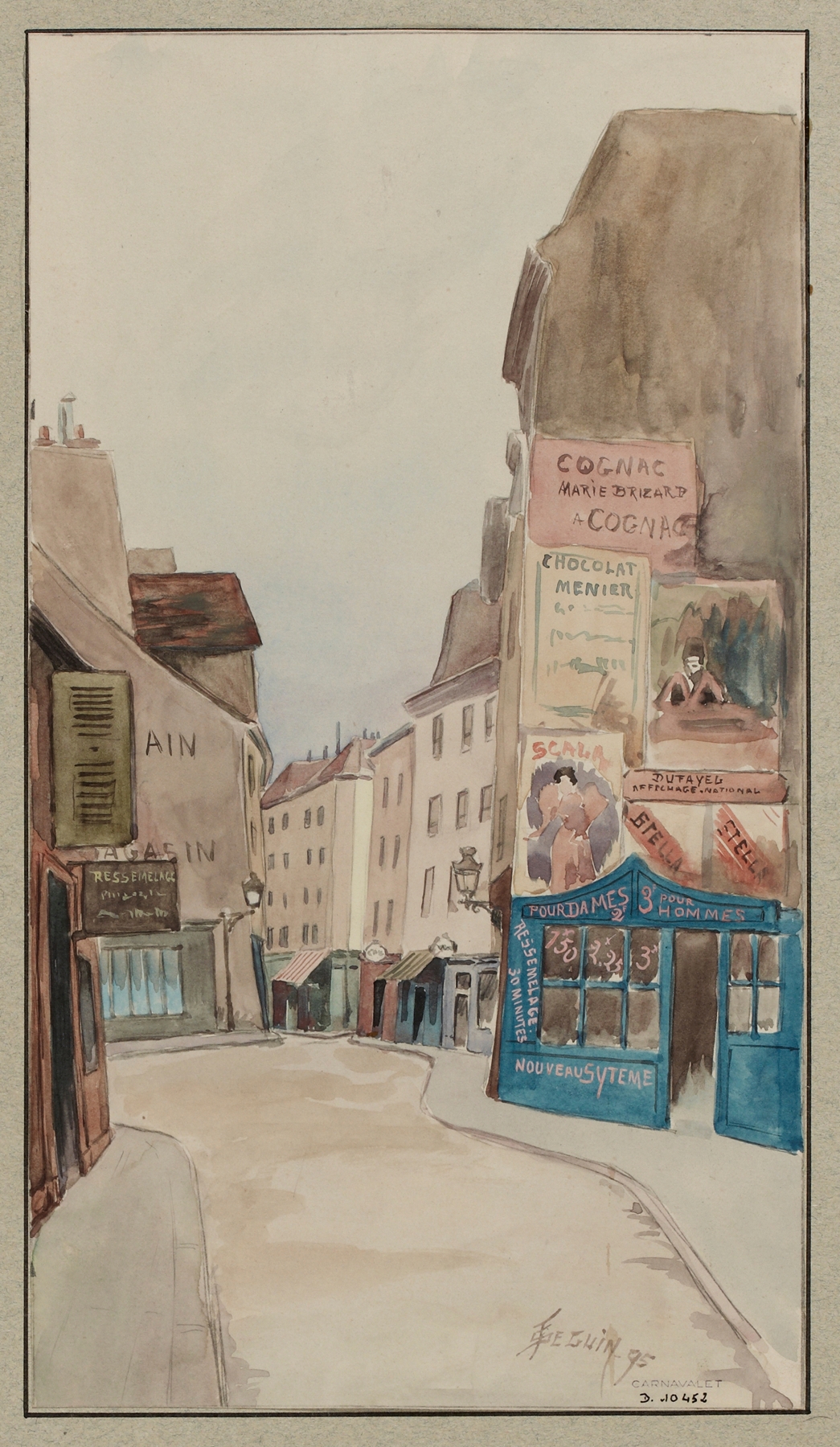
Rue Descartes
F. Séguin
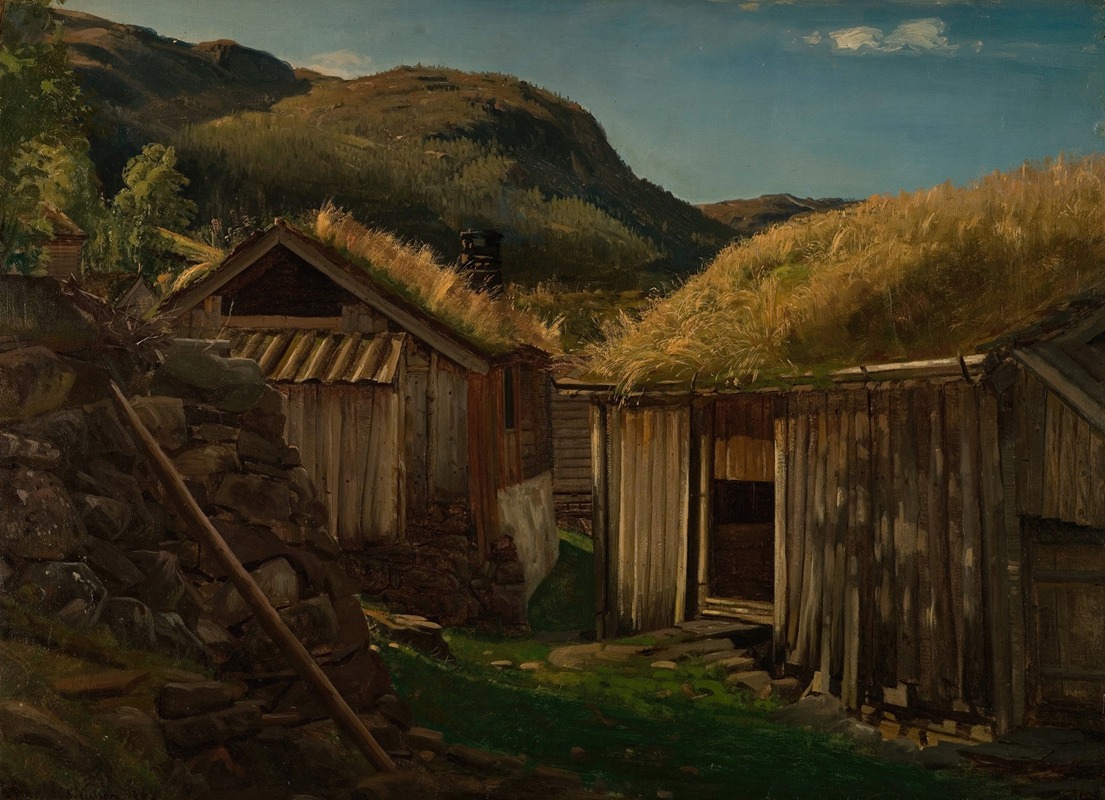
Aarhus, Suldal, Ryfylke
Amaldus Nielsen
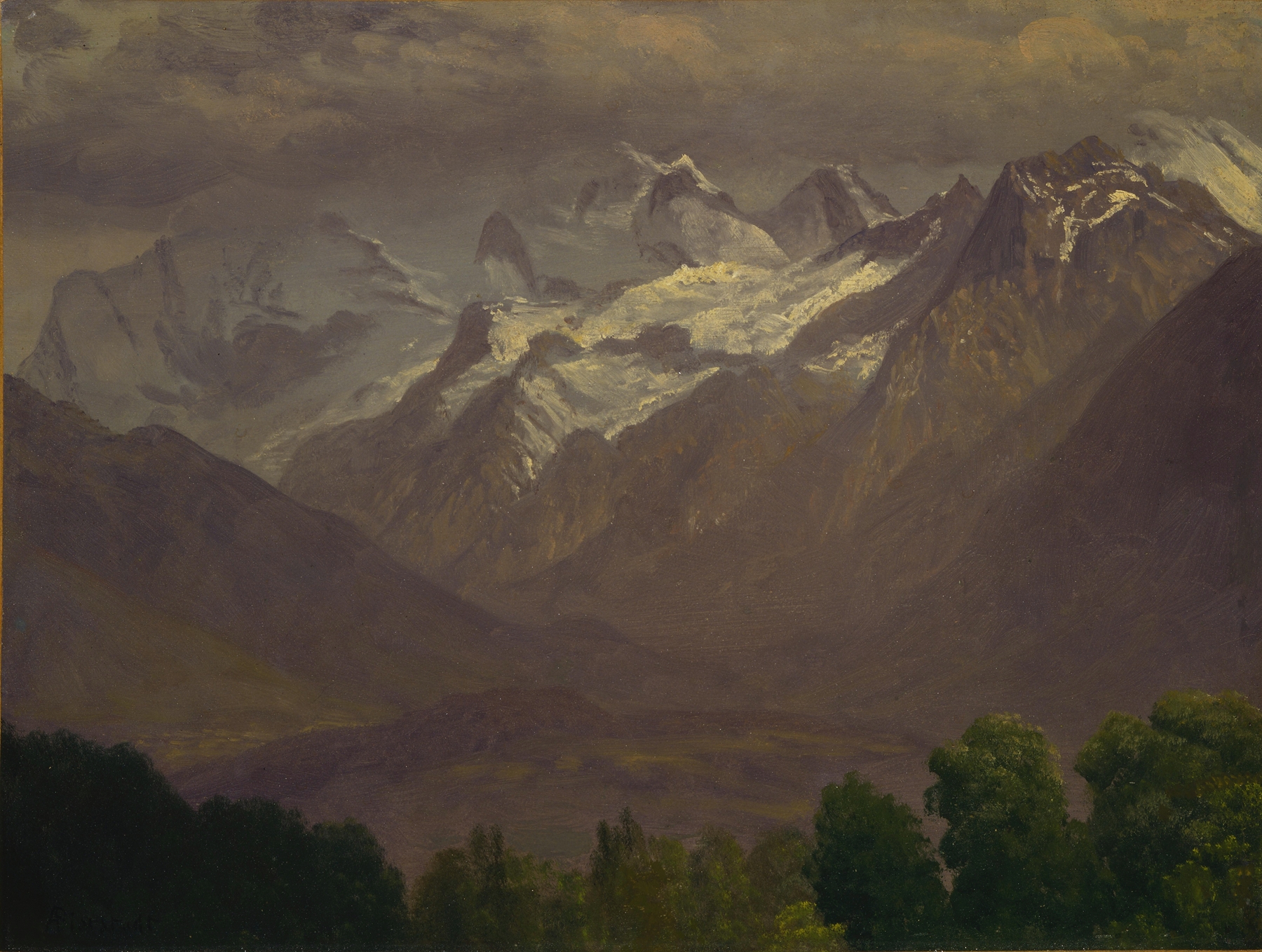
In the High Mountains
Albert Bierstadt
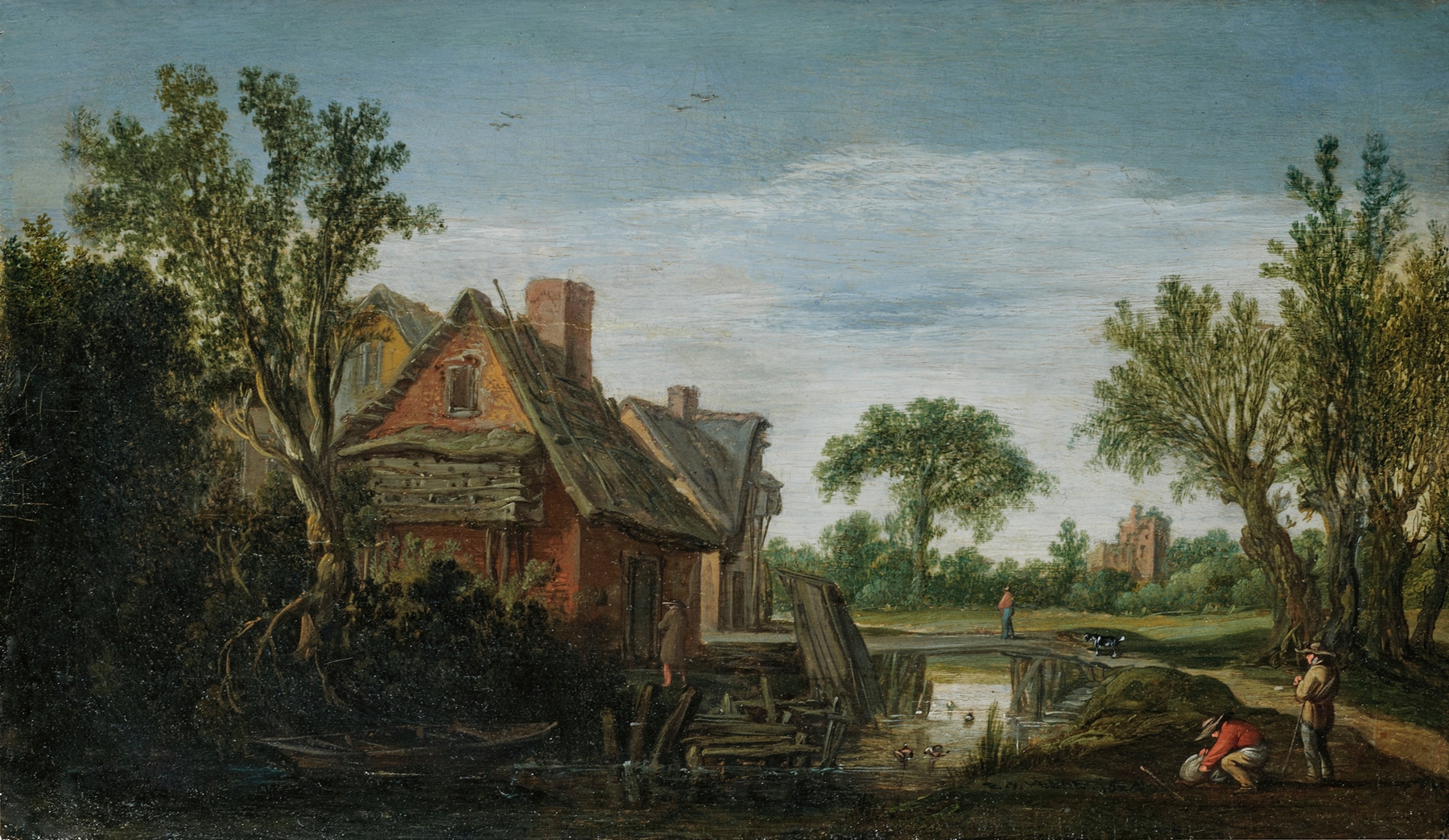
The Hague A Wooded River Landscape With Figures On A Path On A River Bank Beside A Village, A Bridge Beyond
Esaias van de Velde
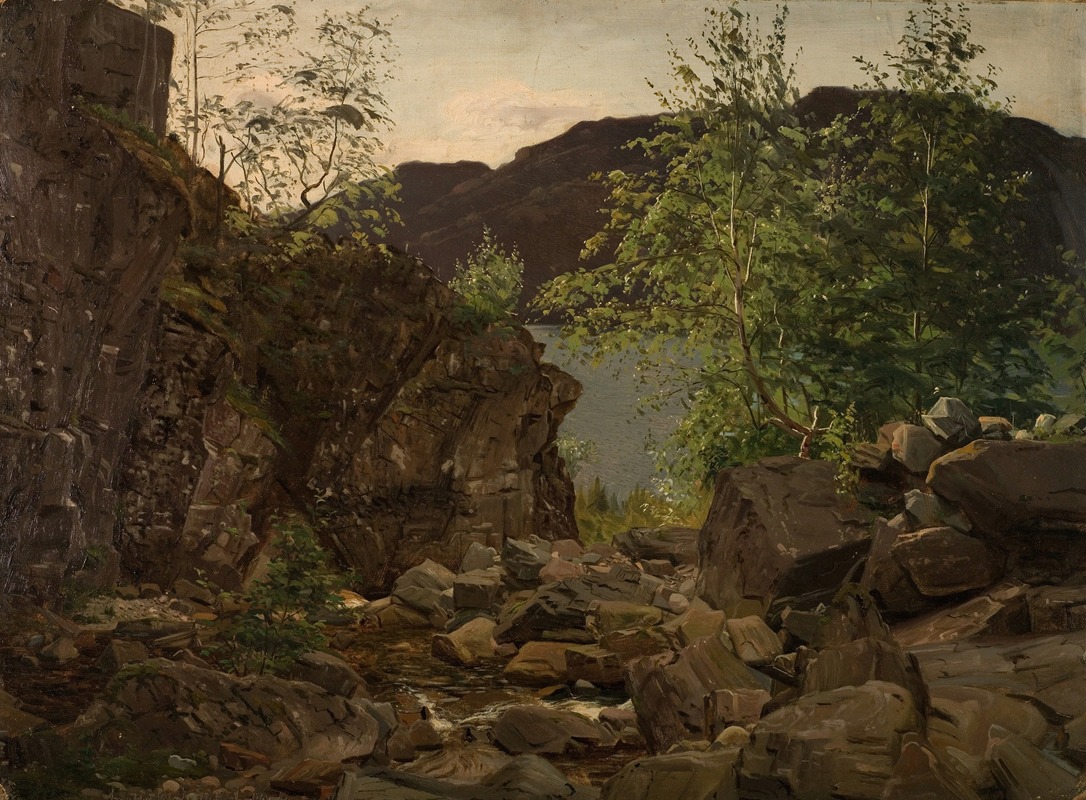
Aarhus, Suldal, Ryfylke
Amaldus Nielsen
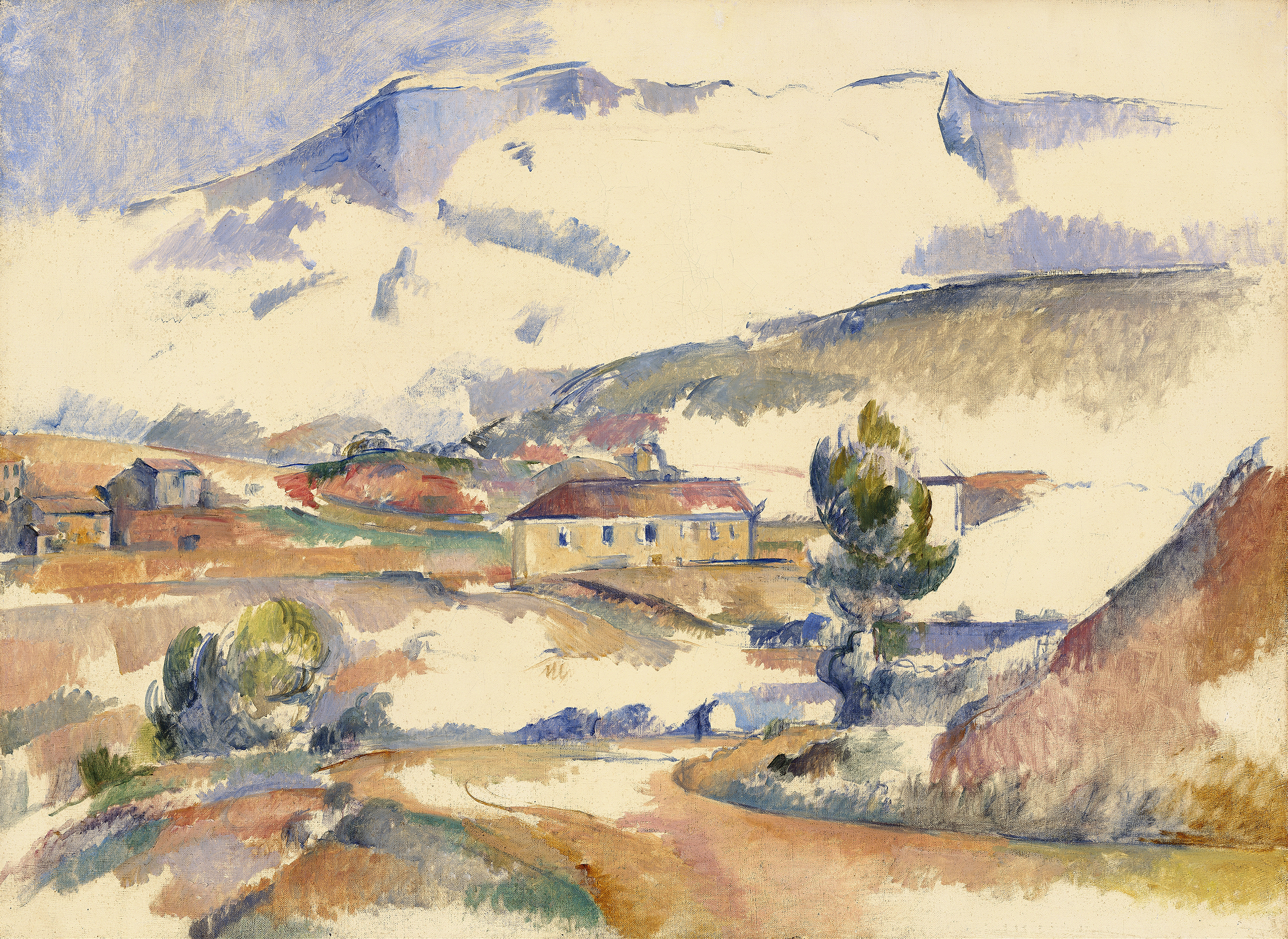
Montagne Sainte-Victoire,from near Gardanne
Paul Cezanne