
この作品のインサイトを見る
Friar Pedro Wrests the Gun from El Maragato — 歴史と豆知識
光はどこで終わり、渇望はどこから始まるのか?革命の真っ只中で、権力を巡る闘争は心とキャンバスの両方を照らし出します。構図の右側をよく見ると、修道士の決然とした表情が光を捉え、彼の眉の緊張感を強調しています。暗い色合いがエル・マラガトを包み込み、彼の敗北した姿勢は修道士を取り巻く強烈な雰囲気と鋭く対比しています。画家は明暗法を用いてドラマを強調しています—光と影の遊びは彼らの物理的な形を定義するだけでなく、道徳的な対立をも映し出しています。彼らの衣服の粗い質感は生々しい特質を加え、対立の緊迫感に引き込んでいます。微妙な点を掘り下げてみましょう:修道士の銃への握りは、混乱の中での主体性の主張の瞬間を示し、敗北した人物は抑圧の重みを体現しています。変化するダイナミクスは、より深い闘争をほのめかしています—信仰が専制に対抗すること、社会変革の隠喩です。修道士の衣服の淡さは、エル・マラガトを取り巻く暗く抑圧的な影と対比され、変革の瀬戸際にある世界の不安定な緊張感を呼び起こします。1806年、ゴヤはスペインにいて、動乱の国の不確実性に苦しんでいました。芸術家はその時代の芸術的対話に深く関与し、半島戦争につながる革命の動きを目撃しました。この政治的不安定と個人的な苦悩の気候は、彼の作品に深く影響を与え、緊急性と内省の感覚を埋め込み、この作品に共鳴し、歴史と芸術家の進化の中での重要な瞬間を捉えています。
同じ作家の作品 Francisco de Goya
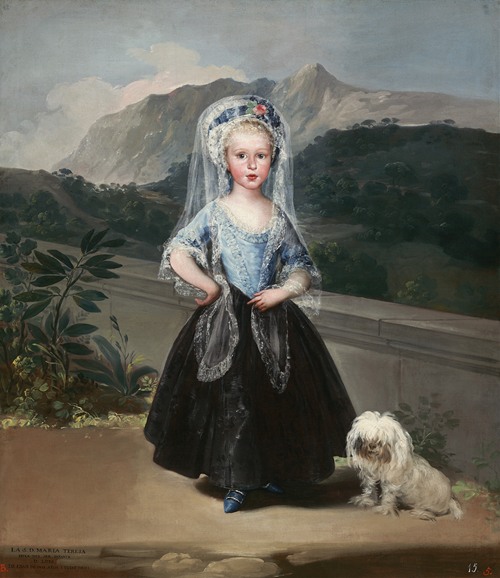
María Teresa de Borbón y Vallabriga,later Condesa de Chinchón
Francisco de Goya
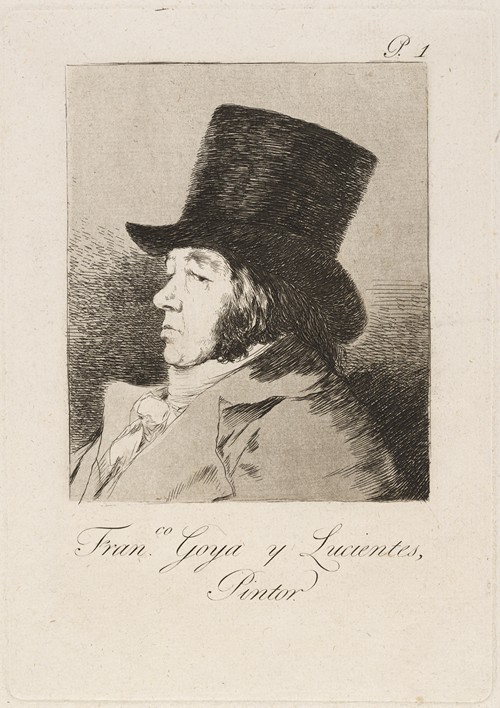
Francisco Goya y Lucientes, Pintor (Francisco Goya y Lucientes, painter)
Francisco de Goya
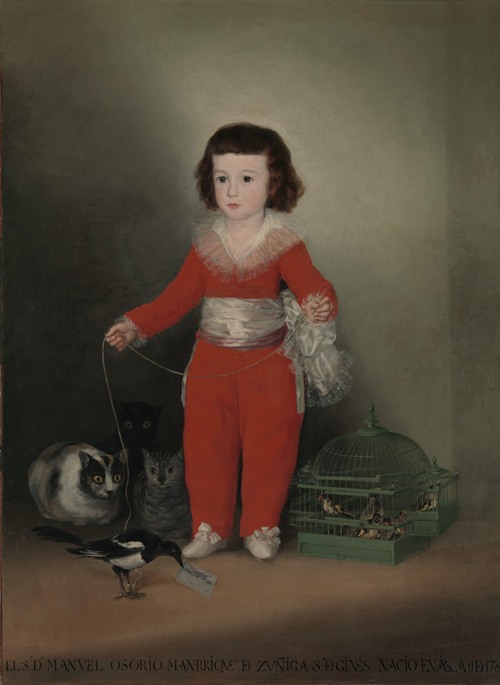
Manuel Osorio Manrique de Zuñiga (1784–1792)
Francisco de Goya
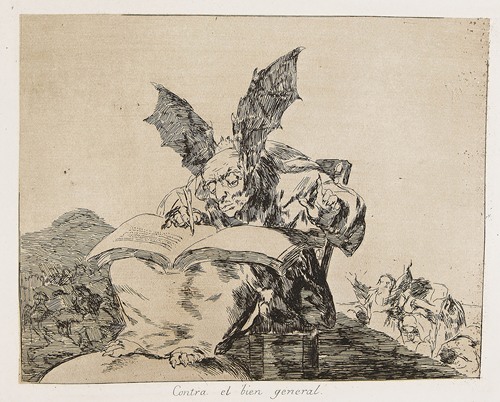
Los desastres de la guerra
Francisco de Goya
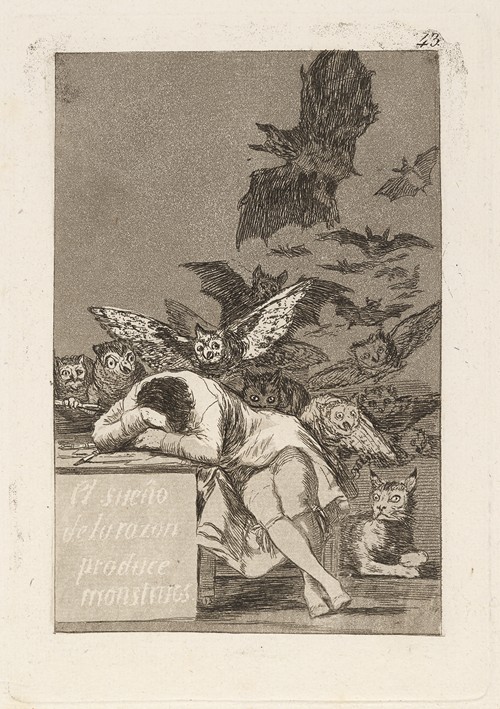
El sueño de la razon produce monstruos. (The sleep of reason produces monsters.)
Francisco de Goya
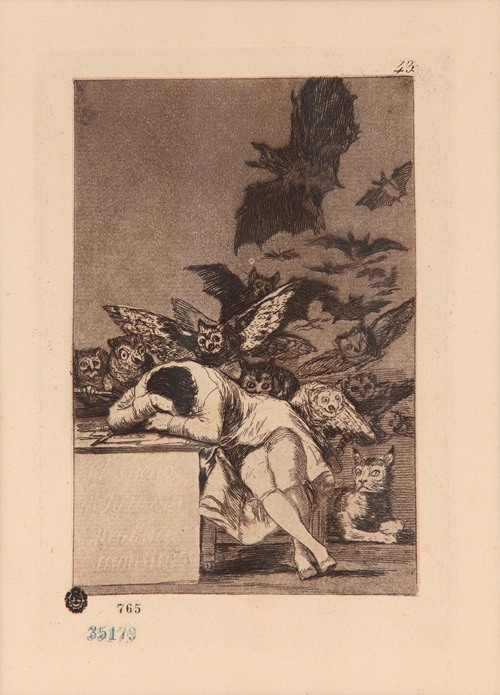
El sueño de la razon produce moustruos (Serie Caprichos)
Francisco de Goya
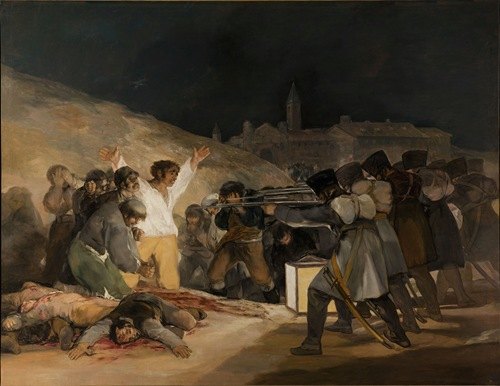
The Third of May
Francisco de Goya
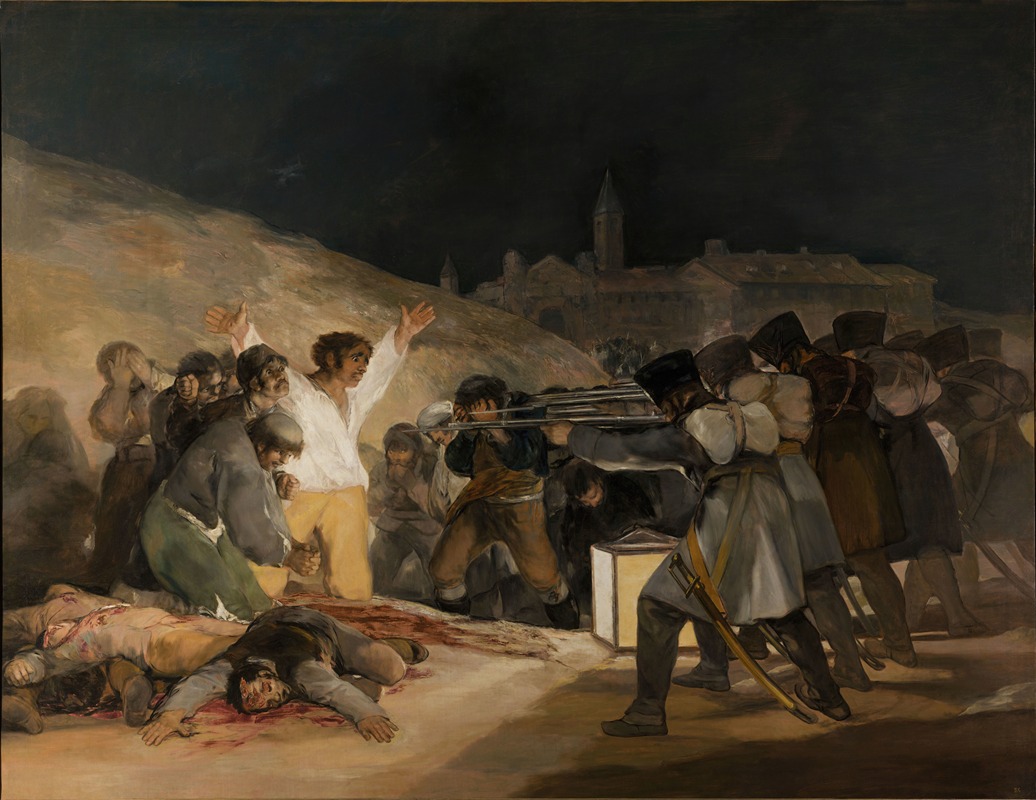
The Third of May 1808
Francisco de Goya
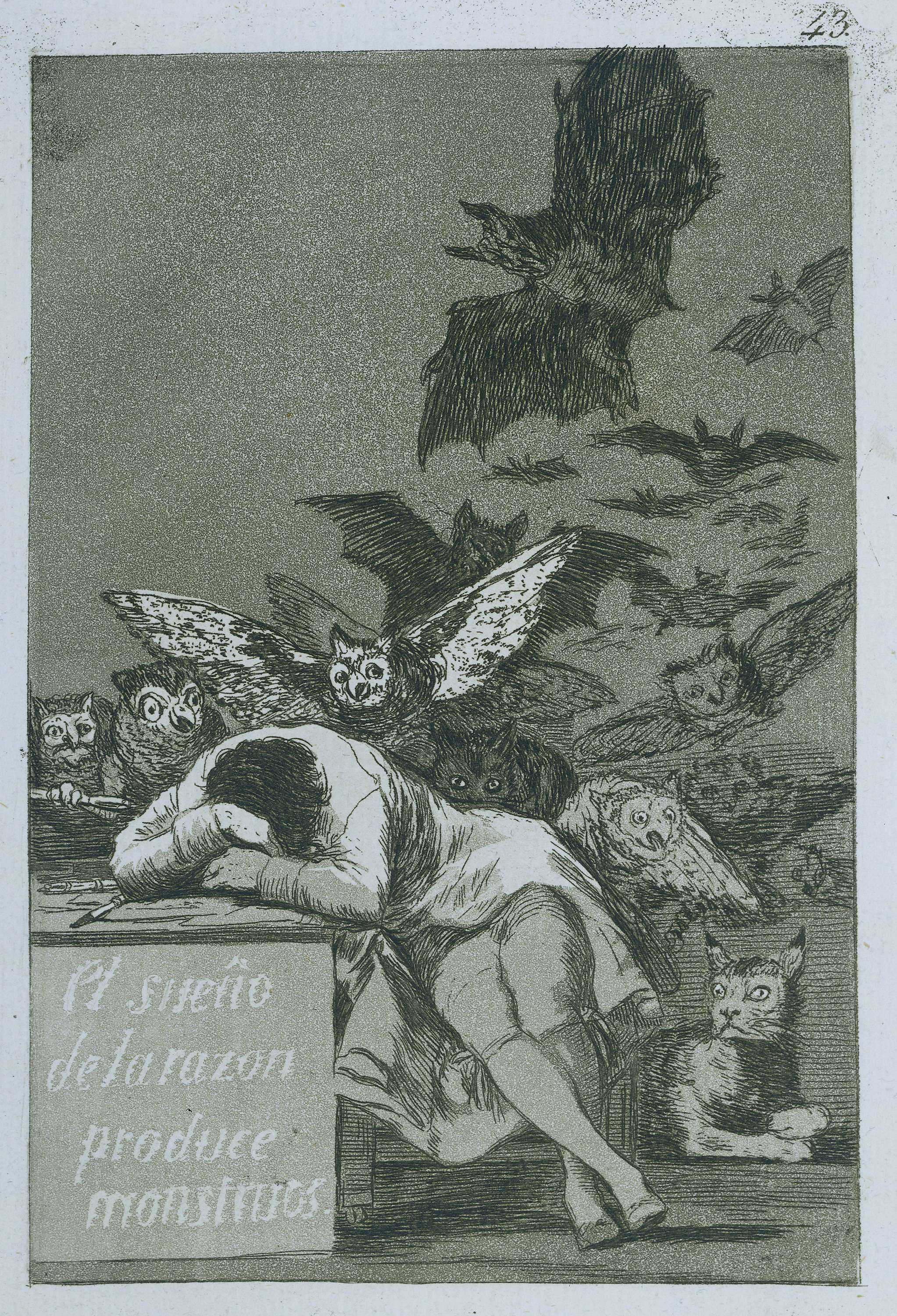
De slaap van de rede brengt monsters voort
Francisco de Goya
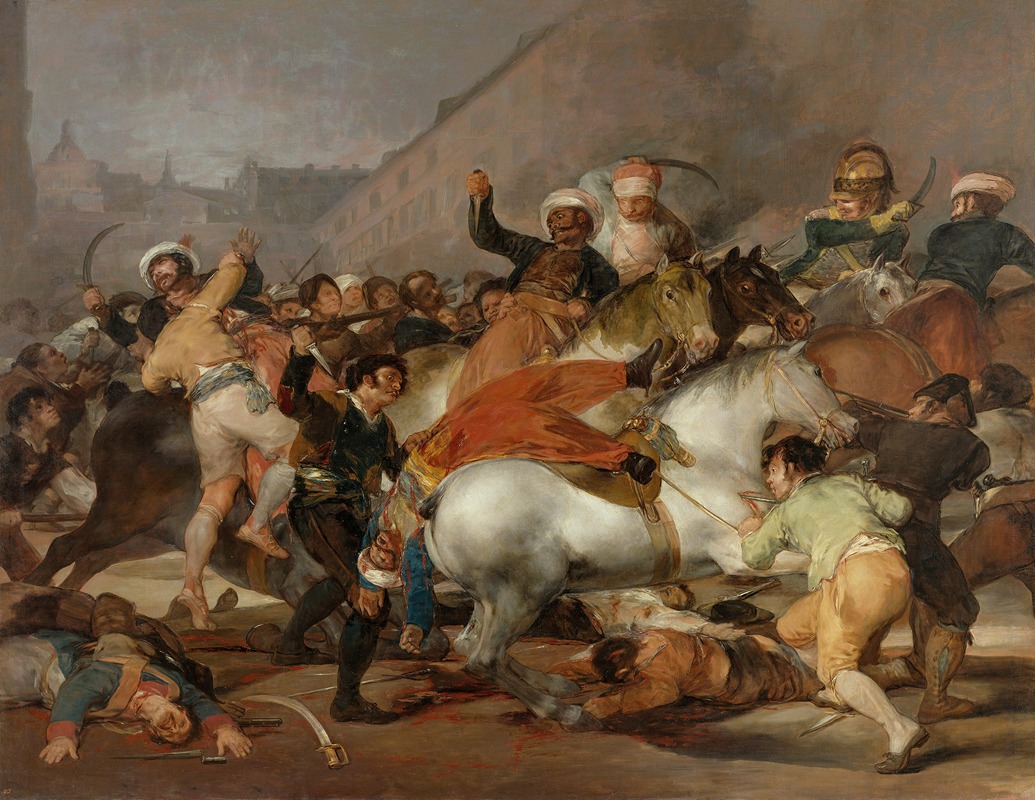
The Charge of the Mamelukes (1814)
Francisco de Goya
Historicalの作品
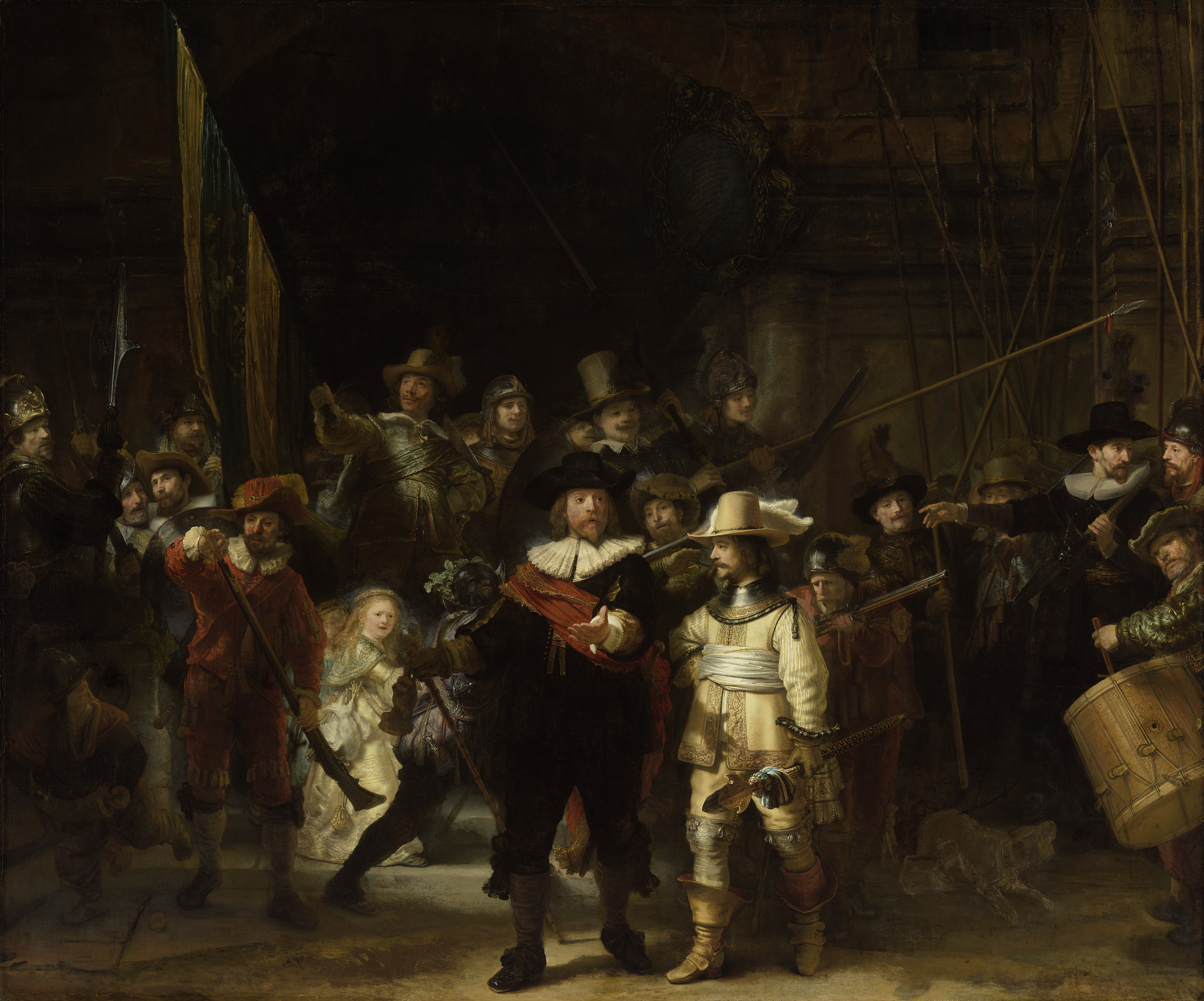
The Night Watch Militia Company of District II under the Command of Captain Frans Banninck Cocq
Rembrandt van Rijn
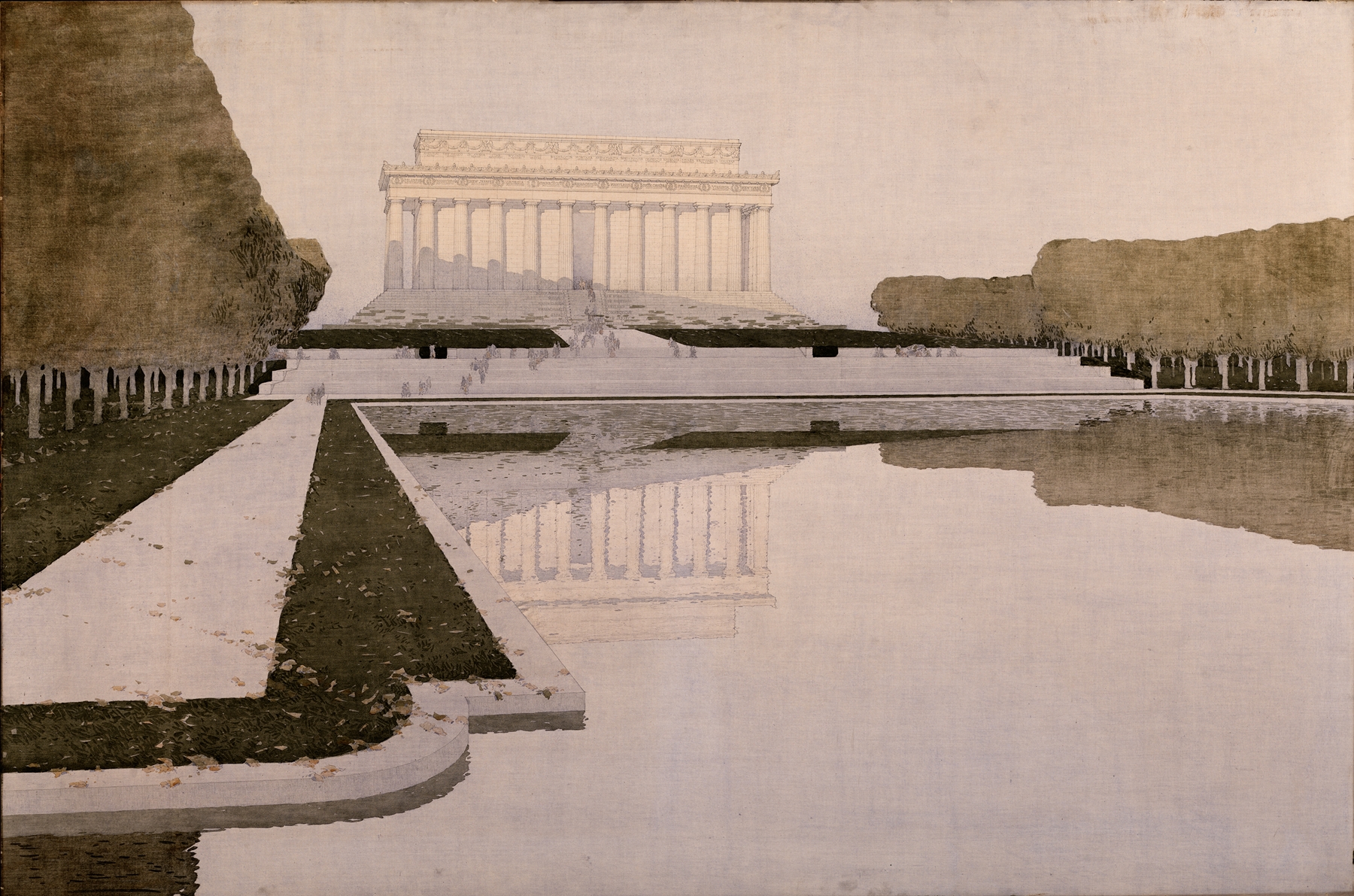
Lincoln Memorial
Henry Bacon
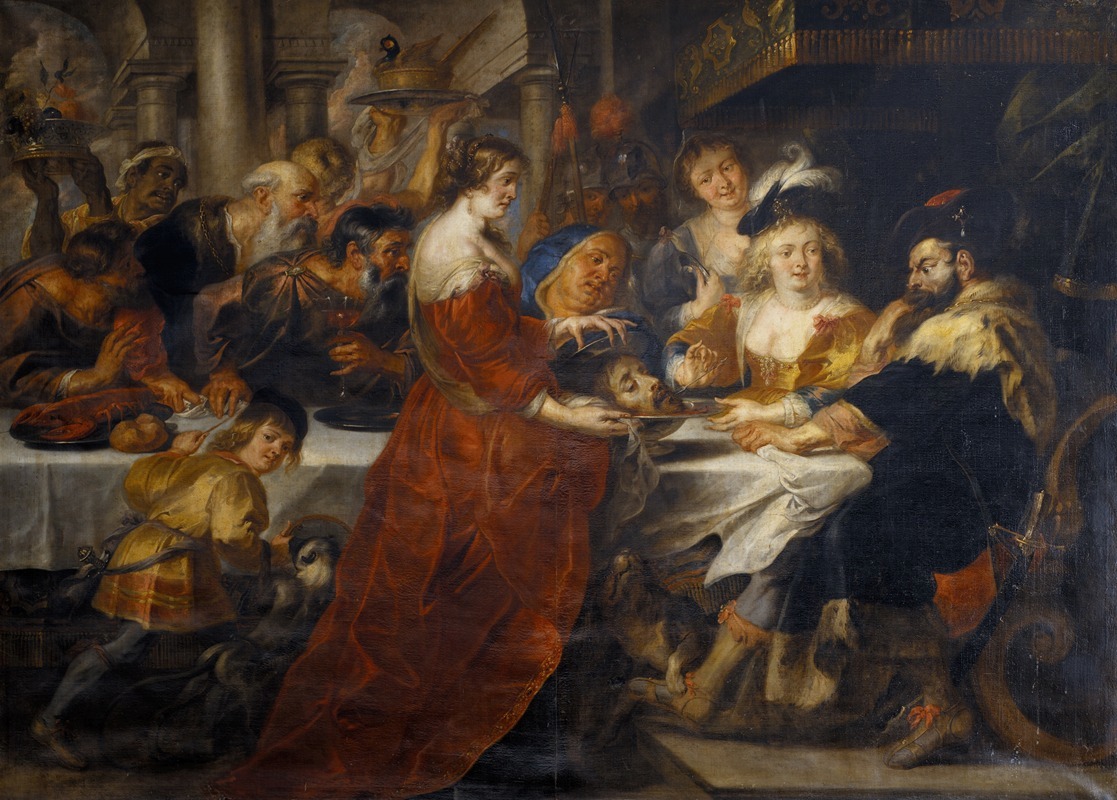
The Feast of Herod. Salome Bringing the Head of St John the Baptist on a Charger
Peter Paul Rubens
Los desastres de la guerra
Francisco de Goya
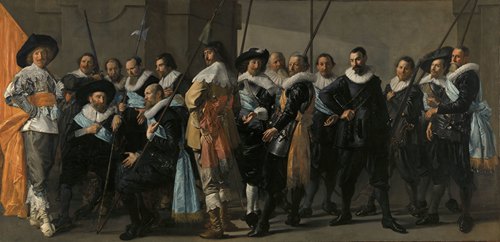
Militia Company of District XI under the Command of Captain Reynier Reael, Known as ‘The Meagre Company’
Frans Hals
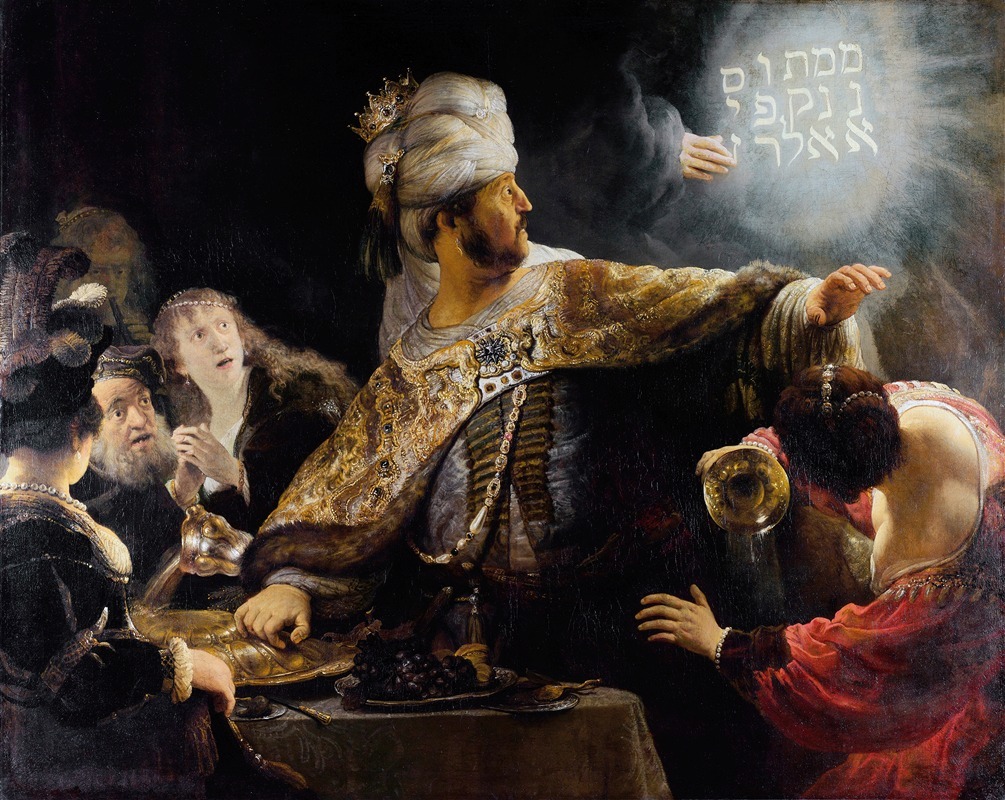
Belshazzar’s feast
Rembrandt van Rijn