この作品のインサイトを見る
Northeast View of the Back of the Original Altar of St. Barts the Great — 歴史と豆知識
色はいつ嘘を学んだのか?光と影の相互作用の中で、真実と幻想が融合し、より深い超越を招く。 祭壇の精巧なディテールに焦点を当てると、生命を吹き込むような繊細な彫刻に目が引き寄せられます。木工の柔らかく muted なトーンは、周囲の光の鮮やかな輝きと対比し、崇敬のオーラを生み出します。光が表面を流れ落ち、信仰と時間の物語をささやく複雑なパターンを照らす様子に注目してください。観客を地上と神聖の間に浮かぶ瞬間へと引き込みます。 よく見ると、祭壇の華やかな装飾とその精神的な重要性の重みとの対比から感情的な緊張が生じます。各影は歴史の重みを持ち、輝くハイライトは神聖なインスピレーションの瞬間を示唆します。静かな静けさが観客を包み込み、時間の経過と死に直面したときの超越への永続的な探求についての反省を促します。 ジョン・トーマス・スミスは1811年にこの作品を描きました。これは英国の重要な芸術的変遷の時期でした。彼は地形的な視点と歴史的な表現で知られ、精度と感情を融合させ、物質的および精神的な領域の本質を捉えようとしました。この時代は、自然の崇高さへの評価が高まった時期であり、芸術家たちは建築が永遠の感覚をどのように伝えることができるかを探求し始めました。
同じ作家の作品 John Thomas Smith
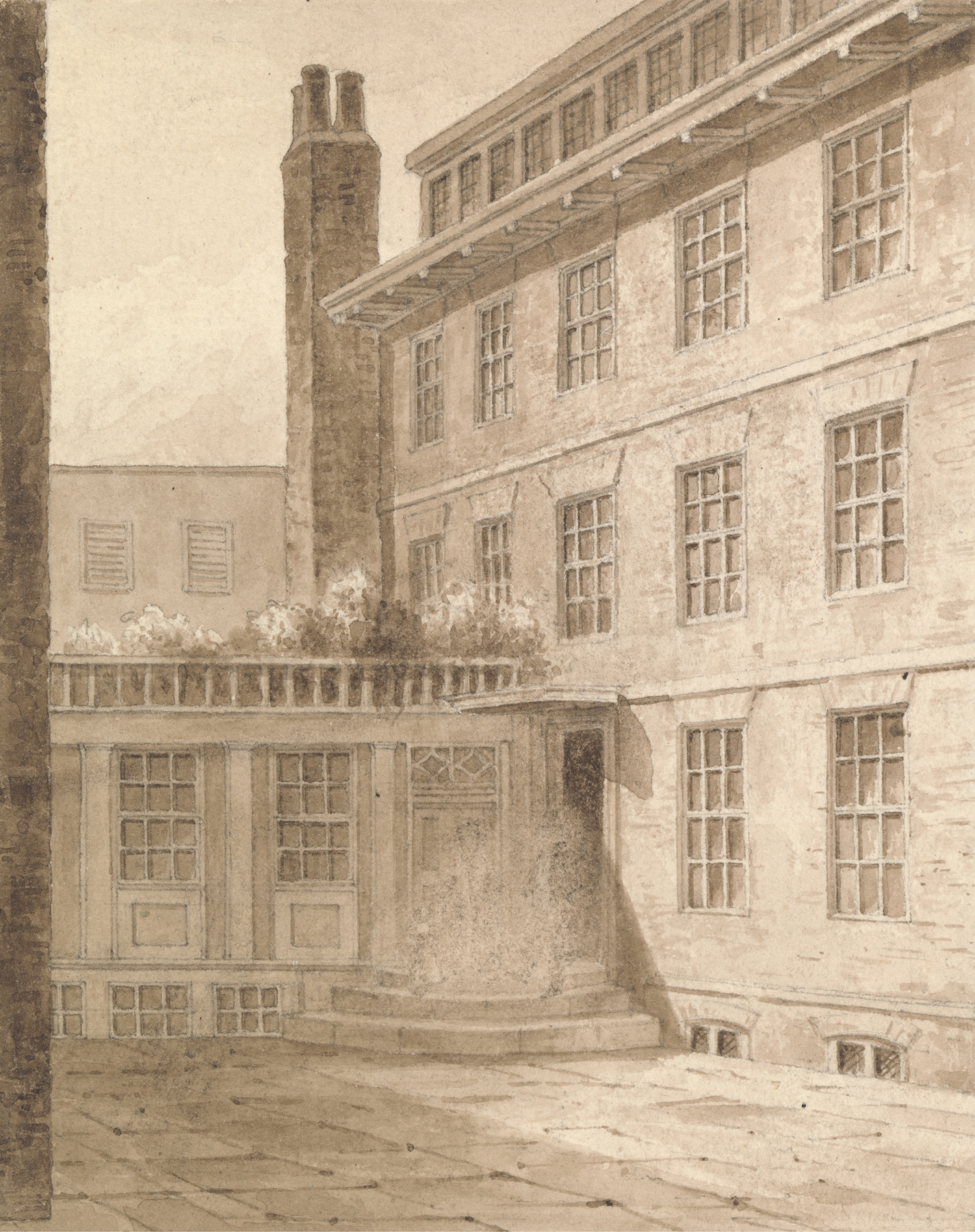
Dr. Johnson’s House in 8 Bolt Court, Fleet Street
John Thomas Smith
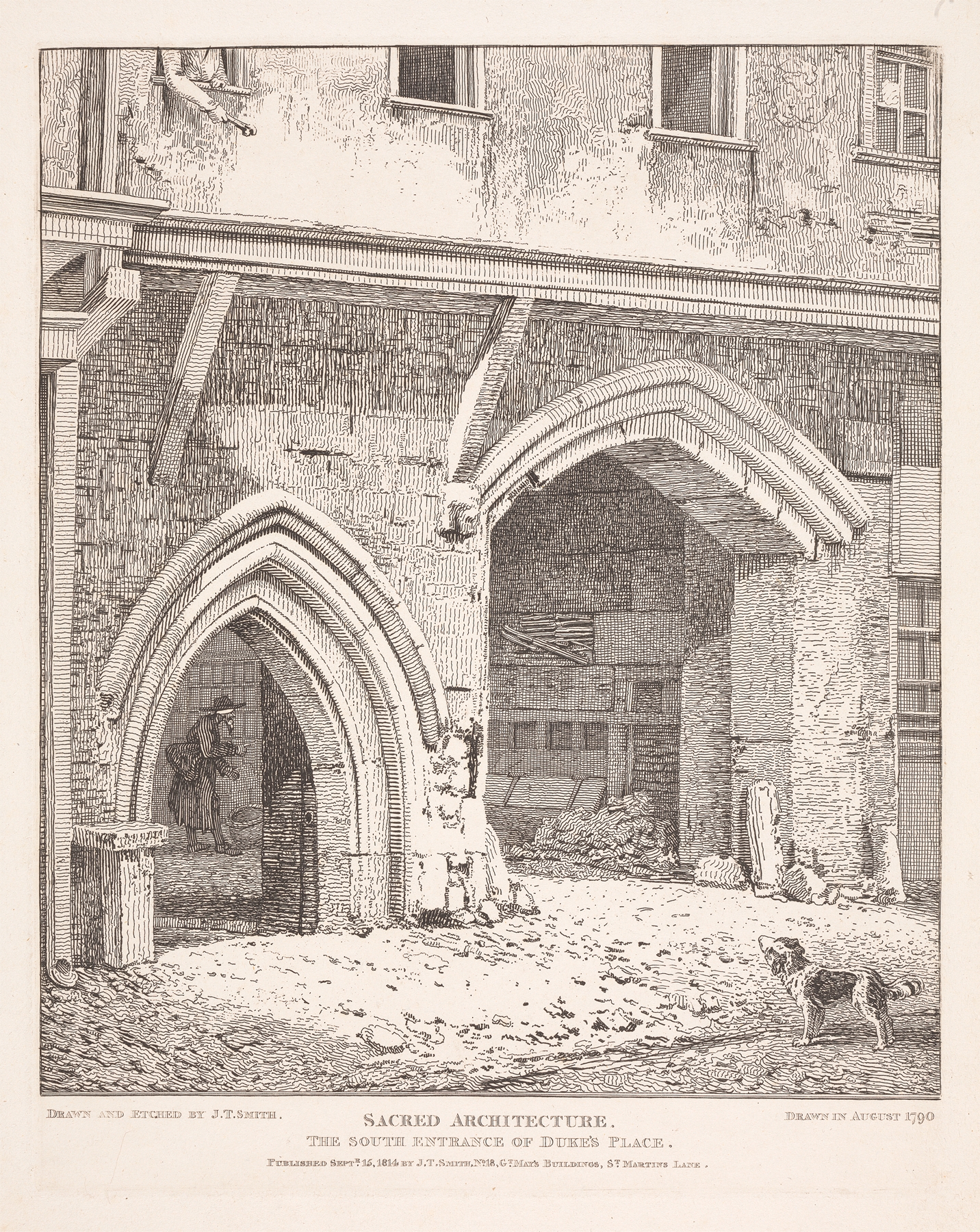
Sacred Architecture; the South Entrance of Dukes Place
John Thomas Smith
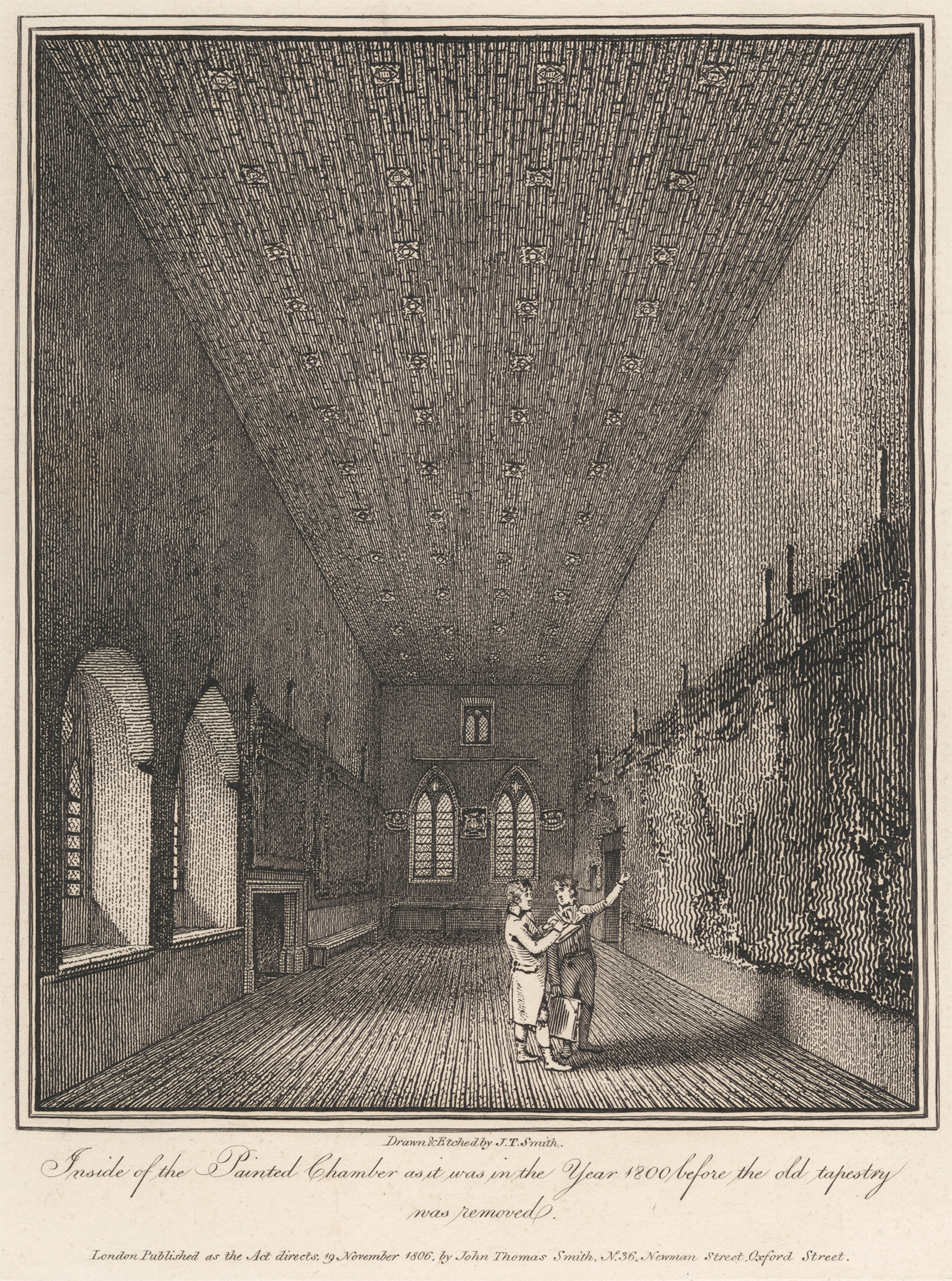
Inside the Painted Chamber as it was in the year 1800 before the old tapestry was removed
John Thomas Smith
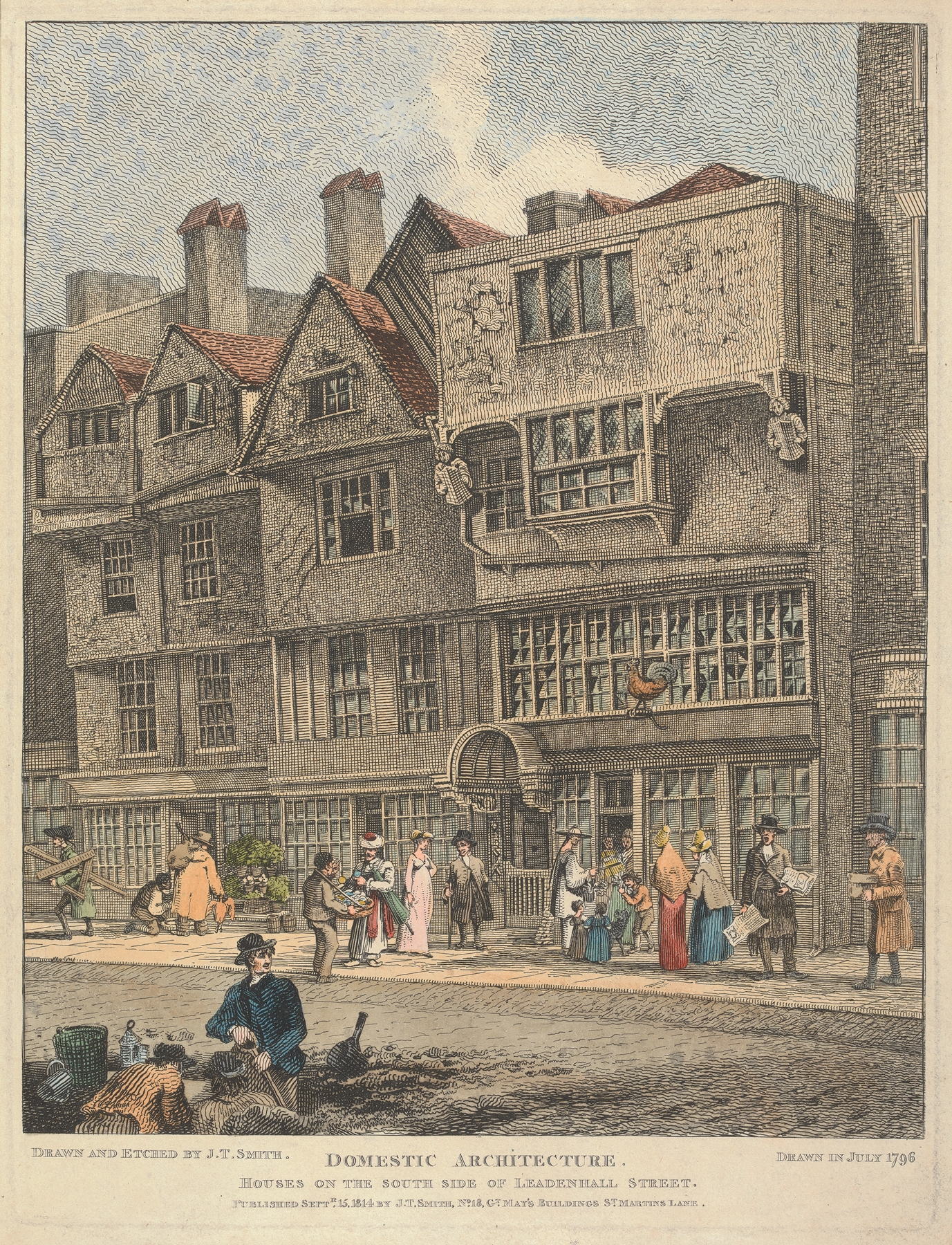
Houses on the South Side of Leadenhall Street
John Thomas Smith
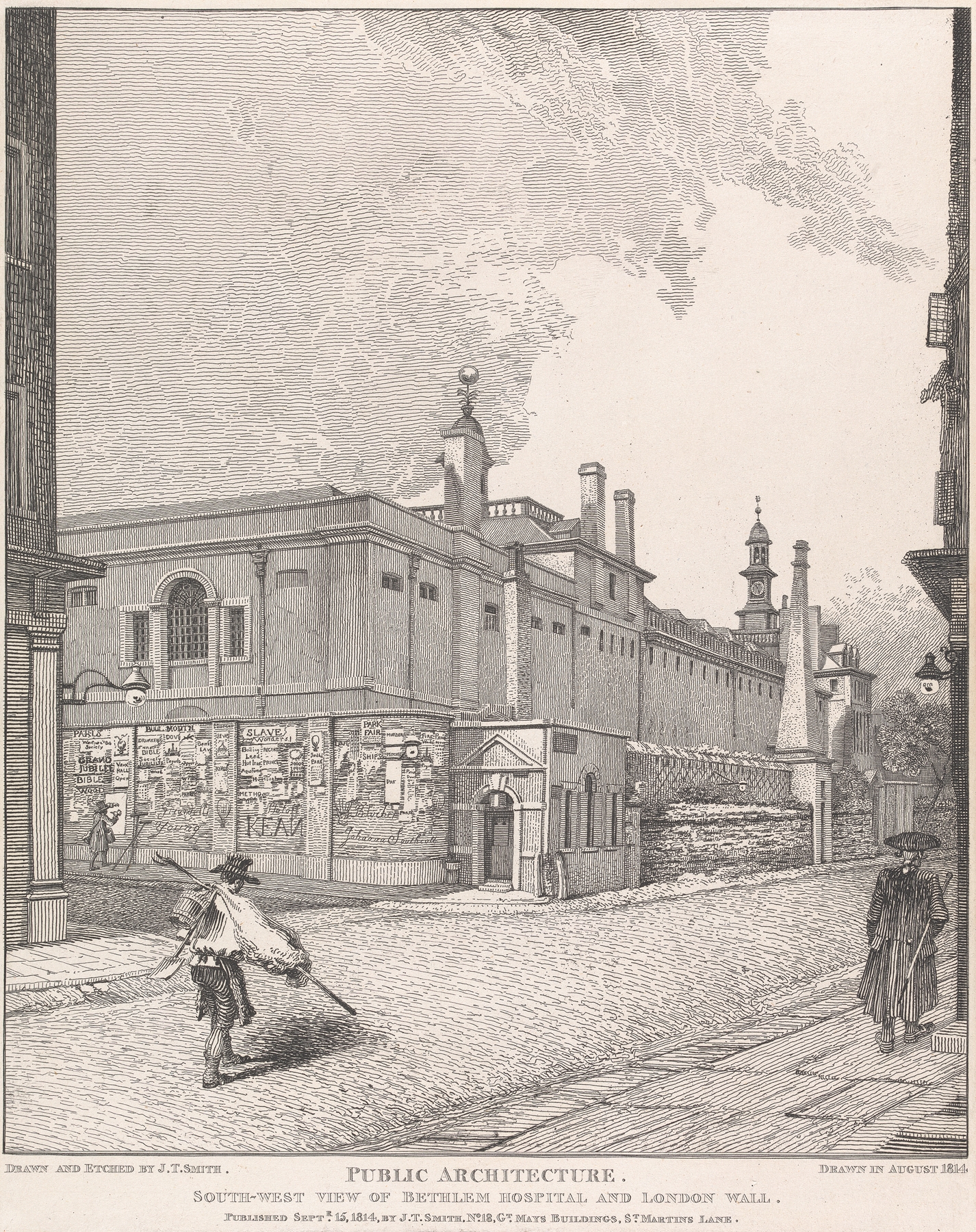
South West View of Bethlem Hospital and London Wall
John Thomas Smith
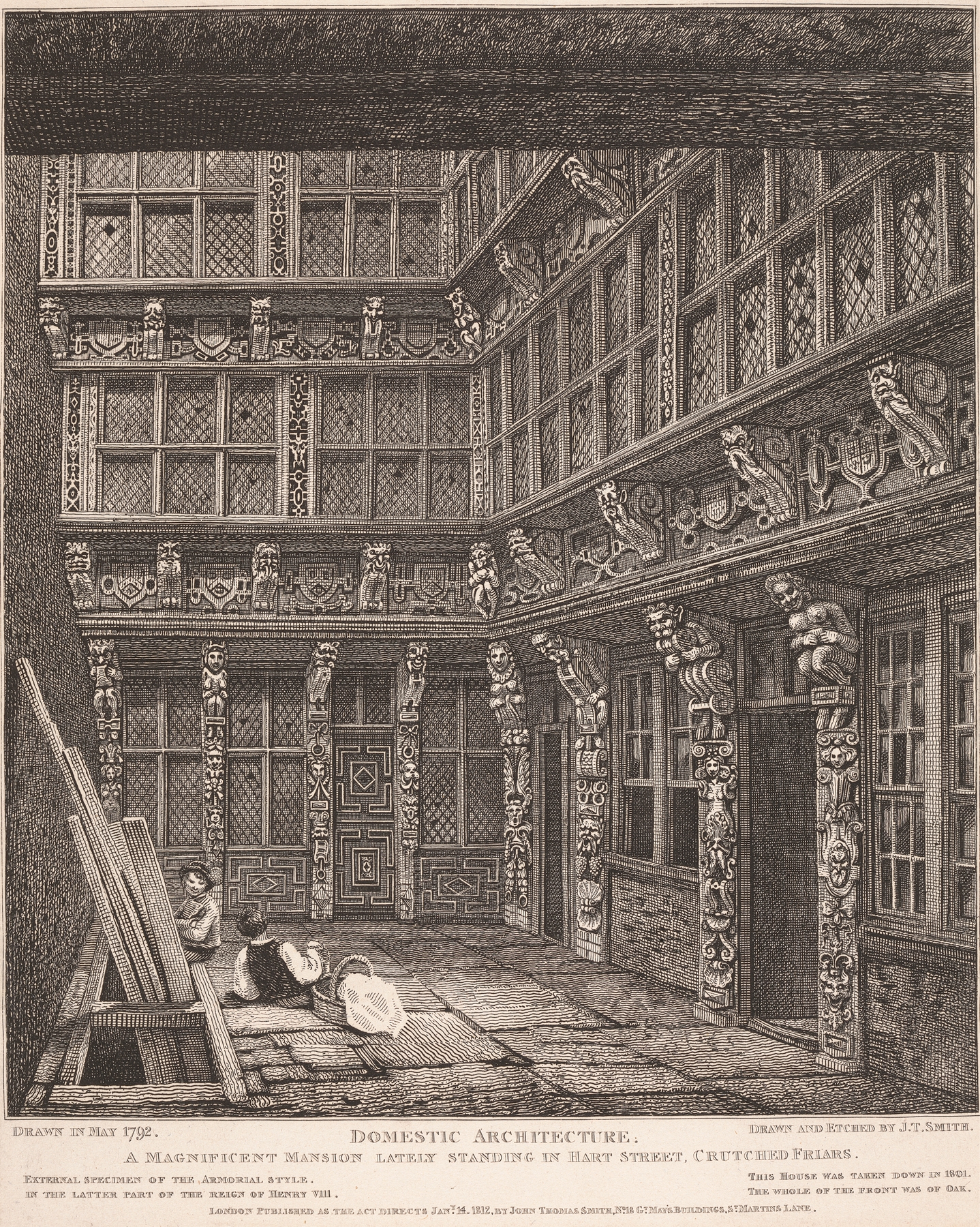
Domestic Architecture, A Magnificent Mansion Lately Standing in Hart Street, Crutched Friars
John Thomas Smith

Winchester Street, London Wall
John Thomas Smith
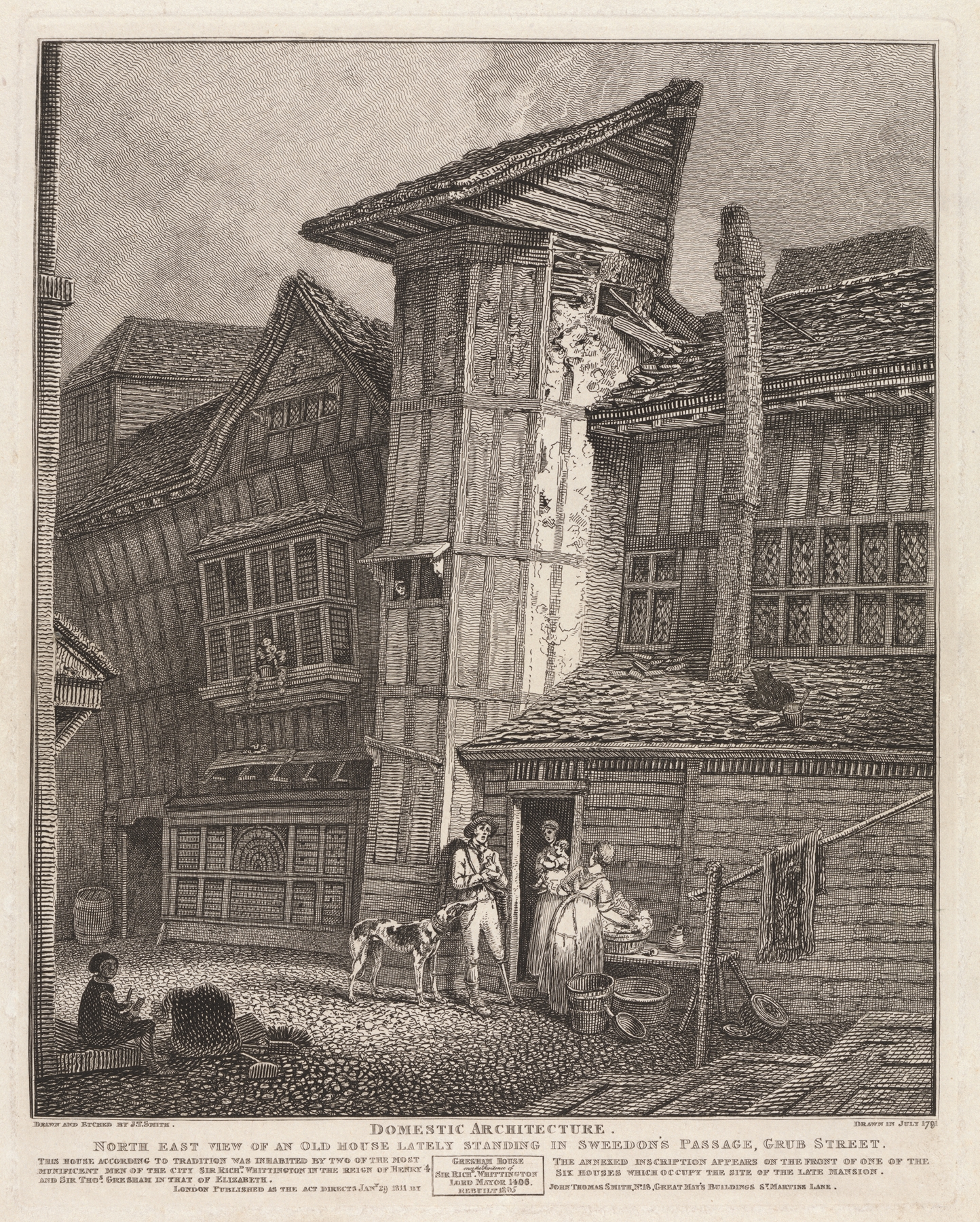
Domestic Architecture – N. E. View of an Old House lately Standing in Sweedon’s Passage, Grub Street
John Thomas Smith
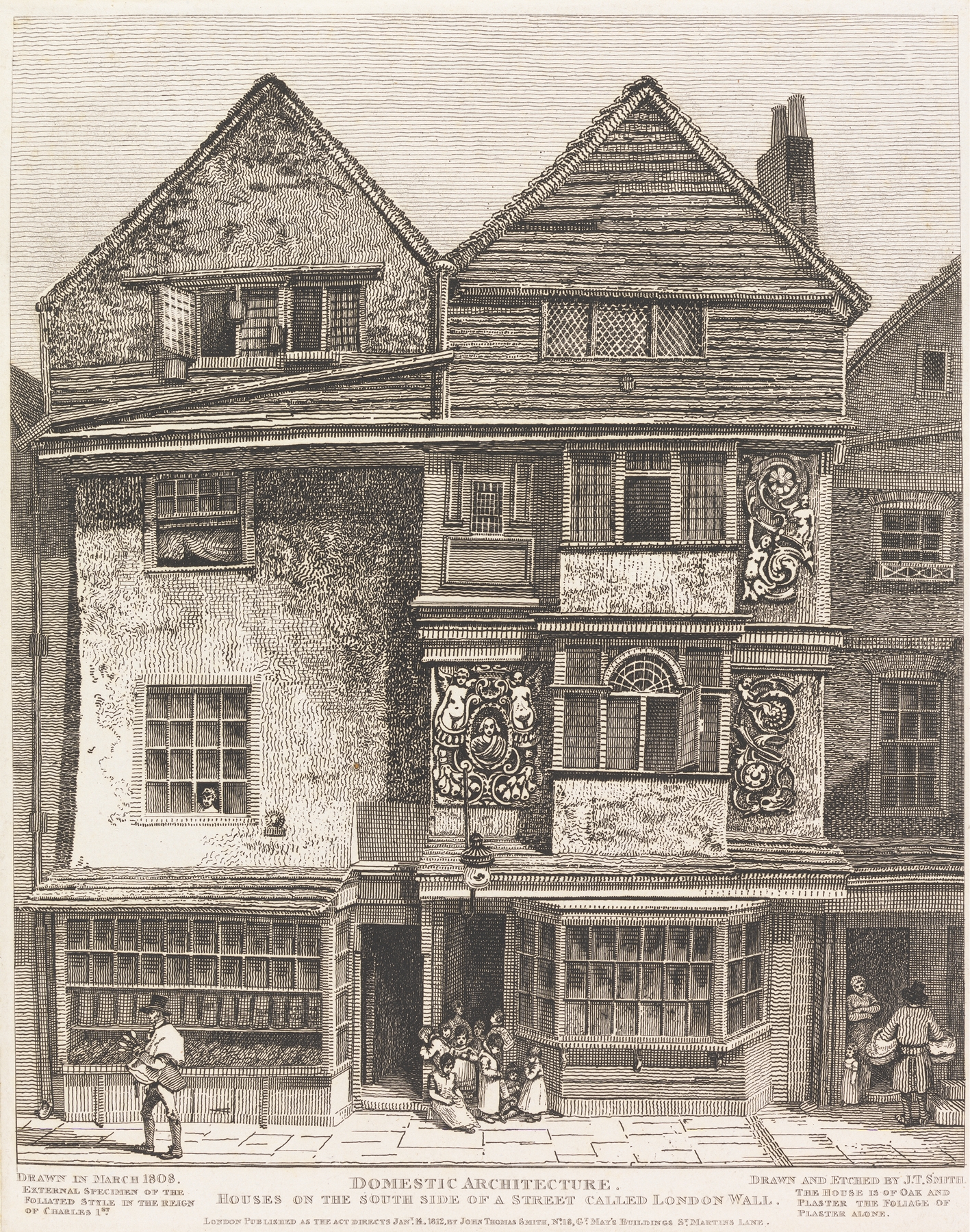
Houses on the South SIde of a Street called London Wall
John Thomas Smith
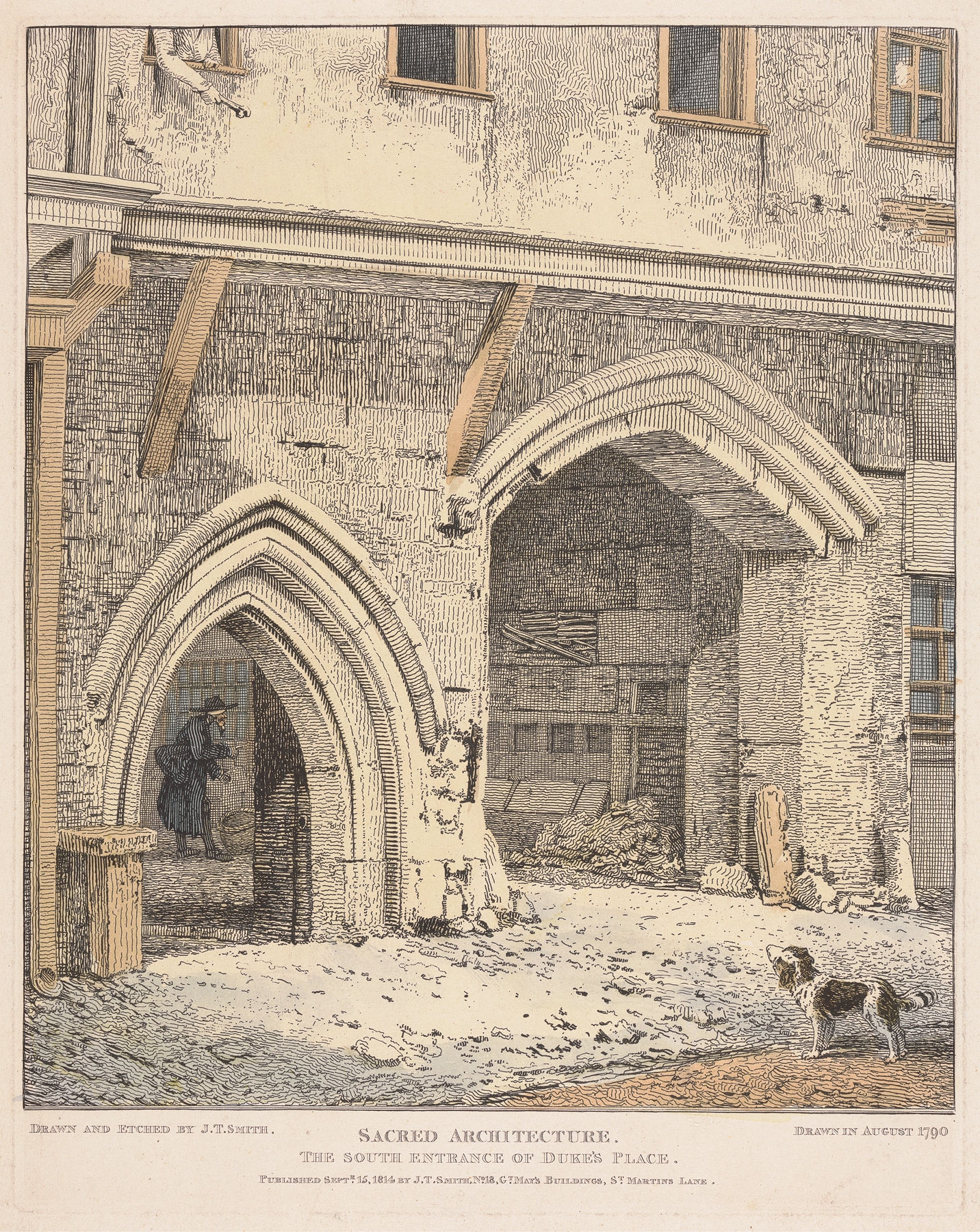
The South Entrance of Duke’s Place
John Thomas Smith