
この作品のインサイトを見る
Prang’s progressive studies in water-color painting, Part II – advanced studies, No. 1 — 歴史と豆知識
光はどこで終わり、渇望はどこから始まるのか?水彩の繊細な相互作用の中で、脆さは技法と感情の両方として現れ、私たちの存在の微妙な感情を捉えます。 ページを踊る優しい筆致に注目してください。柔らかな青と緑の色合いが絡み合っています。光が層を通り抜けて滲む様子に気づいてください。これは、思索を誘うような超現実的な質感を生み出します。構図は優雅な曲線と微妙なグラデーションで流れ、目を馳せる風景は、親しみやすくも夢のようで、私たちの手の届かない領域に存在しているかのようです。 表面の下には、儚さと永遠の間の緊張があります。透明な洗いは、過ぎ去った瞬間を想起させるノスタルジアを呼び起こします。しかし、この繊細さの中には力強さがあります。脆さはしばしばレジリエンスと共存することを思い出させます。色と形の相互作用は人間の感情を映し出し、美しさと脆さが一つのフレームの中で共存できることを明らかにします。 1890年、ウィル・S・ロビンソンは『プランの水彩画進歩的研究、第2部 - 上級研究、第1号』を創作しました。この時期は、芸術技法の実験が特徴的でした。水彩は媒介として人気を集め、しばしば教育と自己表現のために使用されました。ロビンソンはこの風景を探求し、光と色の可能性を活用して、より深い感情的真実を伝えようとしました。これは当時の芸術の進化するダイナミクスを反映しています。
同じ作家の作品 Will S. Robinson
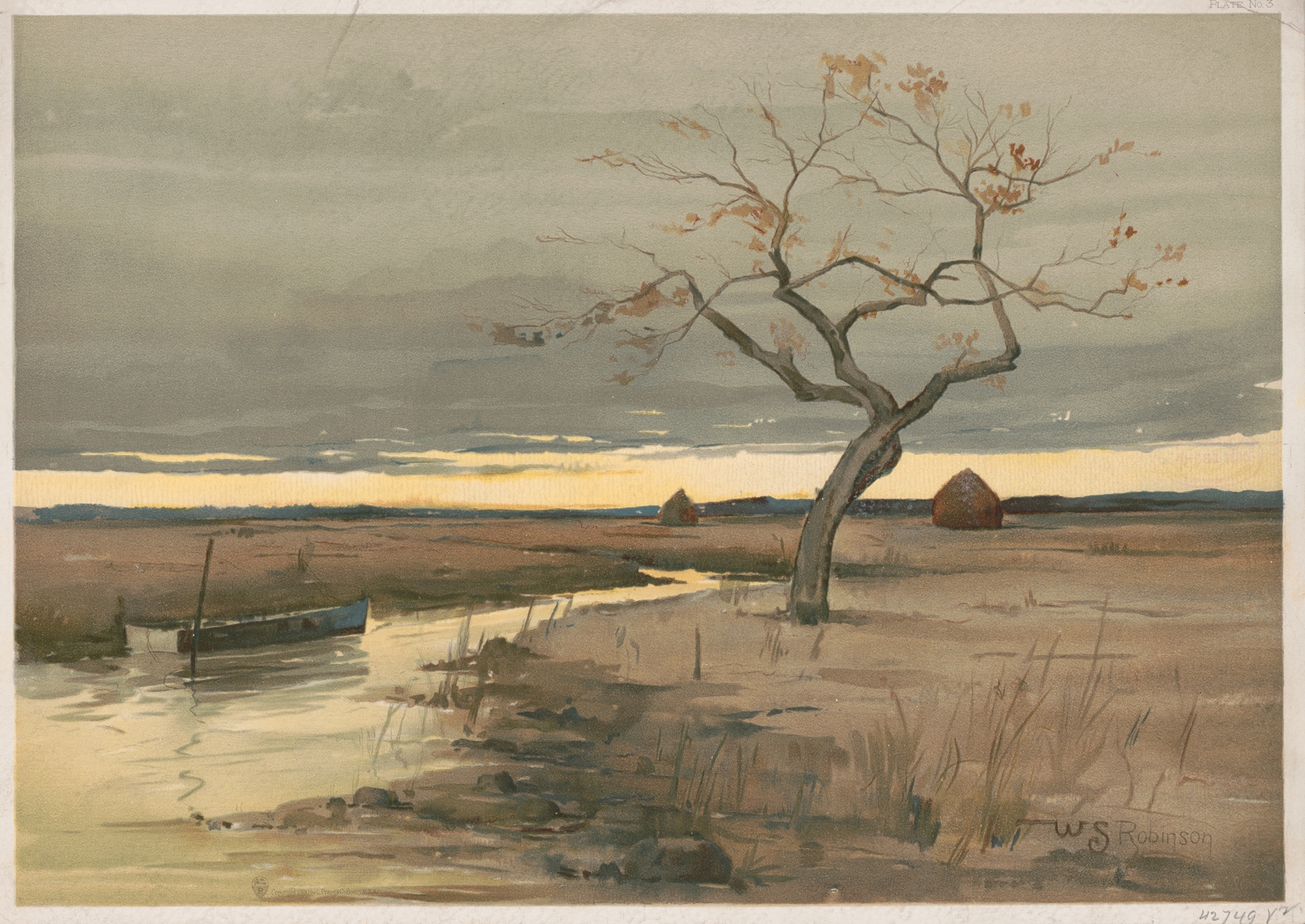
Prang’s progressive studies in water-color painting, Part II – advanced studies, No. 3
Will S. Robinson
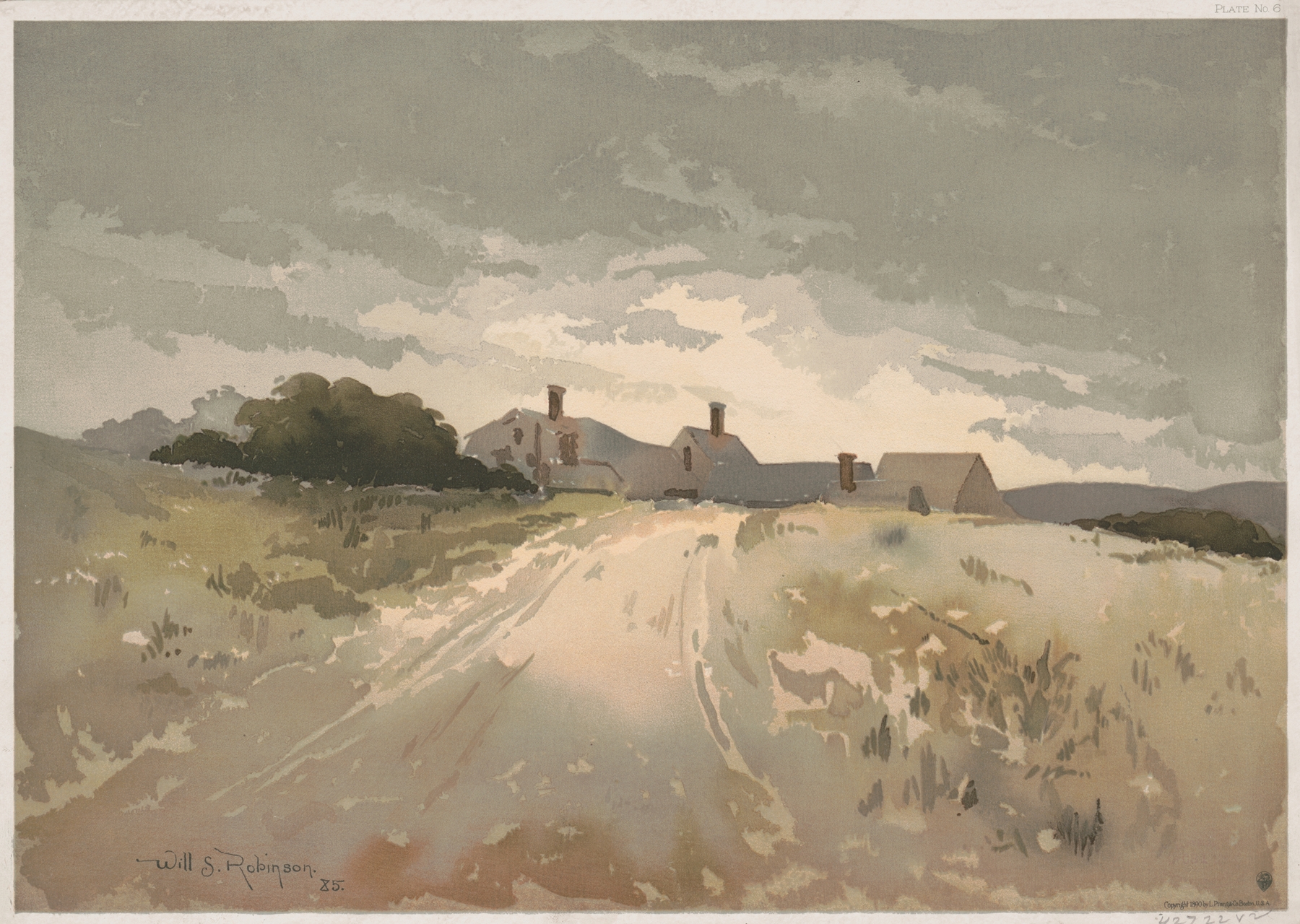
Prang’s progressive studies in water-color painting, Part II – advanced studies, No. 6
Will S. Robinson
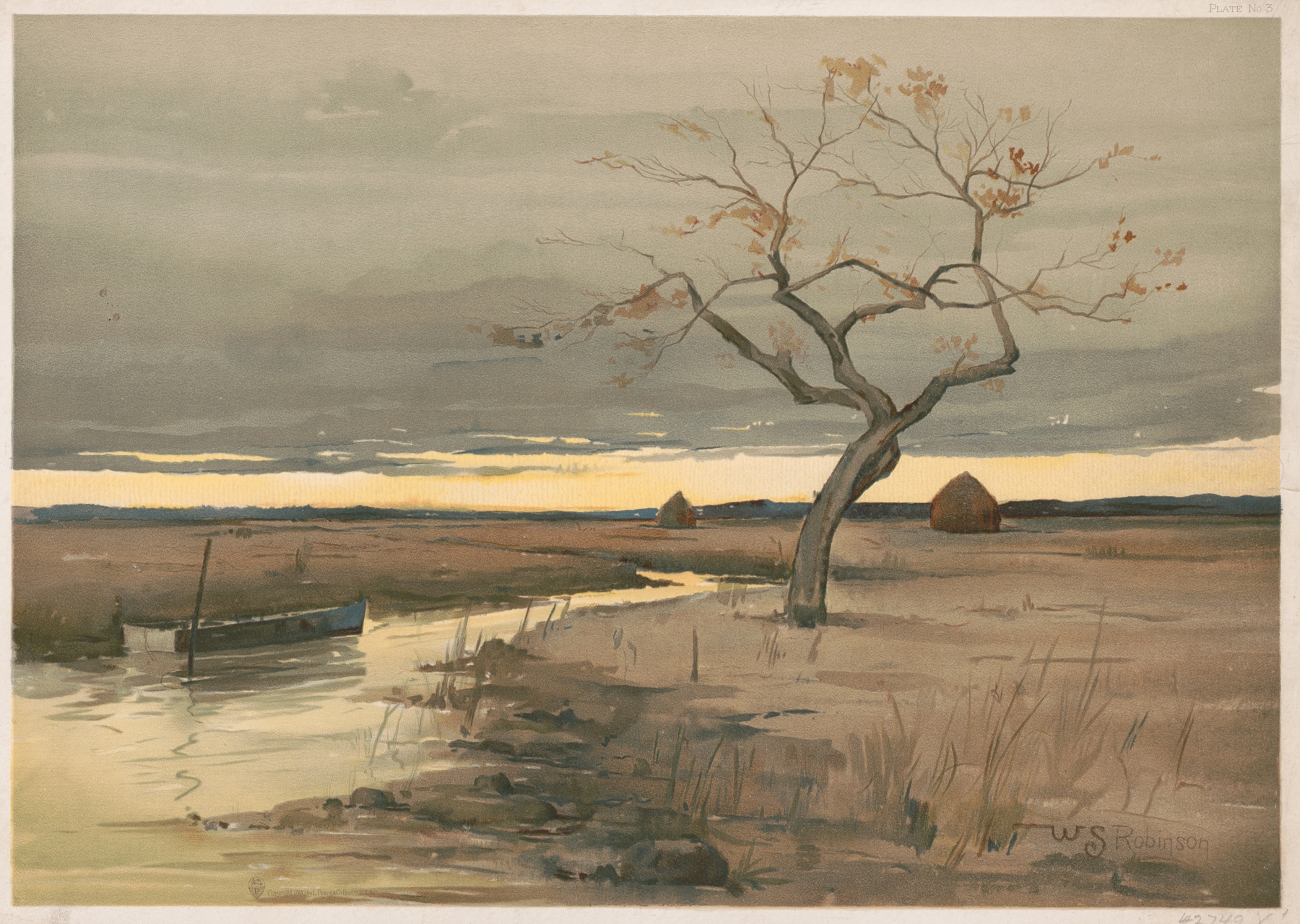
Progressive studies in watercolor painting, no. 3
Will S. Robinson
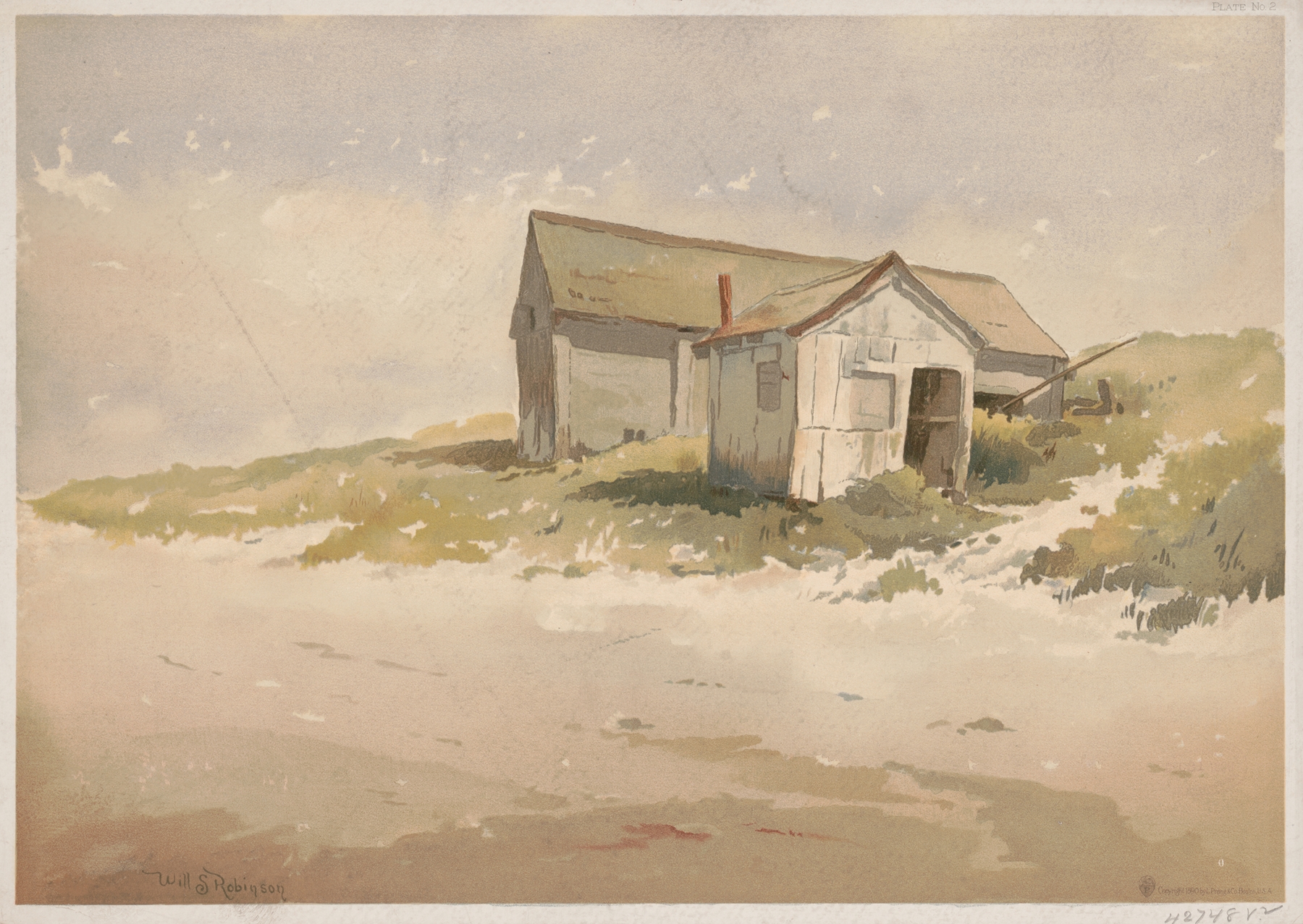
Prang’s progressive studies in water-color painting, Part II – advanced studies, No. 2
Will S. Robinson
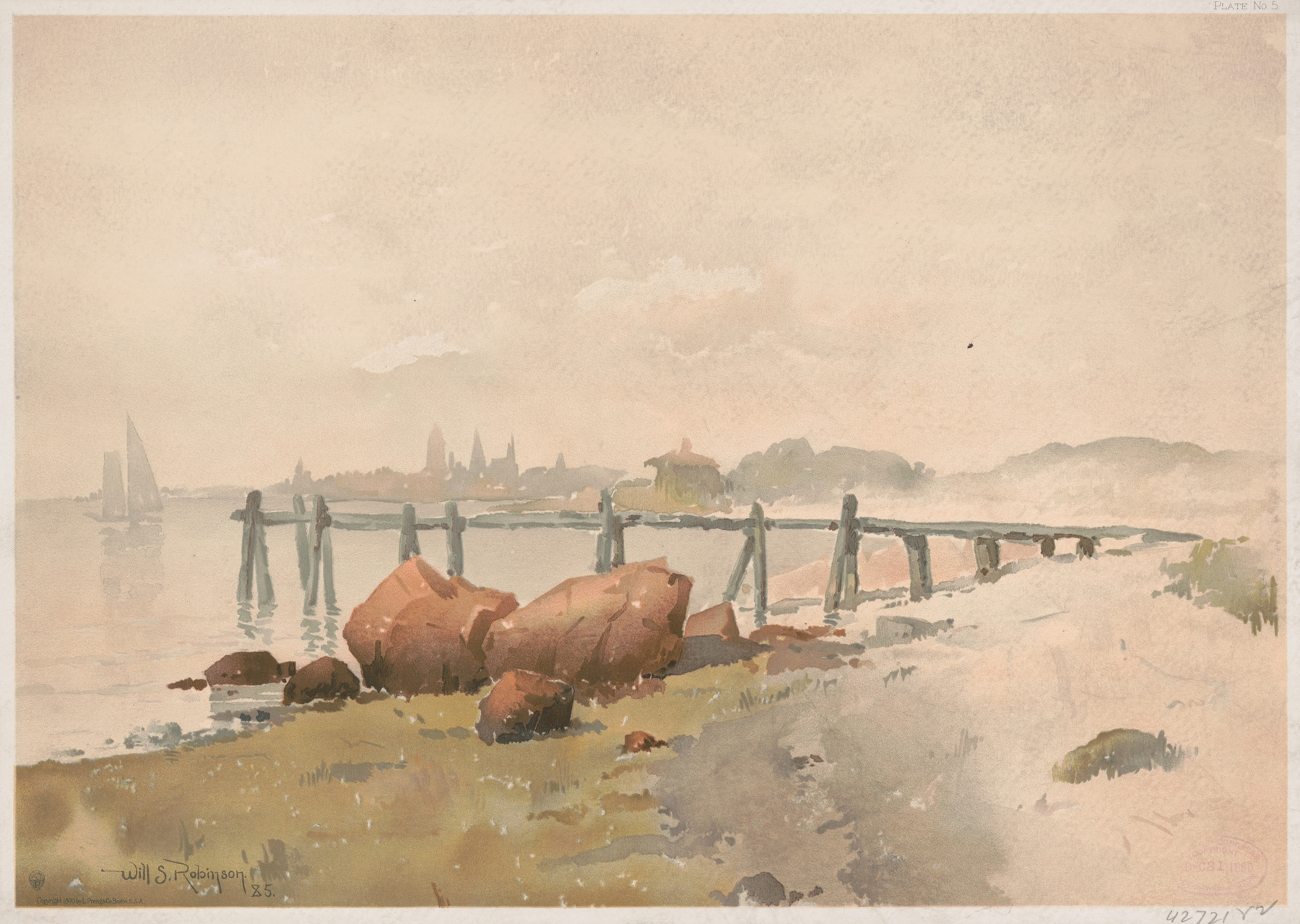
Prang’s progressive studies in water-color painting, Part II – advanced studies, No. 5
Will S. Robinson
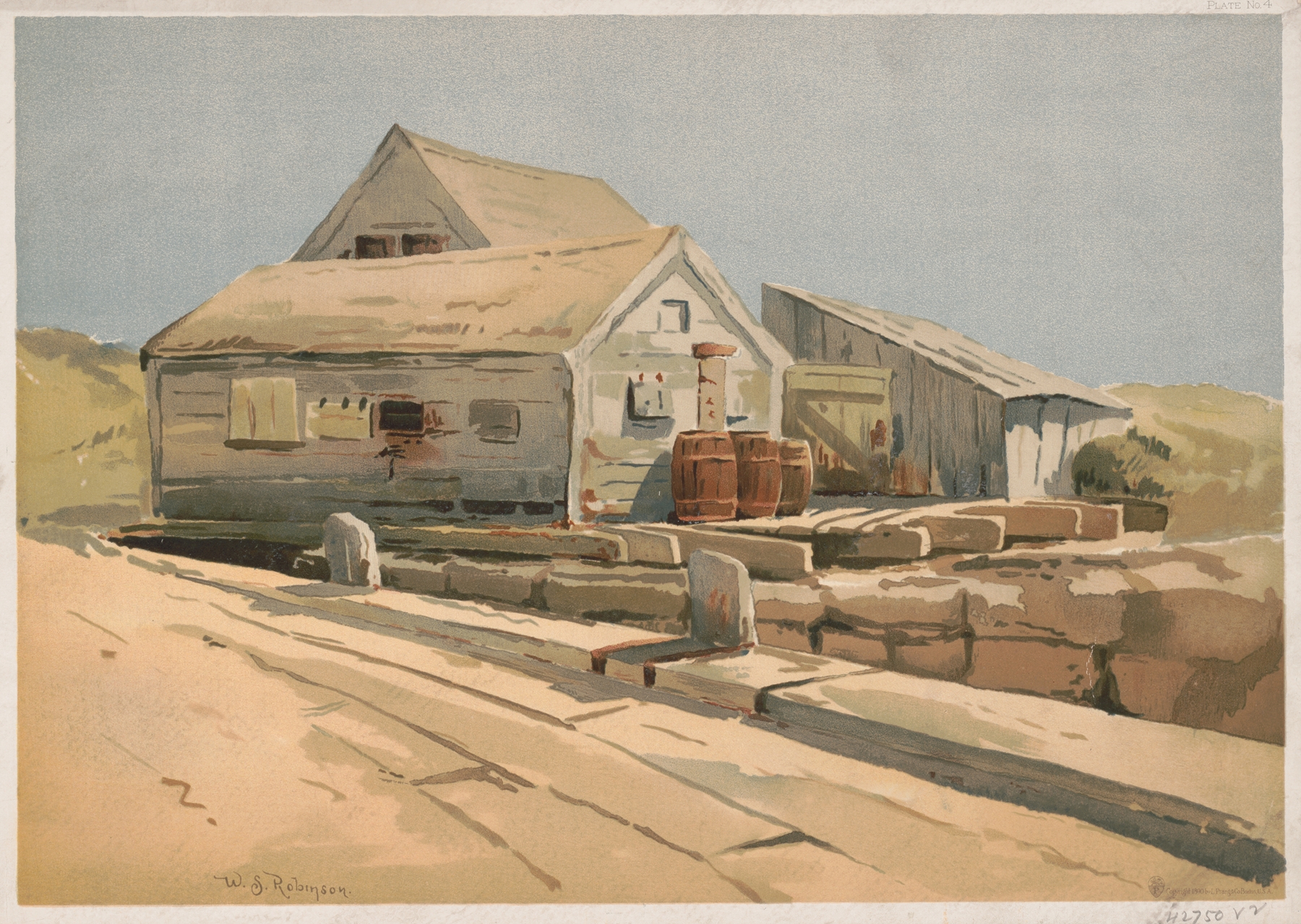
Prang’s progressive studies in water-color painting, Part II – advanced studies, No. 4
Will S. Robinson
Illustrationの作品
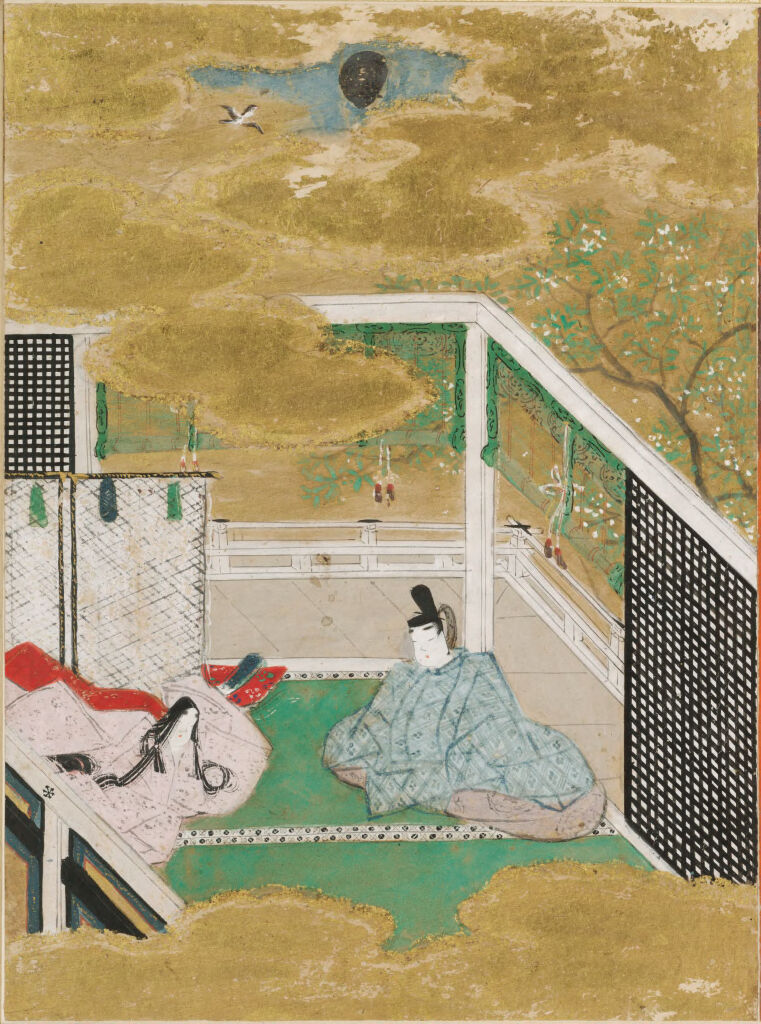
Falling Flowers (Hanachirusato), Illustration to Chapter 11 of the Tale of Genji (Genji monogatari)
Tosa Mitsunobu
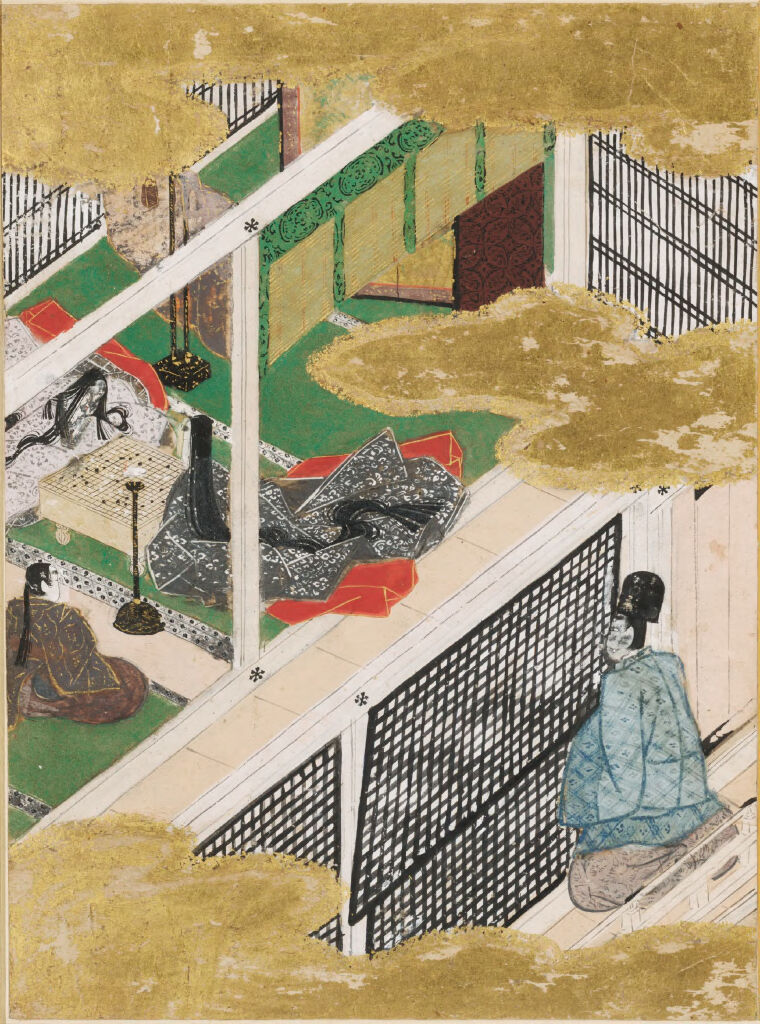
The Cicada Shell (Utsusemi), Illustration to Chapter 3 of the Tale of Genji (Genji monogatari)
Tosa Mitsunobu
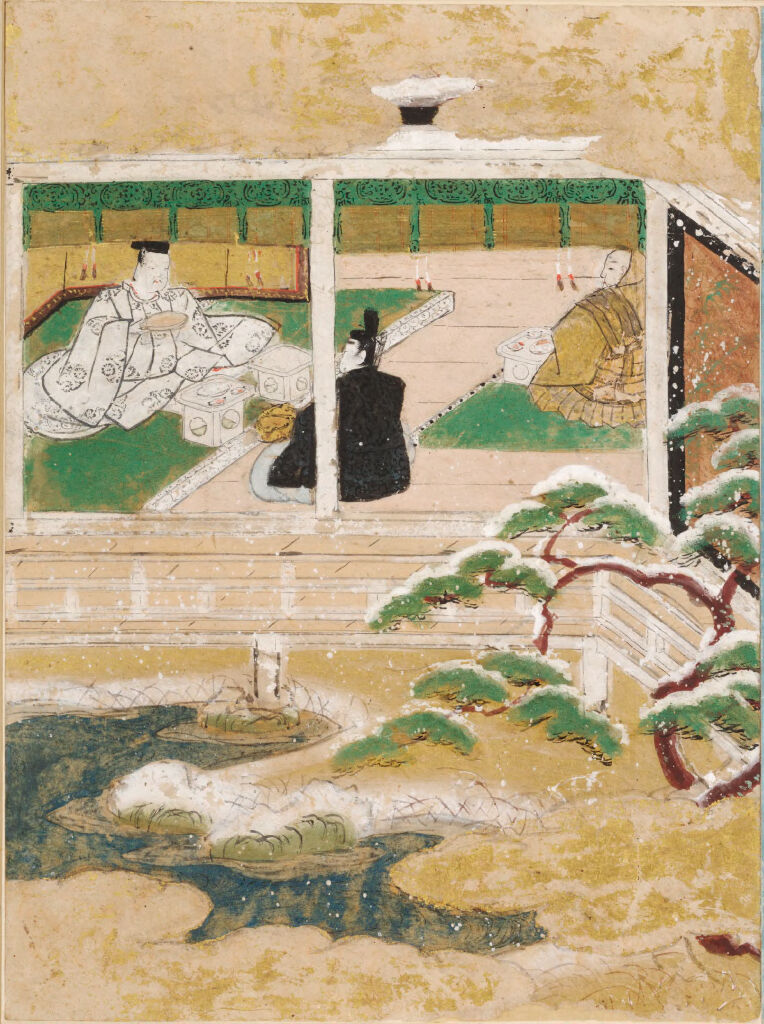
The Seer (Maboroshi), Illustration to Chapter 41 of the Tale of Genji (Genji monogatari)
Tosa Mitsunobu
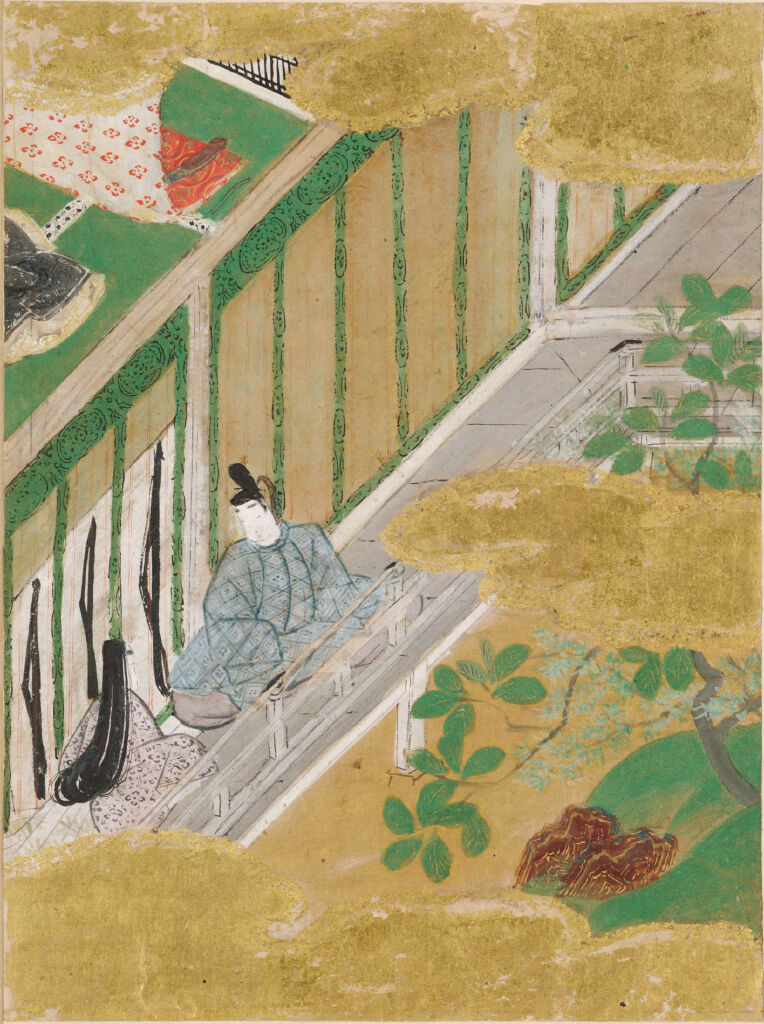
The Oak Tree (Kashiwagi), Illustration to Chapter 36 of the Tale of Genji (Genji monogatari)
Tosa Mitsunobu
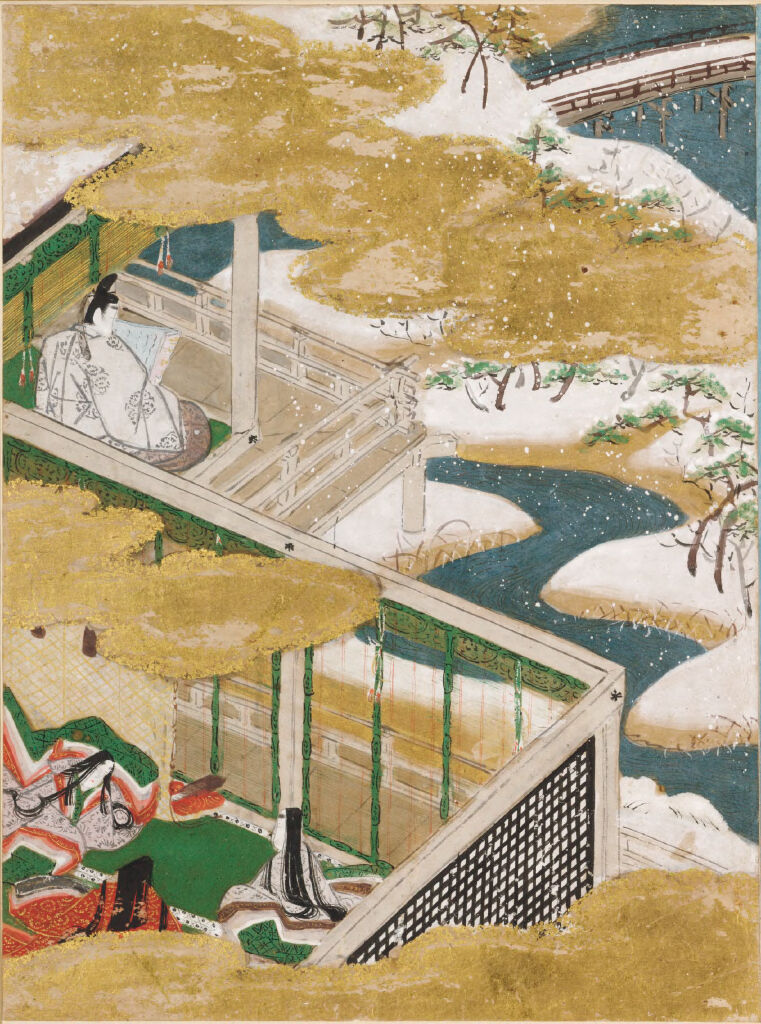
Beneath the Oak (Shiigamoto), Illustration to Chapter 46 of the Tale of Genji (Genji monogatari)
Tosa Mitsunobu
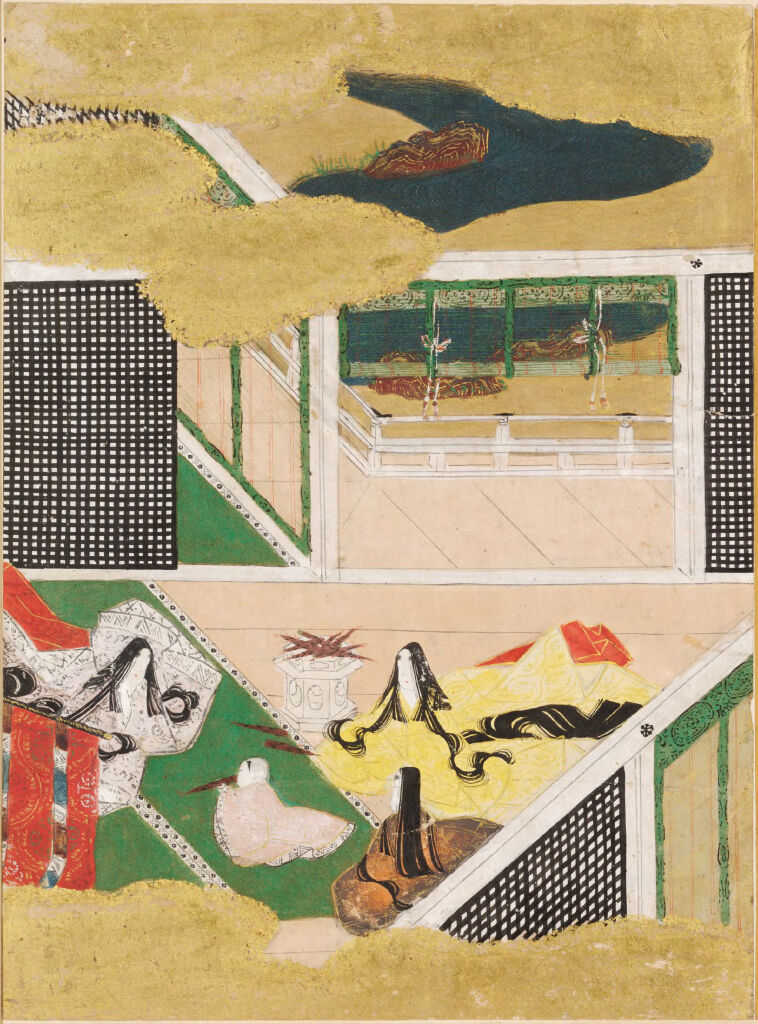
The Flute (Yokobue), Illustration to Chapter 37 of the Tale of Genji (Genji monogatari)
Tosa Mitsunobu