
この作品のインサイトを見る
The Empire of Flora — 歴史と豆知識
フローラの帝国では、鮮やかな色彩がキャンバスを支配し、豊かな緑と明るい花の色合いを示しています。中央の人物であるフローラは、流れるようなドレスを着て描かれ、さまざまな花や葉に囲まれています。この設定は、豊かさと繁栄のテーマを強調する豊かな自然環境を作り出しています。全体の構図は調和が取れており、複雑で、観客を詳細に探求するよう招いています。 この絵画は油彩キャンバスで制作されており、ニコラ・プッサンの一般的な媒体です。筆致は緻密で、花やフローラの衣装の細部が表現されています。光と影の使い方はシーンに深みを加え、人物の三次元感を高めています。この絵画の全体的なサイズは約100 x 130 cmであり、スケールの面で重要な作品となっています。 ニコラ・プッサンはバロック運動の主要な人物であり、自然や神話のテーマを探求することが多かったです。フローラの帝国は、フローラを春と再生の象徴として描く寓話的表現への彼の関心を反映しています。この作品に関する興味深い事実は、プライベートコレクションのために委託された可能性が高く、バロック時代の芸術とその後援者との個人的なつながりを強調していることです。プッサンの細部と構図への注意は、この作品を彼の芸術的遺産の顕著な例にしています。
同じ作家の作品 Nicolas Poussin
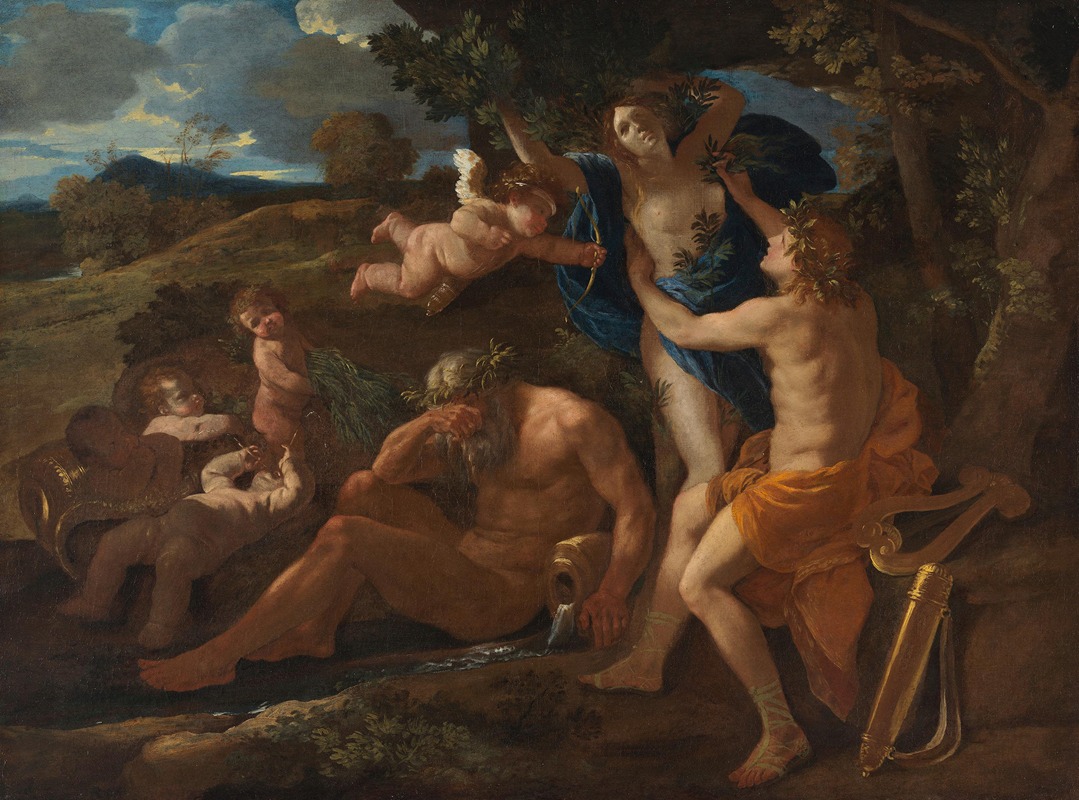
Apollo and Daphne
Nicolas Poussin
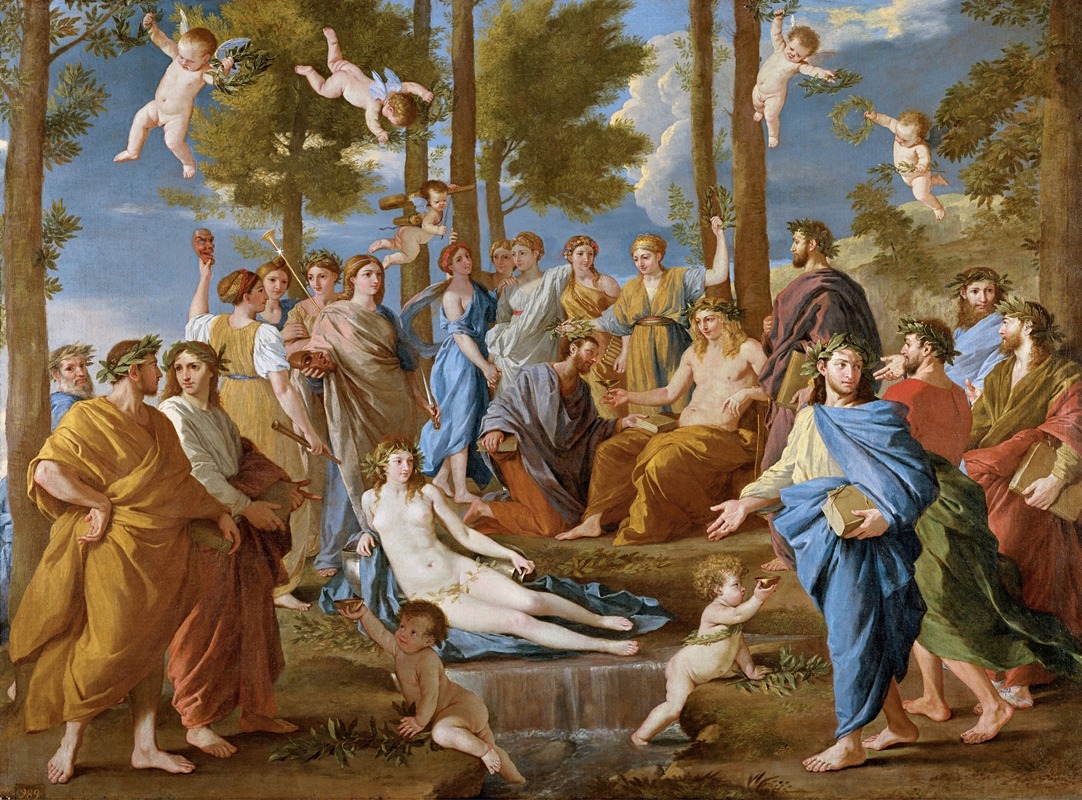
El Parnaso
Nicolas Poussin
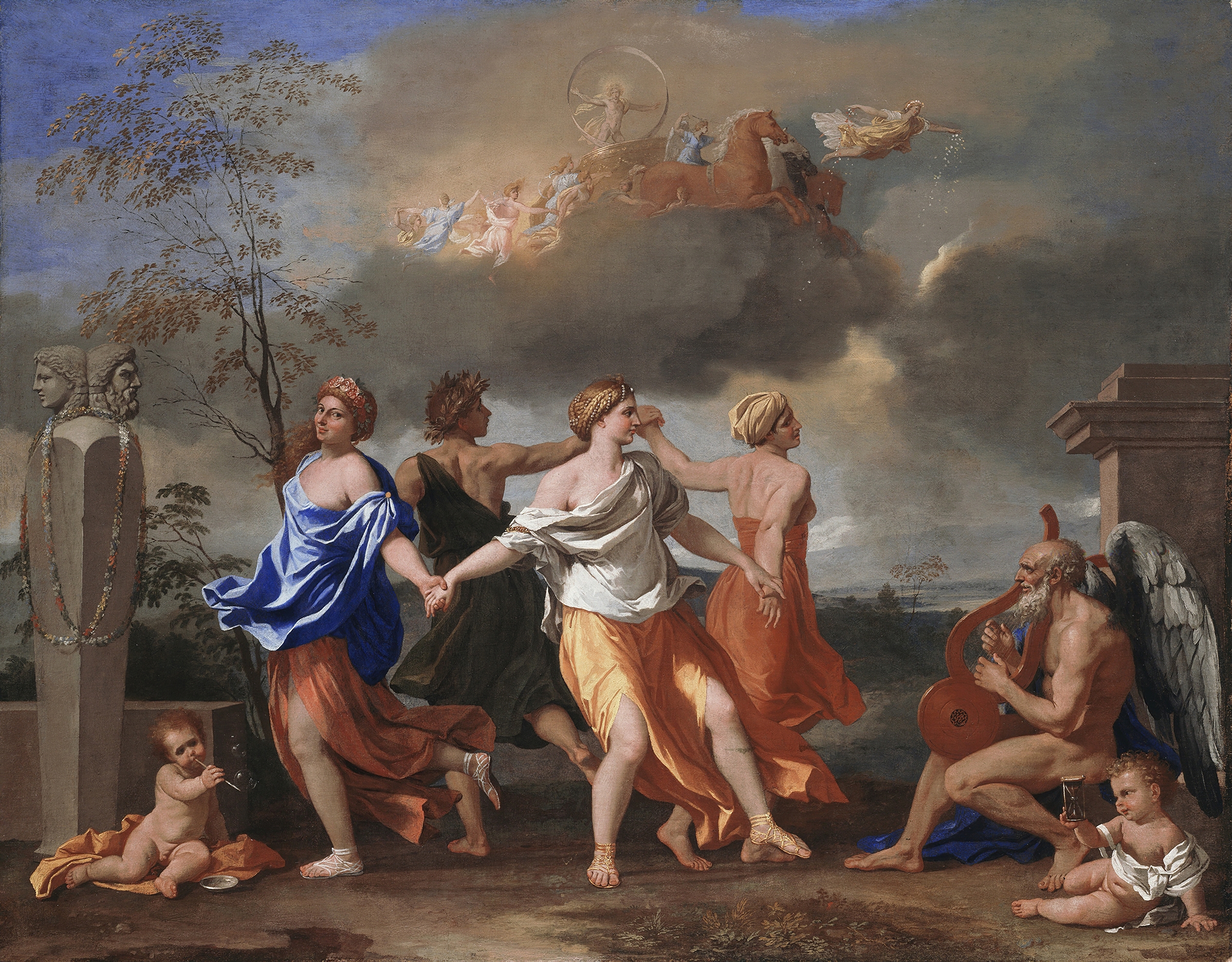
A Dance to the Music of Time
Nicolas Poussin
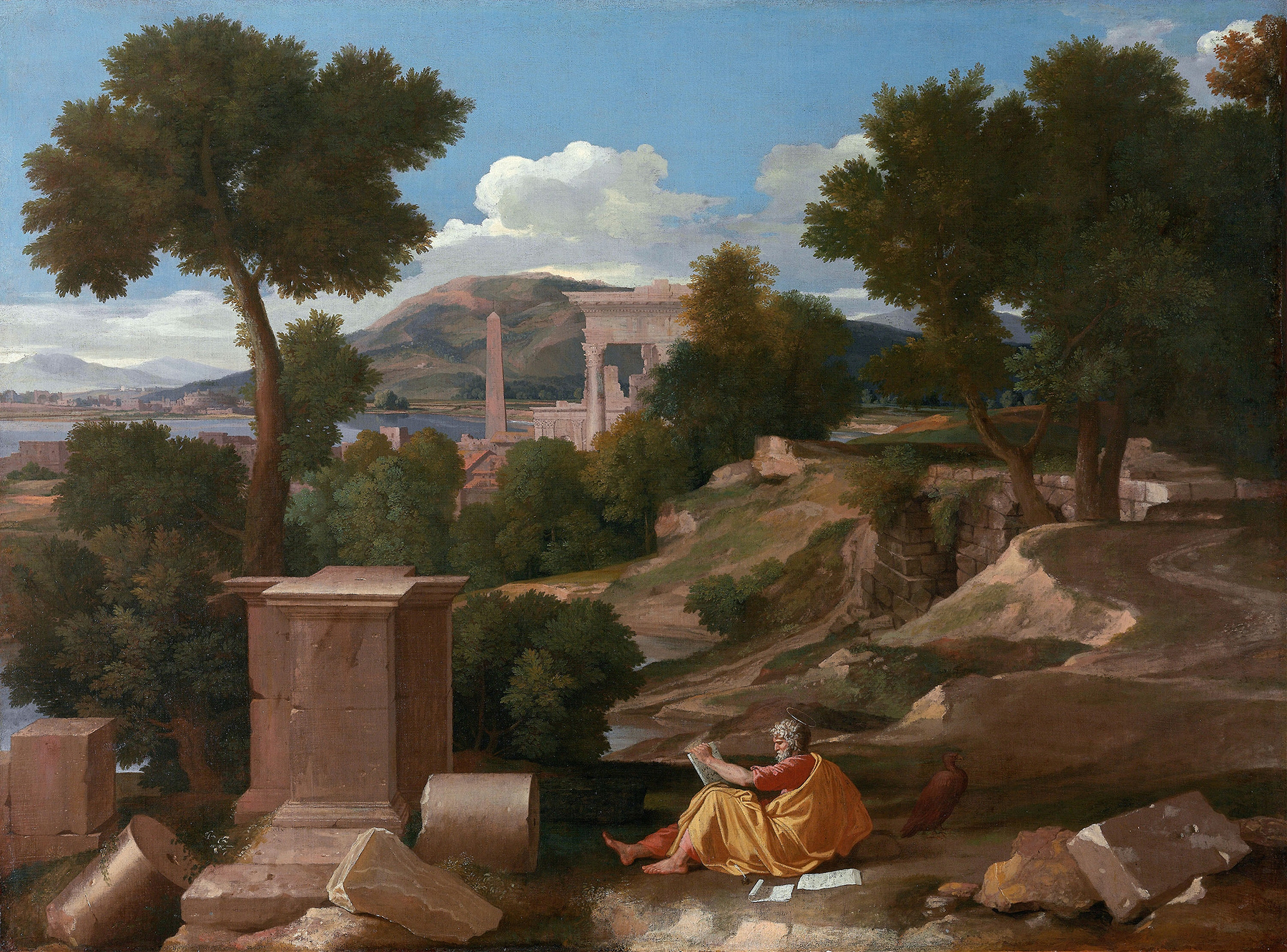
Landscape with Saint John on Patmos
Nicolas Poussin

Landscape with Saint John on Patmos
Nicolas Poussin
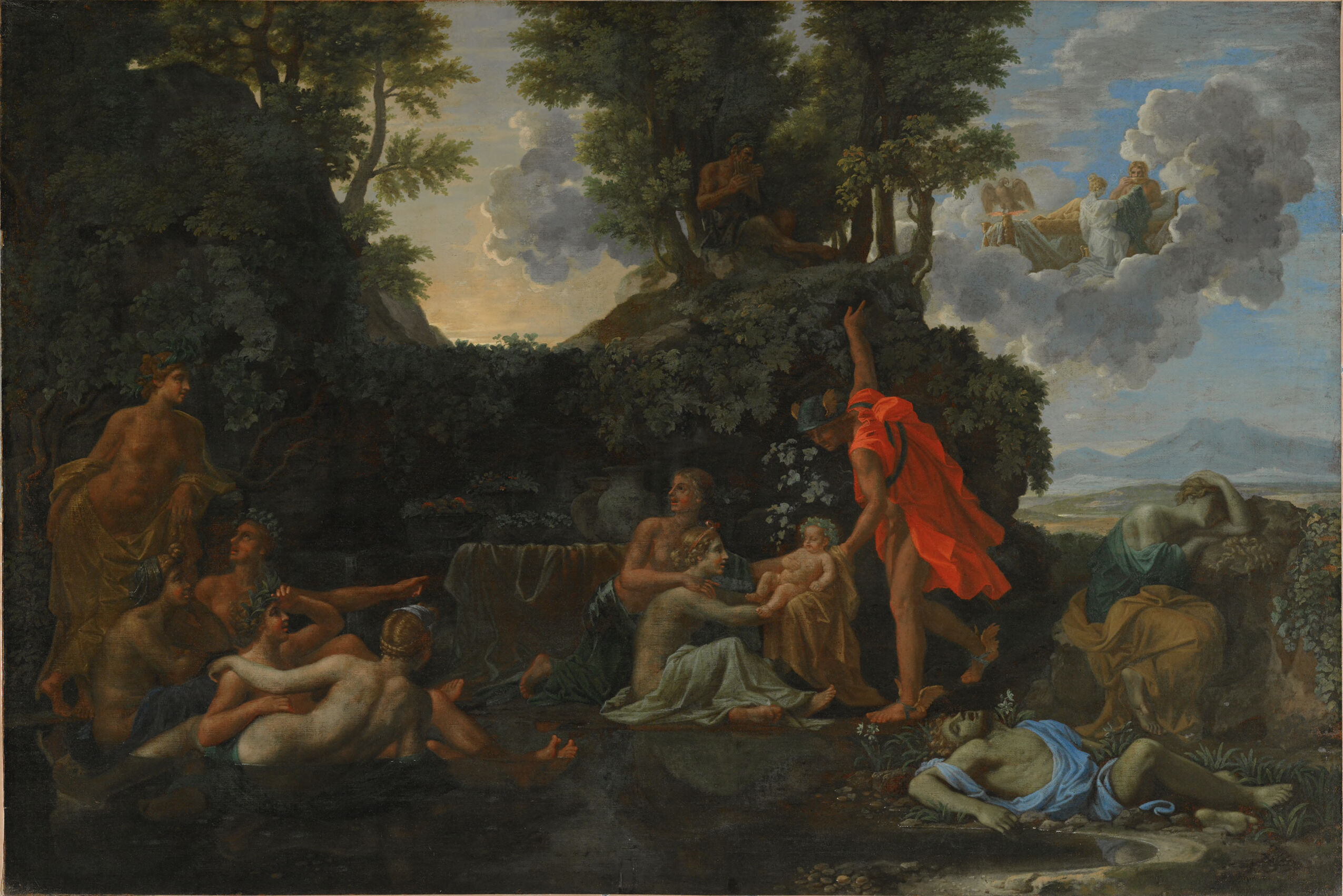
The Infant Bacchus Entrusted to the Nymphs of Nysa; The Death of Echo and Narcissus
Nicolas Poussin
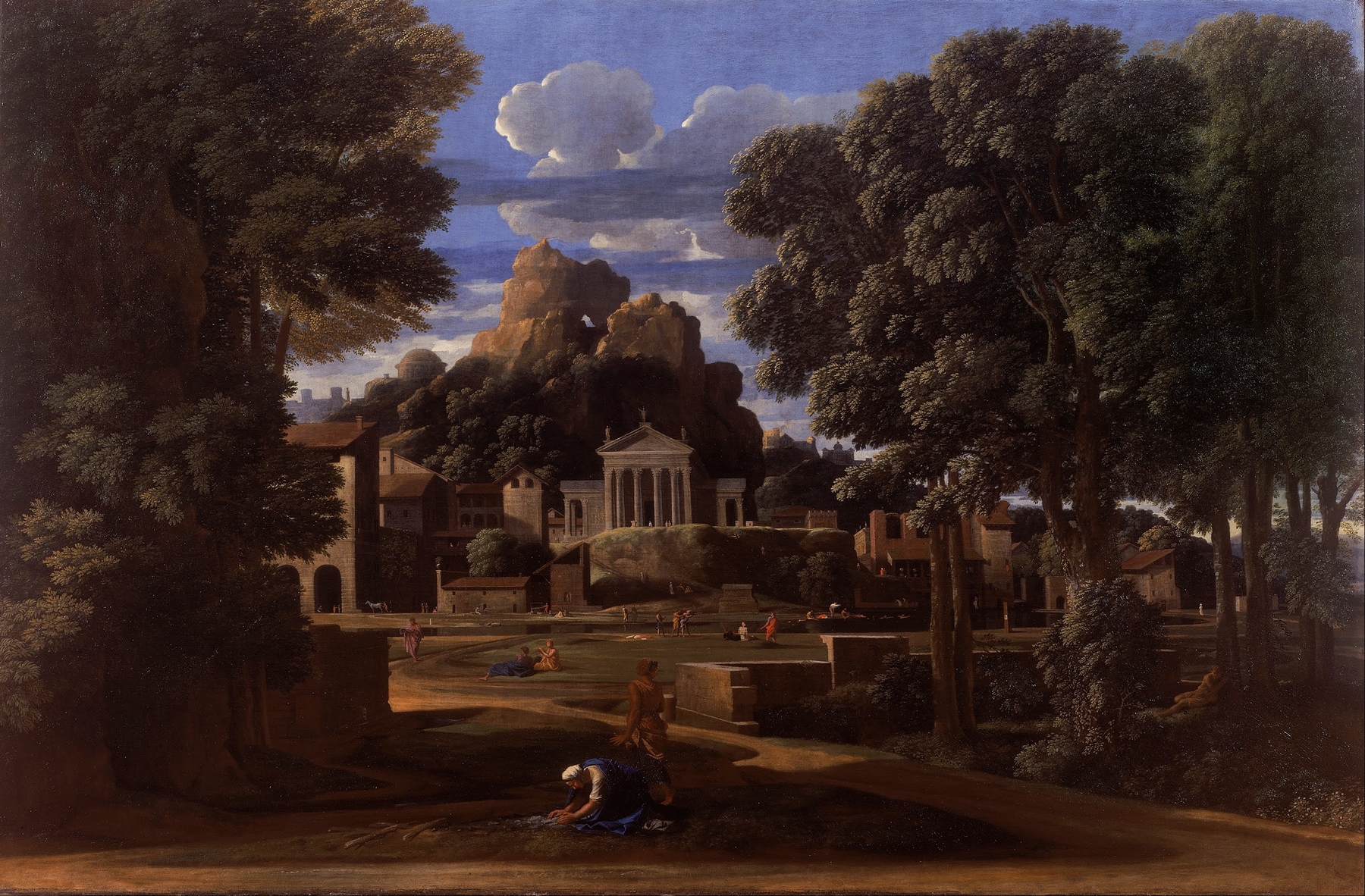
Landscape with the Ashes of Phocion
Nicolas Poussin
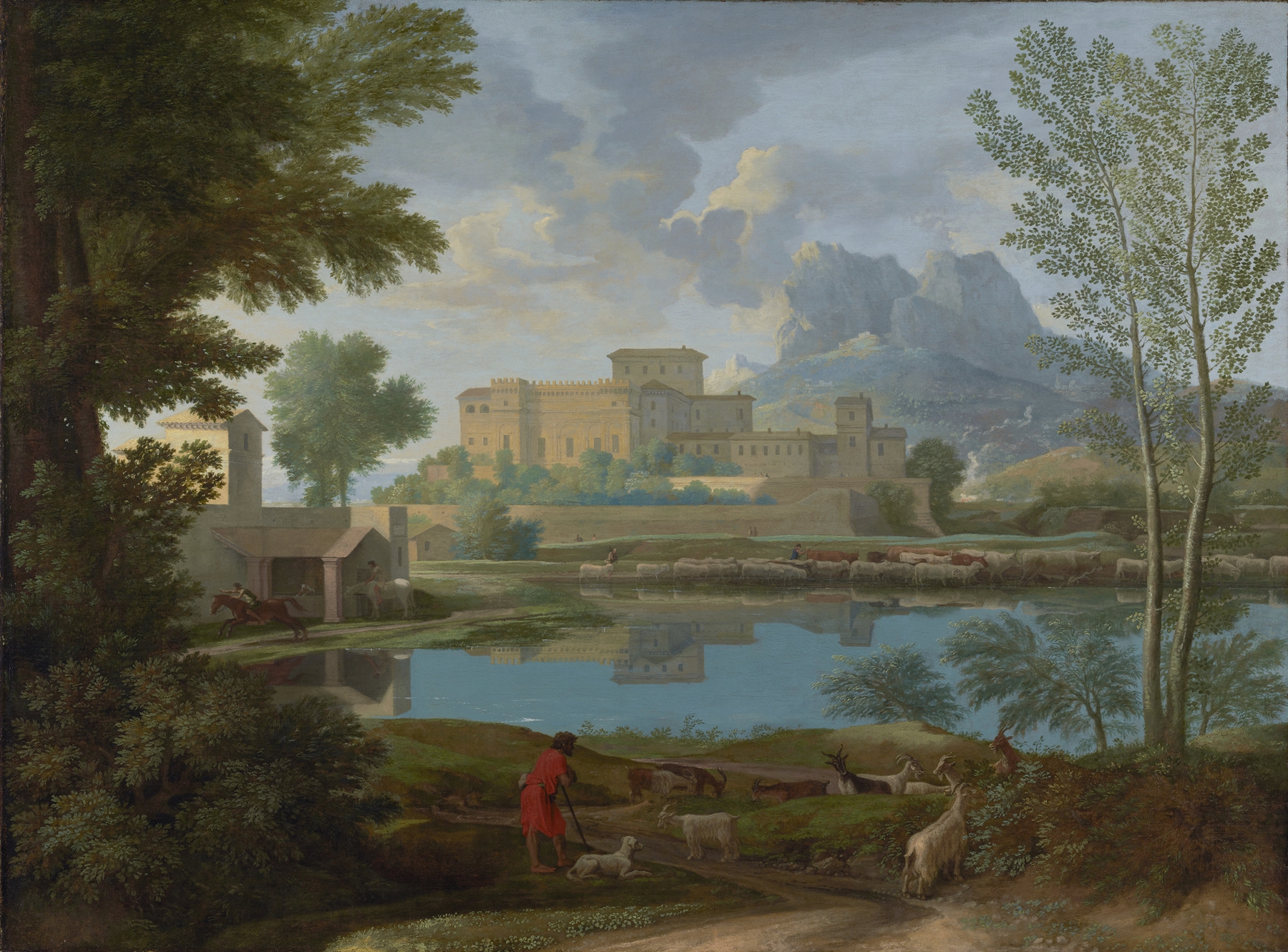
Landscape with a Calm
Nicolas Poussin
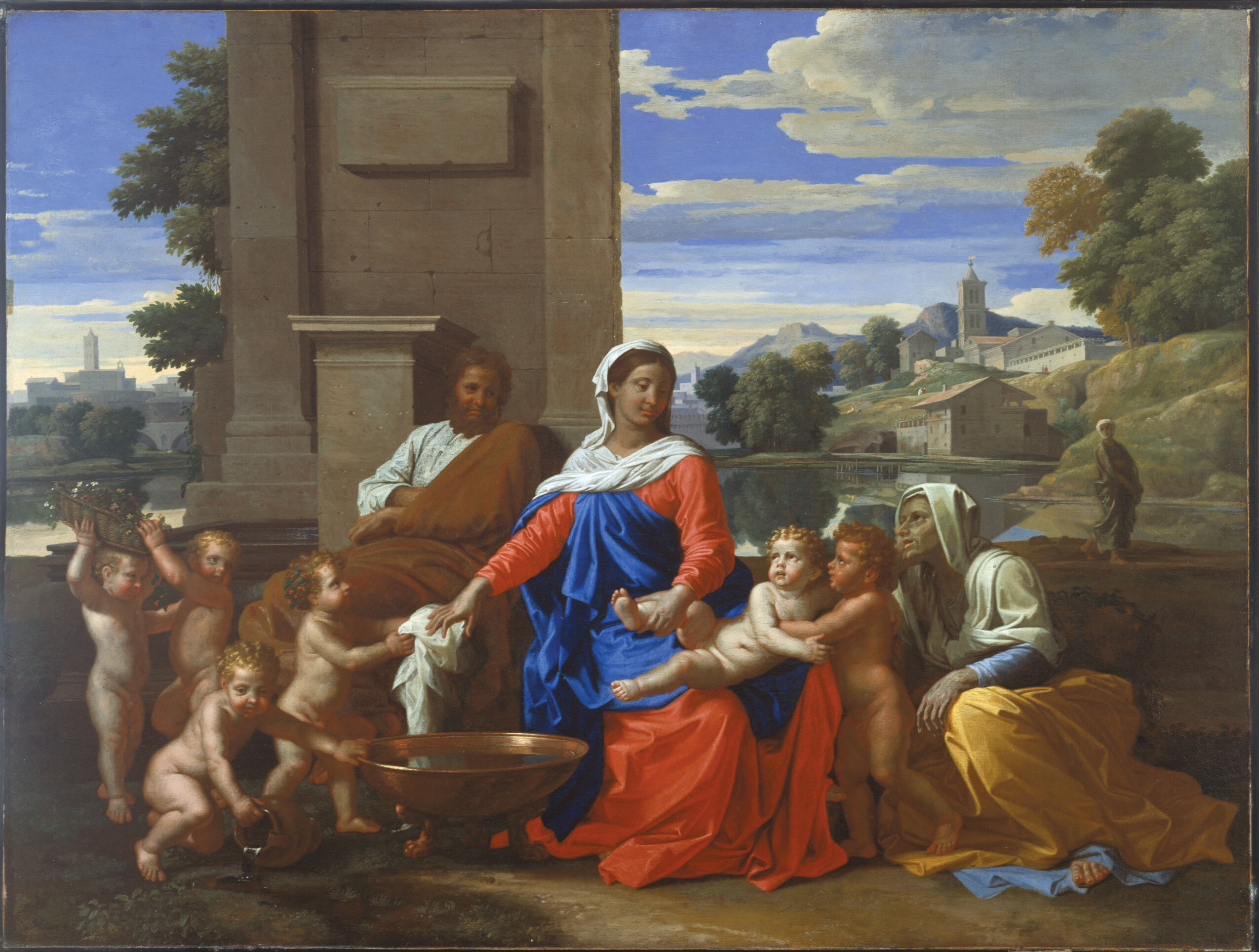
The Holy Family with the Infant Saint John the Baptist and Saint Elizabeth
Nicolas Poussin
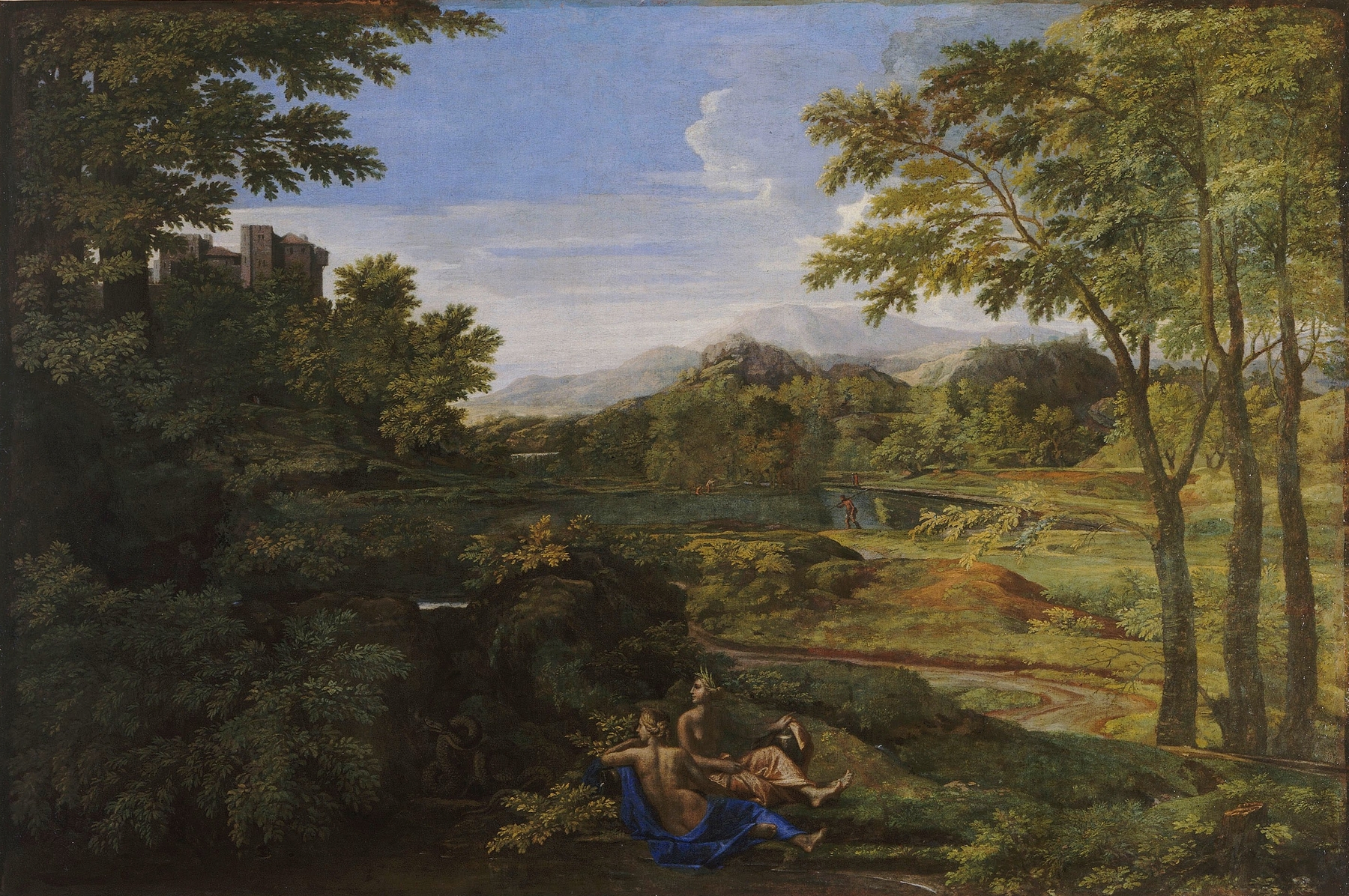
Paysage avec deux nymphes et un serpent
Nicolas Poussin
Allegoryの作品
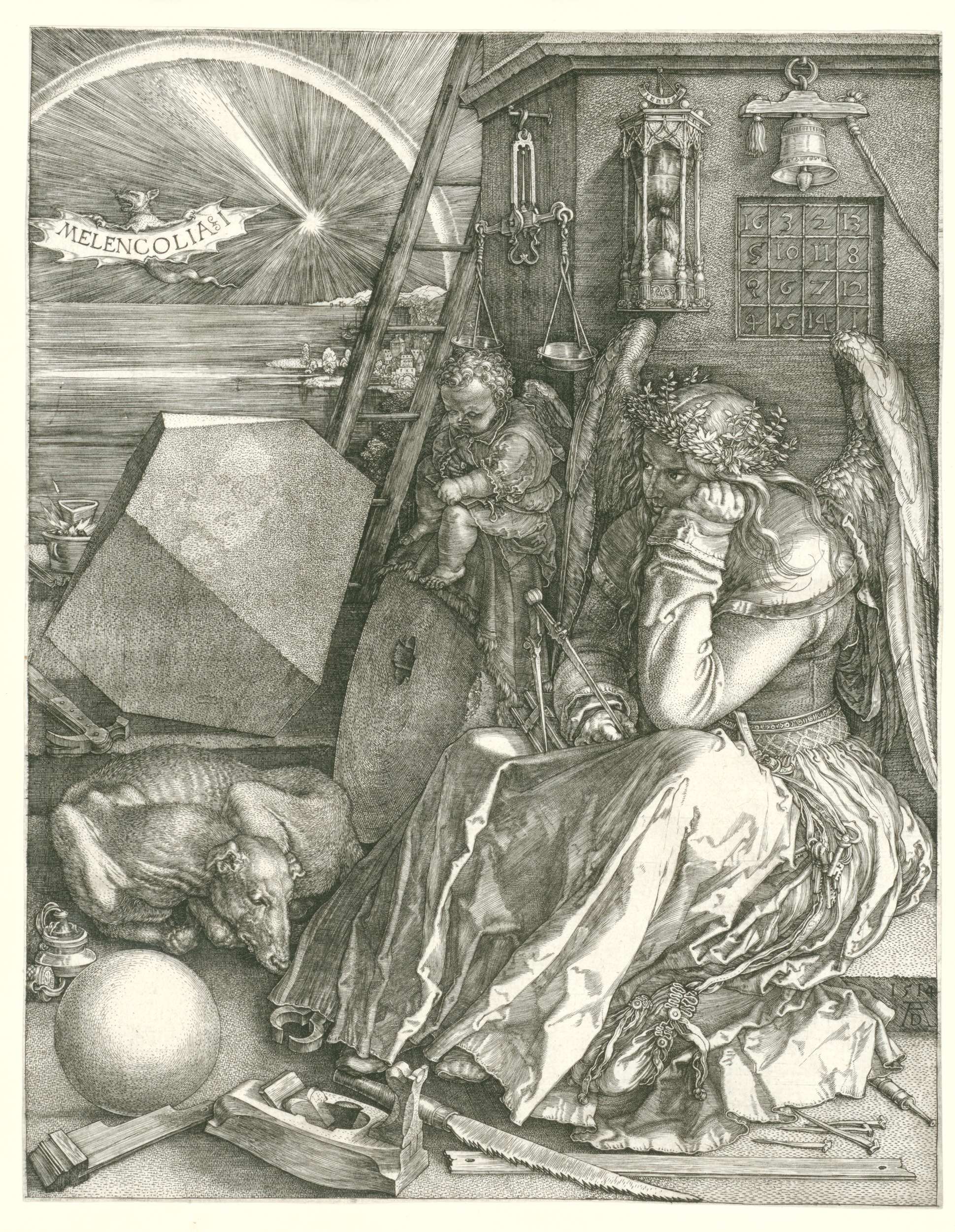
Melancholia
Albrecht Dürer
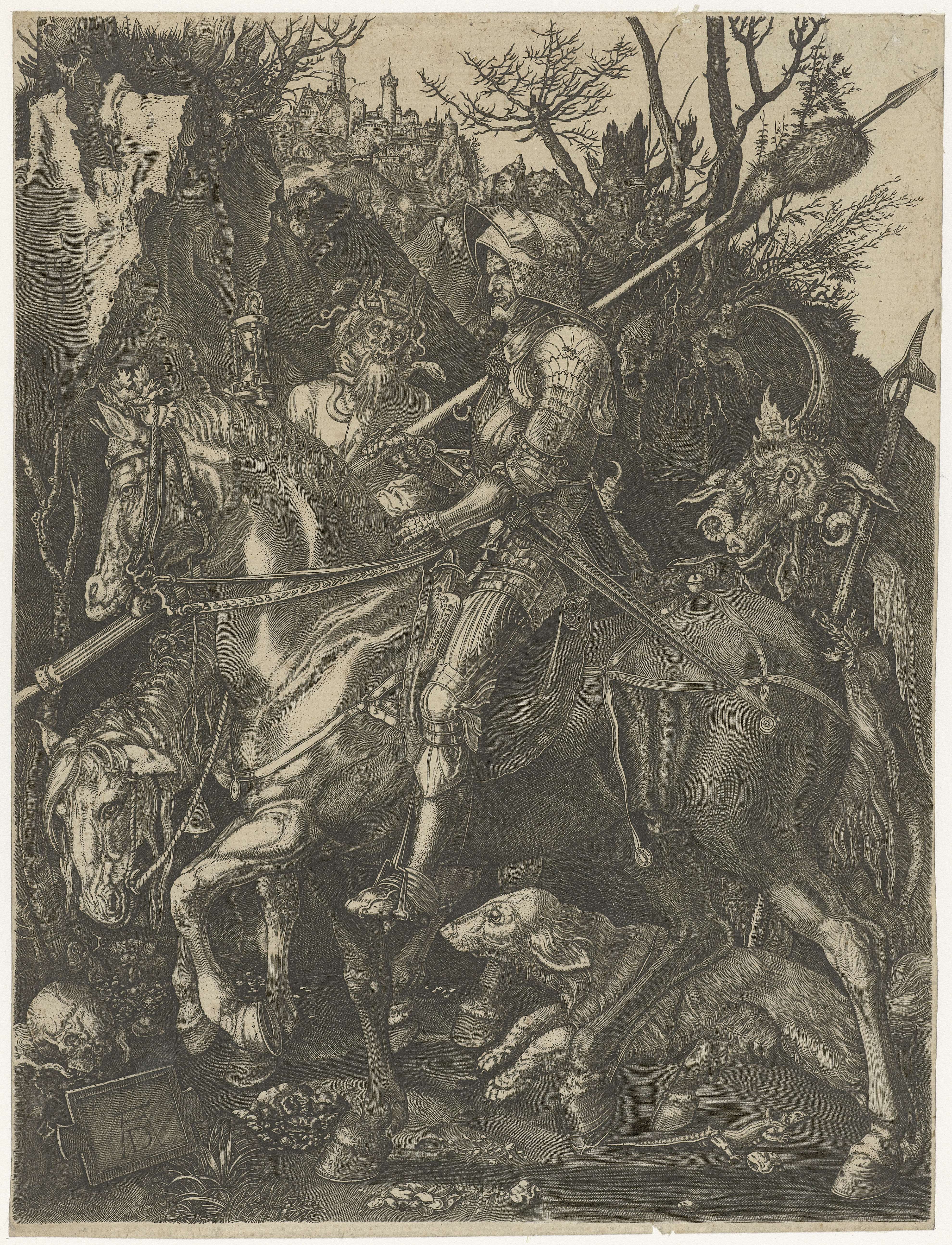
Ridder, Dood en Duivel
Unknown Artist
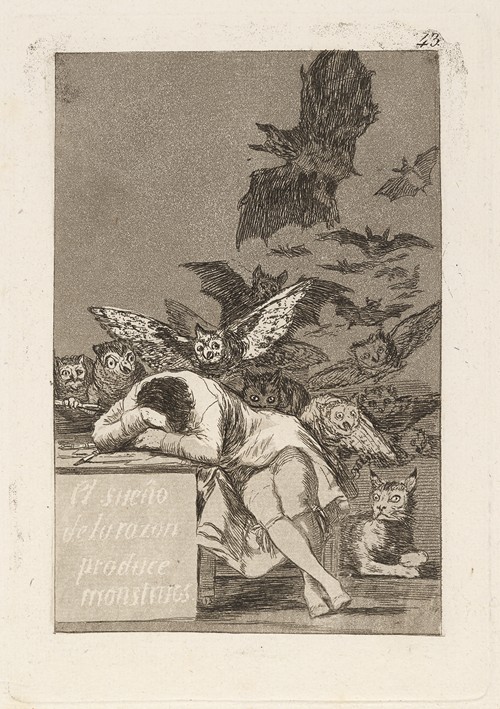
El sueño de la razon produce monstruos. (The sleep of reason produces monsters.)
Francisco de Goya
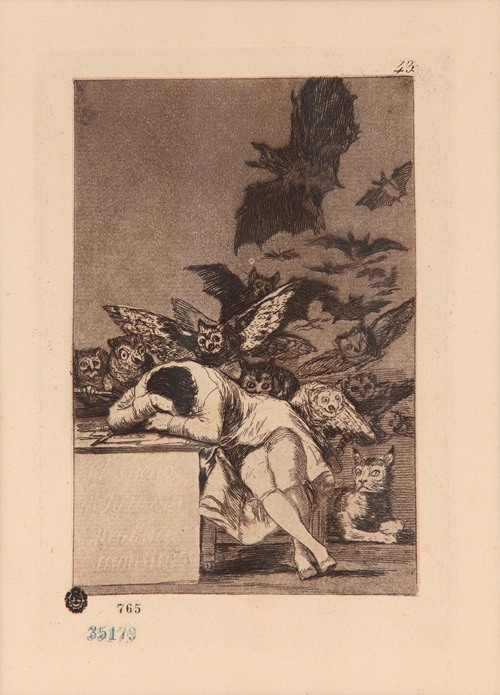
El sueño de la razon produce moustruos (Serie Caprichos)
Francisco de Goya
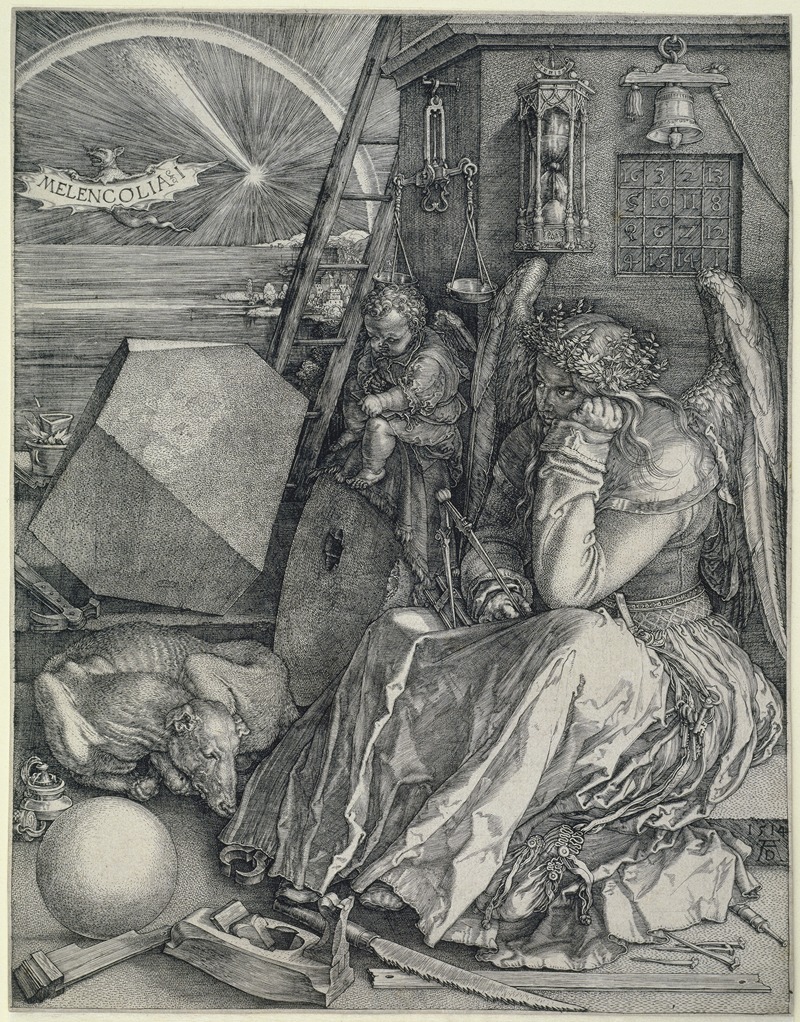
Melencolia I (The Melancholy)
Albrecht Dürer
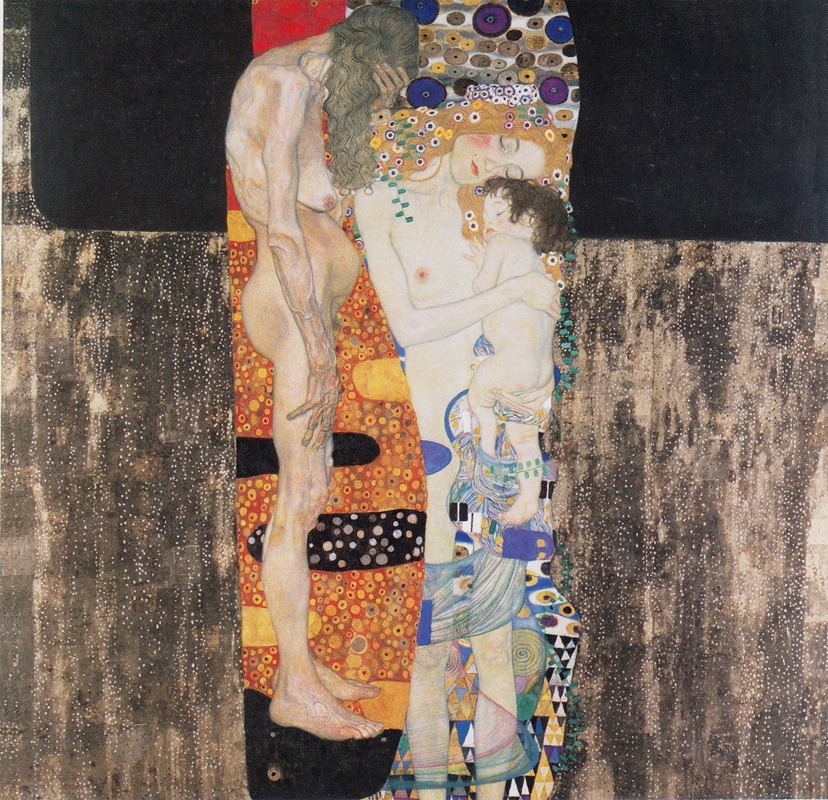
The Three Ages of the Woman
Gustav Klimt