
13 rue Saint-Maur, Bordeaux — História e Análise
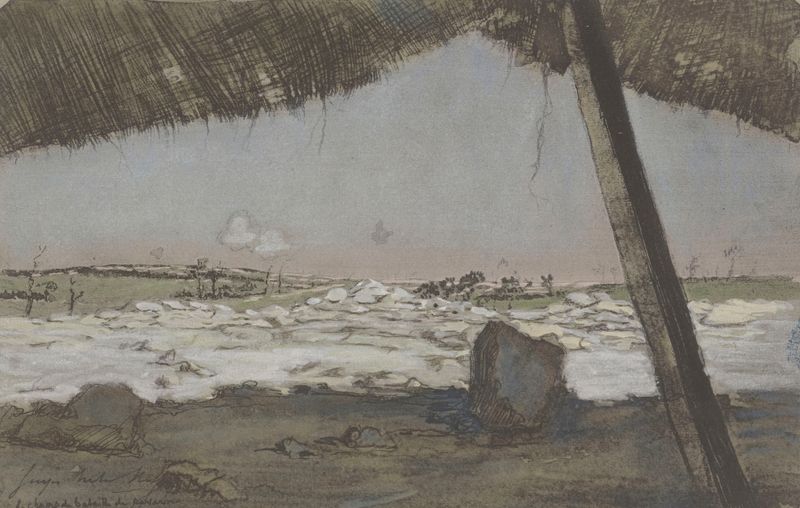
Can paint confess what words never could? In the delicate hues and gentle brushwork of innocence, we find stories untold, feelings unseen, and truths that ripple beneath the surface. Look to the center of the canvas, where a quaint building stands amidst a soft wash of color. The facade, bathed in sunlight, reveals a patchwork of textures—crumbling walls meet vibrant flora, inviting the viewer to breathe in the life that teems within this urban sanctuary. Notice how the light dances upon the leafy branches, creating a dreamy interplay of shadows that cradle the scene, capturing a fleeting moment of tranquility. Delve deeper into the emotional undercurrents of this artwork.
The juxtaposition of the sturdy architecture and the fragile flowers speaks to the resilience of innocence against the passage of time. Shadows loom, hinting at the weight of history and the stories hidden within those walls. Yet, the presence of nature, persistent and tender, offers hope—a reminder that even amidst decay, beauty and purity can thrive. Georges Hugo created this piece during an era of evolving perspectives in art, where he sought to blend the mundane with the sublime.
Working in Bordeaux at an undetermined time, he embraced the Impressionist influence while cultivating his own voice, capturing the essence of a moment that resonates with both nostalgia and the promise of renewal. The world around him was changing, yet he focused on the intimate, the everyday—a quiet testament to the power of place and memory.
Mais obras de Georges Hugo
Ver tudo →

Mais arte de Arquitetura
Ver tudo →
The statue of Liberty
Frédéric Auguste Bartholdi

View of Houses in Delft, Known as ‘The Little Street’
Johannes Vermeer

View of Houses in Delft, Known as ‘The Little Street’
Johannes Vermeer

The Cathedral in Rouen. The portal, Grey Weather
Claude Monet

The yellow house
Vincent van Gogh

The Church in Auvers-sur-Oise, View from the Chevet
Vincent van Gogh