
78, rue Haxo — História e Análise
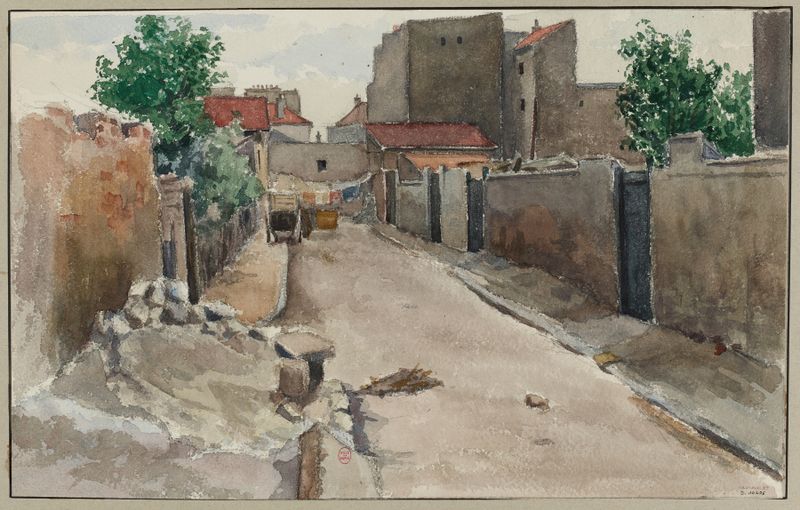
In every brushstroke, we find the silent echo of grief, a profound exploration of loss and memory that resonates deeply within us. Look closely at the worn architecture of the building at the center of the canvas, where peeling paint and cracked walls unveil the passage of time. Notice how the muted palette of grays and browns envelops the scene, enhancing the atmosphere of melancholy. The soft light filtering through the trees casts gentle shadows that dance over the cobblestone street, creating a poignant contrast between the vibrancy of life and the desolation of neglect. Hidden within the simplicity of the building’s façade lies a wealth of emotional tension.
The absence of human figures suggests solitude, inviting viewers to contemplate the stories of those who once inhabited its space. The juxtaposition of decay and beauty amplifies the sense of longing, as if the artist captures not just a moment in time, but the essence of memories left behind—echoes of laughter, whispers of dreams unfulfilled. This interplay between presence and absence encapsulates the universal experience of grief, transcending the physical realm to touch the spirit. F.
Séguin painted this evocative work in 1895 while living in Paris, a bustling city undergoing rapid transformation. The era was marked by artistic experimentation, yet Séguin chose a path of introspection, focusing on the emotional landscapes of urban life. Surrounded by the avant-garde movements of Impressionism and Post-Impressionism, he sought to convey deeper truths about the human condition, capturing the quiet elegance found in loss and remembrance.
Mais obras de F. Séguin
Ver tudo →
Rue Brantôme. (anciennement rue des Petits Champs donnant rue Saint Martin et rue Beaubourg)
F. Séguin
La rue de Chambéry, prise de la rue de Nice la Frontière
F. Séguin
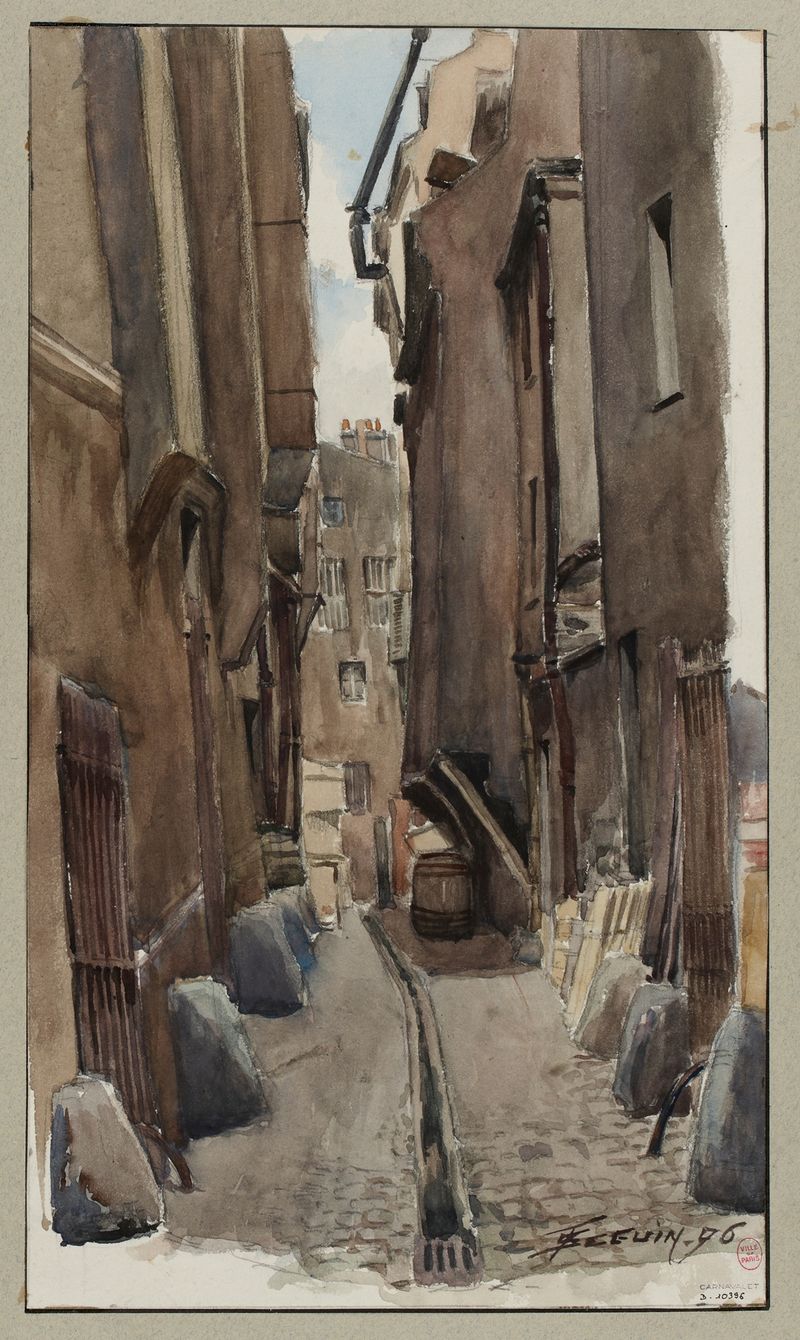
Le Cul de sac du Bœuf, (rue Saint Merri)
F. Séguin

Rue Descartes
F. Séguin
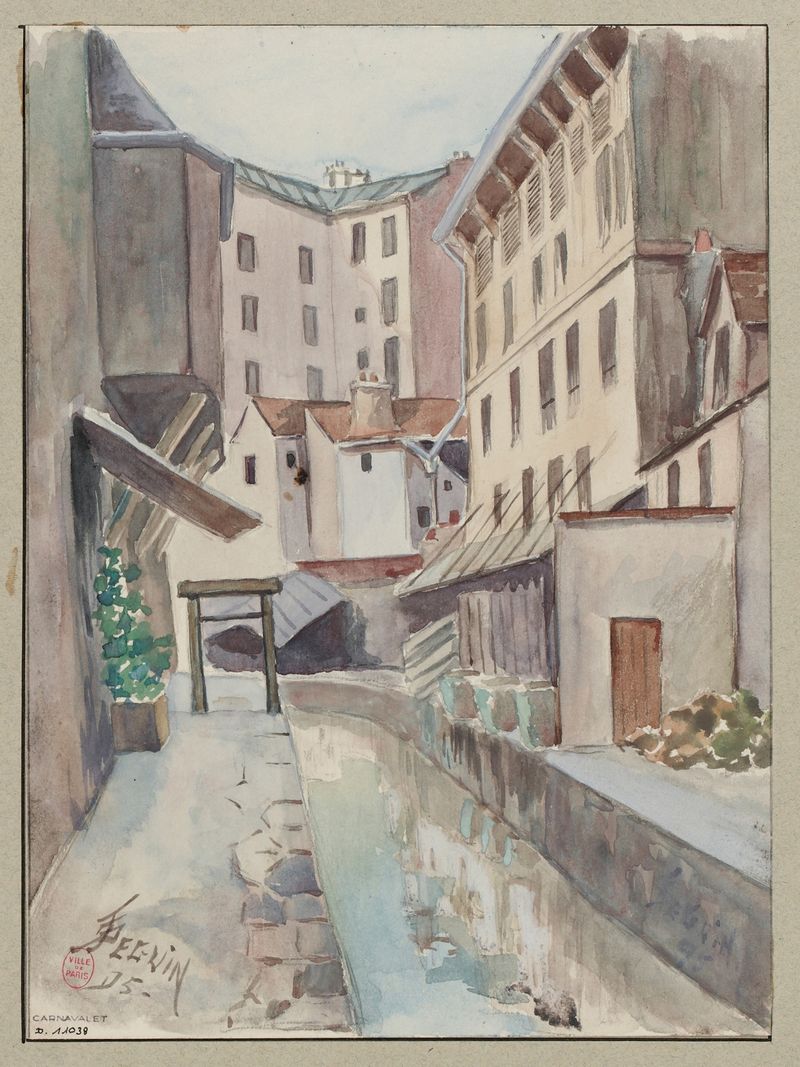
Le bord de la Bièvre à l’avenue des Gobelins
F. Séguin

Villa des Otages mur où furent fusillés les 52 derniers otages de la Commune, rue Haxo
F. Séguin
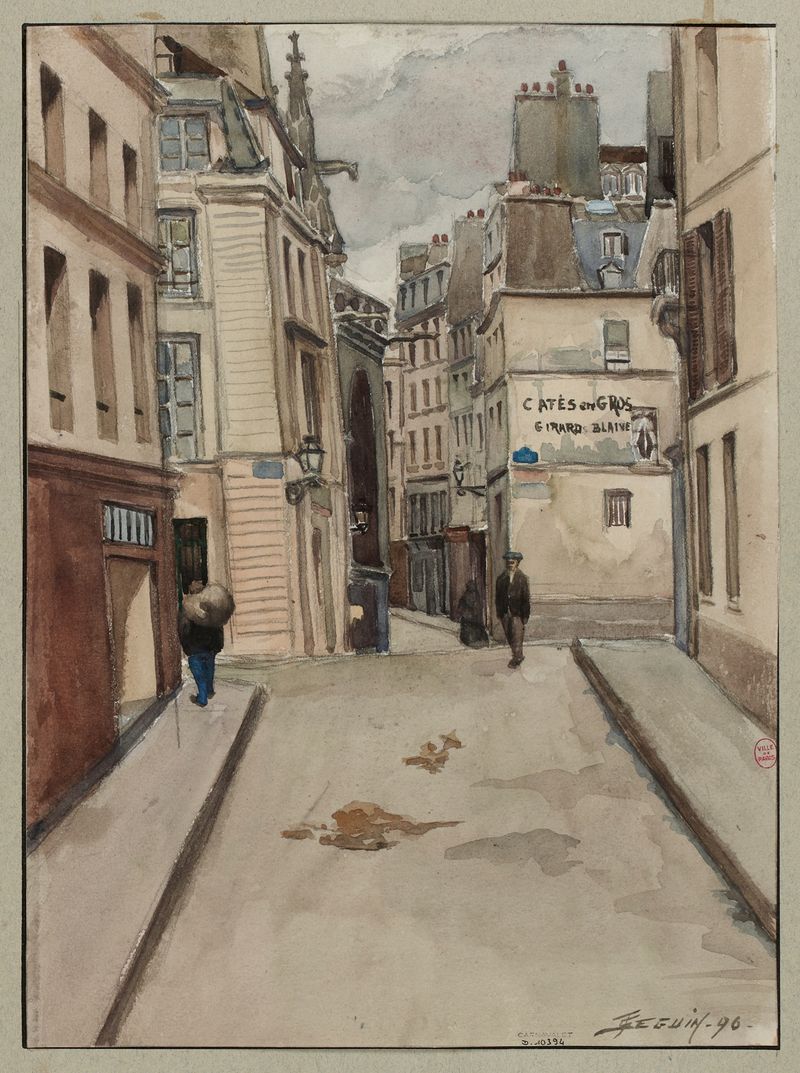
Rue du Cloître Saint Mérry, de la rue du Renard à la rue Saint Martin
F. Séguin
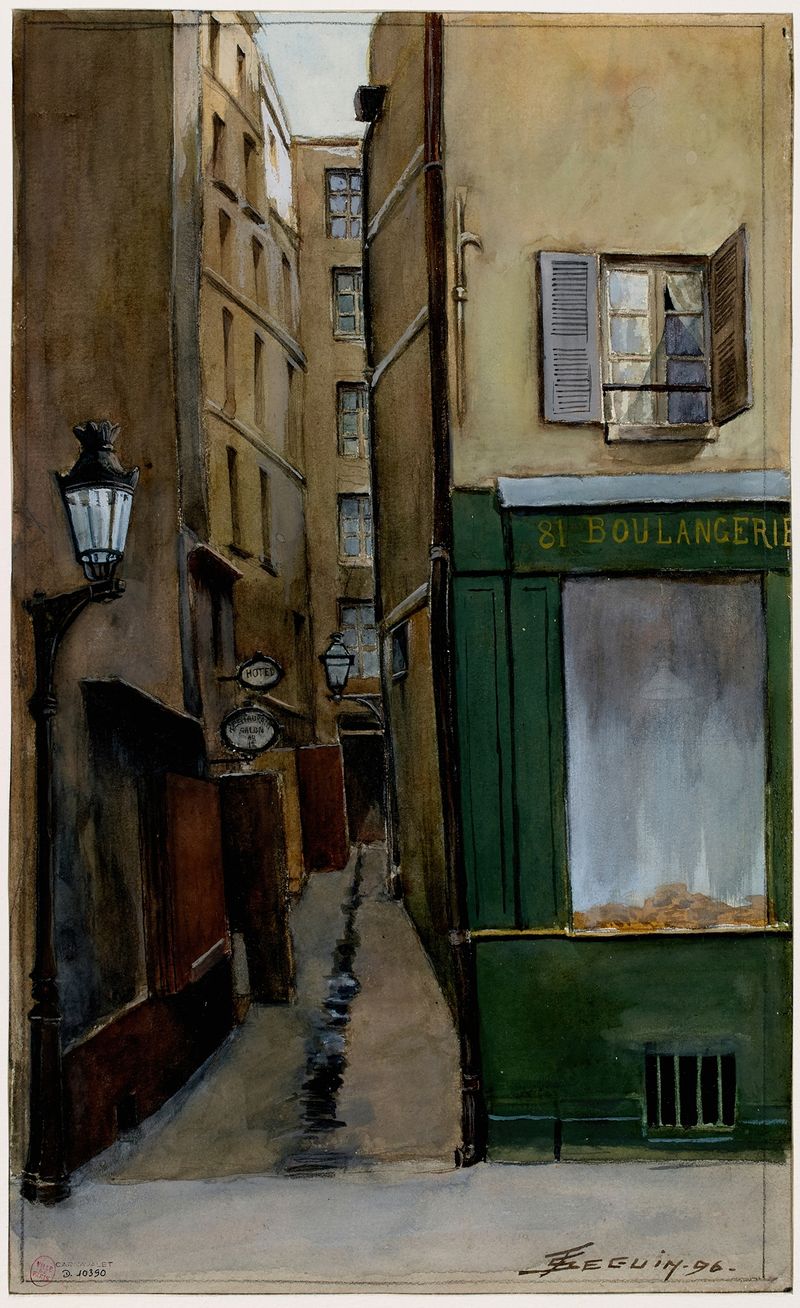
Cul de sac du Fiacre, 81 rue Saint Martin
F. Séguin
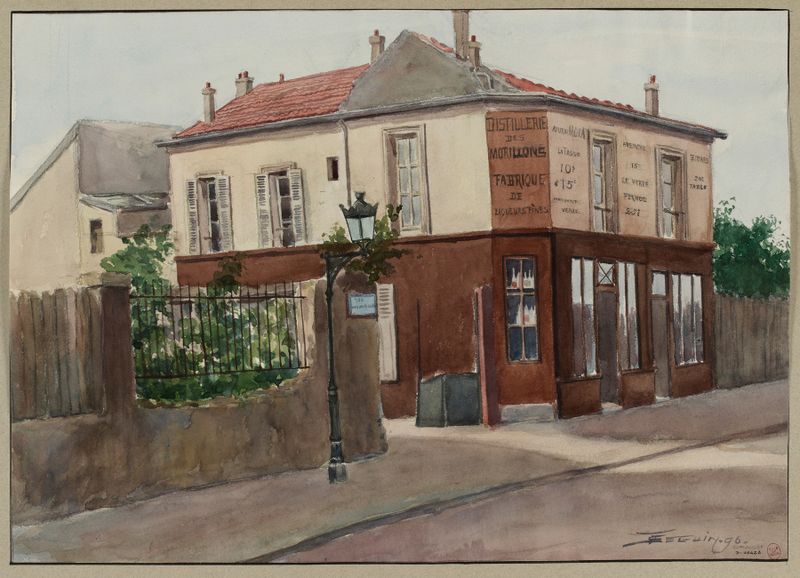
Angle de l’impasse Carlier et au 24 rue des Morillons, Vaugirard
F. Séguin
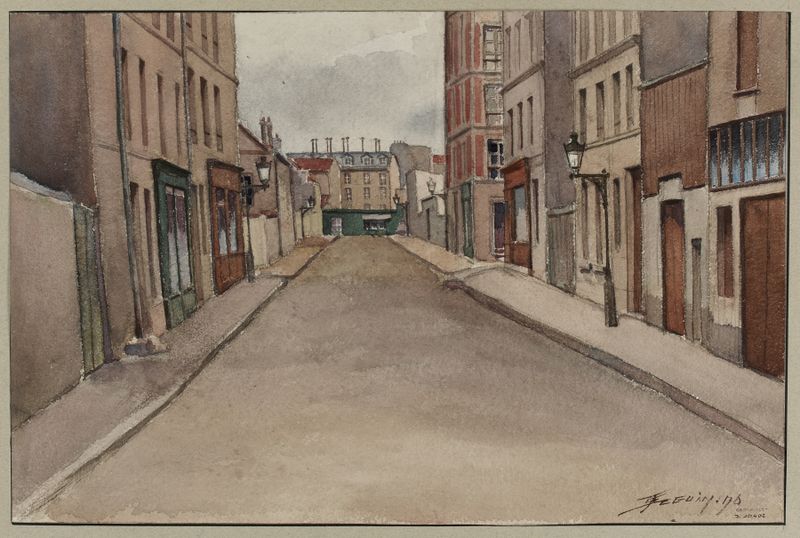
Rue Franquet
F. Séguin
Mais arte de Arquitetura
Ver tudo →
The statue of Liberty
Frédéric Auguste Bartholdi

View of Houses in Delft, Known as ‘The Little Street’
Johannes Vermeer

View of Houses in Delft, Known as ‘The Little Street’
Johannes Vermeer

The Cathedral in Rouen. The portal, Grey Weather
Claude Monet

The yellow house
Vincent van Gogh

The Church in Auvers-sur-Oise, View from the Chevet
Vincent van Gogh