
A Byroad in Tipperary — História e Análise
In A Byroad in Tipperary, an exterior world unfolds where the gentle intertwining of nature and solitude creates a powerful ache. The empty lane suggests not just a physical journey but an emotional one, inviting the viewer to explore the void that often accompanies beauty. Focus first on the path meandering through the canvas, soft earth tones blending seamlessly with strokes of green and gold. Notice how the light dances through the gaps in the trees, illuminating the dusty road while leaving the edges cloaked in shadow.
The delicate balance between light and dark creates a visual tension, urging the observer to step into the scene while simultaneously feeling the weight of abandonment. Beneath the surface, contrasts emerge: the vibrant foliage surrounding the lonely path embodies life, yet the emptiness of the road speaks of absence. Each brushstroke carries whispers of forgotten stories, echoing the silent beauty of places left behind. The striking interplay of color reveals a yearning for connection, capturing the bittersweet essence of solitude nestled within nature’s embrace. In 1860, Francis Seymour Haden found himself in a world deeply influenced by the Romantic movement, which emphasized individual experience and emotional depth.
Painted during his time in England, this piece reflects Haden's fascination with landscape and his desire to reveal beauty's complexities amidst personal and societal changes in art. He was part of a generation rethinking the relationship between nature and humanity, and this work epitomizes that exploration of emotional landscapes.
Mais obras de Francis Seymour Haden
Ver tudo →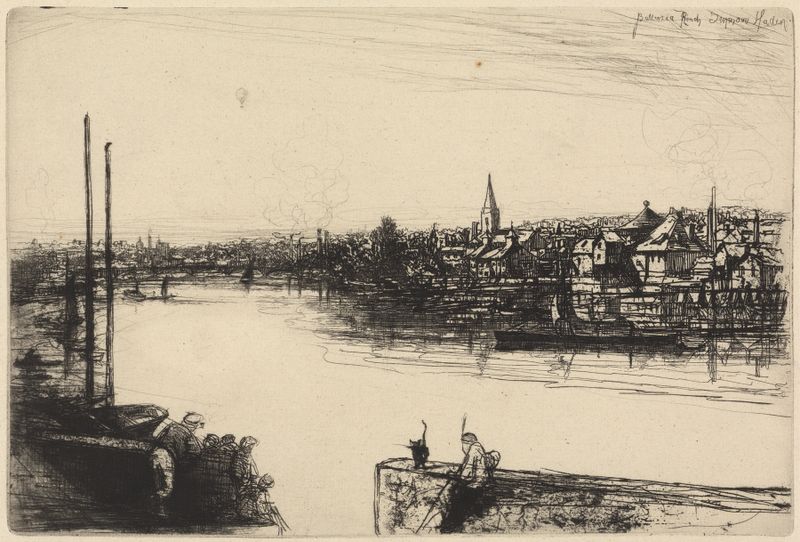
Battersea Reach
Francis Seymour Haden

Nine Barrow Down
Francis Seymour Haden
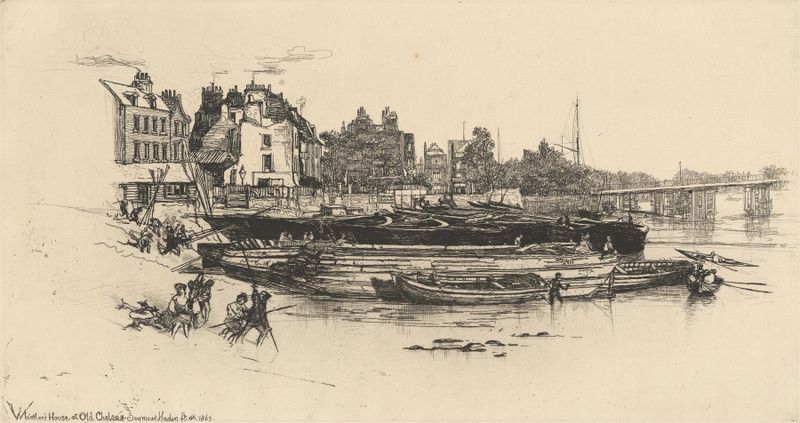
Whistler’s House at Old Chelsea
Francis Seymour Haden

The Mill-Wheel
Francis Seymour Haden
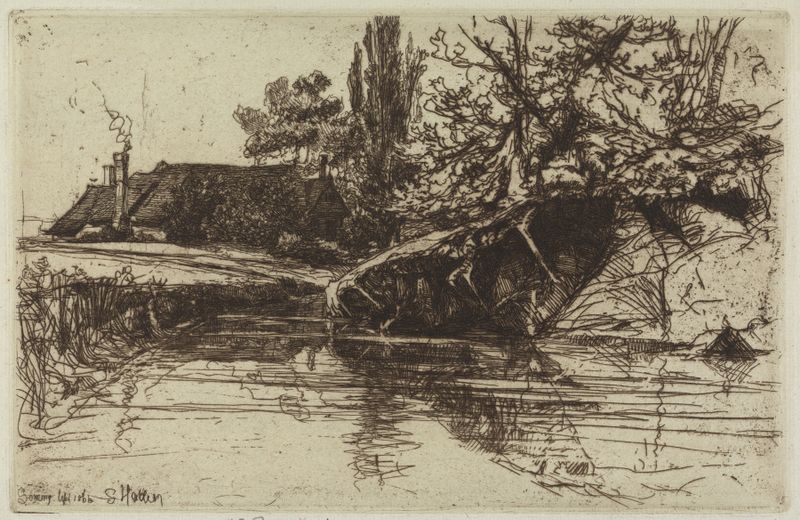
The Moat House
Francis Seymour Haden

By Twickenham
Francis Seymour Haden

Newcastle Emlyn
Francis Seymour Haden
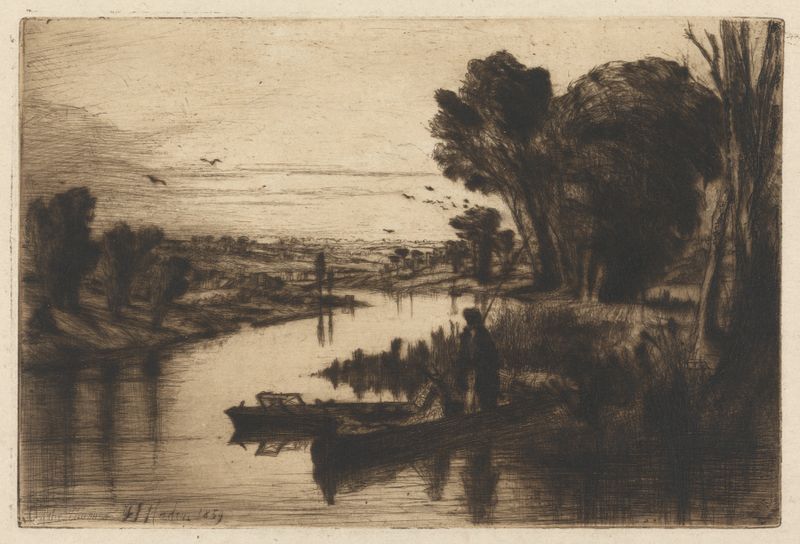
On the Thames
Francis Seymour Haden

Kidwelly Castle
Francis Seymour Haden
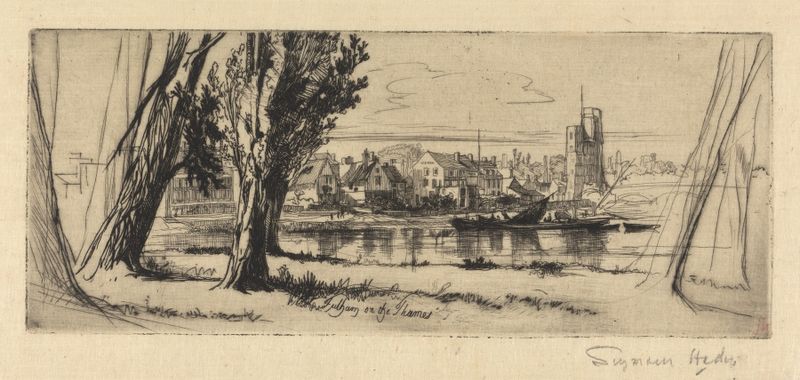
Fulham on the Thames
Francis Seymour Haden





