
A House at Sorrento — História e Análise
Could beauty survive in a century of chaos? This profound question lingers in the air as we gaze upon the serene landscape, tempting us to explore the tensions of innocence amidst encroaching turmoil. Look to the foreground, where a quaint house nestles between lush greenery and tranquil waters. Notice the soft brushwork that brings the trees to life, their leaves dancing lightly in the breeze. The warm palette of earth tones evokes a sense of harmony and peace, inviting one to linger and breathe in the idyllic scene.
The light, dappling through the trees, casts gentle shadows that play upon the house’s facade, enhancing its charm as it stands witness to time. Yet within this idyllic beauty lies a subtle contrast. The house, symbolizing human innocence and domesticity, sits in stark relief against the vastness of the water, suggesting isolation and fragility. The stillness of the scene belies an underlying tension; the viewer is eerily reminded of the encroaching chaos of the outside world, an ever-present threat that could disrupt this sanctuary.
The lushness of the trees and the calm waters may reflect serenity, but they also foreshadow the inevitable passage of time and change. Painted in the mid-19th century, the work came at a moment when Cromek found himself at a crossroads in his artistic journey. Living in a period marked by rapid industrialization, he sought solace in the tranquility of nature, capturing landscapes that resonated with the Romantic ideals of innocence and beauty. It was a time when artists grappled with the impact of modernity, longing for the simplicity and purity of the natural world.
Mais obras de Thomas Hartley Cromek
Ver tudo →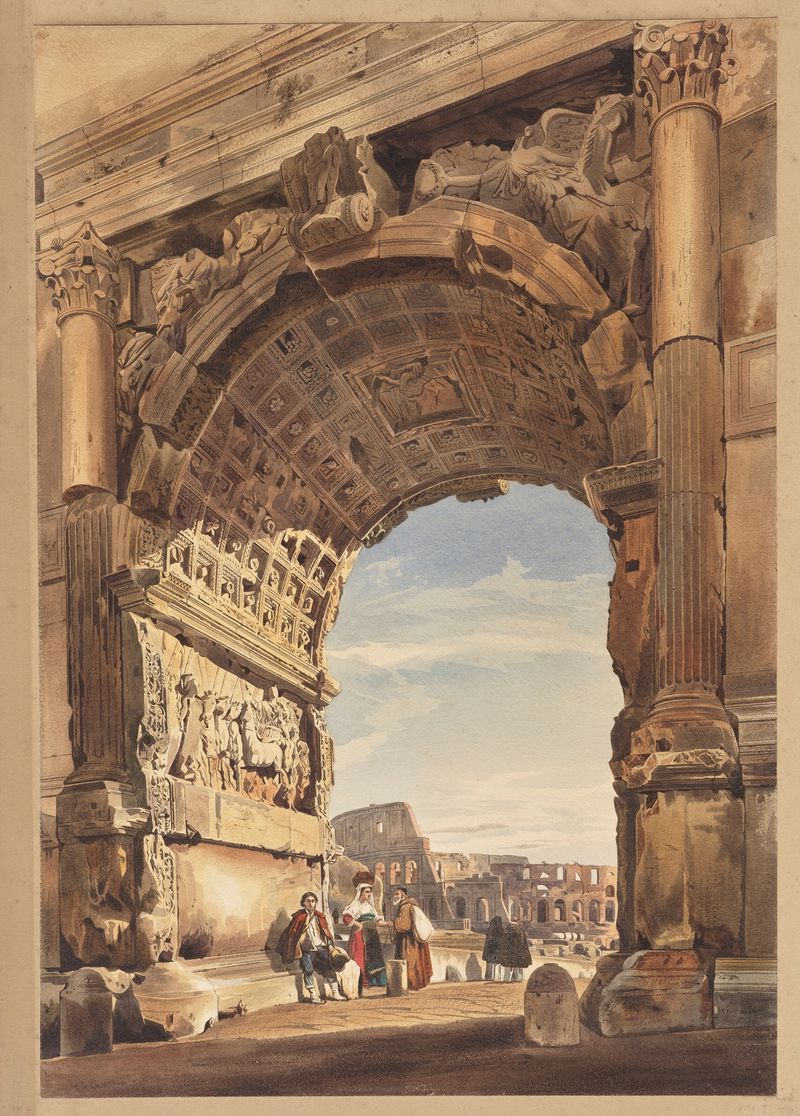
The Arch of Titus looking through to the Colosseum, Rome
Thomas Hartley Cromek
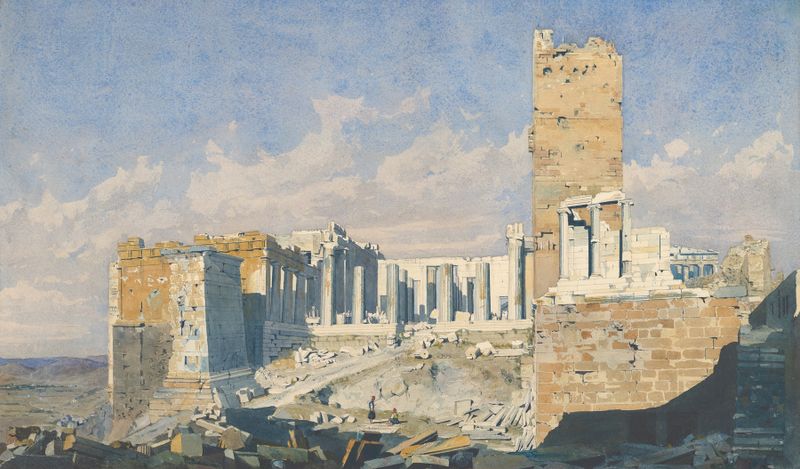
The Acropolis from the West, with the Propylaea and the Temple of Athena Nike, Athens
Thomas Hartley Cromek

The Cathedral and Palace of the Popes, Avignon
Thomas Hartley Cromek

A Glen in Sorrento
Thomas Hartley Cromek

The Interior of the Lower Basilica of St. Francis of Assisi
Thomas Hartley Cromek
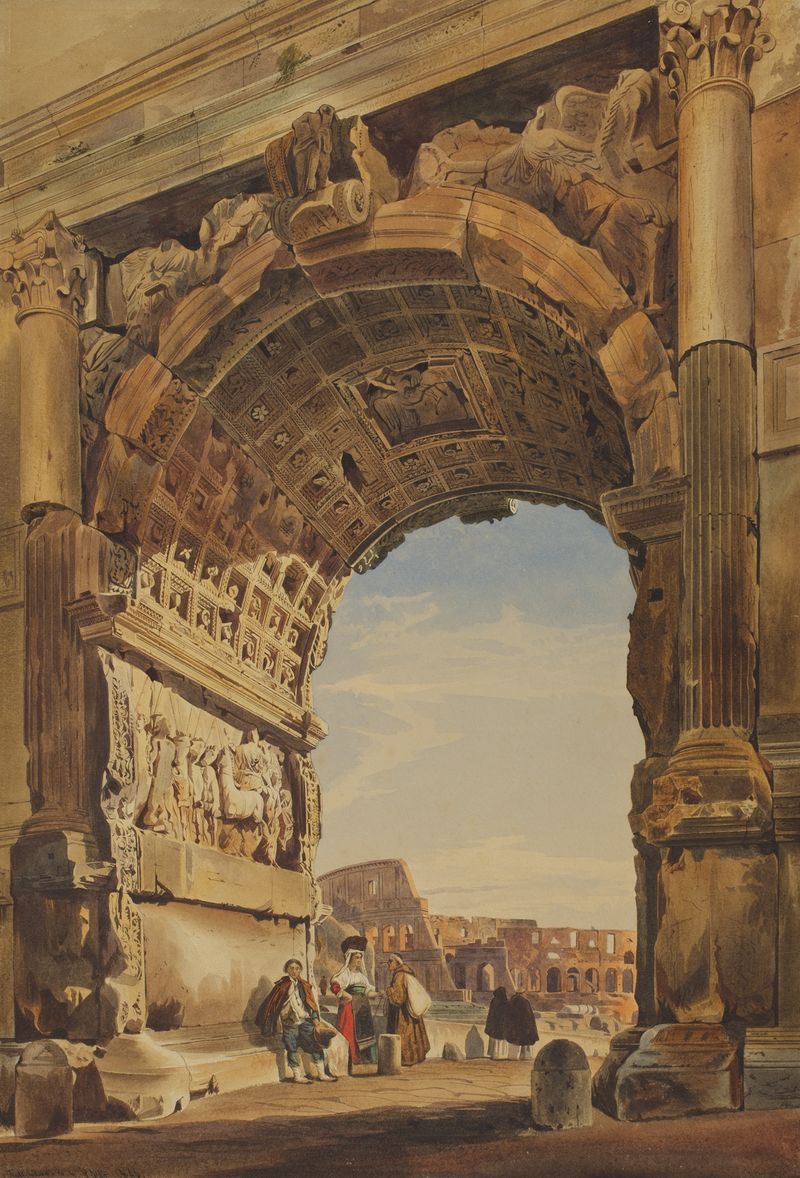
The Arch of Titus and the Coliseum, Rome
Thomas Hartley Cromek

A view of the Umbrian campagna with Spoleto in the distance and a goatherd and his flock in the foreground
Thomas Hartley Cromek
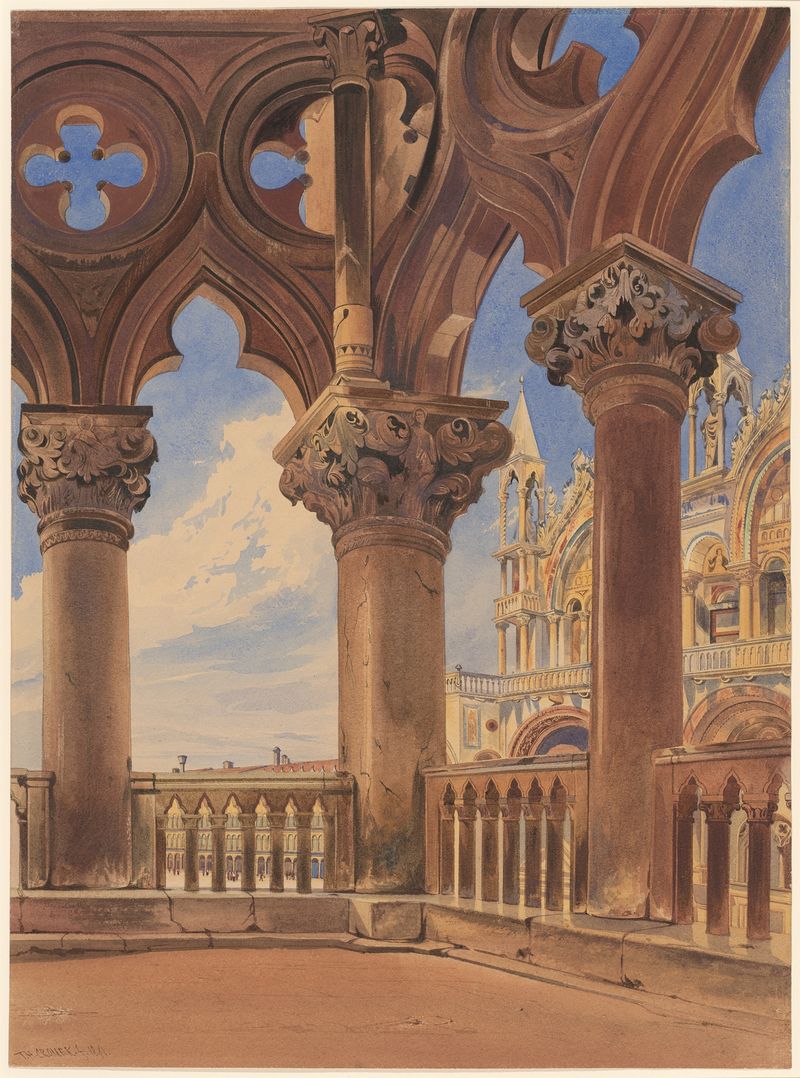
St. Marks Square from the Doges Palace
Thomas Hartley Cromek
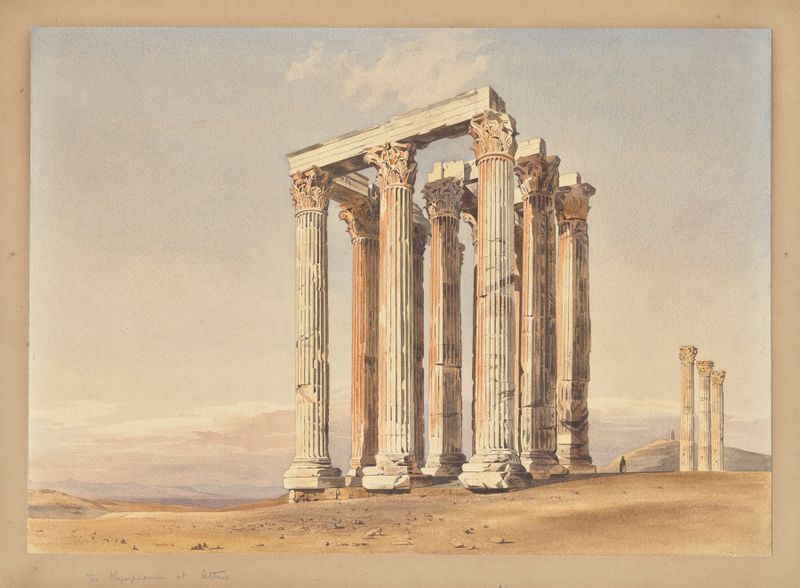
The Temple of Olympian Zeus, Athens
Thomas Hartley Cromek
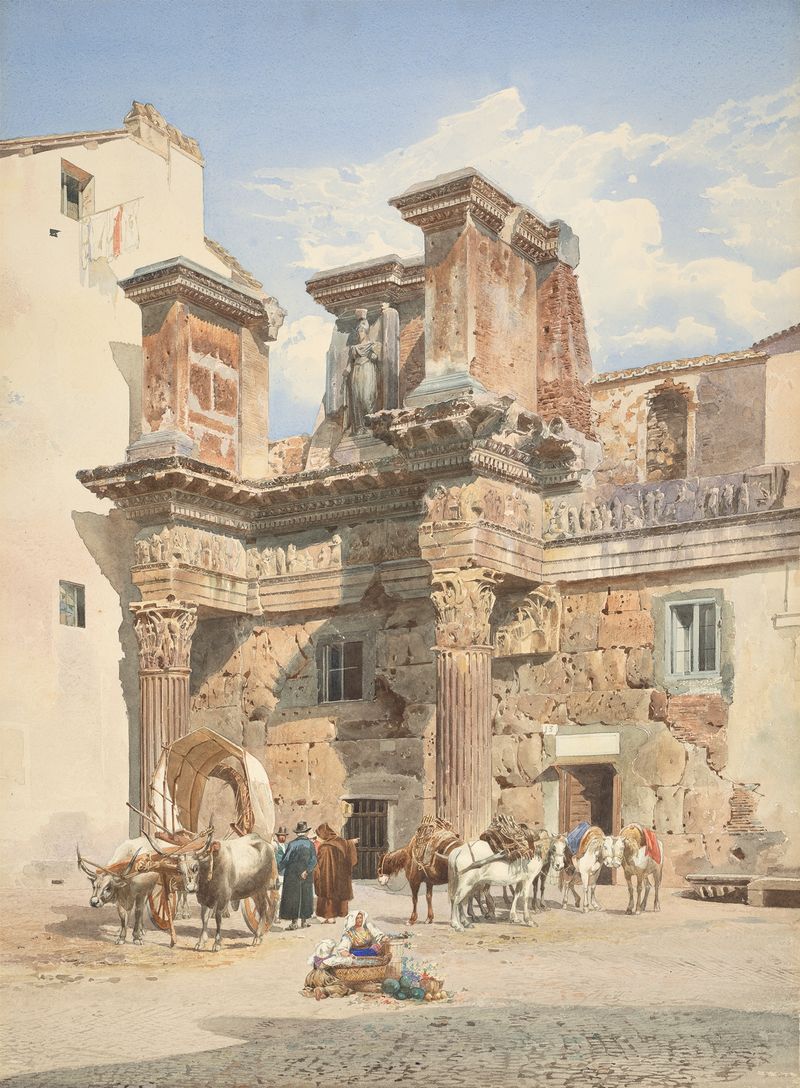
Le Colonnacce, Rome: Remains of the Inner Walls of the Forum of Nerva
Thomas Hartley Cromek





