
A Timber Cottage — História e Análise
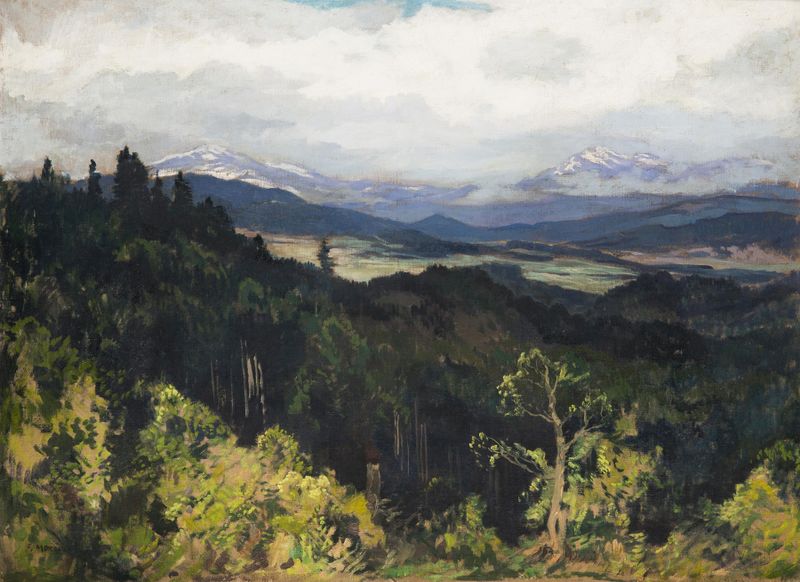
When did color learn to lie? Behind the quaint façade of a timber cottage, warmth and charm disguise an underlying sense of betrayal. This painting beckons viewers to question the duality of appearances and realities. Look to the left at the intricate wooden beams, their textured surfaces echoing the soft, golden light of the setting sun. Notice how the sunlight dances through the foliage, casting dappled shadows that shift in intensity as the viewer’s gaze sweeps across the canvas.
The careful choice of a muted palette conveys a serene yet somber mood, where nature seems to cradle the structure yet hints at something hidden within. Emotional tensions simmer beneath the surface; the cottage, both inviting and isolating, represents the fragility of trust. A single window, slightly ajar, suggests a secretive life within—perhaps a betrayal hinted at through the juxtaposition of the homely exterior and the concealed turmoil. Furthermore, the soft, flowing lines of the surrounding landscape contrast sharply with the rigid angles of the timber, capturing the tension between nature’s gentle embrace and the cottage’s stern presence. Created during a period of introspection and exploration, A Timber Cottage emerged from the hands of Gustav Macoun in an unknown year, likely reflecting the artist’s own contemplations on life and authenticity.
Living in a time when the allure of the pastoral ideal was strong, he captured the complexities of human emotions through a simple yet profound scene, inviting us to look beyond the surface and question our own narratives.
Mais obras de Gustav Macoun
Ver tudo →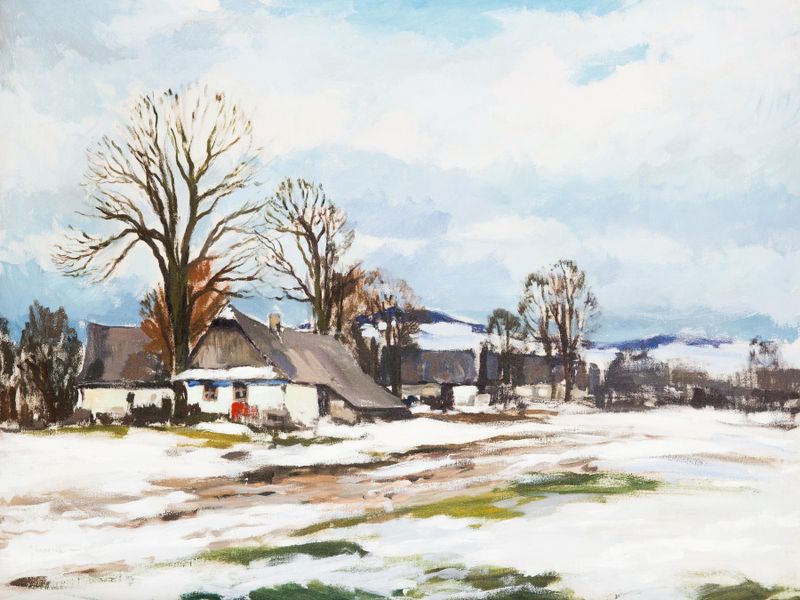
Early Spring II
Gustav Macoun
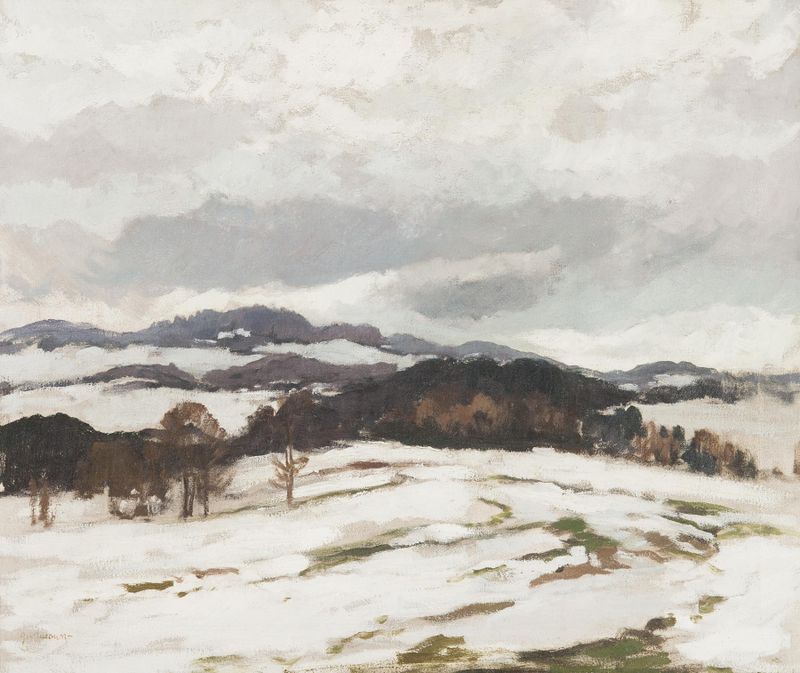
Early Spring
Gustav Macoun
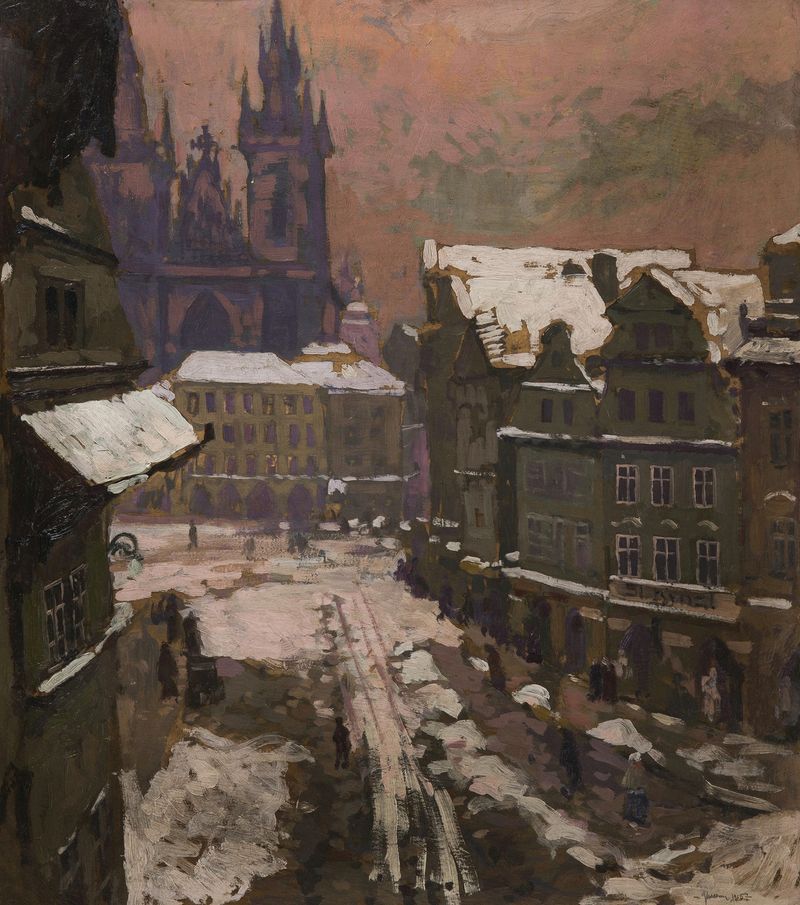
A View of Old Town Square
Gustav Macoun
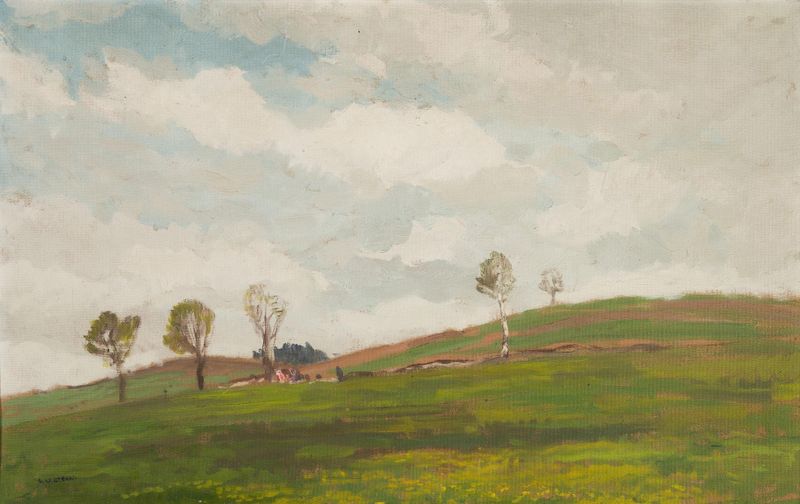
Landscape fin the vicinity of Kameničky
Gustav Macoun
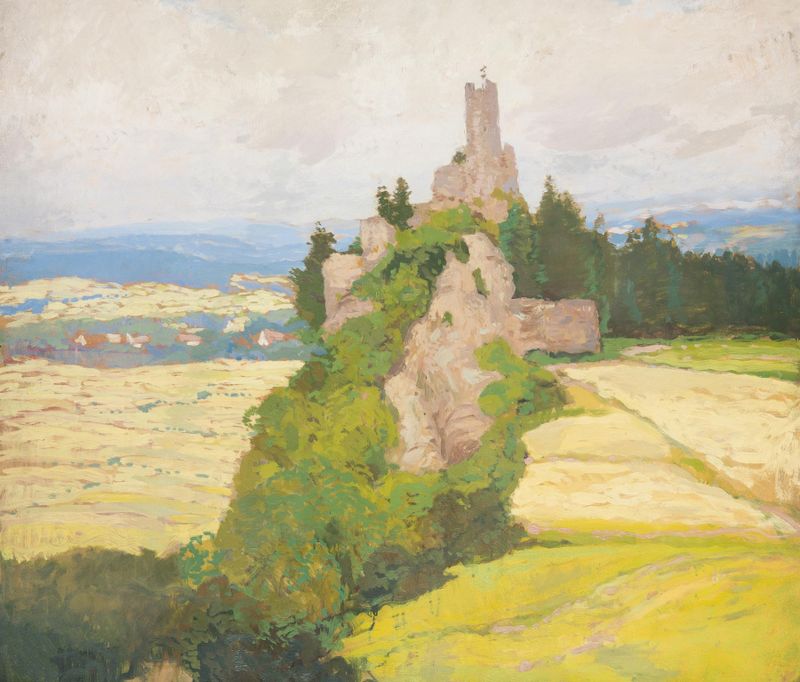
Frýdštejn
Gustav Macoun
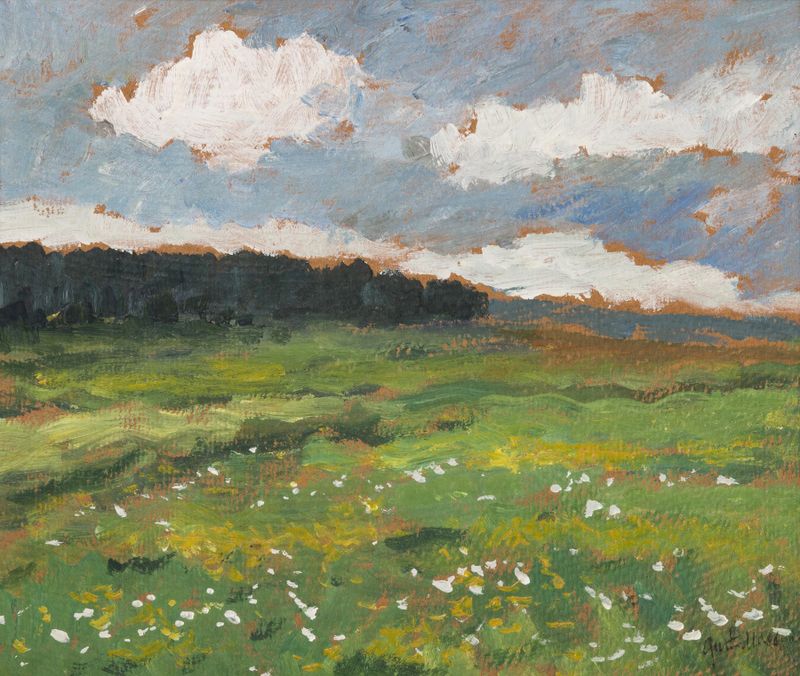
Study of a Landscape
Gustav Macoun
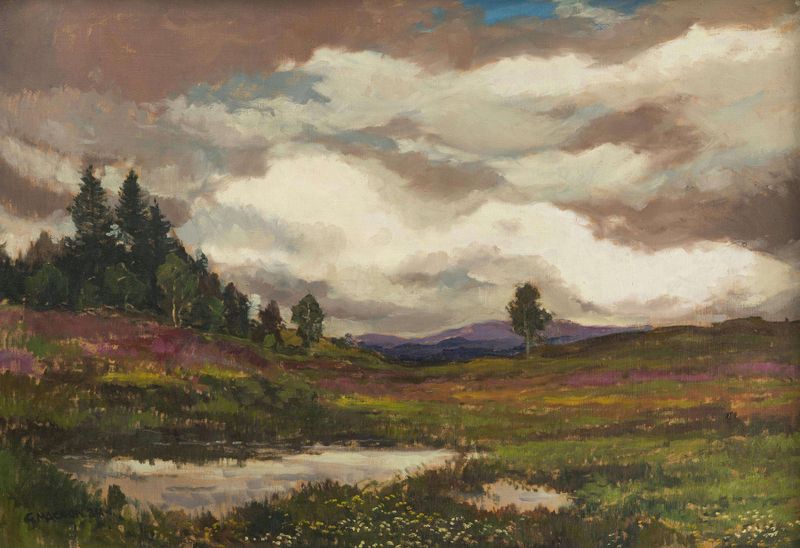
A Landscape with Heathland
Gustav Macoun
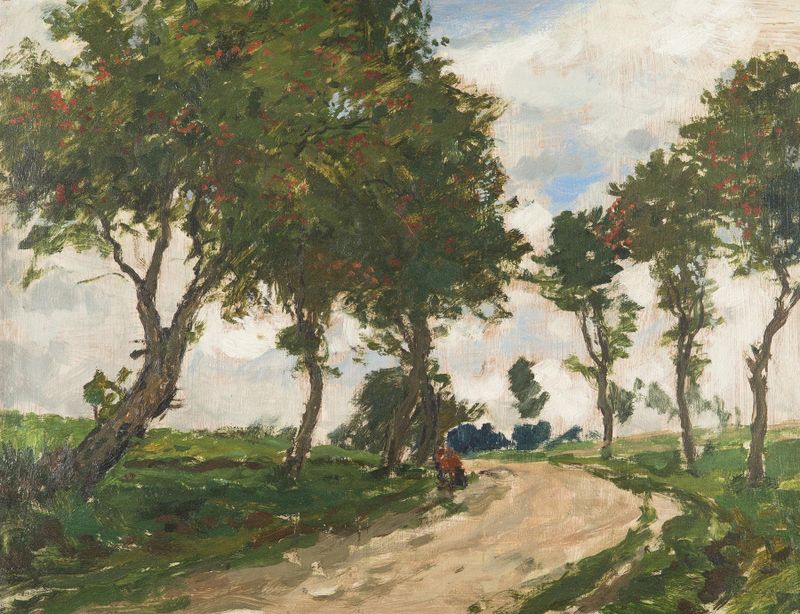
On the Way down the Alley
Gustav Macoun
Spring in the Foothills
Gustav Macoun





