
A Venetian scene — História e Análise
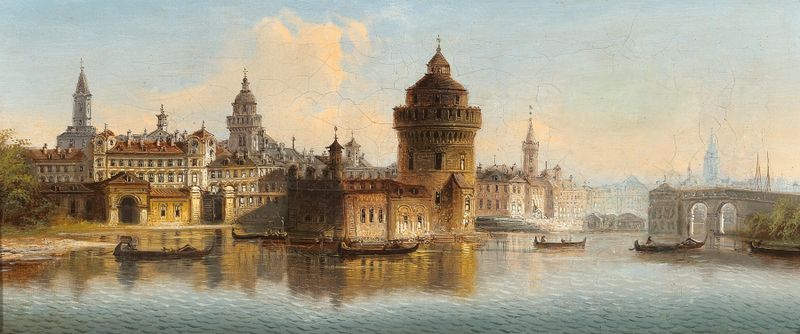
When did color learn to lie? In the soft glimmers of blue and gold, an unsettling emptiness lingers, a silent echo that resonates beyond the canvas. As you engage with the artwork, look to the forefront where two gondoliers, cloaked in shadows, glide silently over the water. Their forms are almost ghostly, merging with the reflections of the Venetian architecture that looms in the background. The artist employs a delicate interplay of light and shadow, creating an atmosphere that is both serene and haunting, compelling the viewer to contemplate the stillness of the scene and its deeper truths. In this picturesque façade, the serene waters of Venice become a metaphor for unfulfilled longing.
Notice the subtle contrast between the vibrant, lively colors of the buildings and the muted tones of the gondoliers. This juxtaposition evokes a sense of isolation amidst beauty, suggesting that even in the most picturesque places, a profound emptiness can exist. The stillness of the water hints at the profound quietude of the human experience, capturing the dichotomy of joy and solitude that flows through the city’s veins. Jankowsky created this artwork during a time when the Impressionist movement was beginning to influence artists across Europe.
Working in the late 19th century, he was trying to carve out his own niche in a world rapidly evolving in its artistic expression. His work reflects a fascination with light and atmosphere, as well as an underlying appreciation for the subtle complexities of life in Venice, a city caught between its splendid past and an uncertain future.
Mais obras de Johann Wilhelm Jankowsky
Ver tudo →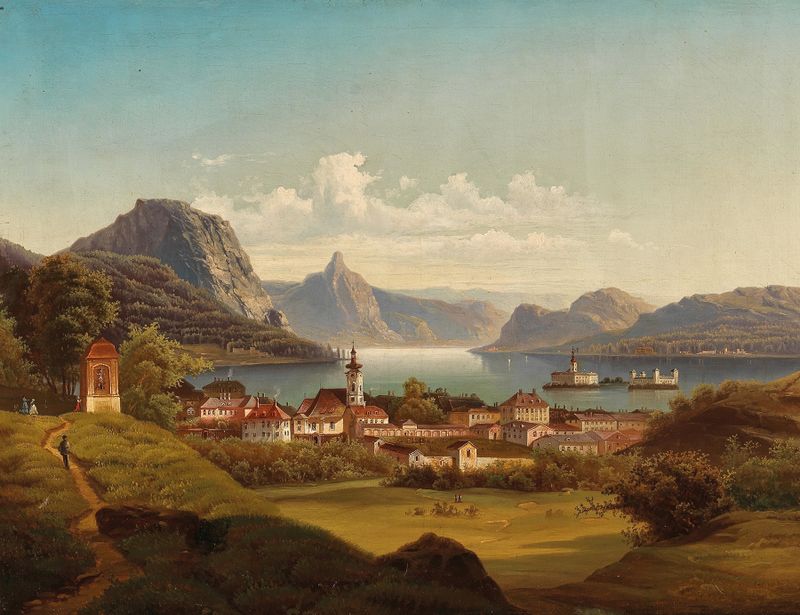
Gmunden mit Schloß Ort am Traunsee
Johann Wilhelm Jankowsky

Venice, Capriccio
Johann Wilhelm Jankowsky

Capriccio, a view of St. Paul’s Cathedral, London
Johann Wilhelm Jankowsky
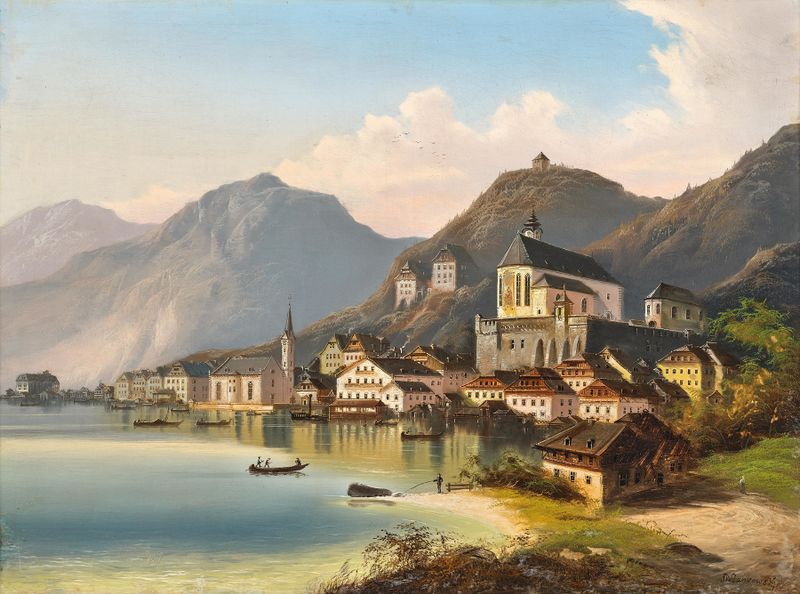
A view of Hallstatt
Johann Wilhelm Jankowsky
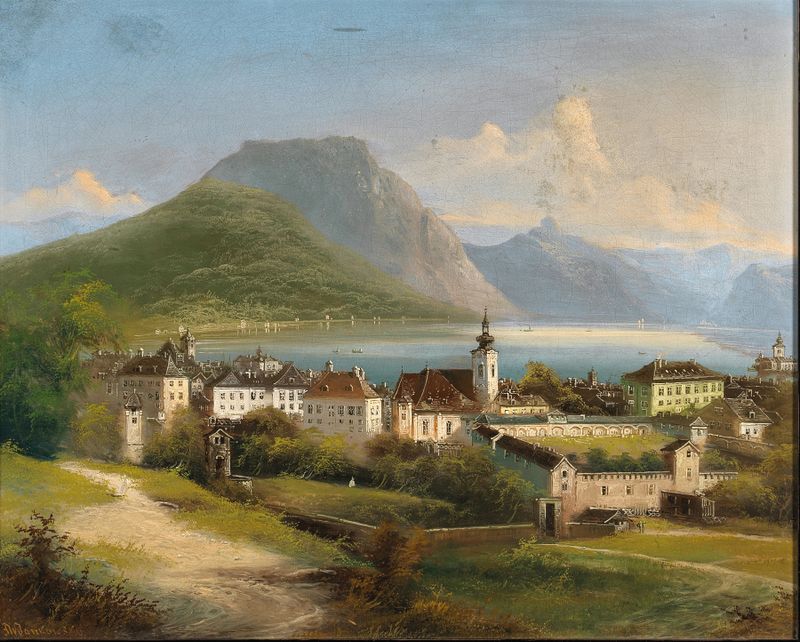
A View of Gmunden on Lake Traunsee
Johann Wilhelm Jankowsky
Le Havre, Seine, Frankreich
Johann Wilhelm Jankowsky
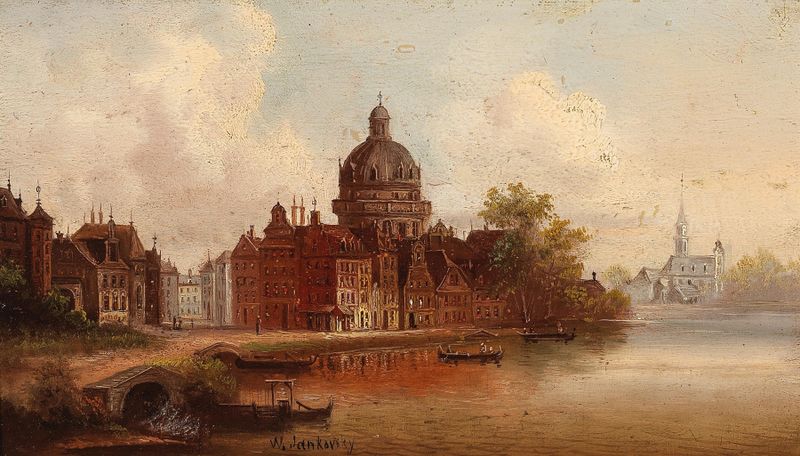
Koepelkerk in Amsterdam
Johann Wilhelm Jankowsky
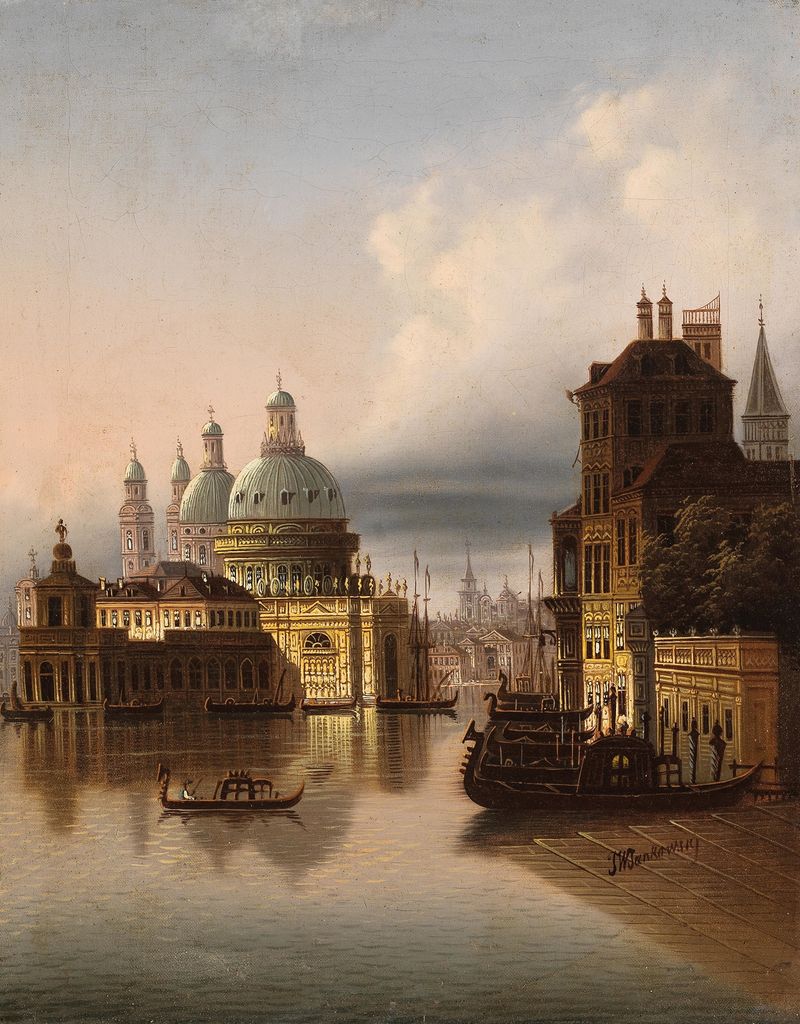
Capriccio, Venice, Scene on a Canal
Johann Wilhelm Jankowsky

The Pilgrimage Church of Sonntagberg, Lower Austria
Johann Wilhelm Jankowsky

A Castle on a Mountain Lake
Johann Wilhelm Jankowsky





