
A View Near Arundel, Sussex, with Ruins by Water — História e Análise
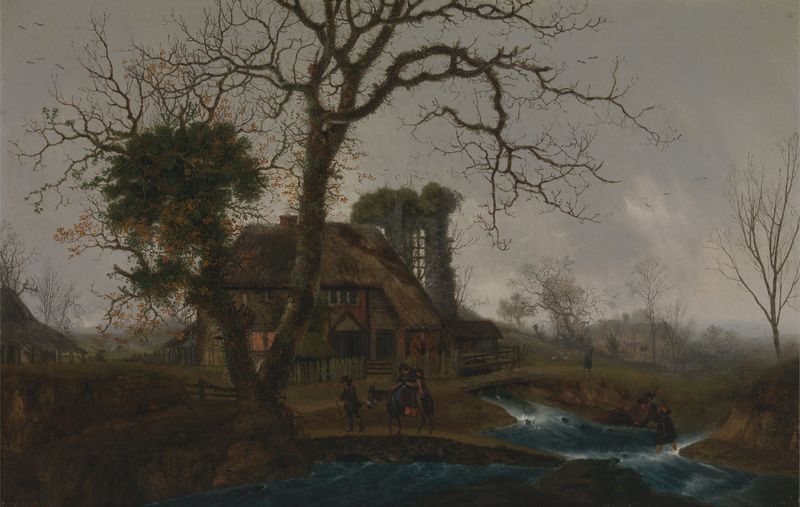
Where does light end, and longing begin? The ethereal beauty of a landscape captured in brushstrokes invites contemplation of both nature and memory. Look to the center of the canvas, where the ruins stand solemnly against the backdrop of a tranquil waterway. The muted greens and soft blues blend seamlessly, evoking a serene atmosphere. Notice how the light dances across the surface of the water, illuminating the delicate reflections of the crumbling stone.
Each brush stroke reveals the artist’s meticulous attention to detail, guiding your gaze to the gentle interplay of light and shadow that breathes life into this still scene. There is a poignant contrast between the majesty of nature and the fragility of human creation. The ruins, suggestive of a once-thriving structure, symbolize both nostalgia and decay. Their presence alongside the vibrant landscape speaks to the passage of time, a reminder of beauty that lingers even in loss.
The calmness of the water further heightens this emotional tension, as it reflects both the grandeur of the surrounding hills and the melancholy of what has been forsaken. In the mid-18th century, George Smith painted this work during a period marked by the burgeoning appreciation for landscape art in England. Living in a time when Romantic ideals began to take root, he was influenced by the changing perceptions of nature and history. The painting stands as a testament to his skill and vision, capturing not just the physical beauty of the Sussex countryside, but also the resonating echoes of history and memory within it.
Mais obras de George Smith
Ver tudo →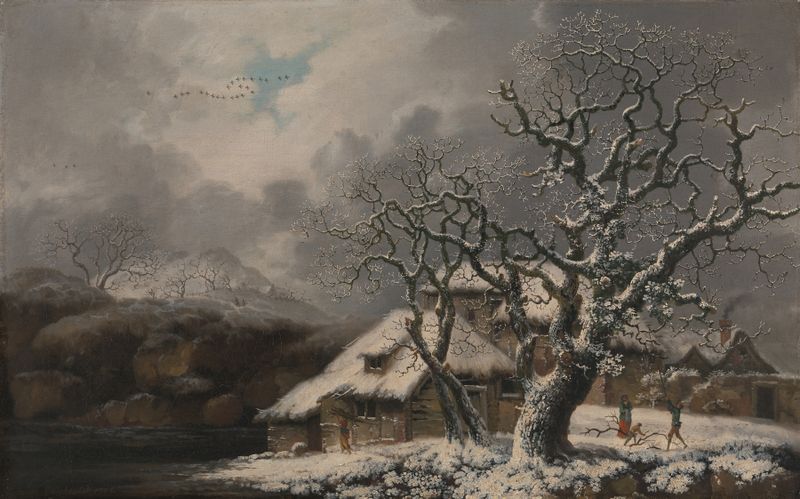
A Winter Landscape
George Smith

A wooded landscape with fishermen and shepherds by a pond, a ruined castle beyond
George Smith

Hop Pickers Outside a Cottage
George Smith
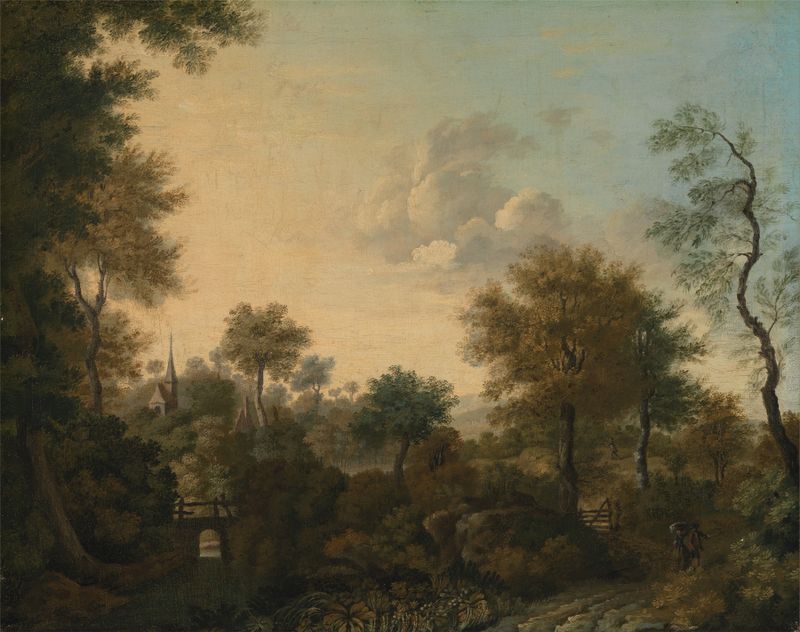
A View Supposedly Near Arundel, Sussex, with Figures in a Lane
George Smith
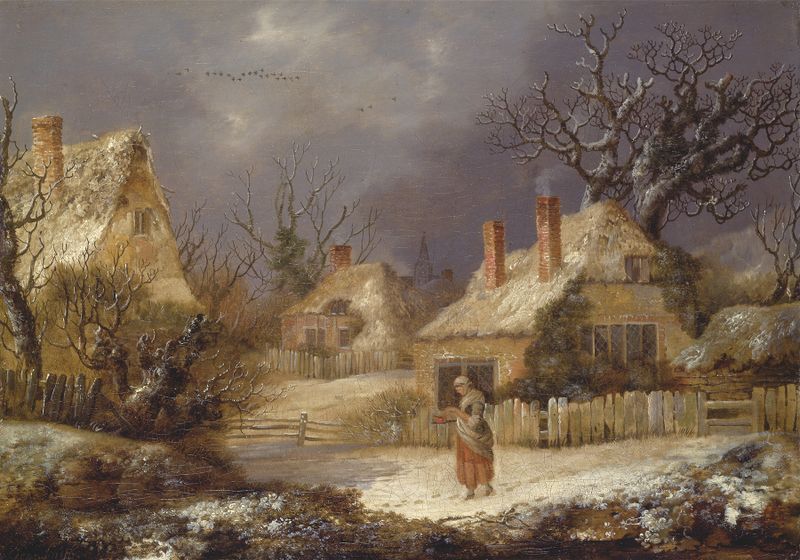
A Winter Landscape
George Smith
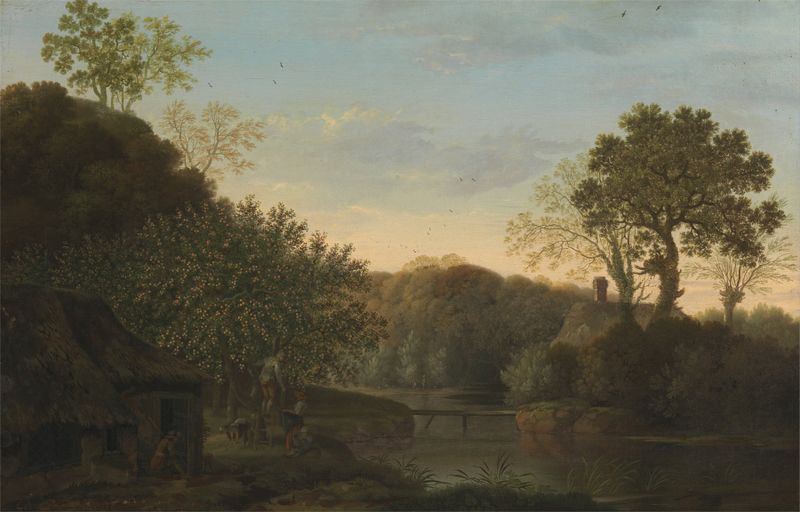
An Autumn Landscape with Apple Pickers
George Smith
Winter landscape
George Smith





