A View of San Sebastiano in Abruzzo — História e Análise
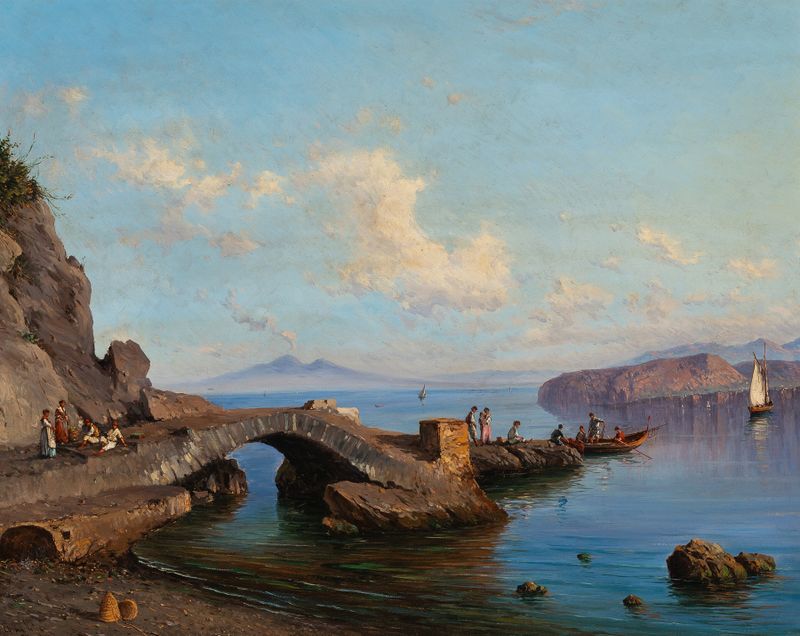
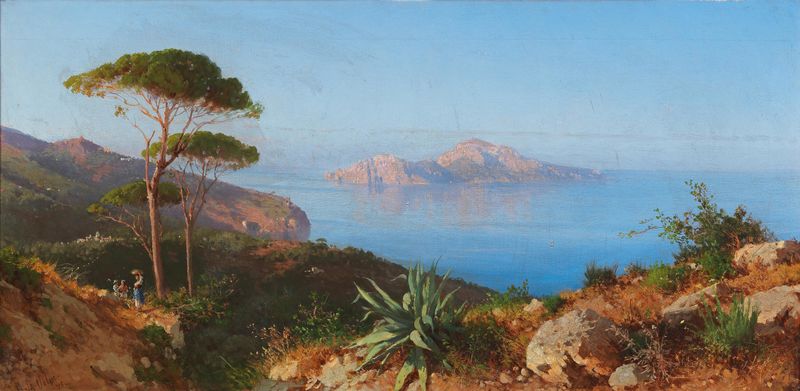
In this quiet expanse, the weight of emptiness feels palpable, as the viewer is invited to confront the void that fills the canvas. The tranquil beauty of the landscape resonates deeply, leaving an unshakeable impression of solitude in its wake. Look to the left at the gentle undulations of the rolling hills, where soft green hues blend seamlessly with earthy browns, creating a patchwork of nature. The distant mountains rise like guardians of the land, their majestic peaks kissed by the tender light of dusk.
Notice how the warm glow bathes the foreground, illuminating the rustic village that seems to breathe a sigh of relief, poised in stillness. Every brushstroke captures the essence of the Italian countryside, allowing the viewer to feel the quiet serenity enveloping the scene. Beneath the surface lies an emotional complexity that reveals itself upon closer inspection. The juxtaposition of vibrant greenery against the muted tones of the village hints at a lingering history—a narrative of life once bustling but now subdued.
The empty streets echo whispers of stories untold, while the fading light symbolizes the passage of time, evoking a bittersweet nostalgia that resonates with the human experience. Here, emptiness transforms into a canvas of reflection, inviting the viewer to engage with their own memories and longings. Painted in 1859, the work emerged during a period of significant change in Italy, where the tides of unification swept through the nation. At this time, Alessandro La Volpe was based in Abruzzo, drawing inspiration from his surroundings as well as the evolving Romantic movement that celebrated nature's beauty.
As artists sought to capture the emotional essence of their landscapes, this piece stands as a testament to that pursuit, reflecting both the artist's personal journey and the broader cultural transformation unfolding around him.