
An Ivy Covered Ruin — História e Análise
Could a single brushstroke hold eternity? In the delicate hues of An Ivy Covered Ruin, nostalgia seeps through every crevice, whispering tales of forgotten beauty and time's relentless passage. Look to the left at the soft embrace of ivy wrapping around the crumbling stonework. The intricate greens contrast against the muted earth tones, creating a sense of harmony between nature and decay. Notice how the light gently filters through the leaves, casting dappled shadows that animate the ancient walls, evoking a sense of longing for what once was.
The composition draws the eye along the ruin, guiding viewers through its layered textures and connecting them with the inevitable cycle of life and nature. Upon closer inspection, the ivy can be seen as a metaphor for resilience and the passage of time, suggesting that nature ultimately reclaims what humanity has abandoned. The play of light and shadow adds a lyrical quality, encapsulating the melancholy beauty in decay. These subtleties reflect a tension between nostalgia and the acceptance of impermanence, inviting contemplation on the relationship between memory and the natural world. In the late 1780s to early 1790s, the artist found himself immersed in the picturesque movement, capturing the sublime beauty of landscapes and ruins.
At this time, Towne was honing his skills in watercolor, a medium that allowed him to depict the ethereal qualities of light and atmosphere. The world was on the cusp of the Romantic era, where emotions and nature began to take precedence, paving the way for a greater appreciation of the transient wonders of life that Towne so beautifully illustrated.
Mais obras de Francis Towne
Ver tudo →
The Grange at the Head of Keswick Lake
Francis Towne

Vauxhall Stairs, from Millbank, July 5, 1797
Francis Towne

View in Borrowdale of Eagle Crag and Rosthwaite
Francis Towne

View of Lake Como with Monte Leoni
Francis Towne
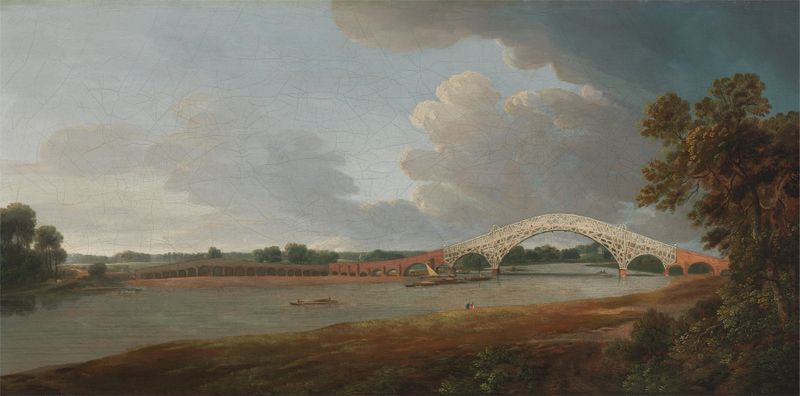
Old Walton Bridge
Francis Towne
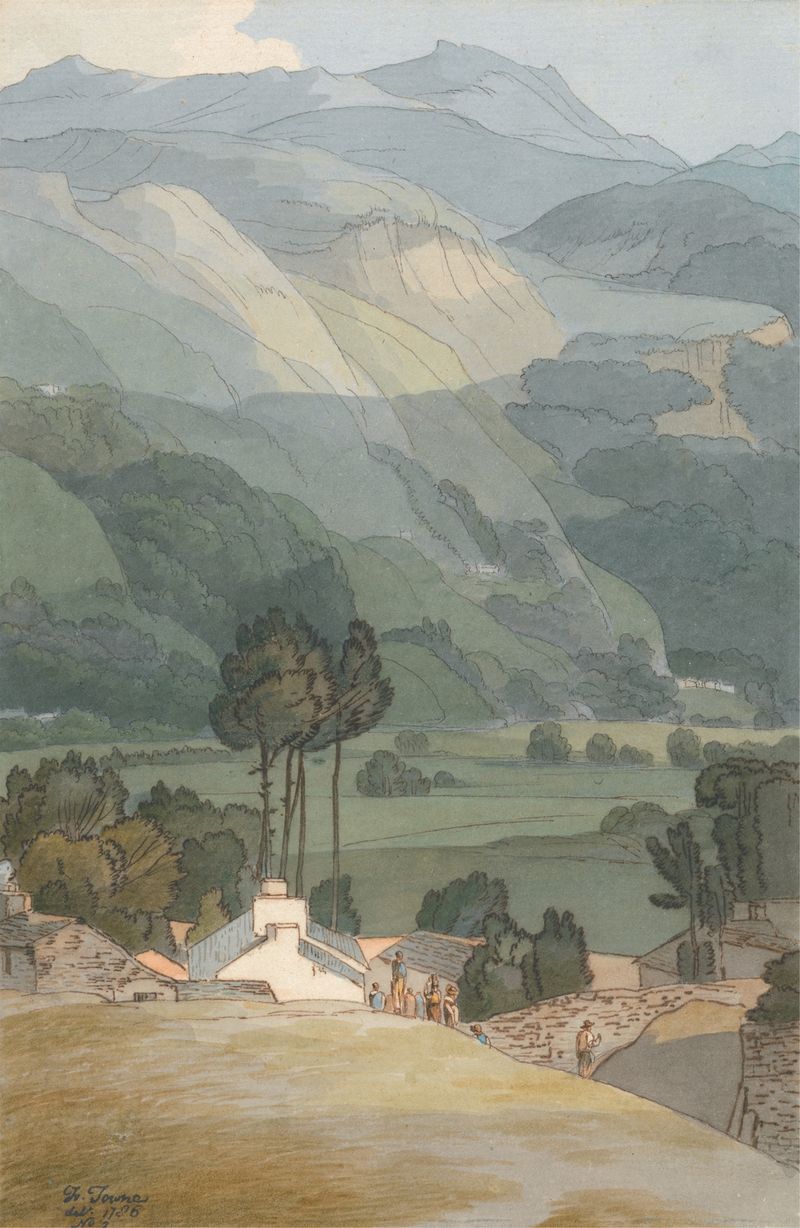
Ambleside
Francis Towne
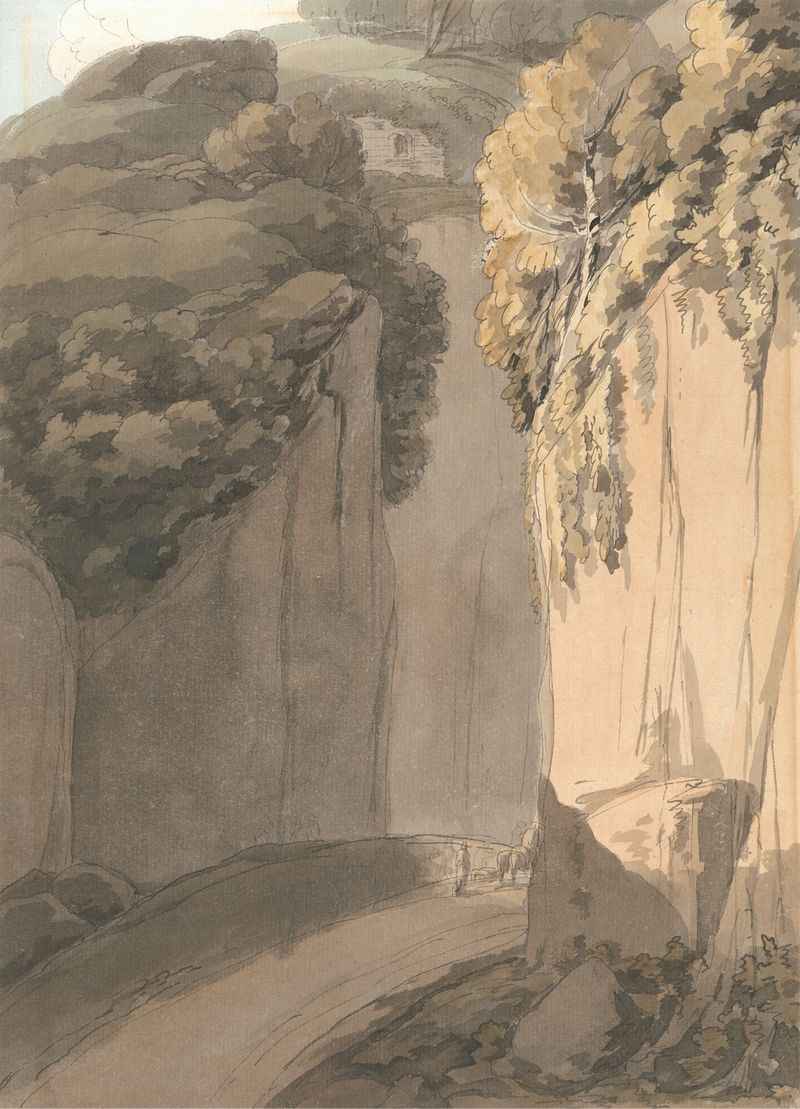
Entrance to the Grotto at Posilippo, Naples
Francis Towne

The Claudian Aquaduct, Rome
Francis Towne

A View Near the Arco Scuro, Looking Towards the Villa Medici, Rome
Francis Towne

View of the Rhydaer
Francis Towne





