
Ancient Aquaducts Near the Capodichino — História e Análise
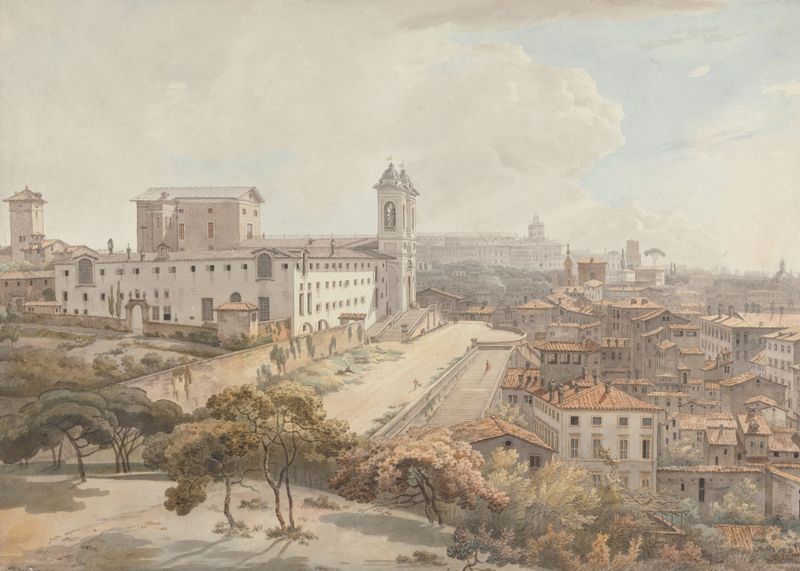
In Ancient Aquaducts Near the Capodichino, the echoes of a bygone era resonate through crumbling structures and the weight of history, capturing the essence of loss amidst the beauty of decay. Look to the right at the worn stones of the aqueduct, meticulously rendered to reveal their weathered texture, as if they are whispering tales of a vibrant past. Notice how the golden light of the setting sun bathes the scene, casting long shadows that stretch across the landscape. The artist’s delicate brushwork creates a palpable sense of atmosphere, inviting the viewer to step into this moment suspended in time, where nostalgia and nature intertwine seamlessly. As you delve deeper, observe the contrasts within the work: the monumental strength of the aqueduct juxtaposed with the frailty of nature reclaiming its space.
The juxtaposition of the stark architecture against the lush greenery reveals a dialogue between humanity’s ambitions and the relentless passage of time, suggesting that beauty will always find a way to endure, even in ruin. Each detail, from the distant hills to the wispy clouds, amplifies a quiet reflection on loss, evoking emotions tied to memory and impermanence. William Pars created this work between 1780 and 1782 while traveling in Italy, a period when he was deeply engaged with the classical landscape tradition. During this time, he sought to capture the grandeur of antiquity, reflecting the wider neoclassical movement that celebrated history and nature.
As he painted, the world around him was undergoing significant changes, and his focus on the remnants of the past speaks to a longing for connection with a history that time is gradually erasing.
Mais obras de William Pars
Ver tudo →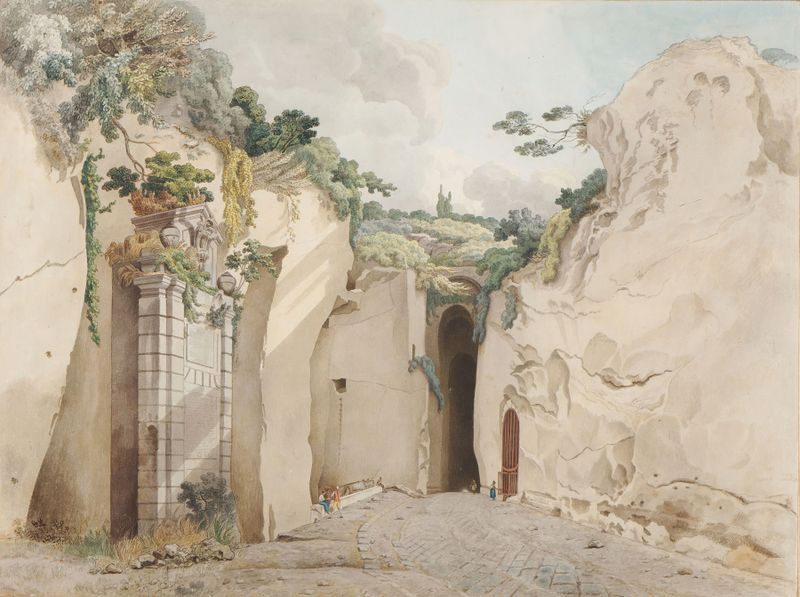
Mais arte de Arquitetura
Ver tudo →
The statue of Liberty
Frédéric Auguste Bartholdi

View of Houses in Delft, Known as ‘The Little Street’
Johannes Vermeer

View of Houses in Delft, Known as ‘The Little Street’
Johannes Vermeer

The Cathedral in Rouen. The portal, Grey Weather
Claude Monet

The yellow house
Vincent van Gogh

The Church in Auvers-sur-Oise, View from the Chevet
Vincent van Gogh