Ansicht auf Dresden, Mondschein — História e Análise
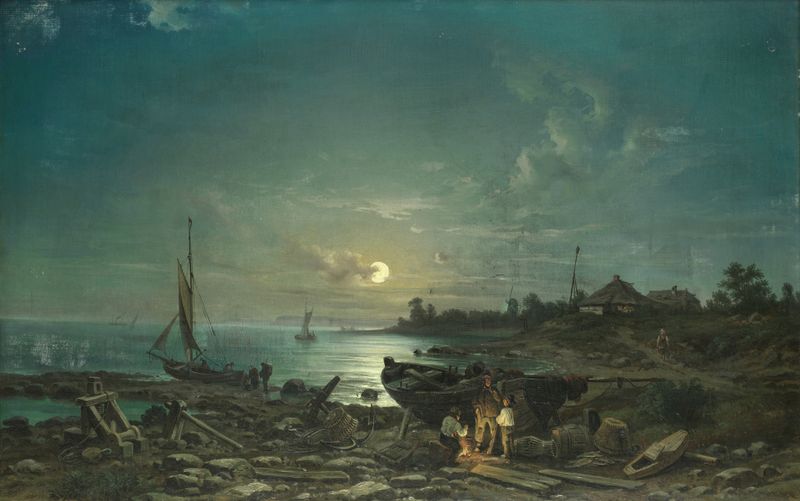
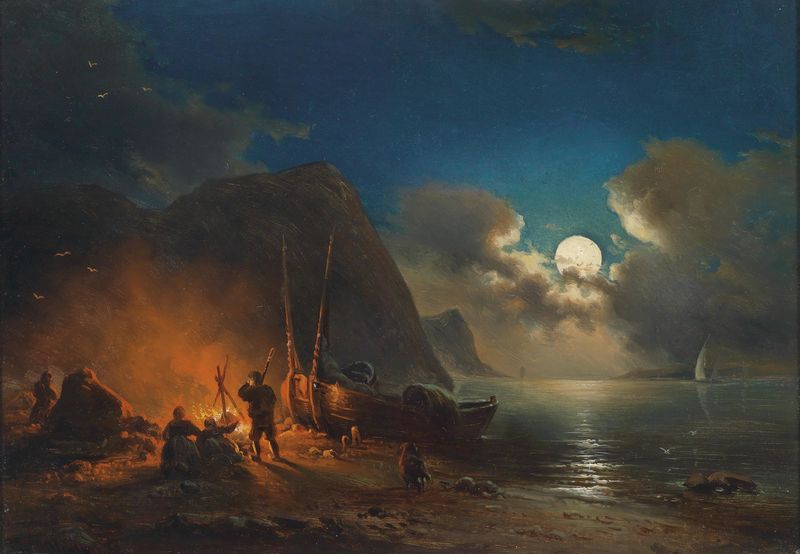
In Johann Anton Castell's Ansicht auf Dresden, Mondschein, a tender yearning whispers through the moonlit skies, inviting viewers to reflect on the passage of time and the beauty of fleeting moments. Focus on the soft glow of the moon as it serenely illuminates the skyline of Dresden, casting gentle shadows that dance across the rooftops. The interplay of light and darkness creates an ethereal atmosphere, drawing your gaze towards the shimmering river that flows beneath, reflecting the celestial luminescence. Castell’s masterful blending of blues and silvers evokes a tranquil night, while the delicate brushwork captures the subtle textures of the architecture, each stroke echoing the city's storied past. Yet, beneath the surface beauty lies an emotional depth rooted in nostalgia and desire.
The stillness of the scene speaks to the longing for connection, both with the place and the memories it holds. The moon, a silent witness, becomes a metaphor for unattainable dreams—its light both illuminating and isolating. Each building stands like a guardian of history, silently whispering tales of its inhabitants, intertwining joy and sorrow in an unspoken dialogue. Castell painted this evocative piece in 1846 during a period of increasing Romanticism in Europe, reflecting a growing interest in the interplay between nature and emotion.
Living in Dresden, he was inspired by the city’s beauty and its rich cultural heritage, which resonated profoundly with the themes of longing and memory central to his artistic vision. As the world around him underwent rapid change, his work remained a poignant reminder of the enduring spirit of place and the intimate connections we forge with our surroundings.