
Arbre Dépouillé Au Jas De Bouffan — História e Análise
This profound reflection beckons us to engage with art beyond its surface, where light intertwines with emotion. Focus on the vibrant interplay of light and shadow that dances across the canvas. Notice how the branches of the tree reach skyward, their skeletal forms stark against the soft hues of the background. The brushstrokes convey a sense of movement, as if the tree itself mourns its loss while still yearning for the sun.
The warm palette of ochres and greens invites viewers into a world that feels both tranquil and melancholic. Delve deeper, and you'll find contrasts that reveal layers of meaning. The bare branches symbolize both isolation and resilience, encapsulating the struggle of existence. The use of light not only illuminates the physical form of the tree but also hints at an emotional landscape, a longing for growth amid despair.
Each stroke bears witness to the duality of life—beauty tinged with sorrow, the fragility of nature’s cycle, and the quiet strength that emerges from vulnerability. During the late 19th century, while living in Aix-en-Provence, the artist painted this work amid a burgeoning movement that sought to redefine landscape painting. Cézanne was grappling with his own artistic identity, aiming to capture the essence of nature. His exploration of color and form reflected broader shifts in the art world, as he laid the groundwork for modernism while remaining firmly rooted in the natural beauty of his surroundings.
Mais obras de Paul Cezanne
Ver tudo →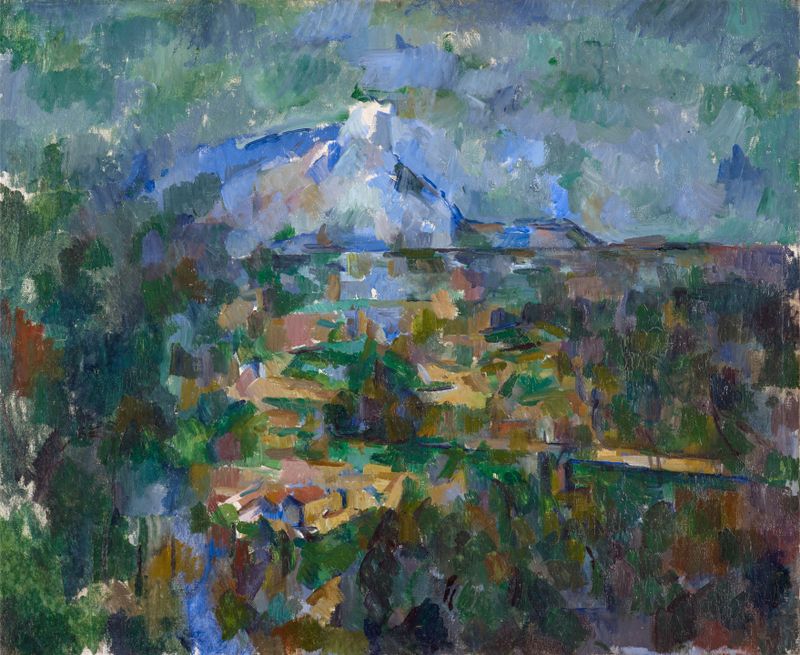
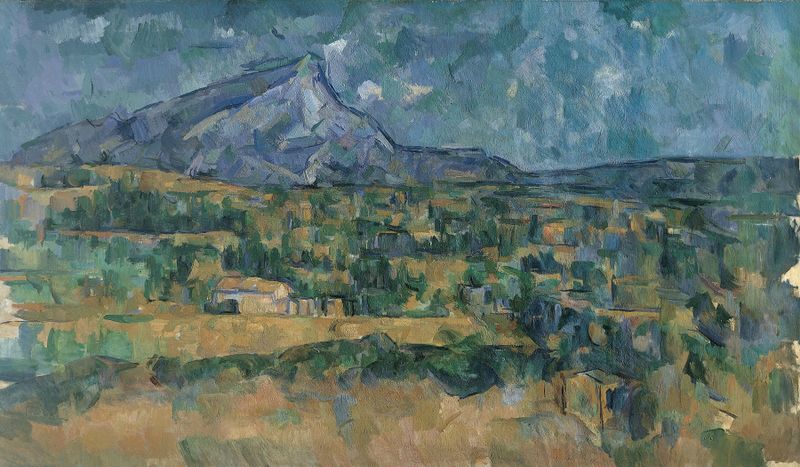
The Mont Sainte-Victoire Seen From Les Lauves
Paul Cezanne
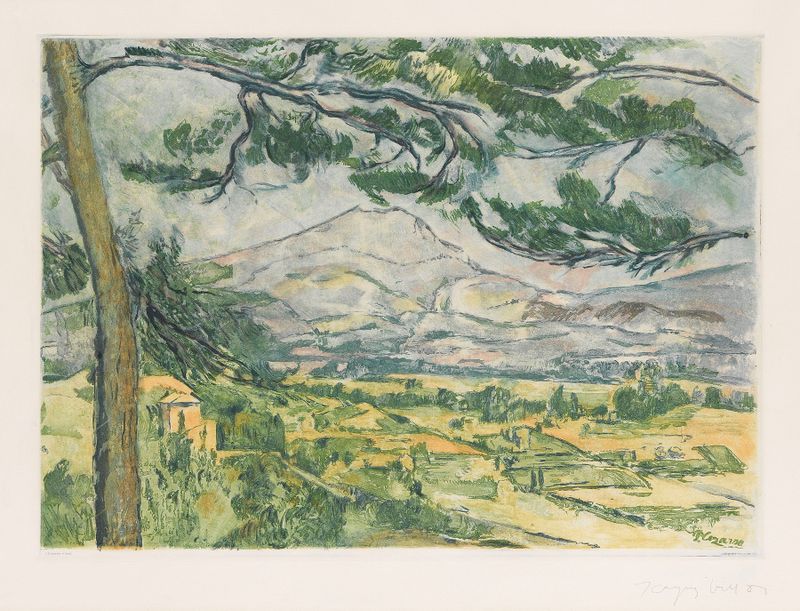
La Montagne Sainte-Victoire
Paul Cezanne
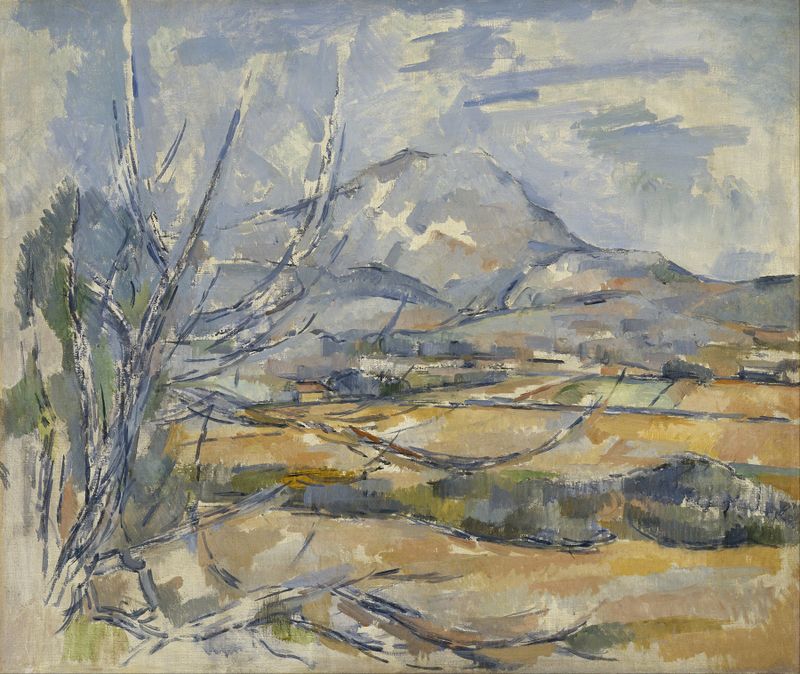
Montagne Sainte-Victoire
Paul Cezanne
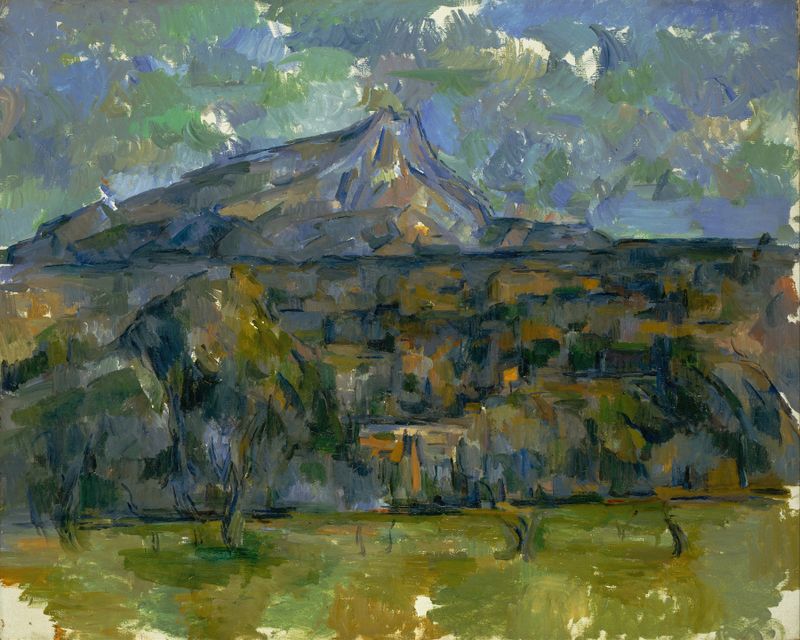
Mont Sainte-Victoire
Paul Cezanne
Mont Sainte-Victoire
Paul Cezanne
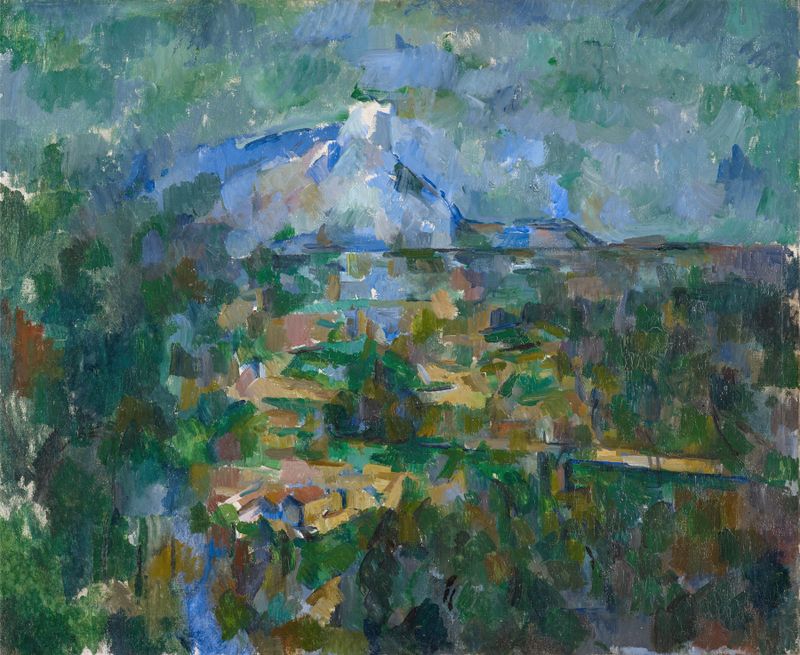
View of Mount Sainte-Victoire from Les Lauves
Paul Cezanne
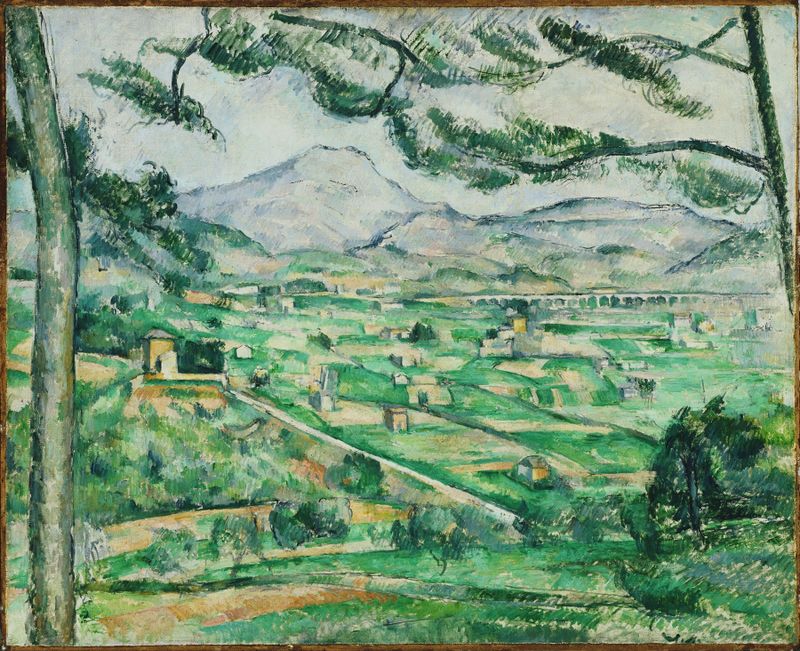
Mont Sainte-Victoire 2
Paul Cezanne

The Basket of Apples
Paul Cezanne

Mount Sainte-Victoire
Paul Cezanne
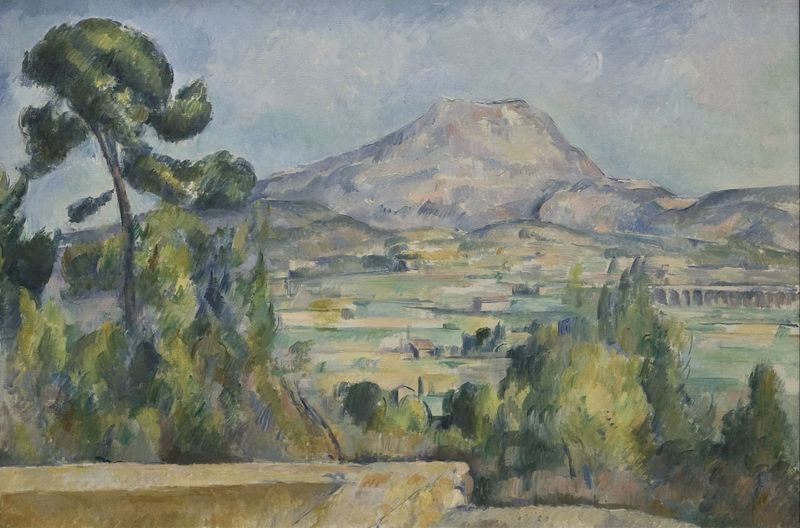
Montagne Saint-Victoire
Paul Cezanne





