
Architectural study — História e Análise
Can beauty exist without sorrow? In the quiet solitude of an architectural study, the answer resonates through the interplay of light and shadow. Look to the intricate lines that define the structures in the foreground, capturing the essence of classical form. The soft, muted palette contrasts with defined edges, inviting the viewer's gaze to travel across the carefully rendered columns and arches. Notice how the gentle sunlight cascades over the scene, illuminating certain facets while leaving others in a delicate obscurity, enhancing the sense of mystery and depth. Beneath the surface, the juxtaposition of grandeur and decay stirs a deep emotional current.
The detailed craftsmanship of the architecture evokes admiration, yet hints at the inevitable passage of time, suggesting a loss of history and grandeur. Each stone bears a witness to the beauty that once flourished, now overshadowed by an unseen melancholy that lingers in the air, making the viewer contemplate the fragile relationship between beauty and impermanence. In 1788, Johann Georg von Dillis created this piece during a time of burgeoning neoclassicism in Germany. As he explored the architectural heritage of his homeland, he was influenced by the Romantic movement, which emphasized emotion and the sublime nature of art.
Painted in Munich, this work reflects both his dedication to detail and a burgeoning consciousness of the past, as Europe grappled with the effects of the Enlightenment and a shifting artistic landscape.
Mais obras de Johann Georg von Dillis
Ver tudo →
A Farmhouse in the Bavarian Alps
Johann Georg von Dillis

Hügelige Baumlandschaft mit Hütte
Johann Georg von Dillis
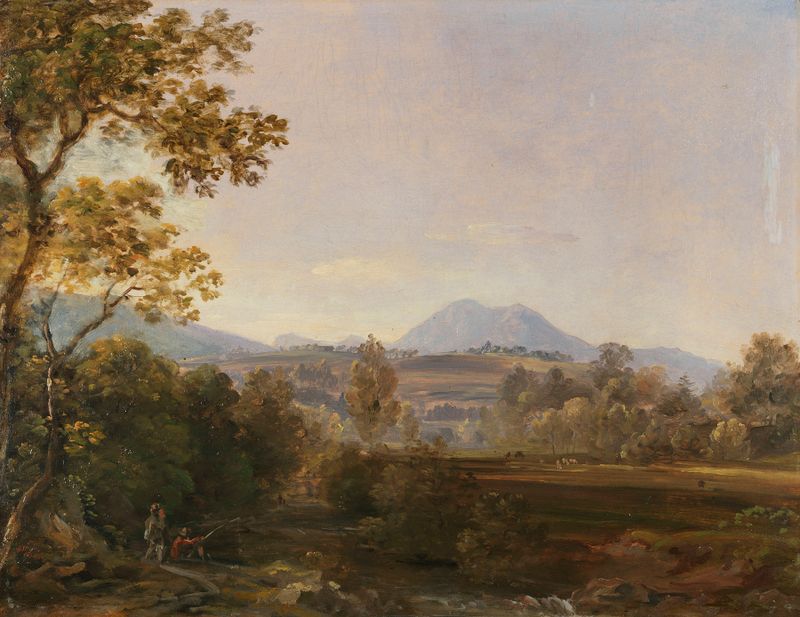
Süddeutsche Landschaft mit Wanderern
Johann Georg von Dillis

View of the Monastery in Tegernsee seen from the north-east
Johann Georg von Dillis

Blick von der Praterinsel über die Isar zum Siechenhaus auf dem Gasteig
Johann Georg von Dillis
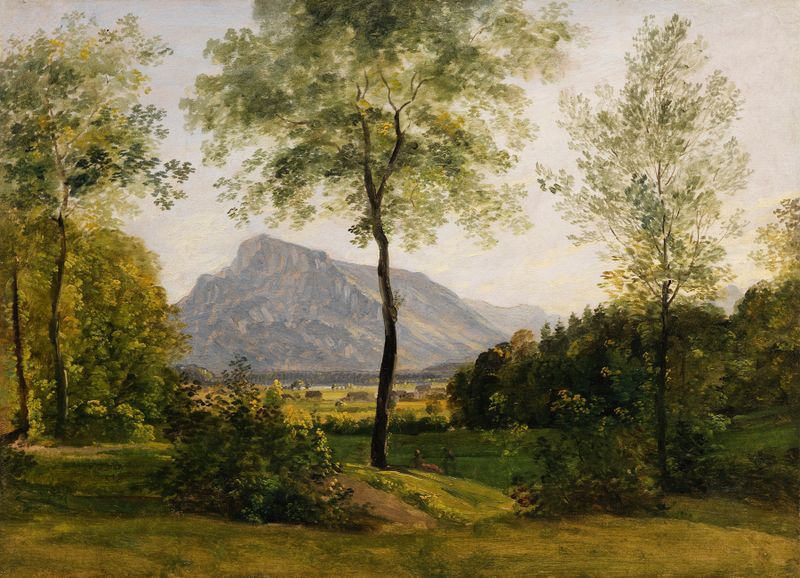
Landschaft mit dem Untersberg bei Salzburg
Johann Georg von Dillis
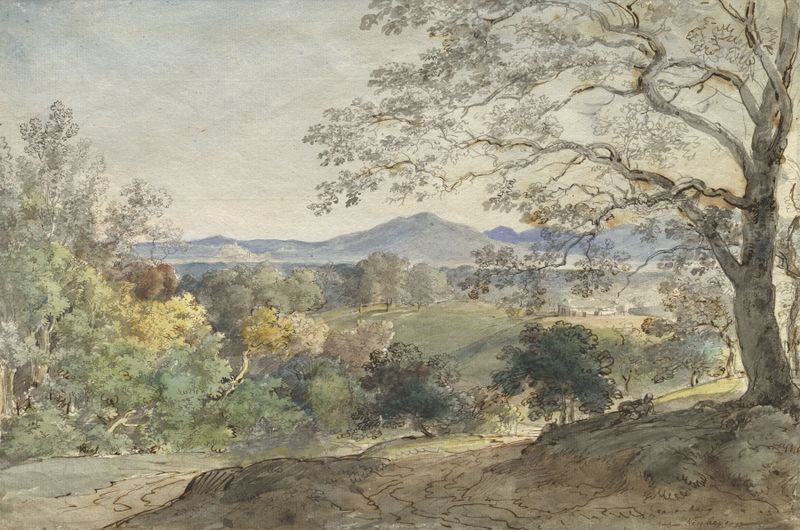
A View across the Inn Valley to the Alps and Neubeuern
Johann Georg von Dillis
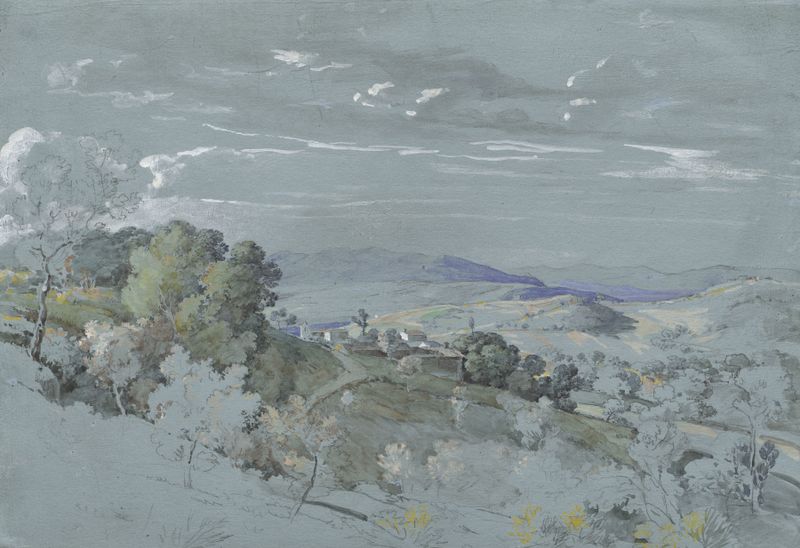
The Hills of Umbria near Perugia
Johann Georg von Dillis
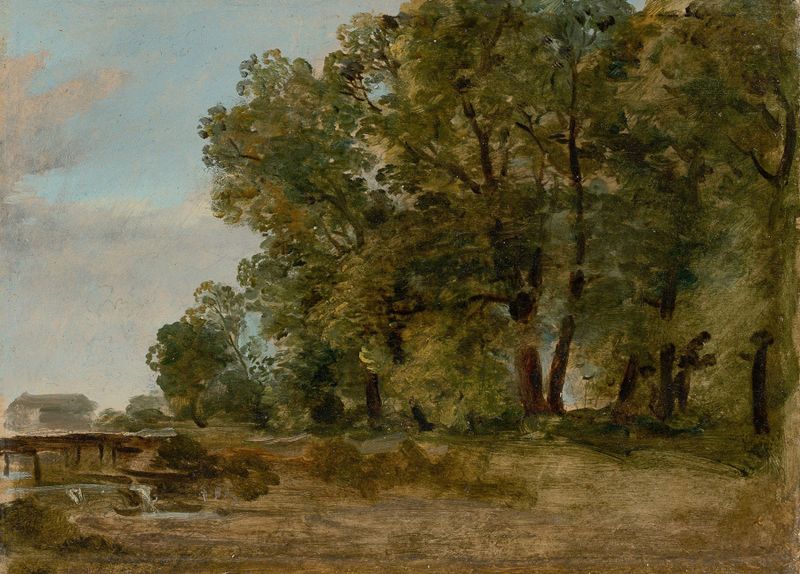
Praterinsel in München
Johann Georg von Dillis
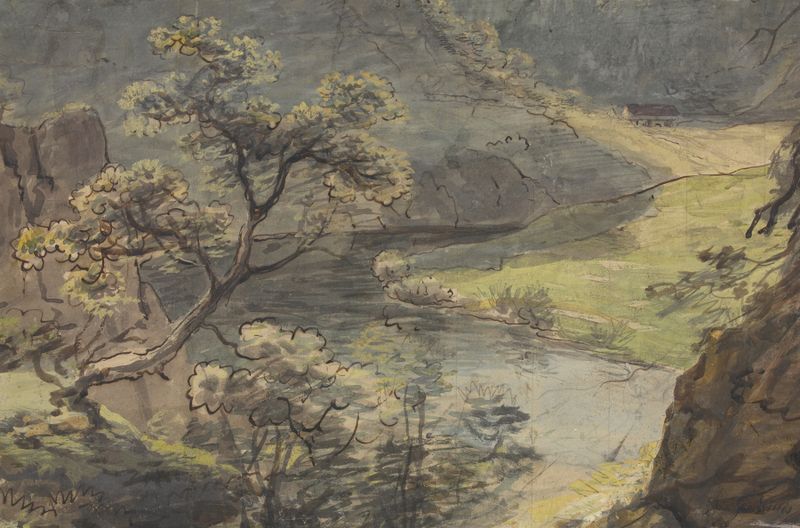
River Landscape
Johann Georg von Dillis
Mais arte de Arquitetura
Ver tudo →
The statue of Liberty
Frédéric Auguste Bartholdi

View of Houses in Delft, Known as ‘The Little Street’
Johannes Vermeer

View of Houses in Delft, Known as ‘The Little Street’
Johannes Vermeer

The Cathedral in Rouen. The portal, Grey Weather
Claude Monet

The yellow house
Vincent van Gogh

The Church in Auvers-sur-Oise, View from the Chevet
Vincent van Gogh