
At Bawburgh — História e Análise
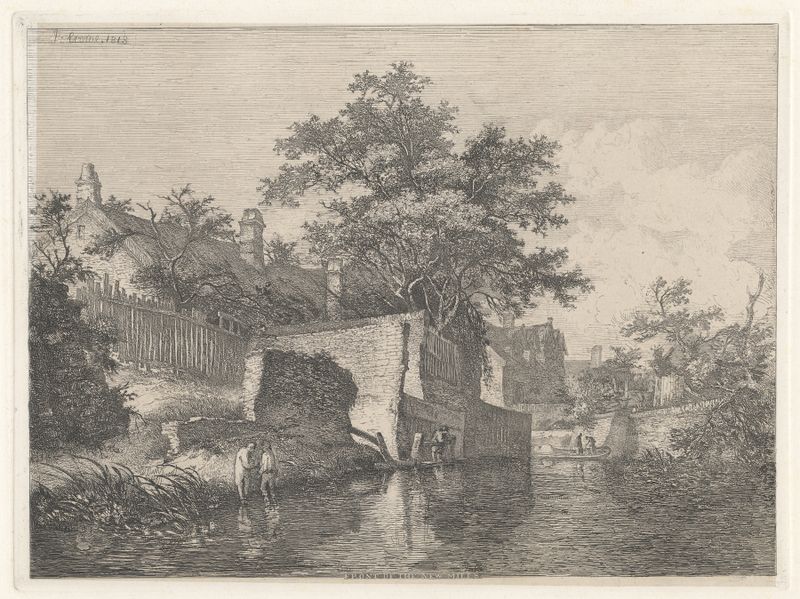
Can beauty exist without sorrow? In John Crome's At Bawburgh, the interplay of light and shadow reveals the hidden depths of tranquility and unease in the natural world. Look to the left at the gentle curve of the river, its surface reflecting the soft hues of the twilight sky. Notice how the autumn leaves, rendered with a delicate brush, whisper tales of change and transience. The muted palette of greens and browns creates an intimate atmosphere, inviting the viewer to pause and ponder.
The composition draws the eye toward the horizon, where the distant trees stand resolute, framing a serene yet haunting landscape. Within this pastoral scene lies a contrast between peace and the inevitable passage of time. Each leaf, falling and swirling, embodies both beauty and loss, hinting at the bittersweet cycle of life. The solitary figure in the foreground, perhaps a farmer or wanderer, evokes a sense of solitude, suggesting an inner dialogue with the natural world.
This quiet moment transcends mere representation, inviting contemplation of existence amidst the serene chaos of nature. In 1813, Crome painted At Bawburgh in his native Norwich, during a time when the Romantic movement was gaining momentum in England. This period was marked by a renewed appreciation for nature and individual experience, challenging the conventions of the Enlightenment. As Crome engaged with this evolving artistic landscape, he sought to capture the essence of his surroundings, blending realism with a poetic vision that resonates even today.
Mais obras de John Crome
Ver tudo →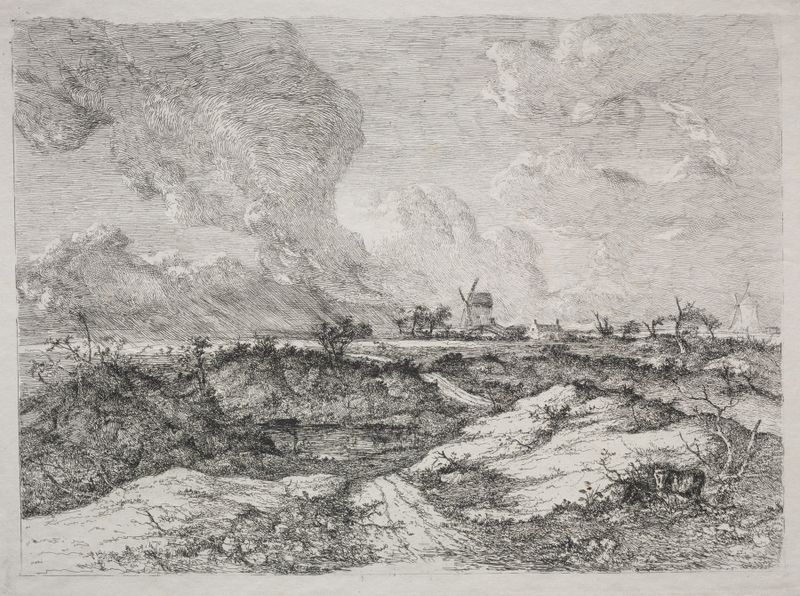
Mousehold Heath
John Crome
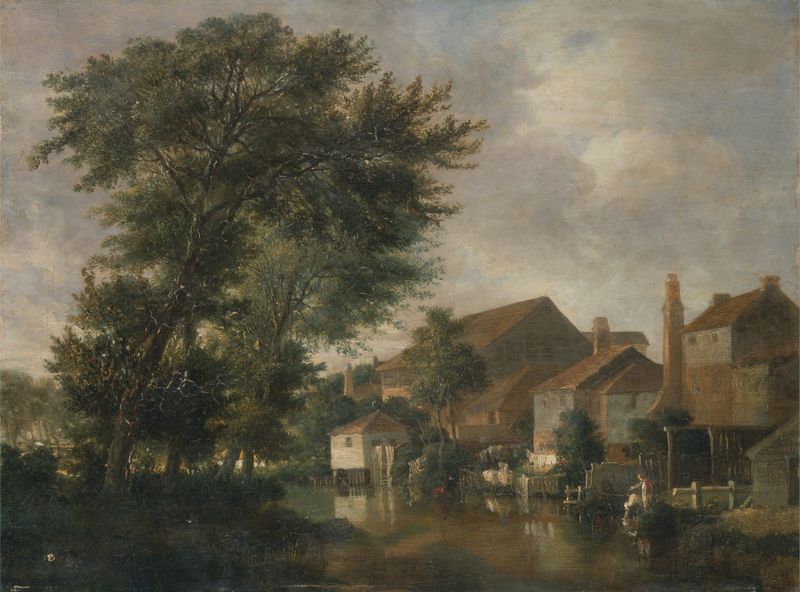
The River Wensum, Norwich
John Crome
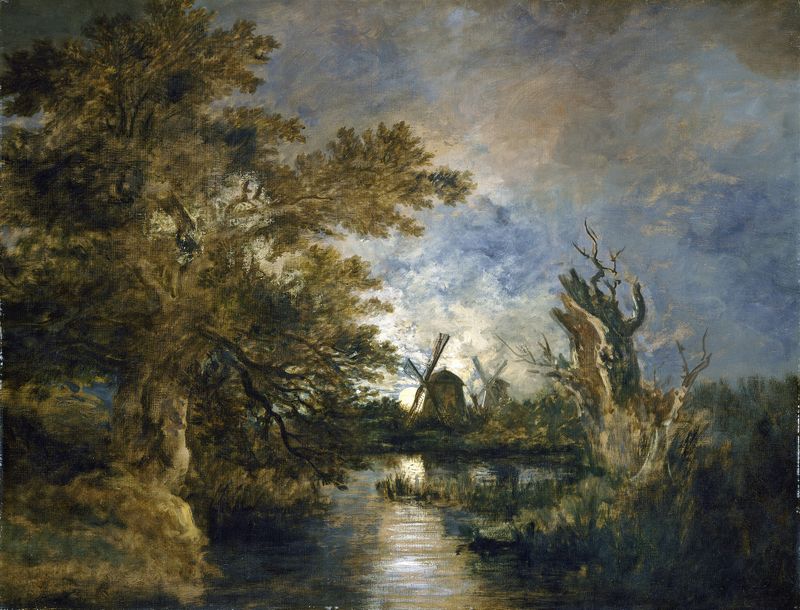
Moonlight on the Yare
John Crome
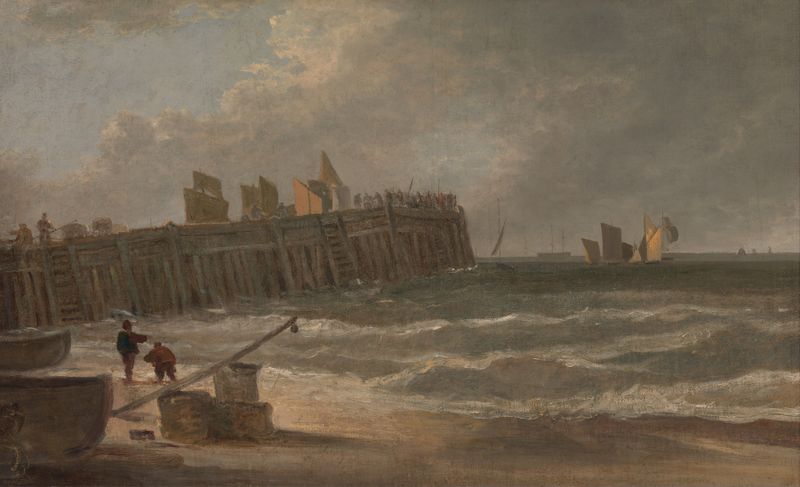
Yarmouth Pier
John Crome
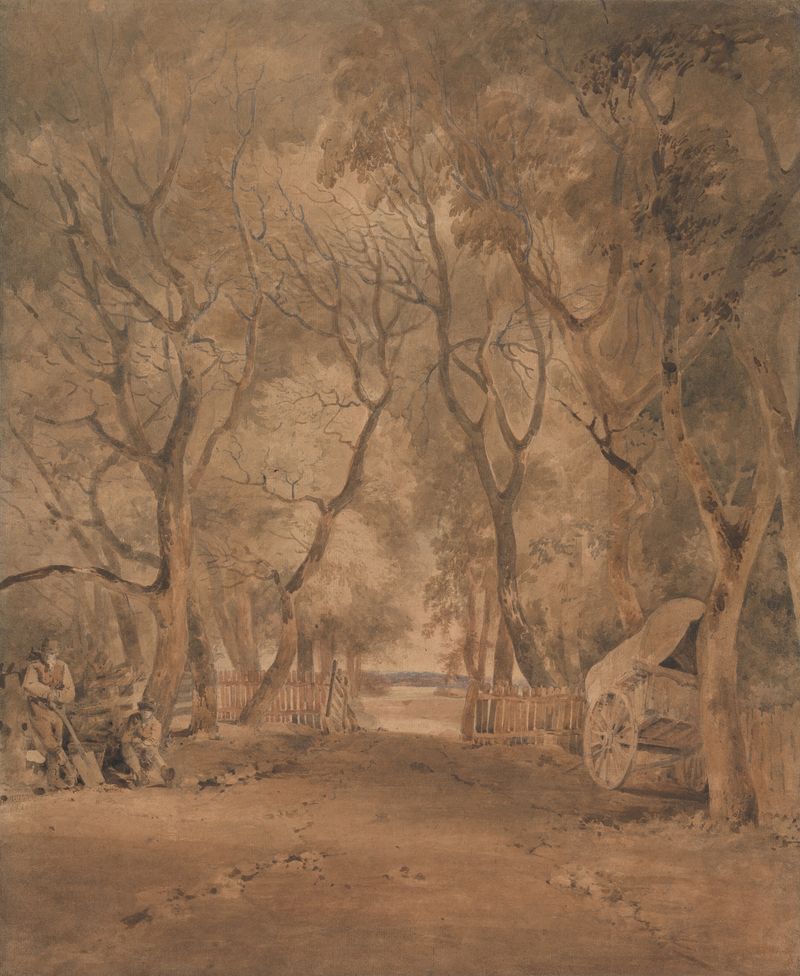
Entrance to Earlham Park, near Norwich
John Crome
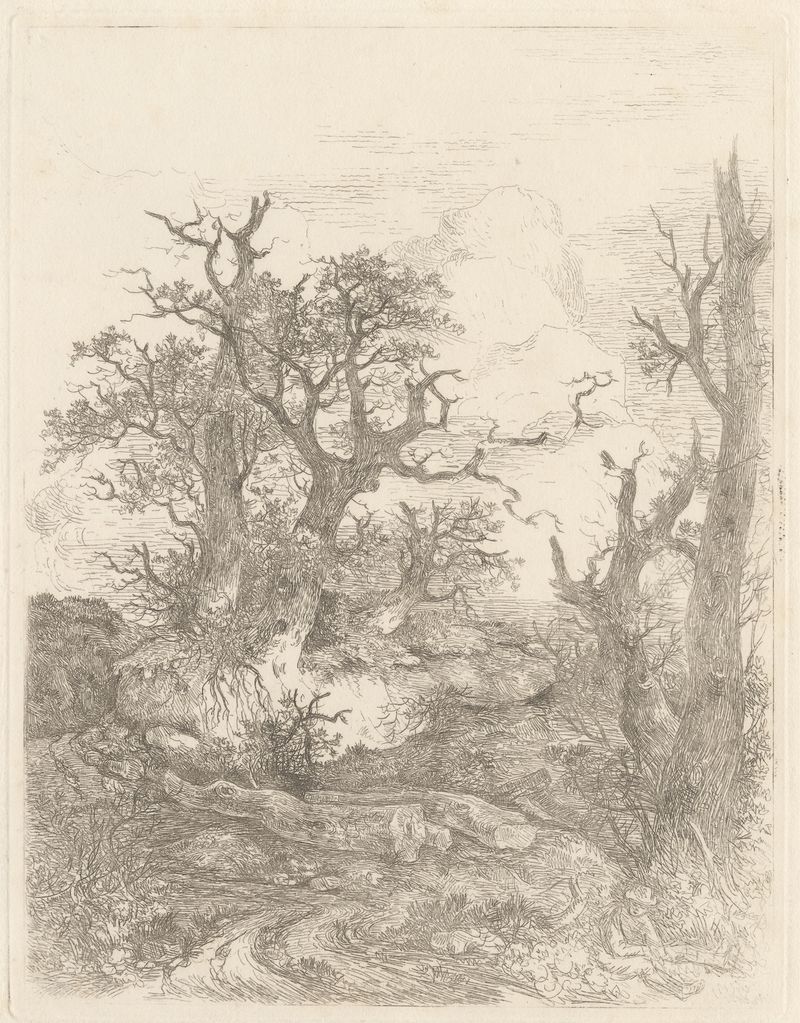
Landscape with Oak Trees
John Crome

Woodland Landscape near Norwich
John Crome
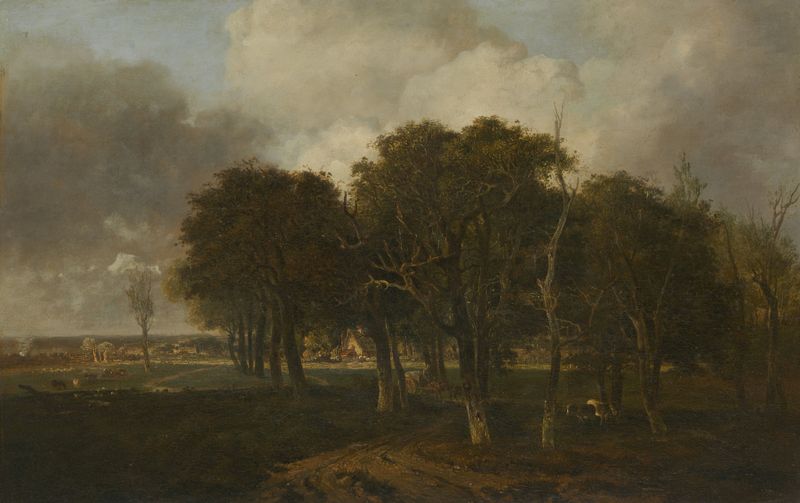
Hautbois Common, Norfolk
John Crome
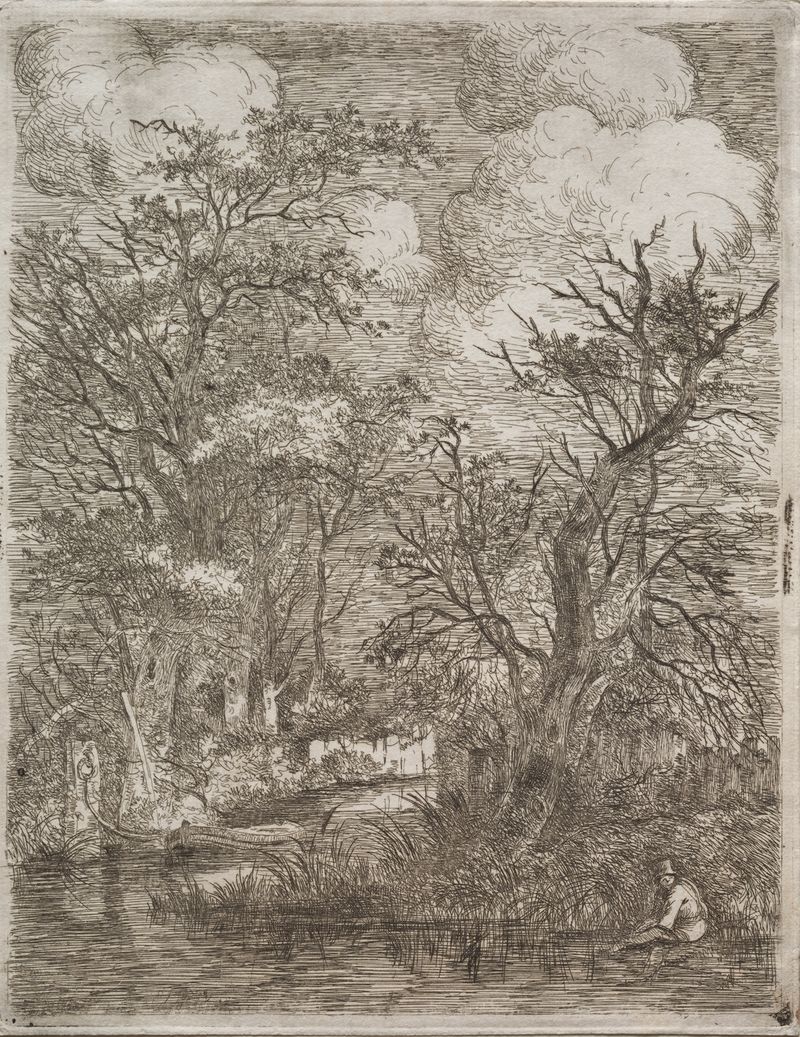
Back of the Mills
John Crome
Front of the New Mills
John Crome





