
At Concarneau — História e Análise
When did color learn to lie? In the hands of Maxime Lalanne, it becomes a vessel of hope, capturing a fleeting moment where nature and human existence intersect. Look to the foreground where the vibrant hues of the sea contrast sharply with the muted tones of the sky. The delicate brushwork renders the shimmering water as it dances with light, drawing your gaze toward the small boats bobbing gently on the tide. Notice the soft gradations of blues and greens, whispering of serenity, while the hints of warm ochre and sandy beige ground the scene in a tangible reality. Beneath the tranquil facade lies a deeper emotional tension.
The boats, seemingly at peace, represent the fragile stability of life, tethered yet vulnerable on the open water. The distant horizon invites contemplation—what lies beyond? This juxtaposition of calm and uncertainty evokes a sense of yearning, a reminder of the human spirit’s resilience amid the unknown. In 1870, Lalanne painted this work during a time of personal reflection and artistic growth. Working in Concarneau, Brittany, he was influenced by the maritime landscapes that defined his surroundings.
That era marked a shift in the art world as Impressionism began to take hold, and Lalanne’s focus on natural light and color foreshadowed the movement’s deeper explorations of perception and emotion.
Mais obras de Maxime Lalanne
Ver tudo →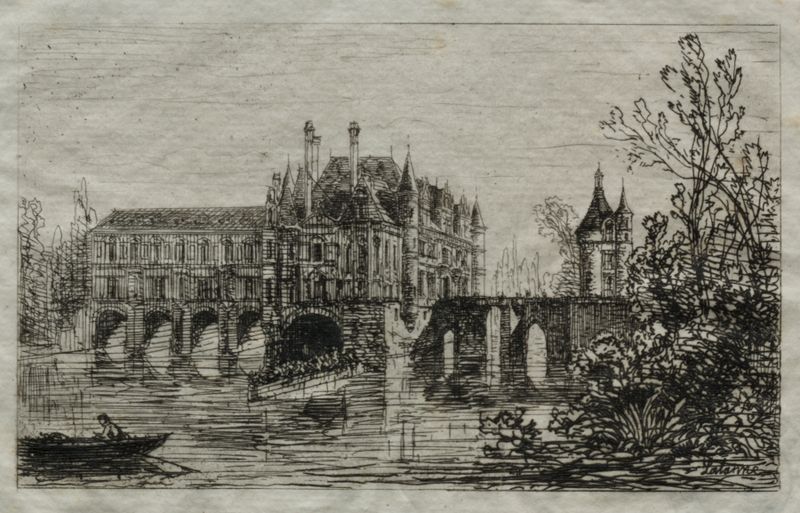
Château de Chenonceau
Maxime Lalanne
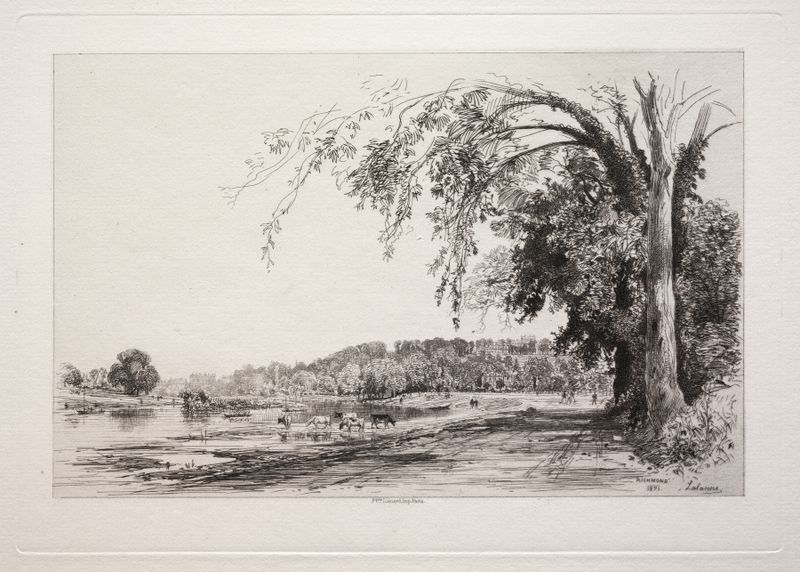
Richmond
Maxime Lalanne
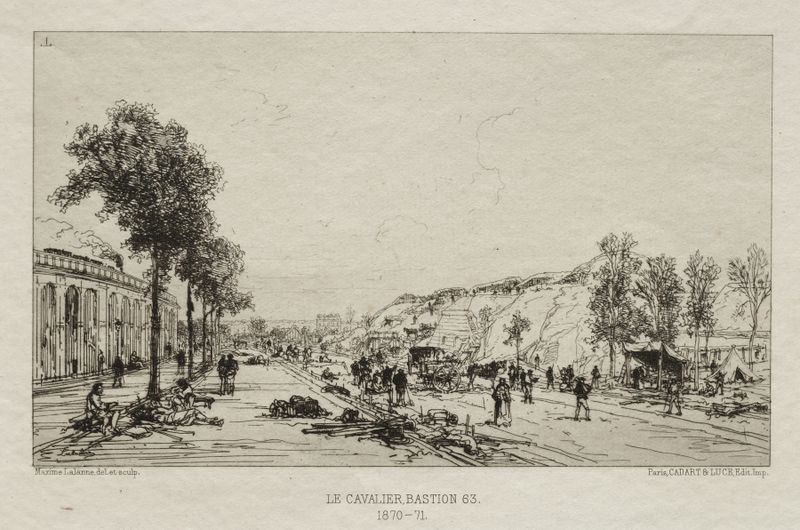
Souvenirs artistiques du Siège de Paris; Le Cavalie (Bastion 63)
Maxime Lalanne
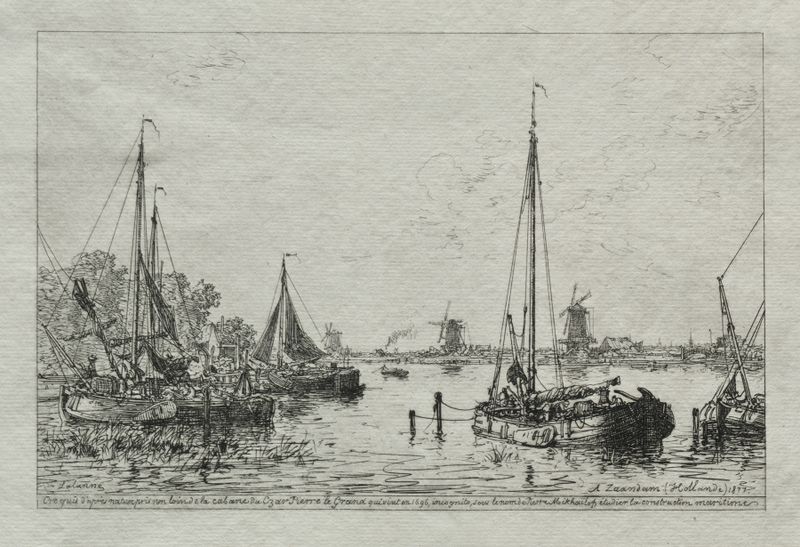
Sketch from Nature
Maxime Lalanne
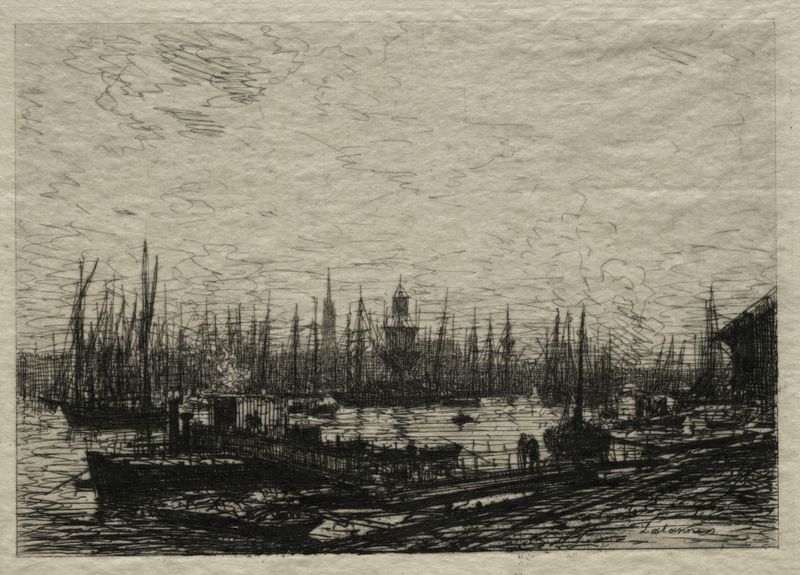
In the Bordeaux Harbor
Maxime Lalanne
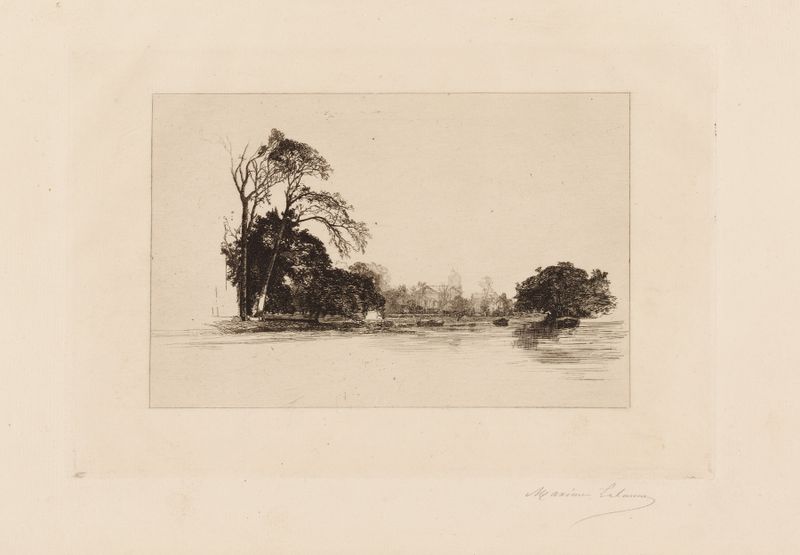
Bank of the Thames
Maxime Lalanne
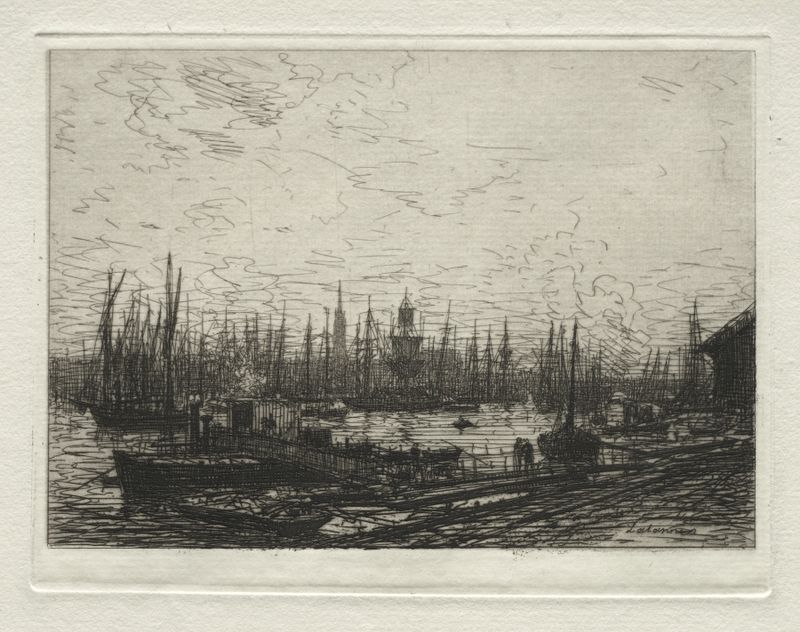
Port of Bordeaux
Maxime Lalanne
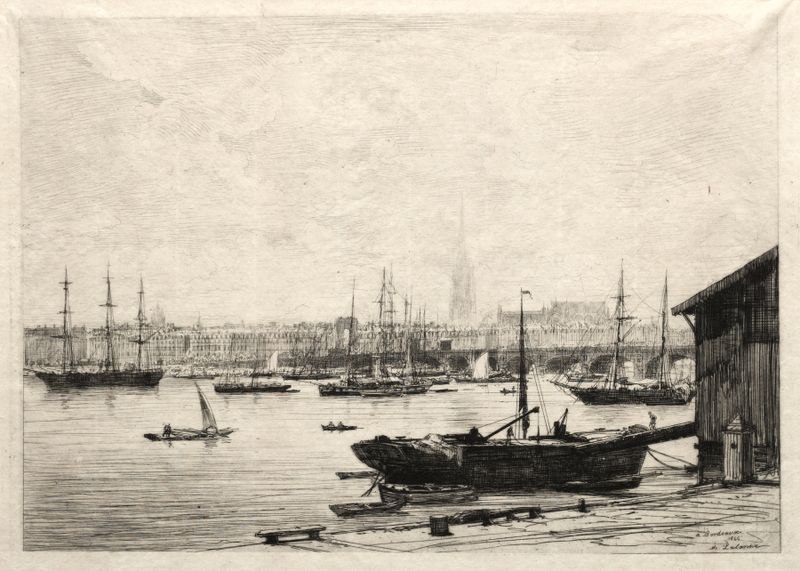
Bordeaux
Maxime Lalanne
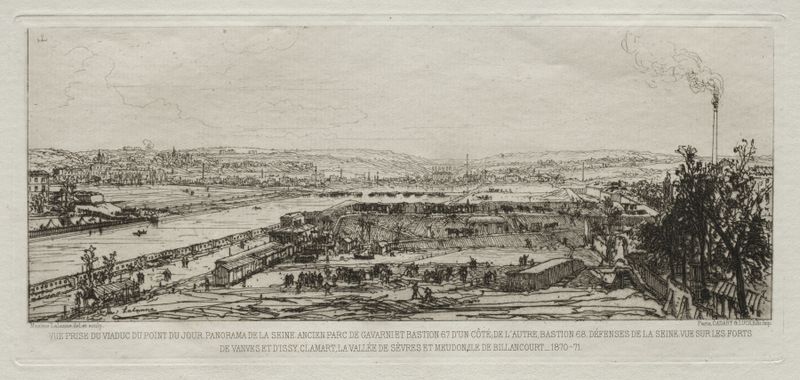
View from the Viaduct at the Pont-du-Jour, Panorama de la Seine
Maxime Lalanne
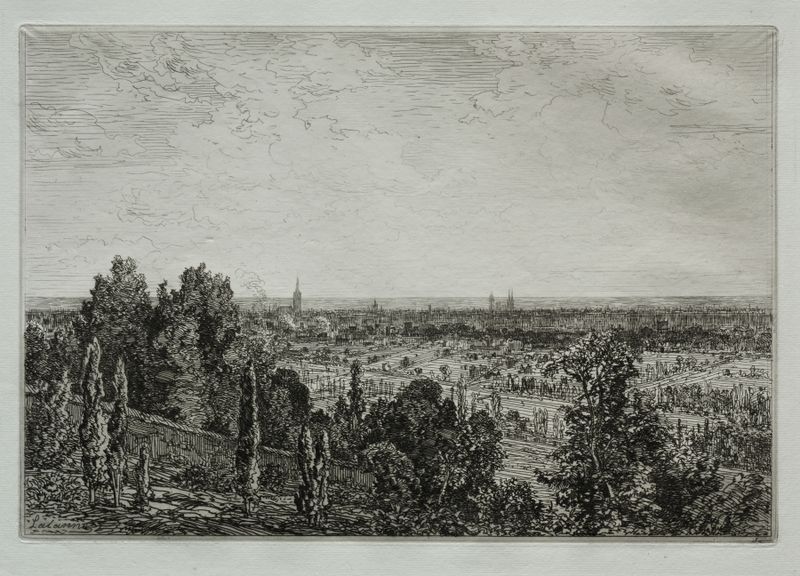
Bordeaux, View from the Coast of Cénon
Maxime Lalanne





