At Djurgården in Stockholm — História e Análise
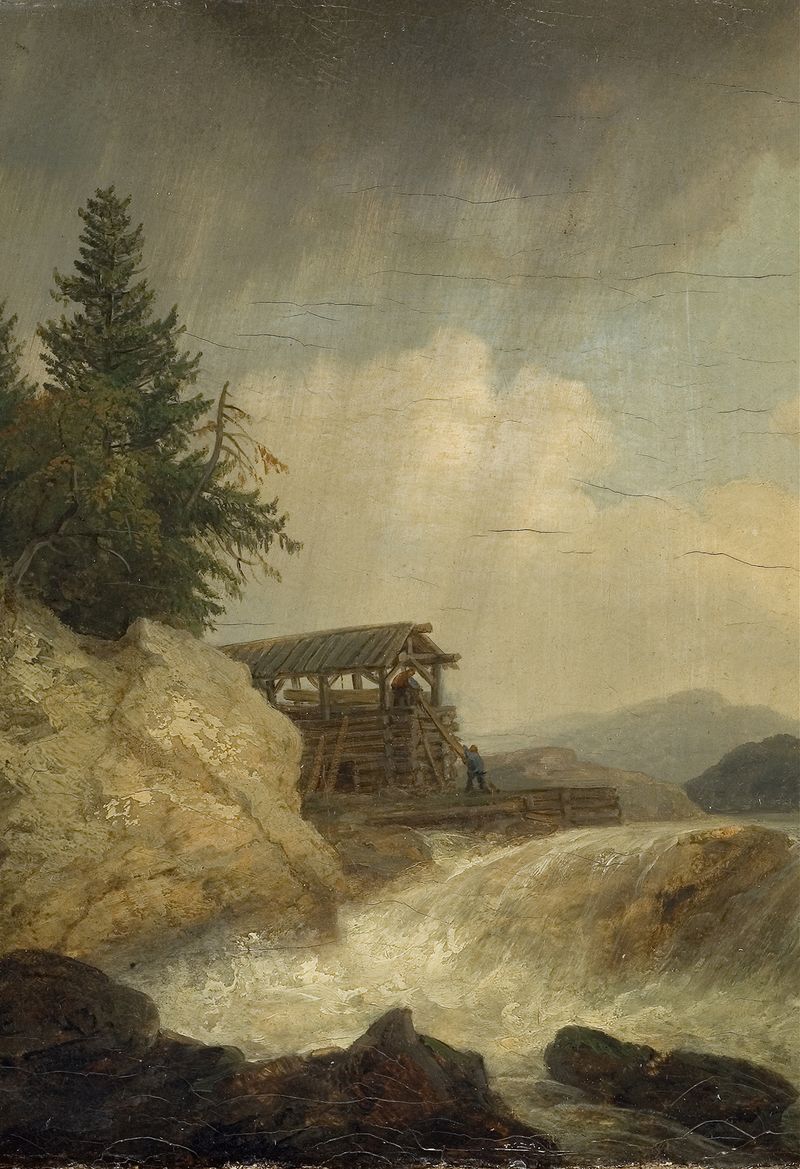
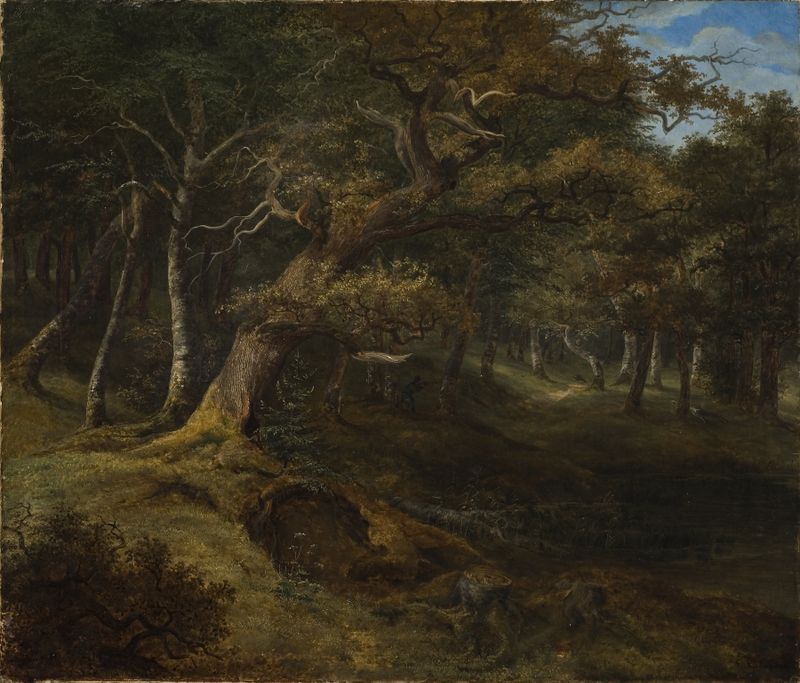
The delicate allure of nature often conceals the chaos that simmers beneath, where serenity and turmoil coexist, forever intertwined. Look closely at the center of the composition, where the turbulent movement of the water contrasts sharply with the solid, stoic trees lining the shore. Notice how the artist employs a vibrant palette, the greens and blues swirling together, mirroring the chaos of the natural world. The sun filters through the foliage, casting flickering shadows that dance across the surface, suggesting both life and disarray. Delving deeper, the interplay of light and dark reflects a nuanced emotional landscape.
The chaotic waves, curling and lashing against the banks, evoke a sense of unrest and uncertainty, while the steadfast trees stand as silent sentinels, a reminder of resilience amidst the storm. This tension evokes a poignant complexity; the beauty of the scene is undercut by the turmoil that lies just beneath the surface. Each brushstroke reveals a dialogue between hope and despair, challenging the viewer to confront the duality of existence. Christian Ezdorf painted this work in a time when the Romantic era was giving way to more modern interpretations of nature.
The exact date of creation remains unknown, but it reflects an artist deeply engaged with the emotional undercurrents of his environment. As he navigated the artistic currents of the 19th century, Ezdorf sought to capture not just the aesthetic beauty of landscapes, but also the chaotic essence of life that dwells within them.