
At Mortlake — História e Análise
Did the painter know this moment would outlive them? In At Mortlake, the fleeting illusion of time captured in delicate strokes whispers secrets of tranquility and permanence. Look to the foreground where soft, flowing lines of lush greenery blend seamlessly into a tranquil river. The gentle ripples reflect the dappled sunlight, guiding your gaze toward the serene figure seated on a bank, contemplating life’s simplicity. The muted earth tones evoke a sense of harmony, while the brushwork creates a tapestry of textures that invites you to linger in this pastoral haven. Within this idyllic setting lies a contrast between stillness and the passage of time.
The solitary figure, embodying introspection, stands in stark juxtaposition to the lively dance of nature surrounding them. This interplay reveals an emotional tension, reflecting humanity's quest for solace amid the eternal rhythm of life. The illusion of tranquility reminds us that moments, while fleeting, may hold lasting significance. In 1773, Samuel Hieronymus Grimm crafted this piece during a period marked by a growing interest in natural landscapes and picturesque scenes.
Living in England and influenced by the Romantic movement, he sought to depict the beauty of everyday life, often drawing from his surroundings in Mortlake. As a landscape artist, he contributed to a broader shift towards valuing the sublime within nature, capturing a quiet revolution in perception, one that resonated deeply in the hearts of his contemporaries.
Mais obras de Samuel Hieronymus Grimm
Ver tudo →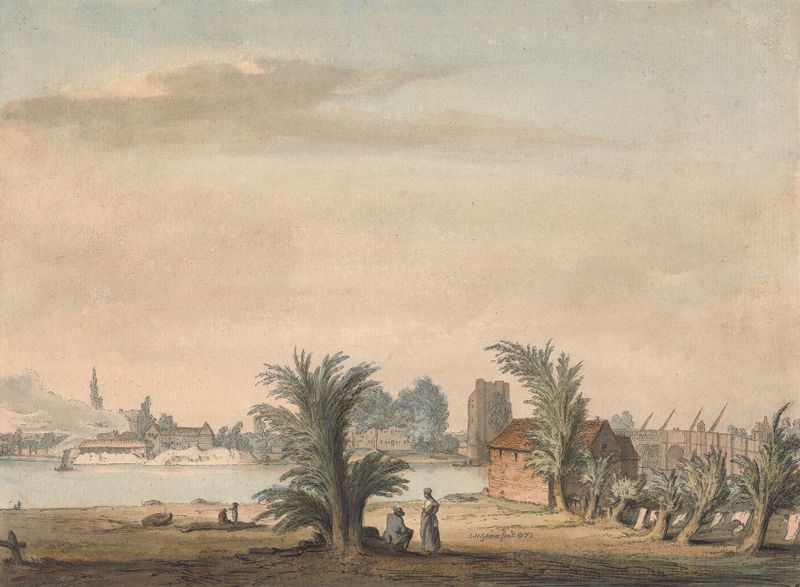
Putney Church and Bridge
Samuel Hieronymus Grimm

Between Chiswick and Brentford
Samuel Hieronymus Grimm
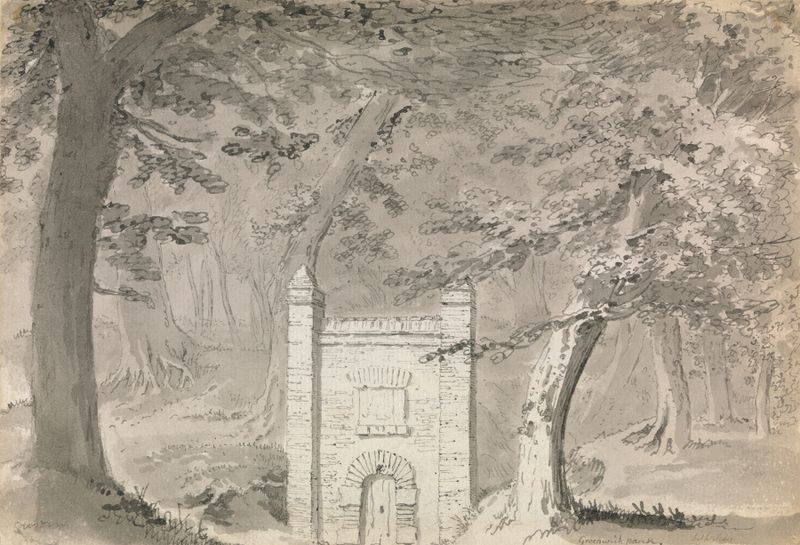
Greenwich Park
Samuel Hieronymus Grimm
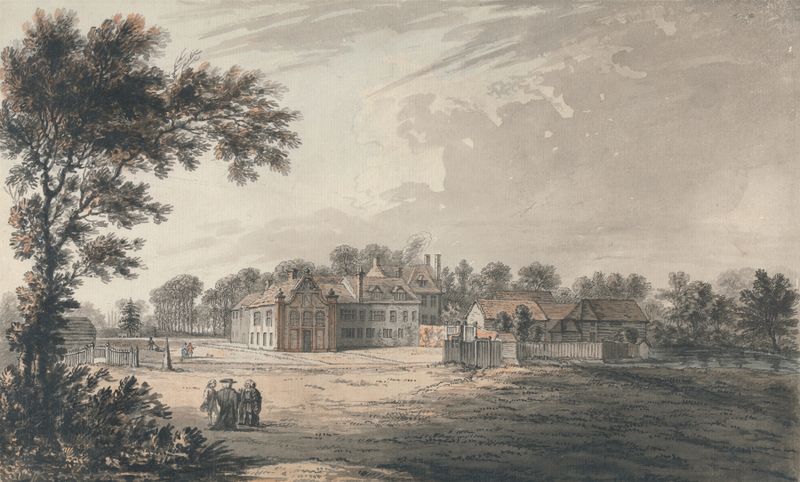
The Bishop’s Palace, Bromley
Samuel Hieronymus Grimm
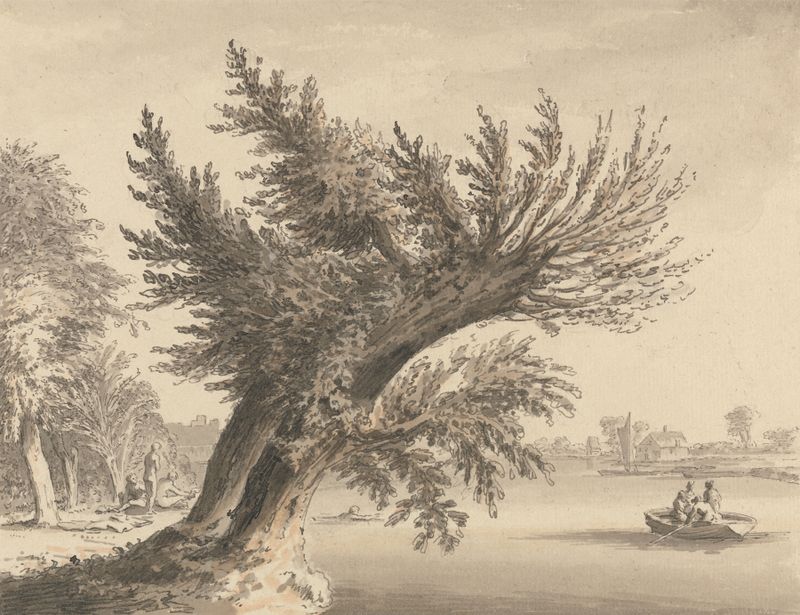
On the Thames at Barnes
Samuel Hieronymus Grimm

View of a Village alongside a River
Samuel Hieronymus Grimm
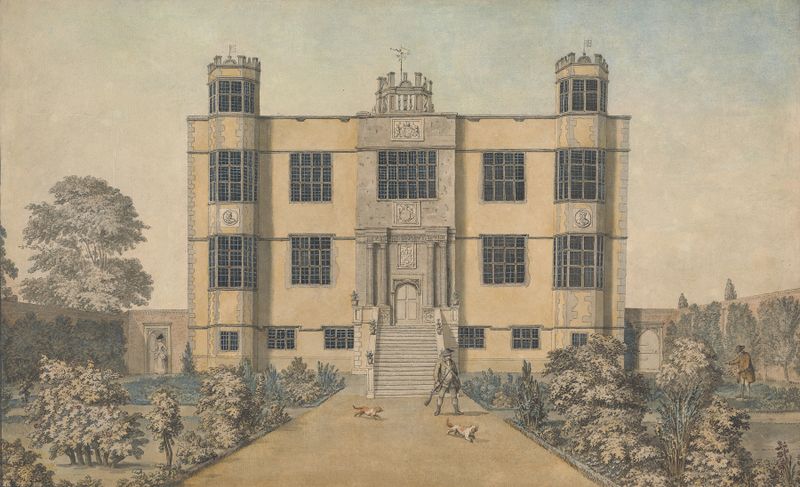
Barlborough Hall, near Chesterfield, Derbyshire; the Main Front of the Hall
Samuel Hieronymus Grimm

Haverfordwest, Pembrokeshire
Samuel Hieronymus Grimm
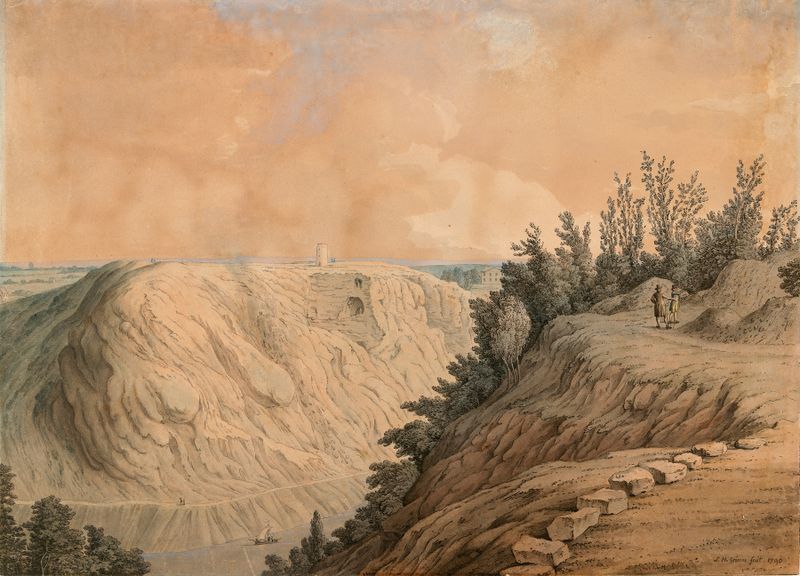
Saint Vincent’s Rock and Cave (The Giant’s Hole) on the River Avon, Somerset
Samuel Hieronymus Grimm

The Gatehouse, Reading Abbey
Samuel Hieronymus Grimm





