
At Rajemahal [Rajmahal] — História e Análise
In the swirling depths of a painter's mind, shadows dance between chaos and calm, revealing hidden truths beneath their dark veils. Look to the left where the interplay of light and shadow captures the viewer's gaze first, defining the intricate architecture of Rajmahal. The soft, muted tones of ochre and sienna blend seamlessly, creating a harmonious backdrop that highlights the intricate details of the palace's ornate carvings. Notice how the dappled sunlight filters through the trees, casting an almost ethereal glow that envelops the scene in a gentle embrace, inviting exploration of its nuances. As you delve deeper into the painting, consider how the warm shadows evoke a sense of mystery and nostalgia.
The juxtaposition of light and dark not only reveals the grandeur of the structure but also hints at the transient nature of beauty and history. The delicate details—perhaps the faint outlines of figures in the distance—speak to life both present and past, suggesting stories untold and memories fading into the background, echoing a timeless dance between presence and absence. Samuel Davis painted this work during a period when he was captivated by the architectural splendor of India, an era marked by an increasing fascination with orientalist themes in Western art. Although the exact date is unclear, his exploration of Rajmahal reflects a moment in his career when he was blending observational precision with a burgeoning romanticism, a contrast that laid the groundwork for his evolving style.
Davis's relationship with light and shadow in this piece underscores not just the physical elements of his subject, but a deeper commentary on the passage of time itself.
Mais obras de Samuel Davis
Ver tudo →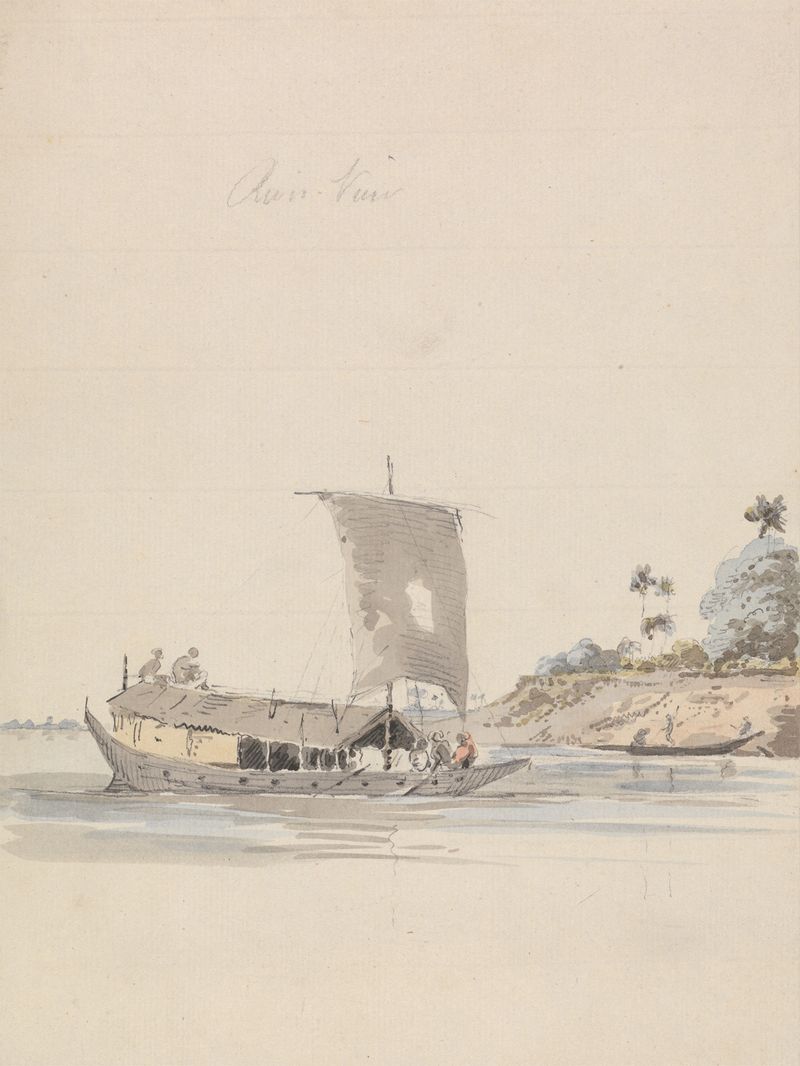
River View with a Junk (near Rajmahal)
Samuel Davis
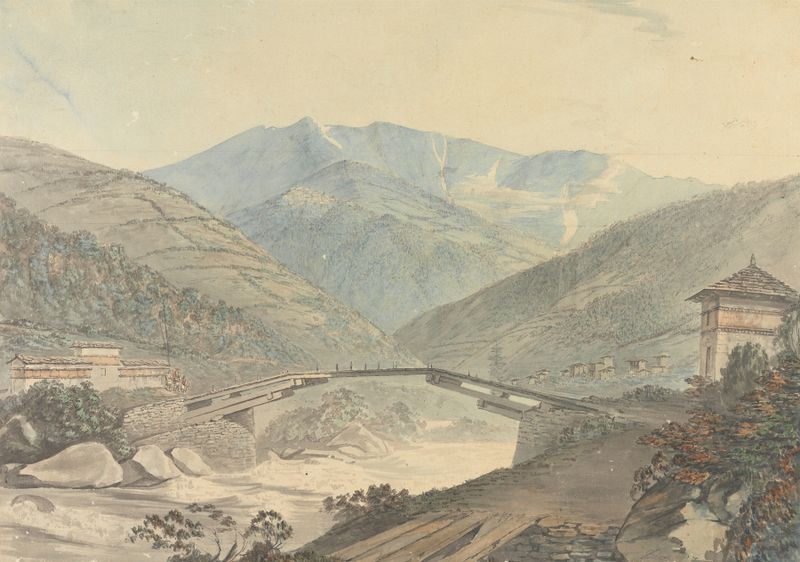
View near Tassisudon [Tashicho Dzong] in Bhutan
Samuel Davis
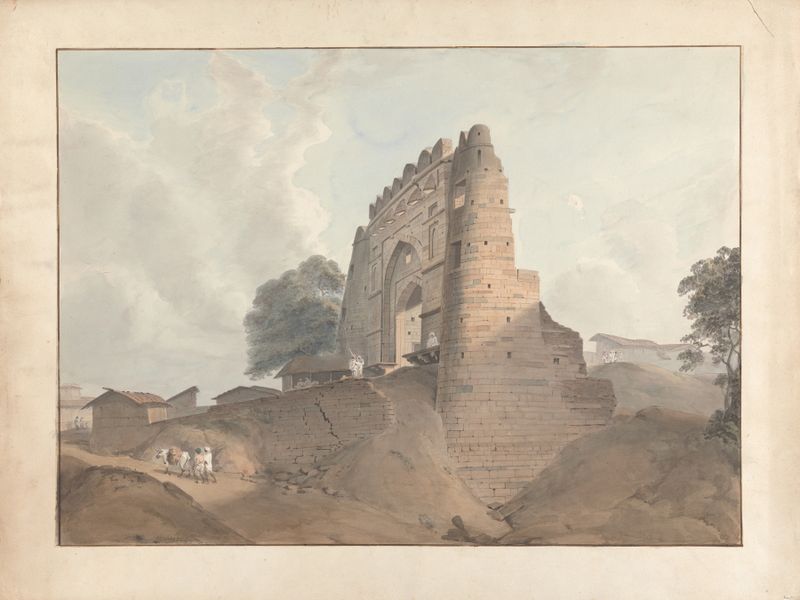
Gate of the Old Fort at Old Benares
Samuel Davis
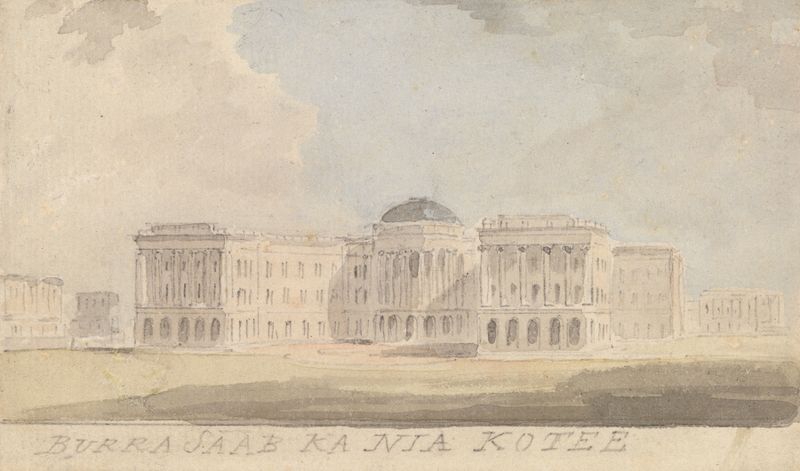
New Government House at Calcutta
Samuel Davis
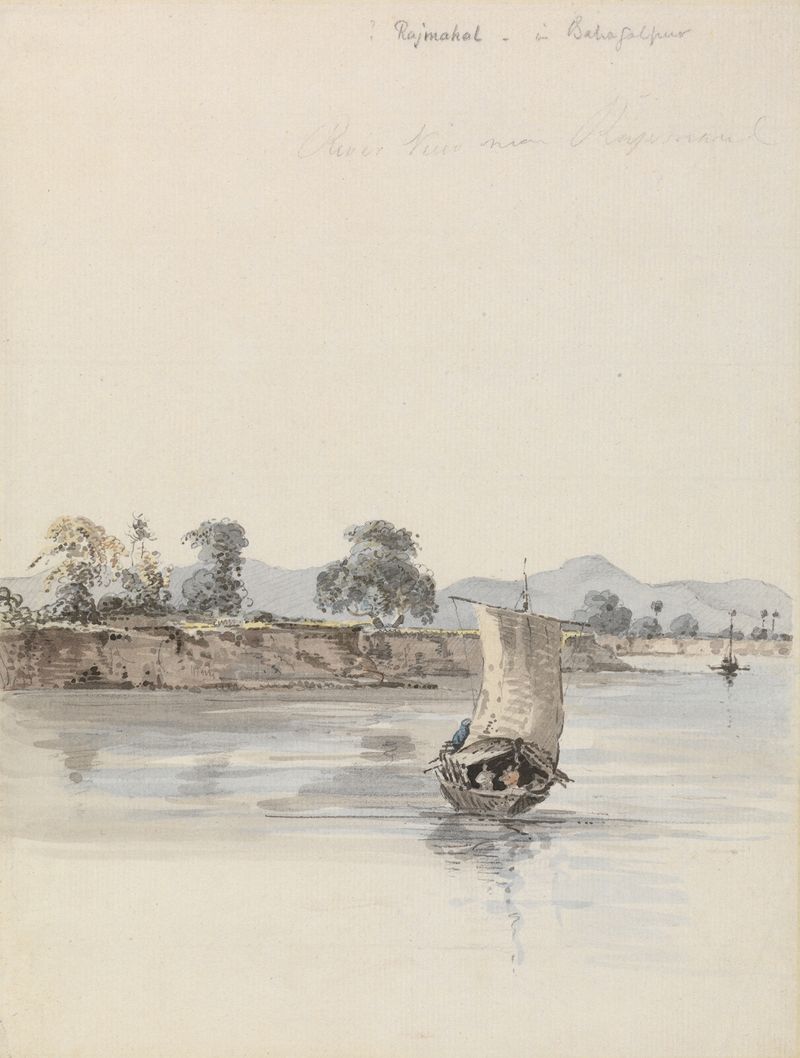
River View near Rajmahal
Samuel Davis
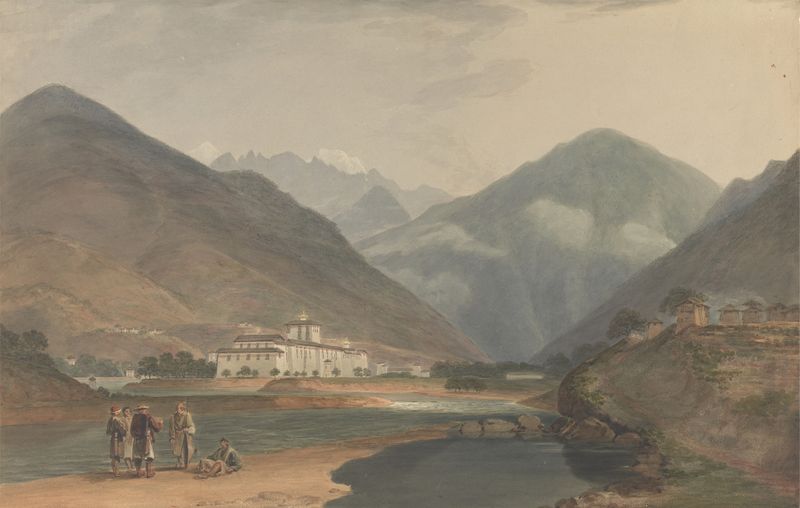
The Former Winter Capital of Bhutan at Punakha Dzong
Samuel Davis
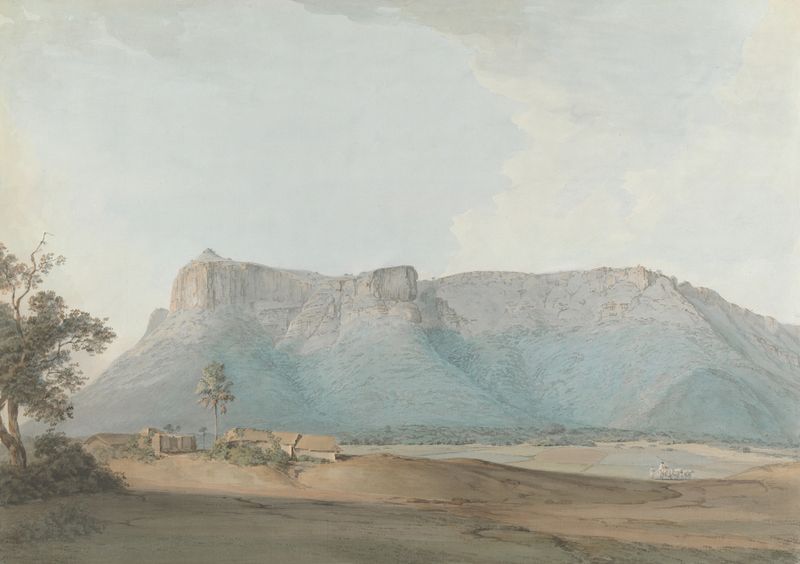
Rhotas from Akberpore
Samuel Davis
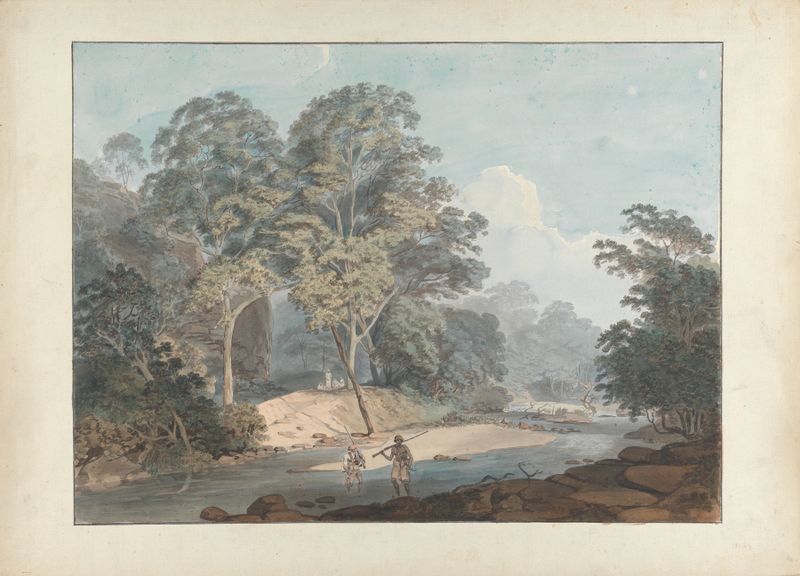
Rocky River Scene with Sepoys
Samuel Davis
West Country Town by a River
Samuel Davis
The Annual Resort of Hindoos to Mundar Hill near Bhagulpore [Bhagalpur]
Samuel Davis





