
Athen nach Sonnenaufgang — História e Análise
Could beauty survive in a century of chaos? As dawn breaks, the shimmering reflections in the tranquil waters invite contemplation, revealing nature’s resilience amidst tumult. Look to the left at the delicate hues of the sky, where soft pastels intertwine with the awakening light. The sun, peeking over the horizon, casts a gentle glow that dances upon the surface of the water, creating a mesmerizing interplay of color. Notice how the artist employs a soft palette of blues and pinks that evoke a sense of calm, enveloping the viewer in a serene embrace.
The meticulous brushwork draws the eye toward the shimmering reflections, allowing the viewer to navigate the harmonious balance between elements of sky, water, and land. Delve deeper into the scene, and you'll uncover layers of emotional tension beneath the surface beauty. The juxtaposition of the peaceful dawn against the hints of uncertainty in the surrounding landscape suggests a world on the brink of change. The reflections, brilliantly capturing the ephemeral moment of daybreak, symbolize both the hope of renewal and the inevitability of transition, inviting viewers to ponder the fragility of beauty itself. Karl Joseph Aloys Agricola painted this work in 1829 during a period of artistic transition in Europe, marked by the aftermath of the Napoleonic Wars.
Living in Germany, Agricola was influenced by Romanticism, which emphasized emotion and nature as responses to the tumultuous political climate. His mastery of light and reflection in Athen nach Sonnenaufgang speaks to a desire to find solace and meaning against the backdrop of a rapidly evolving world.
Mais obras de Karl Joseph Aloys Agricola
Ver tudo →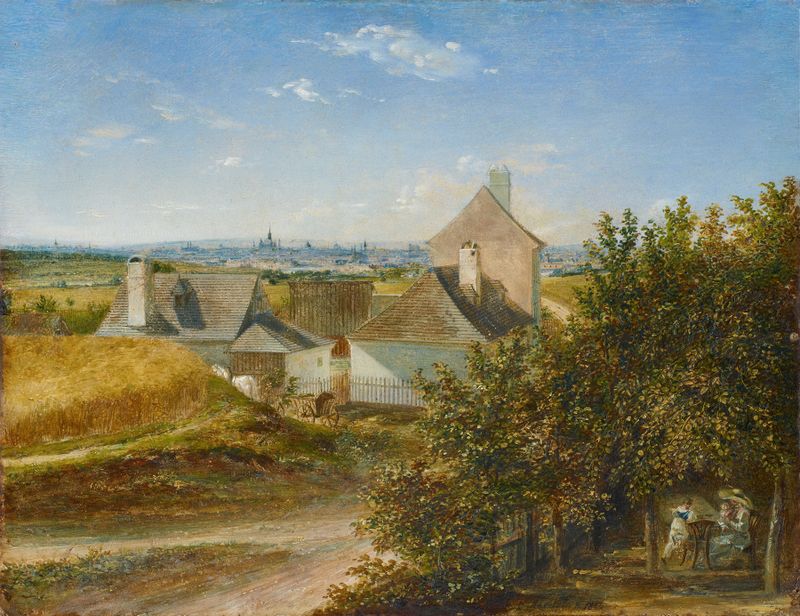
Blick auf Wien von Grinzing
Karl Joseph Aloys Agricola

Die Donau mit der alten Reichsbrücke
Karl Joseph Aloys Agricola
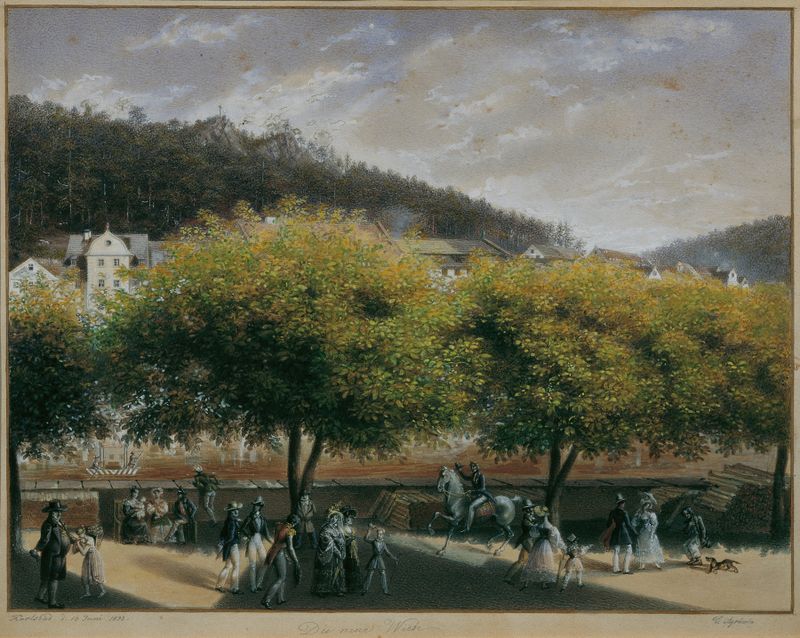
Die neue Wiese in Karlsbad
Karl Joseph Aloys Agricola
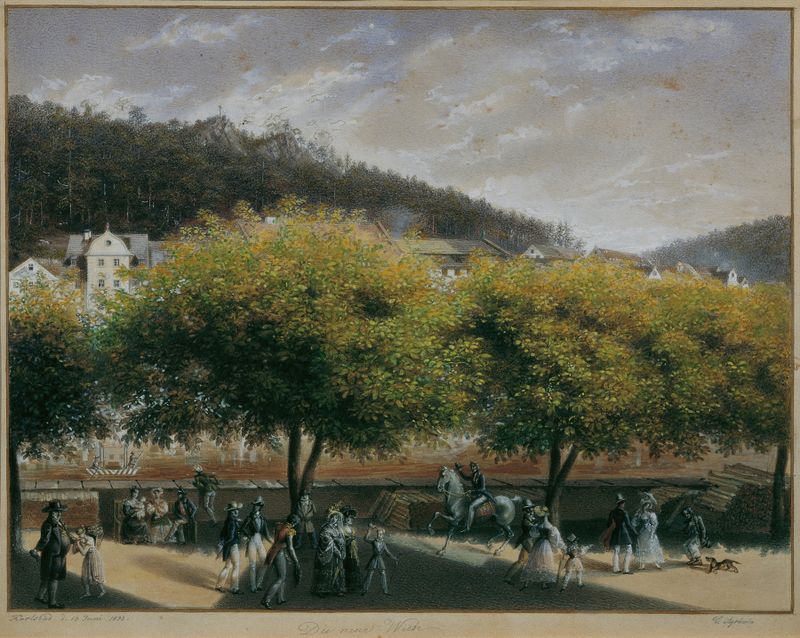
Die neue Wiese in Karlsbad
Karl Joseph Aloys Agricola

Baumlandschaft mit Familie und Kindern
Karl Joseph Aloys Agricola
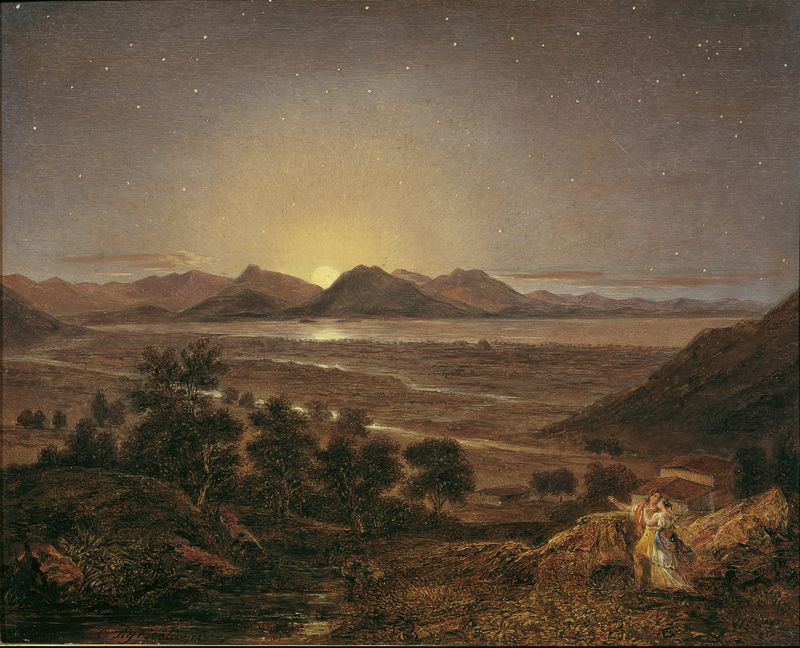
Marathon bei Mondbeleuchtung
Karl Joseph Aloys Agricola





