
Au temps que Nanette était perdue pl. 3 — História e Análise
What if silence could speak through light? In Au temps que Nanette était perdue pl. 3, a haunting dreamscape unfurls, where the weight of unspoken emotions lingers in the air like the aftertaste of a forgotten memory. Look to the center of the canvas, where soft, muted hues merge into a tranquil blue, encapsulating a solitary figure. The light gently caresses the contours, revealing a delicate play of shadow that evokes an ethereal quality.
The vanishing horizon invites the viewer’s gaze to travel further into the scene, suggesting both depth and isolation. The fluid brushwork creates a subtle sense of movement, as if the figure teeters on the edge of reality and reverie. As you explore, the tension between presence and absence becomes palpable. The figure, obscured by darkness, appears both lost and contemplative, embodying a sense of yearning for clarity in confusion.
Surrounding elements—shapes and forms that are indistinct—echo the fragility of dreams, questioning the nature of existence and the ephemeral nature of memory. Each layer of color amplifies these themes, inviting viewers to probe their own feelings of solitude and longing. In 1931, as Spilliaert painted this work in Belgium, he grappled with the complexities of modernity and its impact on the human psyche. His exploration of light, shadow, and emotion captured the zeitgeist of an era marked by dislocation and introspection.
This piece reflects not only his personal experiences but also a broader artistic movement, where silence and contemplation were becoming pivotal in the dialogue of contemporary art.
Mais obras de Léon Spilliaert
Ver tudo →
Beachview at night
Léon Spilliaert

Strand met maan
Léon Spilliaert

De zeedijk te Oostende van op het staketsel gezien
Léon Spilliaert
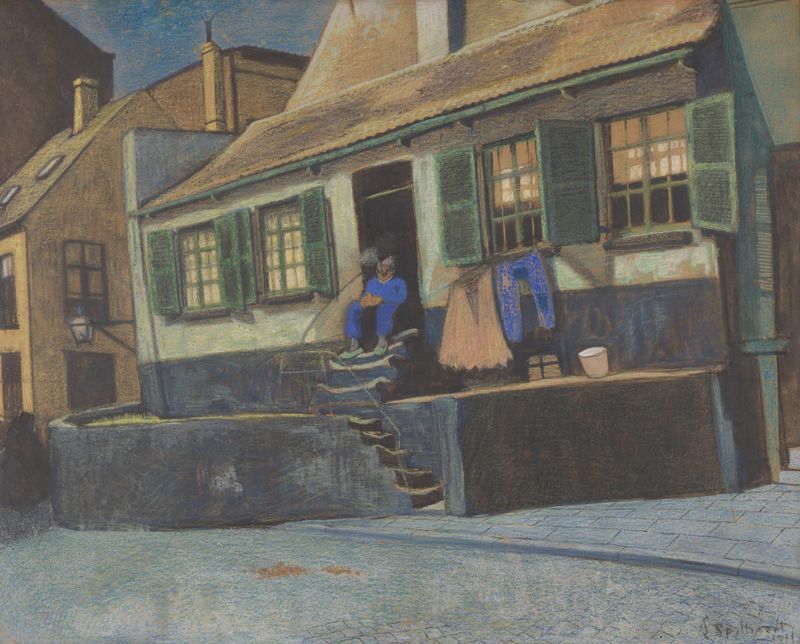
Het huis genaamd ‘De Preekstoel’ te Oostende
Léon Spilliaert

Vijgenboom in de winter, Grasse
Léon Spilliaert
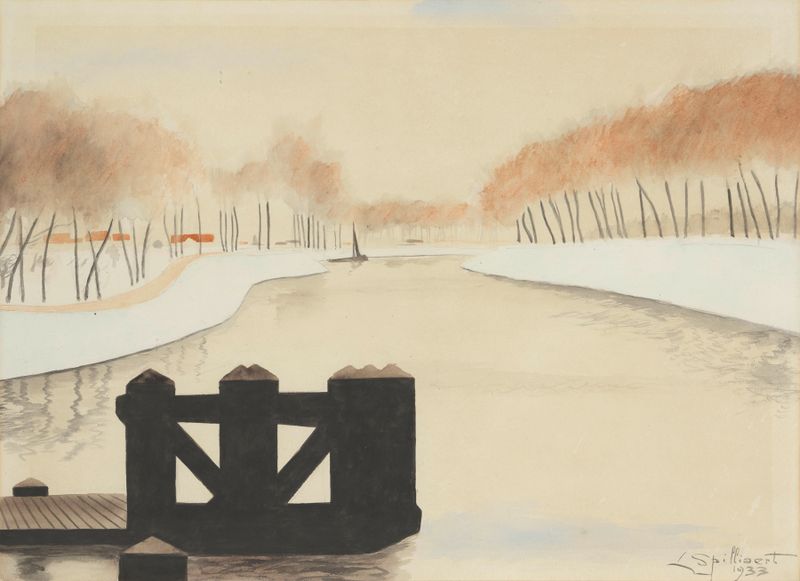
De Keignaertkreek in Zandvoorde
Léon Spilliaert
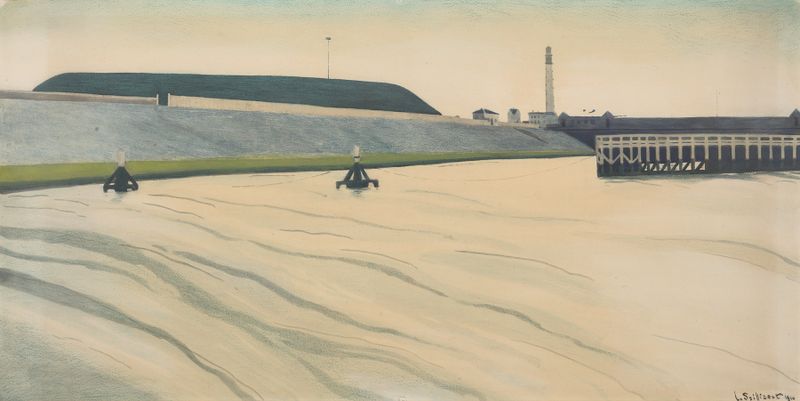
Haven te Oostende
Léon Spilliaert
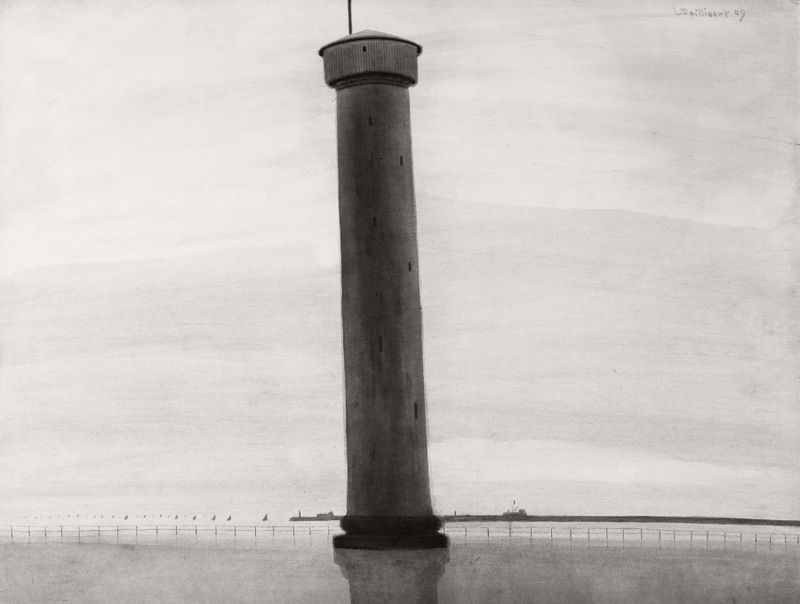
Le Phare aux signaux [De vuurtoren]
Léon Spilliaert
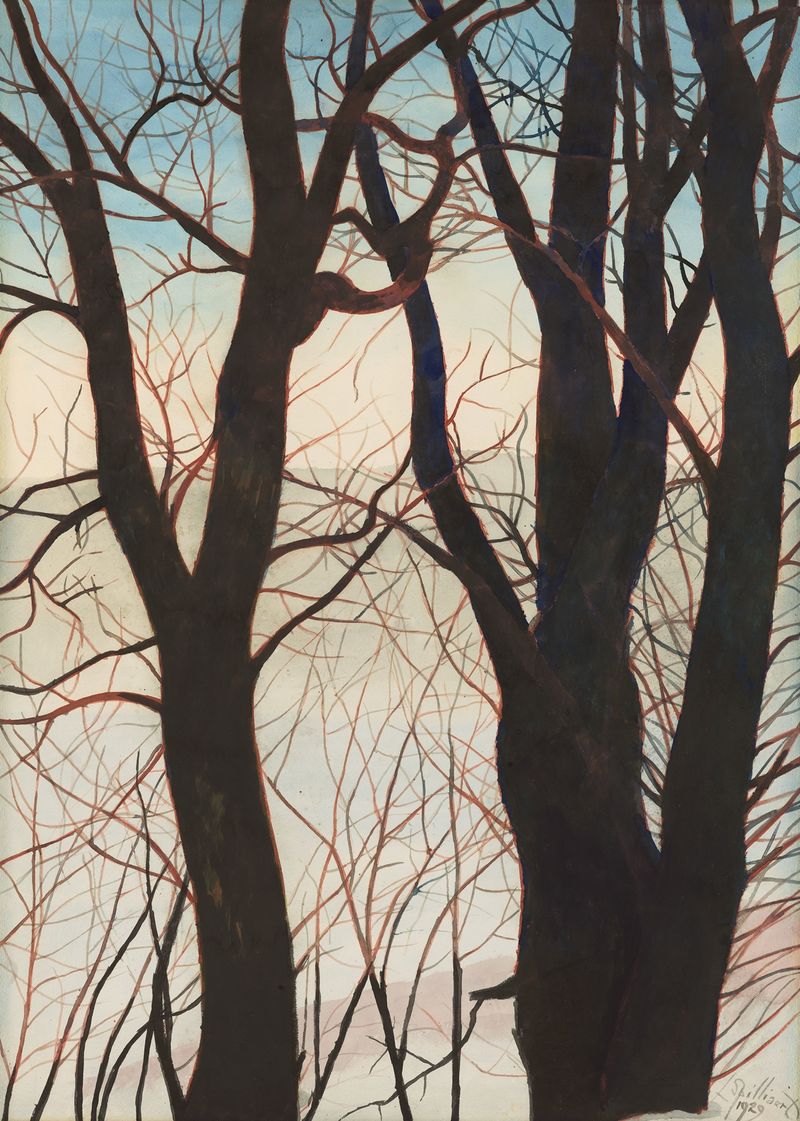
Bomen in de sneeuw
Léon Spilliaert
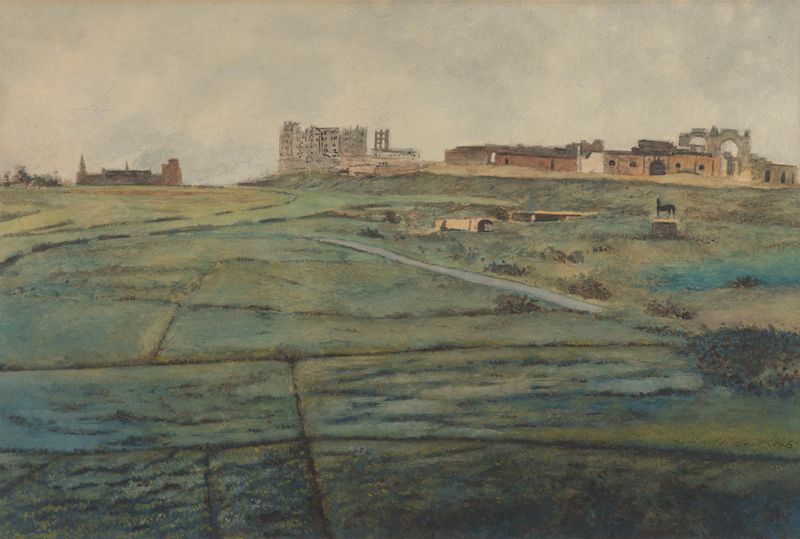
De Wellingtonrenbaan en het Royal Palace Hotel te Oostende kort na de Tweede Wereldoorlog
Léon Spilliaert





