
Autumn Meadows — História e Análise
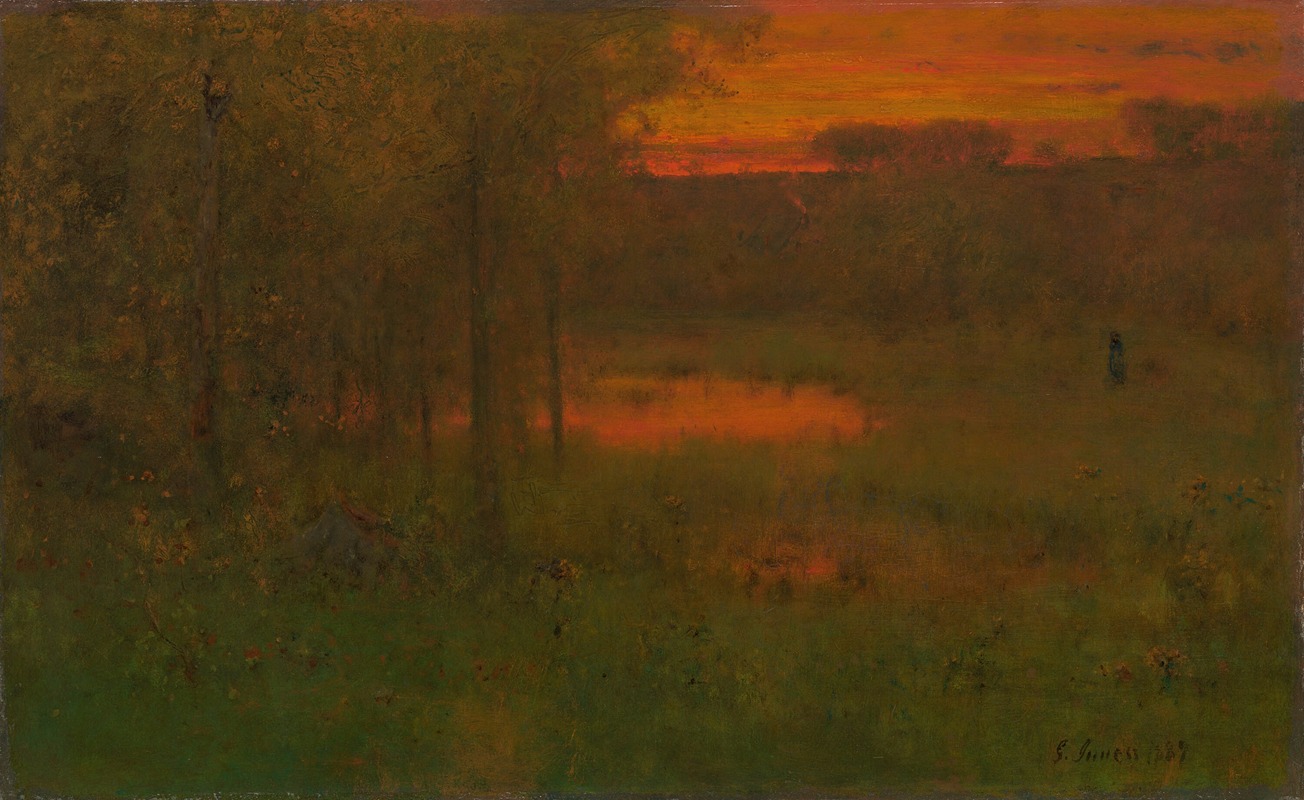
In Autumn Meadows, this sentiment echoes through the vast expanse of nature, where vibrant hues of gold and rust paint a melancholic landscape, whispering stories of loss and longing amid the splendor. Look to the horizon where the sun dips low, casting a warm, golden light that melds seamlessly with the ochre and crimson leaves. Notice how the brushwork, soft yet deliberate, creates a gentle interplay between the trees and the sky, evoking a transient beauty that feels almost tangible. The composition draws the eye inward, inviting contemplation of the quiet stillness—a moment frozen in time, yet overflowing with unspoken emotions. Yet, amid the serene beauty lies a subtle tension.
The empty spaces within the meadows invoke a sense of solitude, suggesting a deeper narrative of absence. The vibrant colors may hint at the richness of life, but they are balanced by the wistfulness of the fading light, echoing the inevitability of change. Each blade of grass seems to sway in a silent dance, revealing the fragility and ephemerality of existence, as if nature itself mourns what was once vibrant. In 1869, George Inness created Autumn Meadows during a transformative period in his life, having recently embraced a more spiritual approach to landscape painting.
Working primarily in New Jersey, he sought to capture nature's essence rather than merely its likeness. This period marked a shift in the art world towards a focus on emotional depth and the sublime, positioning Inness as a pivotal figure in American landscape painting.
Mais obras de George Inness
Ver tudo →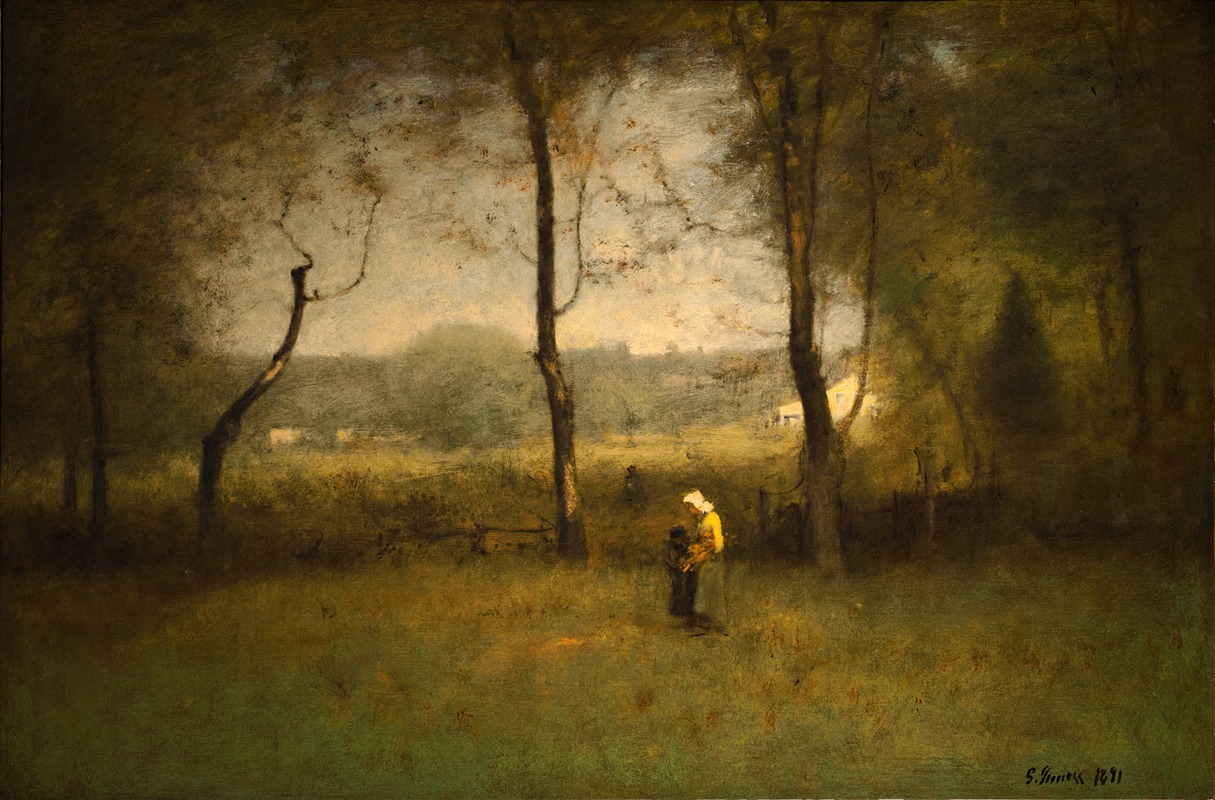
Autumn Woods
George Inness
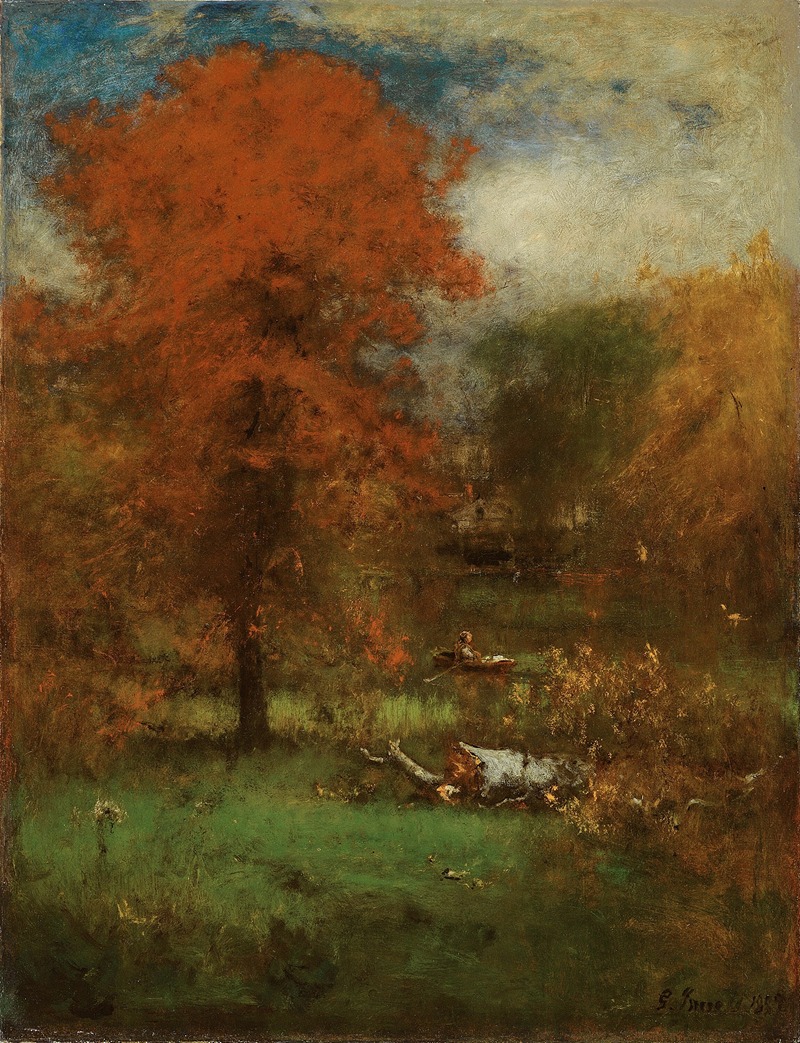
The Mill Pond
George Inness
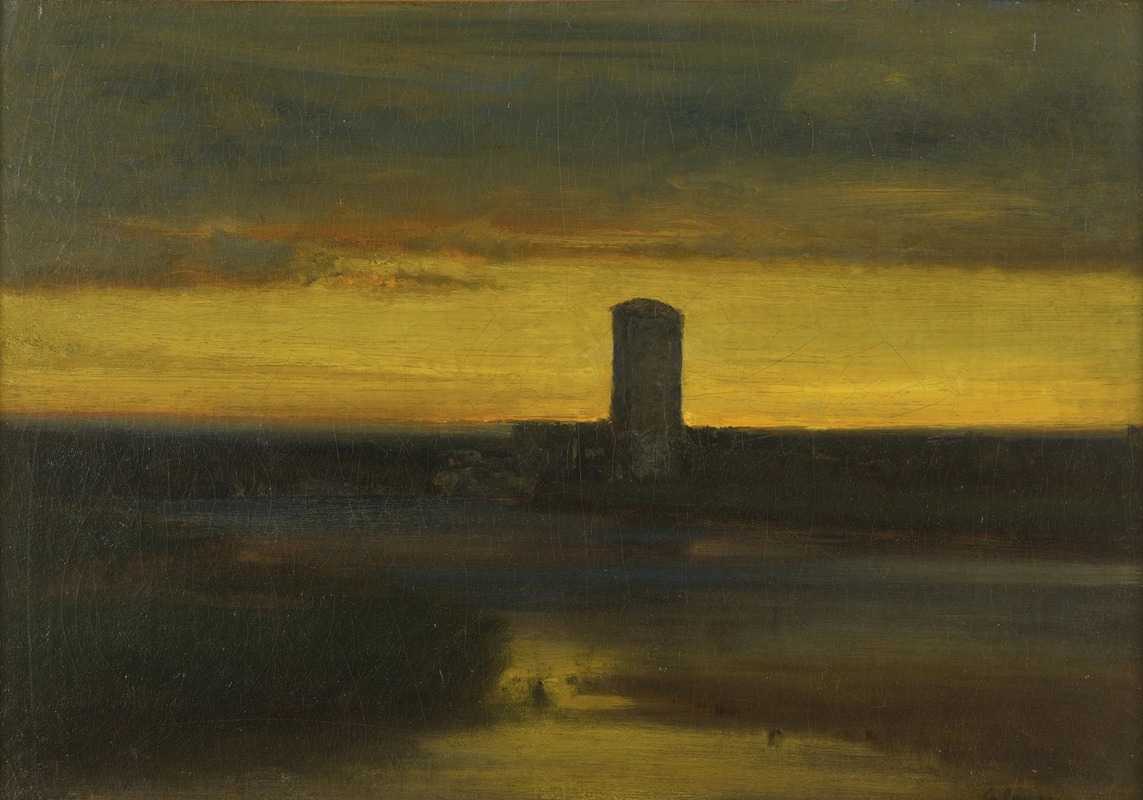
Afterglow
George Inness
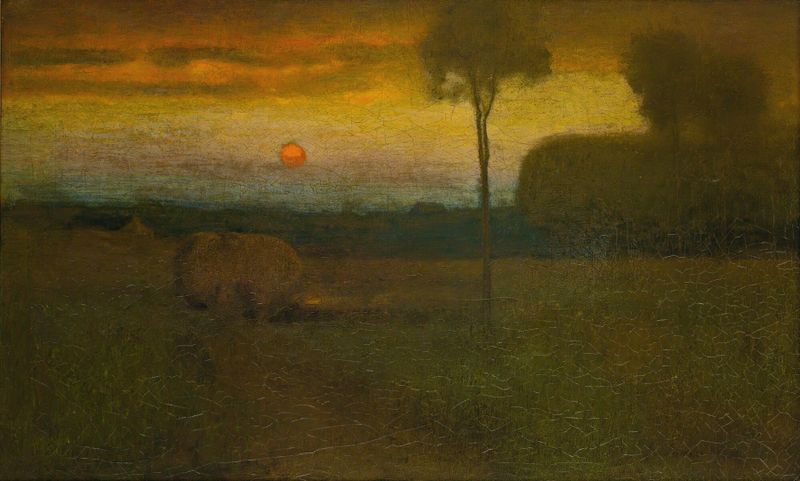
Landscape (Evening Landscape)
George Inness

Montclair
George Inness

View in Berkshire County, Massachusetts, Clearing Off after a September Storm
George Inness

October
George Inness
Landscape, Sunset
George Inness
Afterglow
George Inness
Catskill Mountains
George Inness





