
Avenue of Poplars — História e Análise
In the delicate interplay of hues, one can sense a haunting undercurrent of fear, lurking just beneath the beauty of nature. Look to the left at the slender trunks of the poplars, their muted greens and browns weaving a tapestry of tranquility. The gentle curvature of the pathway draws the eye forward into the landscape, inviting exploration, yet there’s a subtle unease in the air. Notice how the dappled light filters through the leaves, casting fragmented shadows that dance along the ground, blurring the lines between safety and the unknown. What lies beneath the serene surface? The juxtaposition of light and shadow evokes a sense of duality, where beauty can mask vulnerability.
The towering trees appear both protective and isolating, suggesting a transient moment that could shift from solace to dread in an instant. Each brushstroke carries the weight of the silence that surrounds these poplars, hinting at untold stories hidden within the foliage. Created during a time when Wisinger-Florian was establishing her name in the Viennese Art Nouveau movement, Avenue of Poplars reflects a moment where nature was revered, yet it also speaks to her personal struggles. Living in an era marked by rapid change and social upheaval, the artist infused her landscapes with a poignant tension—one that mirrors her own journey in a world that often felt both beautiful and ominous.
Mais obras de Olga Wisinger-Florian
Ver tudo →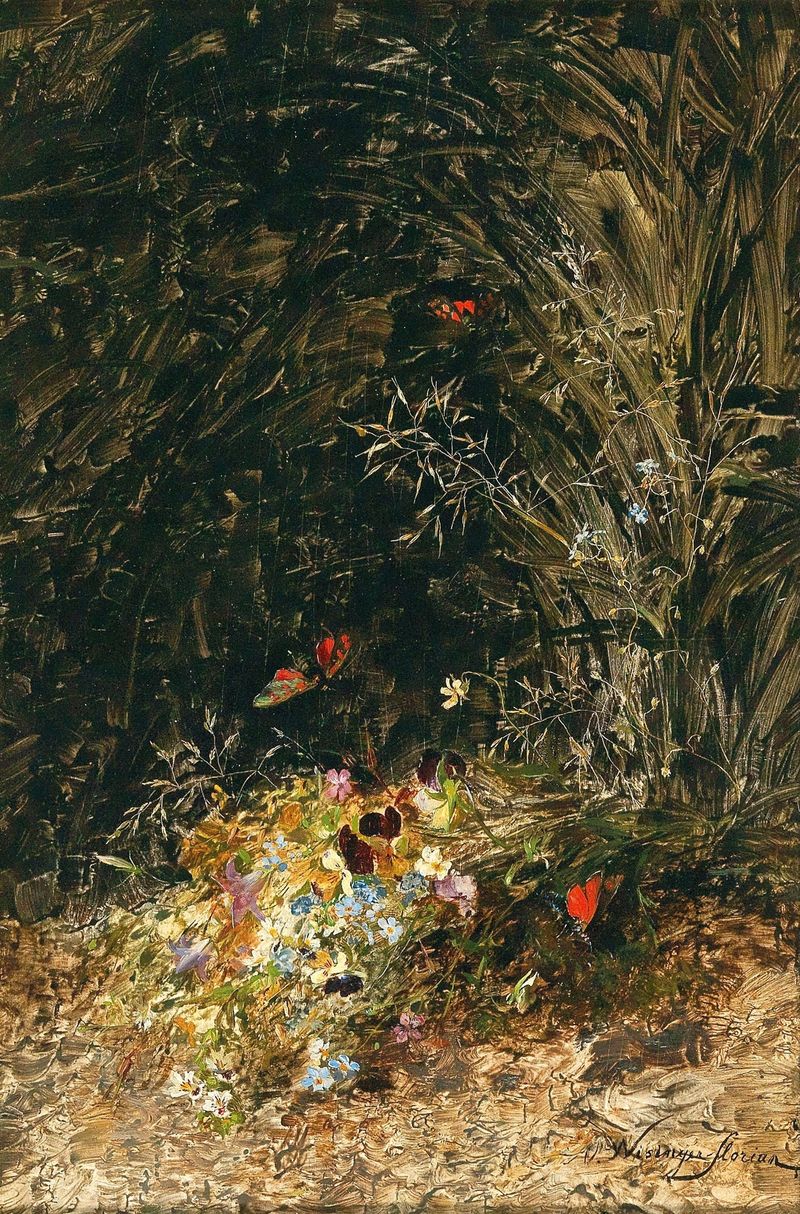
A bouquet of wildflowers
Olga Wisinger-Florian

Aulandschaft
Olga Wisinger-Florian

On the North Sea
Olga Wisinger-Florian
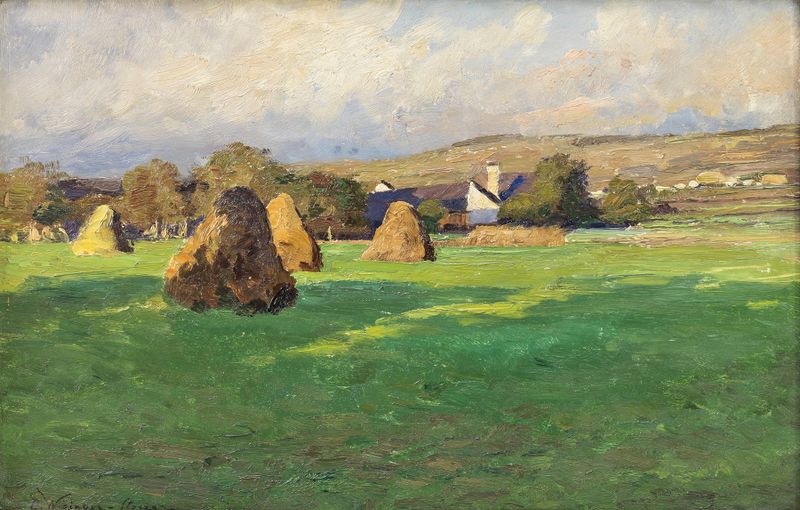
Abendliche Sommerlandschaft mit Strohmandeln
Olga Wisinger-Florian
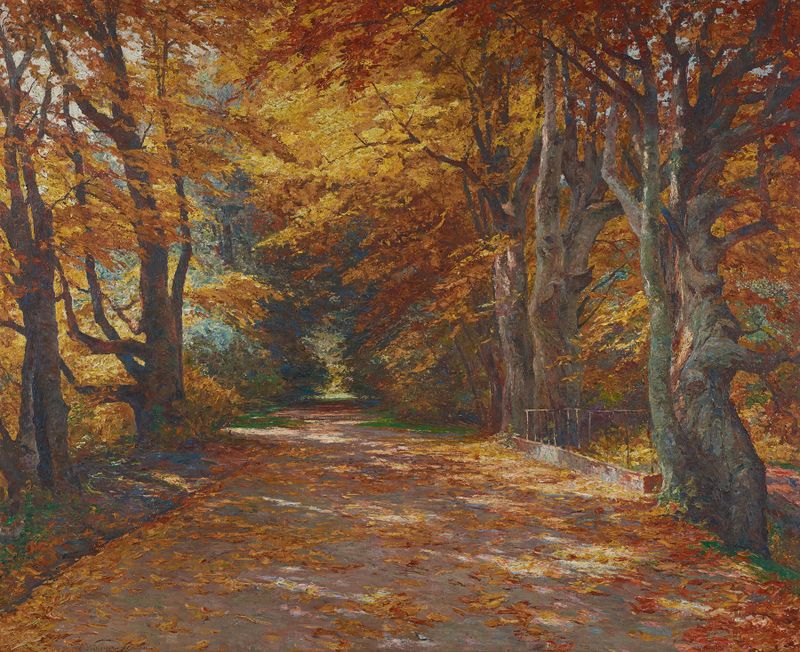
Praterallee im Herbst Herbstliche Allee
Olga Wisinger-Florian
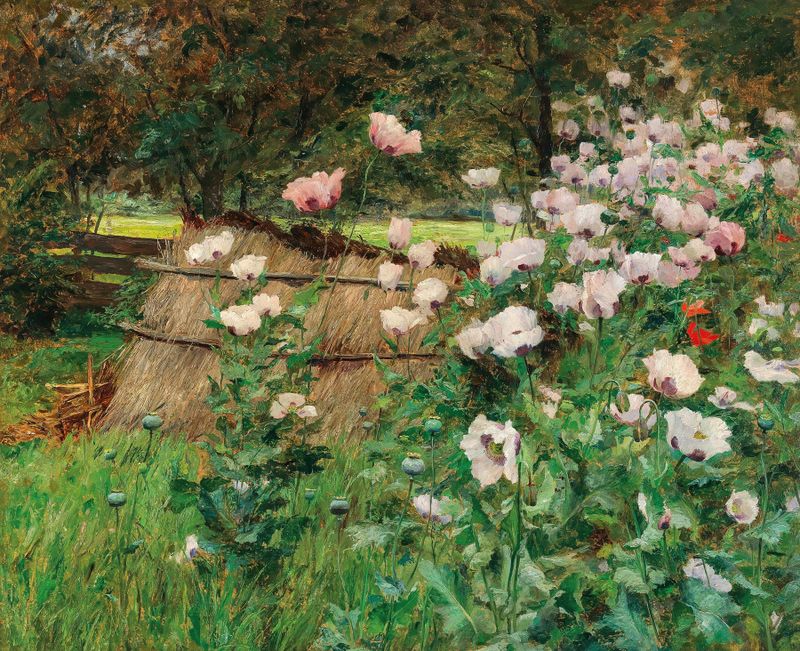
Im Bauerngarten
Olga Wisinger-Florian

Parklandschaft
Olga Wisinger-Florian
Path in the Park
Olga Wisinger-Florian

Abend
Olga Wisinger-Florian
Meadow
Olga Wisinger-Florian





