
Babia Góra — História e Análise
In Babia Góra, the vibrant palette pulsates with emotion, inviting viewers to explore the landscapes of memory and place in a profoundly visual symphony. Look to the center of the composition, where a fiery sunset ignites the sky, blending oranges and pinks with deep indigos. The mountains, draped in a rich tapestry of greens and browns, rise majestically, their contours softened by the glow of twilight. Notice how the light dances across the textured surface, revealing layers of paint that echo the undulating forms of the terrain.
Szczygliński's mastery of color creates a sense of movement, as if each hue is a whisper of the wind that sweeps through the valleys. Beneath the serene surface, a subtle tension arises between the tranquility of nature and the imminent twilight. The juxtaposition of warm and cool tones evokes a sense of fleeting beauty, hinting at the transient nature of time itself. Small details, like the soft shadows cast by the clouds, suggest an intimate dialogue between the heavens and the earth, while the vibrant underbrush speaks of life thriving in the quiet corners of the wilderness. Henryk Szczygliński painted Babia Góra between 1902 and 1903, during a period of artistic growth in Poland.
Living in a time of burgeoning national identity and a revival of interest in folk themes, he sought to capture the essence of his homeland's landscapes. This work reflects not only his technical prowess but also a deep-seated connection to the natural world, a sentiment shared by many artists of his era.
Mais obras de Henryk Szczygliński
Ver tudo →
The joint-stock brewery in Tenczynek
Henryk Szczygliński

House in the Sun
Henryk Szczygliński
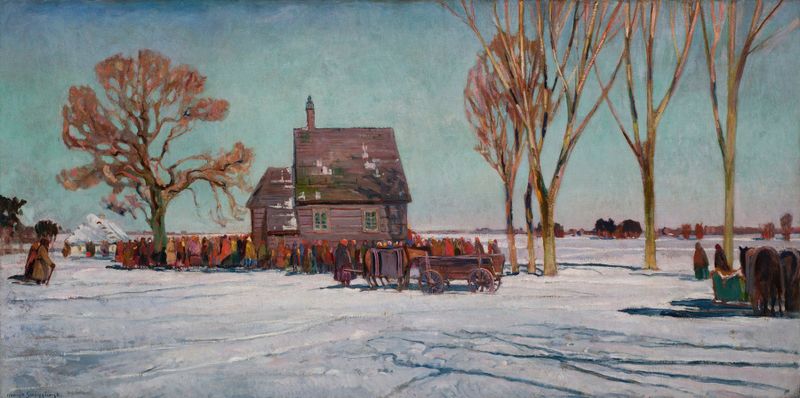
Winter Landscape
Henryk Szczygliński

Landscape near Vilnius
Henryk Szczygliński
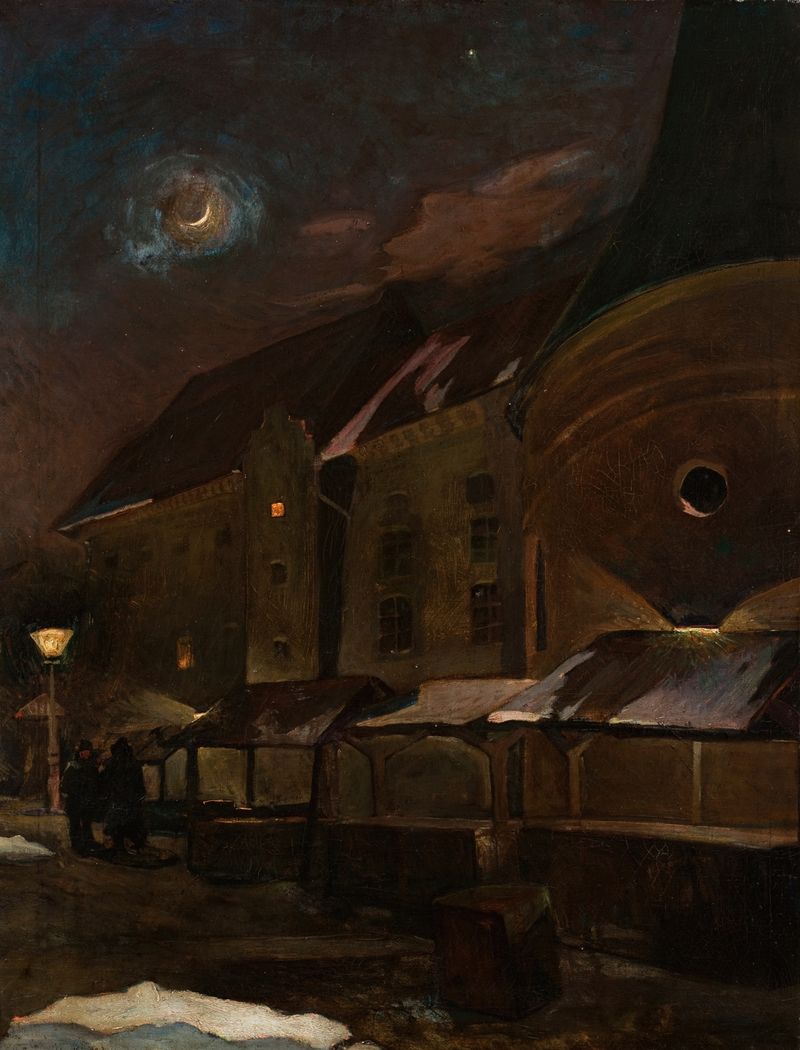
Small Market Square in Krakow at Night
Henryk Szczygliński

Dominican Shambles (Slaughterhouses) in Krakow
Henryk Szczygliński

Winter landscape at night with a halberdier
Henryk Szczygliński
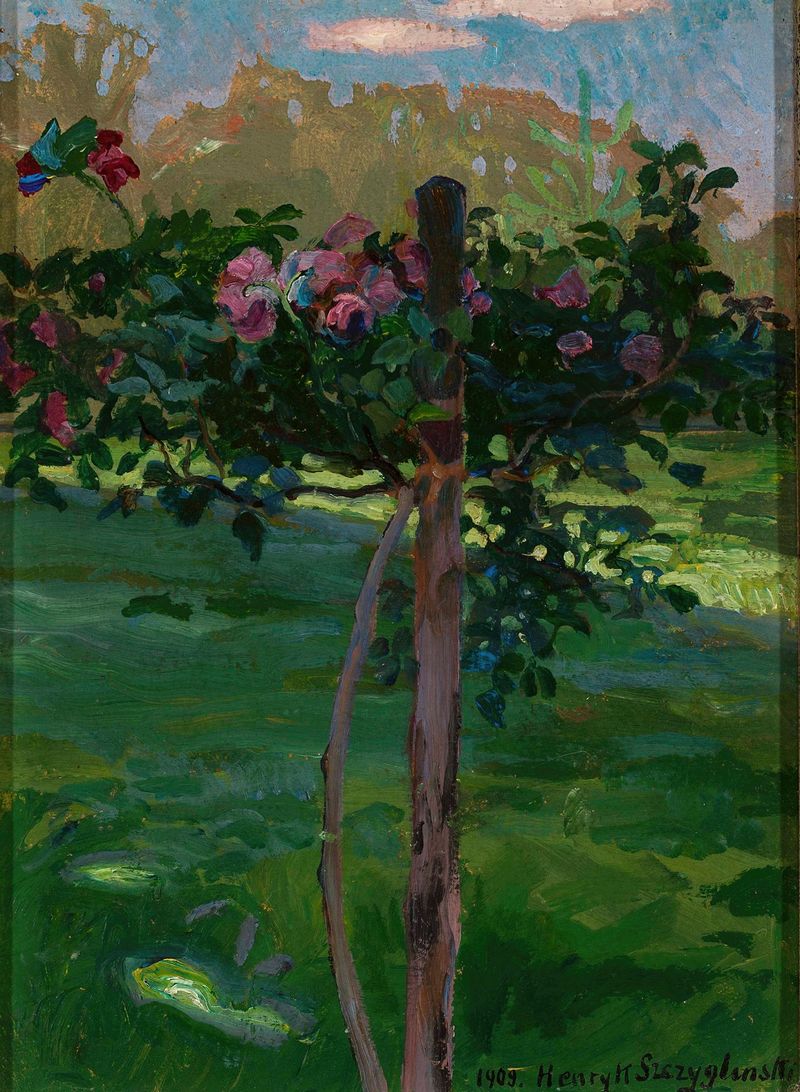
Rose shrub
Henryk Szczygliński
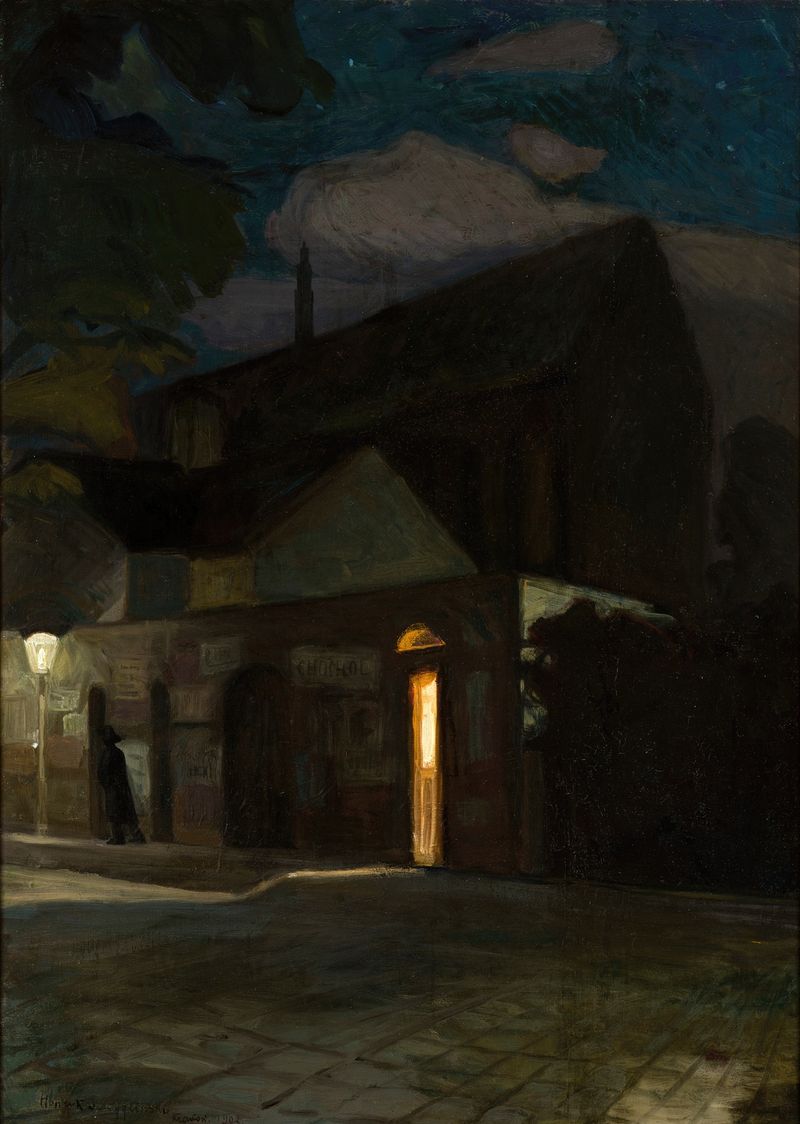
The Domincan Church in Krakow at Night
Henryk Szczygliński

Along the old route of our forefathers
Henryk Szczygliński





