
Bank of the Seine — História e Análise
Did the painter know this moment would outlive them? In Bank of the Seine, Tadeusz Makowski captures a fleeting truth that echoes across time, inviting viewers to pause and reflect on the essence of life itself. Start by looking to the left, where a gentle curve of the river draws the eye, shimmering under a delicate interplay of blues and greens. Notice how the soft brushstrokes blend together, creating a rippling surface that seems almost alive, yet tranquil. The figures dotting the bank appear as silhouettes against the vibrant backdrop, their forms suggesting a connection to nature and one another while remaining enigmatic, lost in their moment of contemplation. Delve deeper into the subtleties of this composition, and you'll uncover a contrast between the stillness of the scene and the underlying hum of life.
The vibrant colors evoke a sense of warmth and nostalgia, while the figures are rendered without specific identities, hinting at universality in human experience. This duality speaks to the truth of existence—our moments are both specific and shared, individual yet collective. Tadeusz Makowski painted Bank of the Seine around 1910, during a period of artistic exploration in Paris that was characterized by a burgeoning interest in capturing the essence of modern life. As a Polish artist living in France, he was influenced by the vibrant colors and innovative techniques of the Impressionist movement, which sought to immortalize fleeting moments with brush and color.
The world of art at that time was on the brink of radical change, aligning with Makowski’s pursuit of truth in the ordinary, ensuring that this moment would indeed reverberate through the ages.
Mais obras de Tadeusz Makowski
Ver tudo →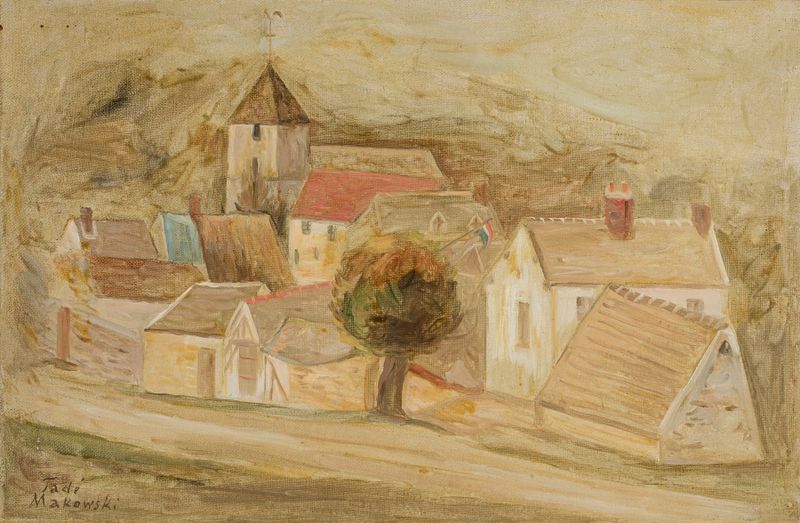
Miasteczko
Tadeusz Makowski

Pejzaż wiosenny
Tadeusz Makowski
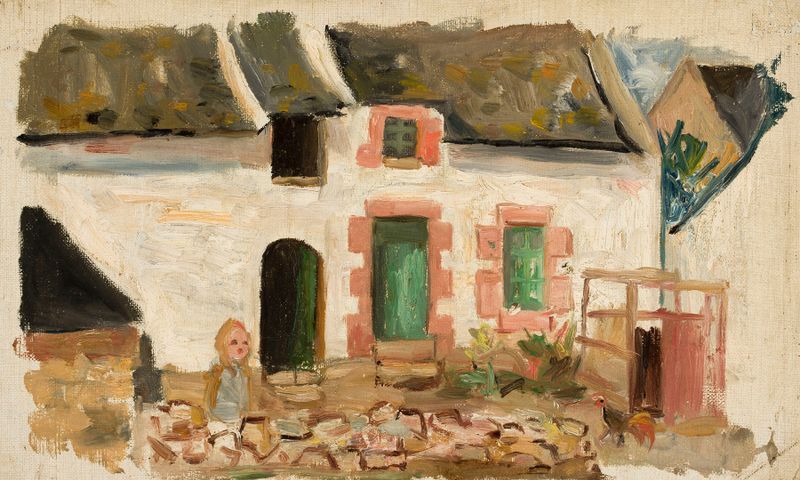
Dziecko przed domem
Tadeusz Makowski
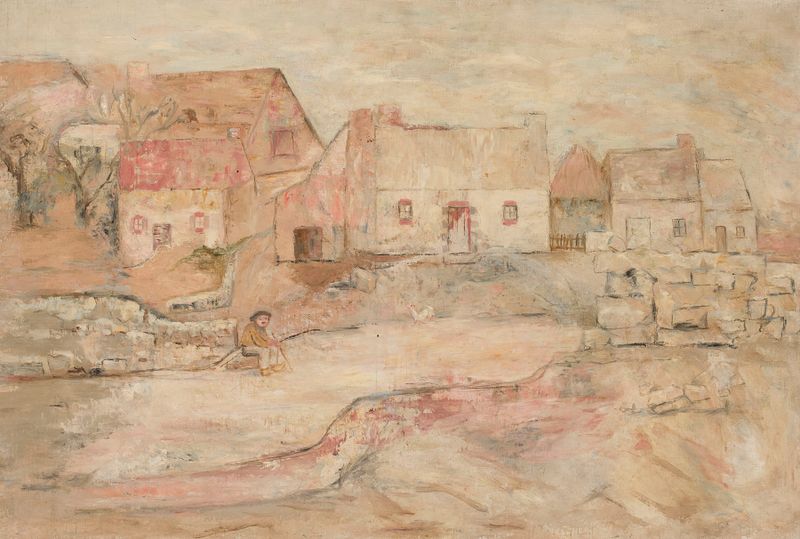
Pejzaż bretoński z siedzącym człowiekiem
Tadeusz Makowski
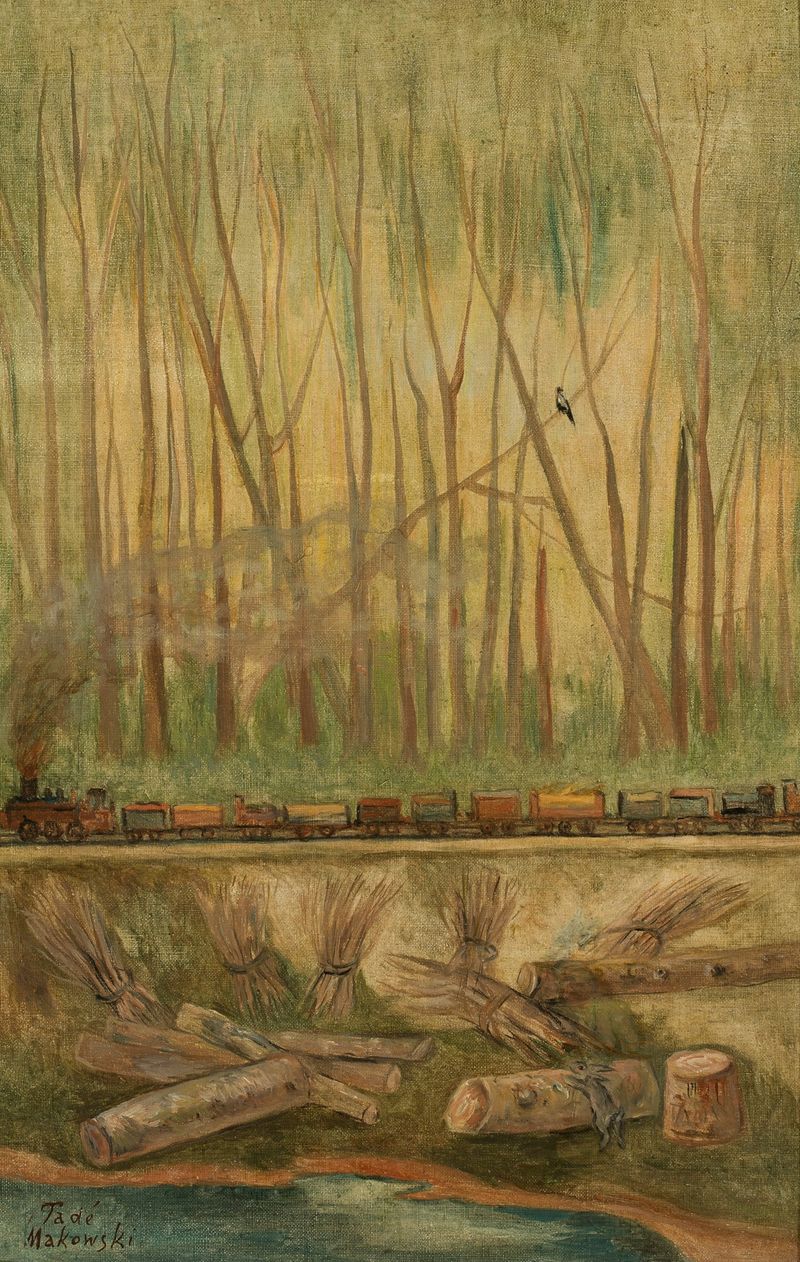
Pociąg
Tadeusz Makowski
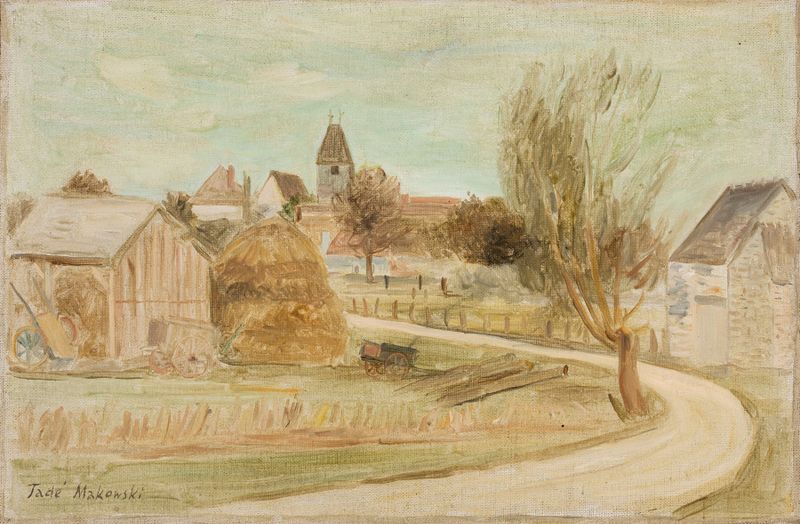
Na skraju wsi
Tadeusz Makowski

Pejzaż miejski (Esplanade des Invalides)
Tadeusz Makowski
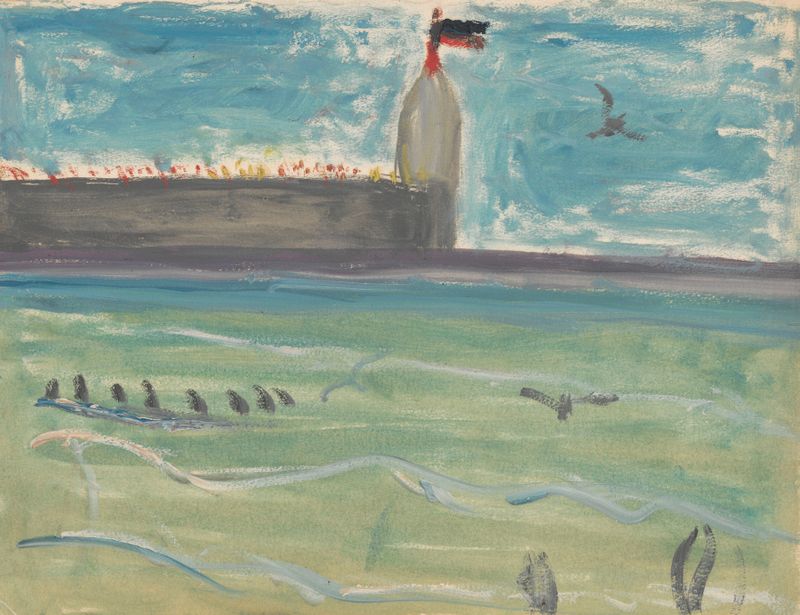
Latarnia morska w Tréport
Tadeusz Makowski
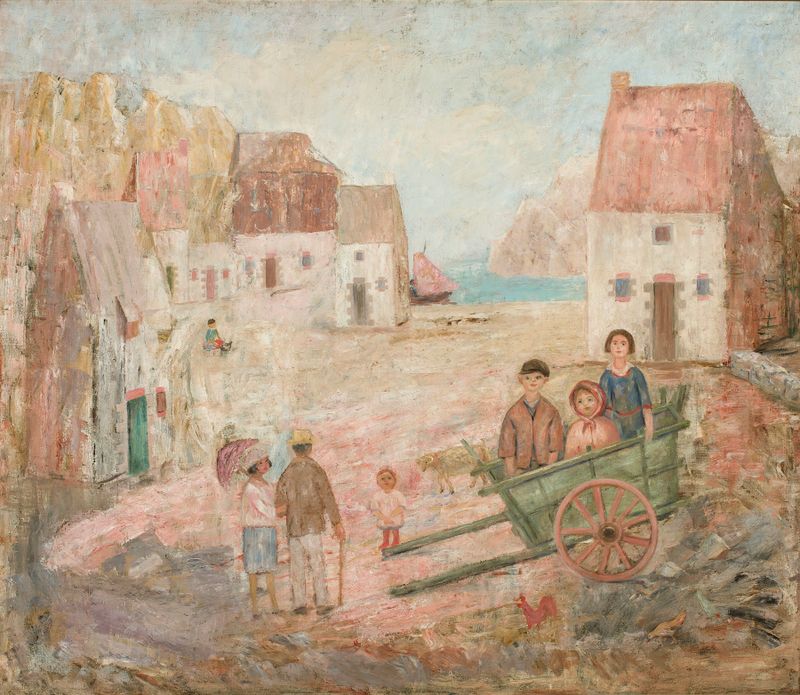
Landscape of a small town with children in a pram
Tadeusz Makowski
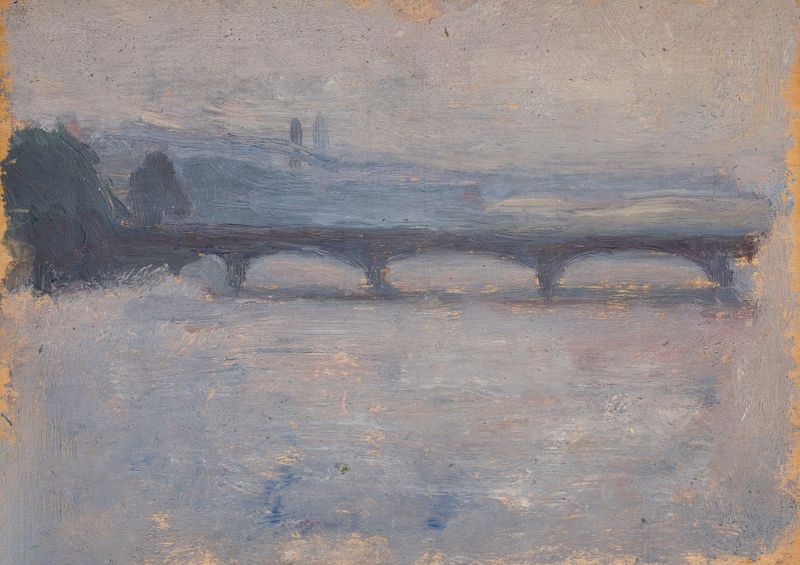
Bridge on the Seine
Tadeusz Makowski





