
Bateaux Au Bord De La Mer — História e Análise
Who listens when art speaks of silence? In Bateaux Au Bord De La Mer, the stillness of the scene beckons, inviting contemplation and reflection. Look to the left at the delicate ballet of boats gently swaying against the shoreline, their hulls catching glimmers of sunlight. The artist employs a soothing palette of soft blues and muted earth tones, creating a serene atmosphere where the horizon blurs seamlessly into the sea. Notice how the brushstrokes evoke the gentle ripples of water, almost whispering of the passing breeze, while the distant shore looms like a promise just out of reach. Hidden in this tranquil moment are layers of meaning: the boats, symbols of adventure and journey, seem to suggest the transience of life and the inevitability of stillness.
The absence of human figures heightens the sense of solitude, urging viewers to reflect on their own experiences of longing and tranquility. The soft interplay of light and shadow further emphasizes the contrasts between motion and calm, evoking emotional tensions that resonate deeply within the observer. Paul Madeline painted this work during a time of shifting artistic movements, likely in the early 20th century. This period was marked by a growing appreciation for Impressionism, focusing on the ephemeral qualities of light and atmosphere.
Madeline’s exploration of reflective serenity in his landscapes speaks to both personal contemplation and the broader evolution of art, as artists sought to capture not just visual but emotional truths in their work.
Mais obras de Paul Madeline
Ver tudo →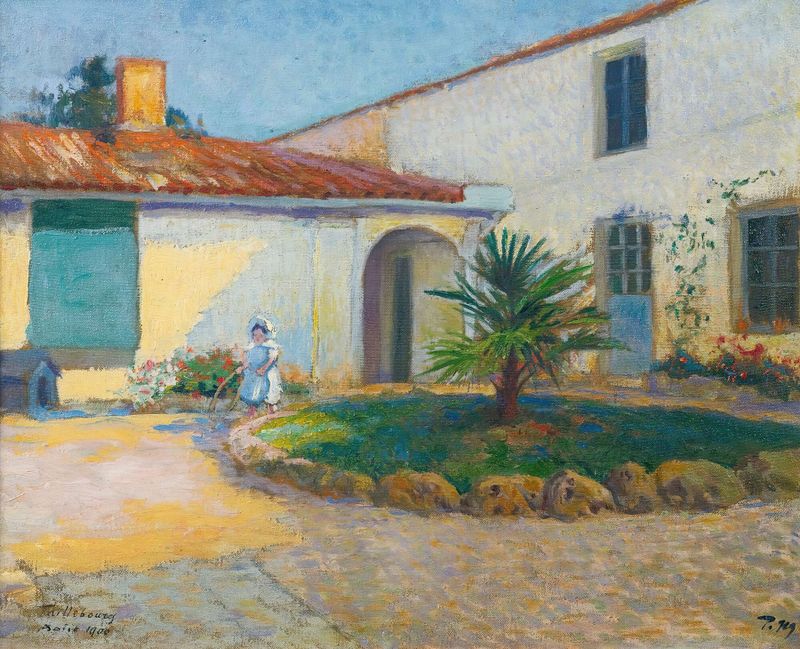
La Fille De L’artiste Dans La Jardin À Taillebourg
Paul Madeline
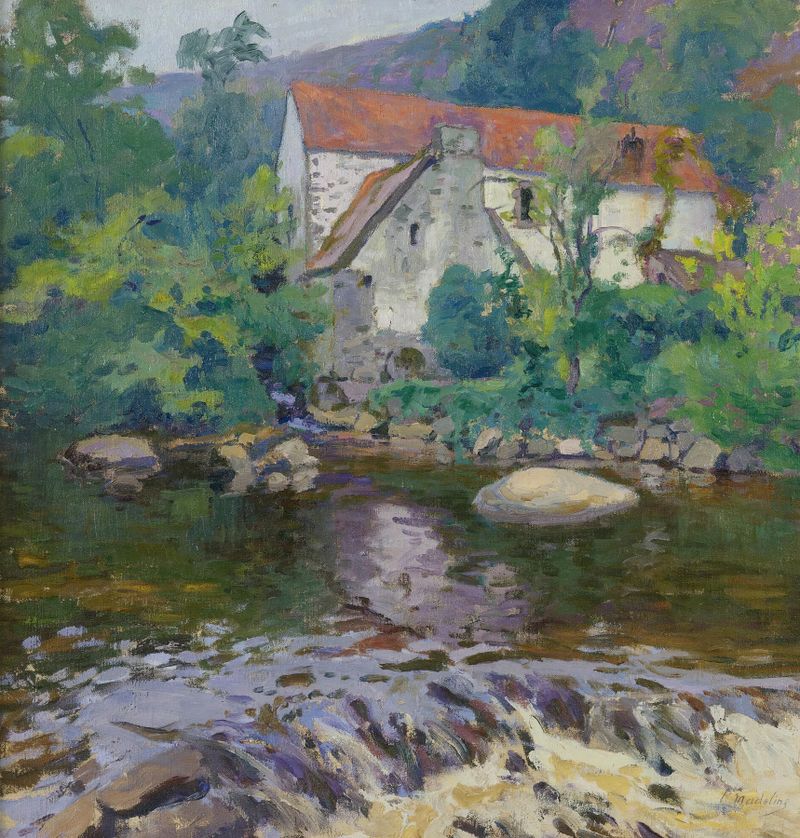
La Sédelle Au Moulin Barrat
Paul Madeline

Les Roches Rouges
Paul Madeline

Paysage
Paul Madeline

Un Quai Á Taillebourg
Paul Madeline
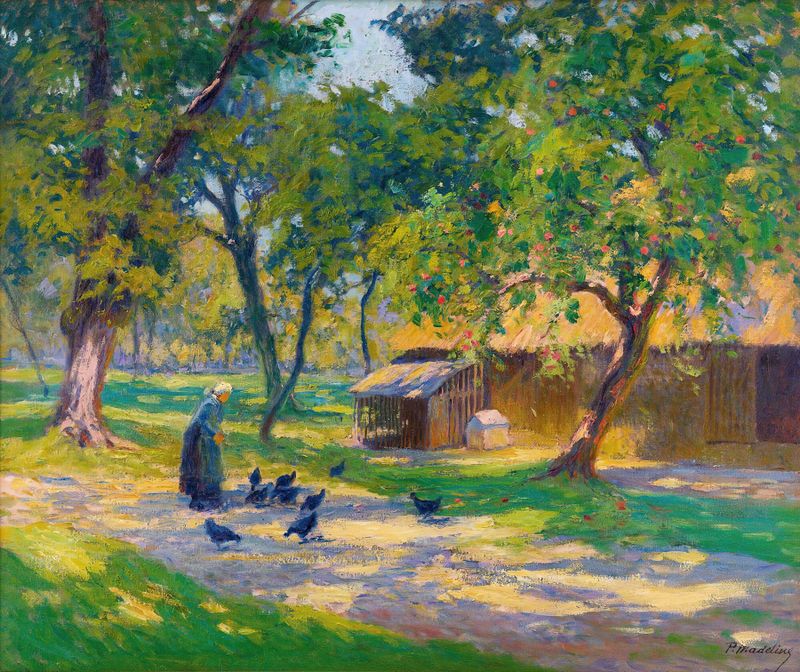
Cour De Ferme
Paul Madeline

Bateaux Et Débardeurs
Paul Madeline
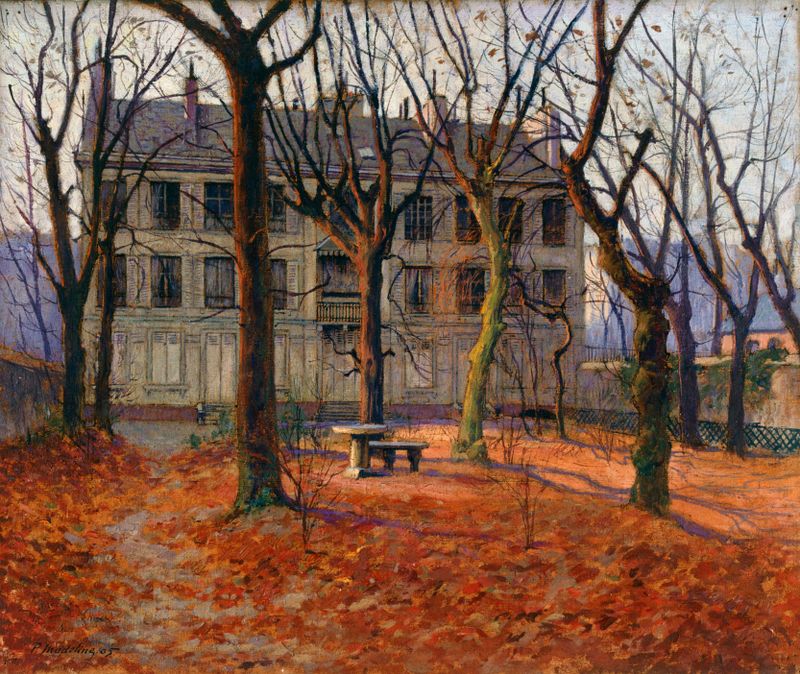
Maison de Victor Hugo, rue Notre-Dame-des-Champs
Paul Madeline

Les Lavandières
Paul Madeline
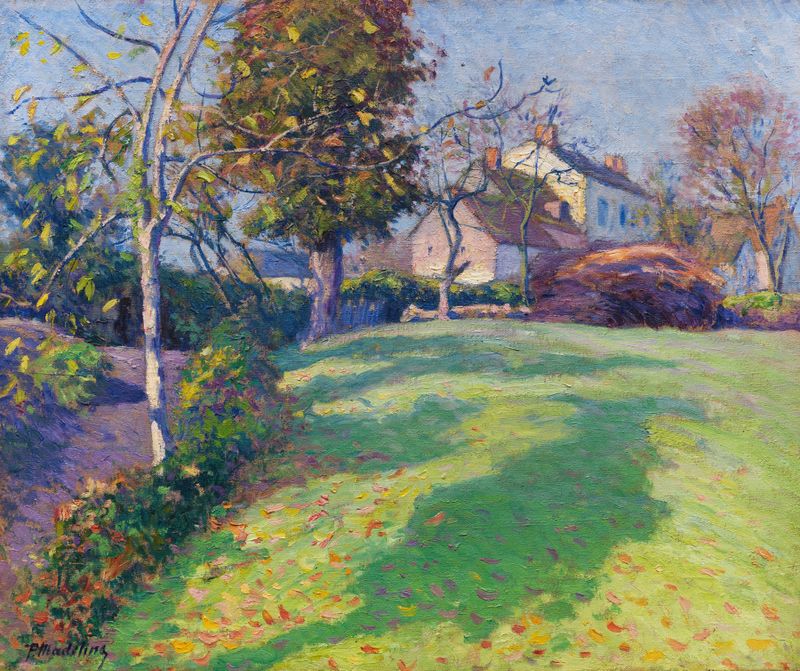
Im Garten
Paul Madeline





