
Bauernhof in Barbizon — História e Análise
In that delicate balance lies the essence of inevitability, inviting us to ponder our own destinies. Focus on the lush green fields that unfurl before you, framed by the soft browns of rustic barns. Notice how the sunlight breaks through the trees, casting dappled patterns on the ground, illuminating the harmony of farm life. The brushwork is loose yet deliberate, capturing the vibrant hues of nature with a warm, inviting palette that feels alive.
The figures, though small within the expansive landscape, are rendered with a sense of intimacy, drawing you into their world. As your gaze wanders, subtle contrasts unfold — the bustling energy of a working farm juxtaposed against the serene stillness of the surrounding woods. The striking light not only highlights the tranquility but whispers of labor and toil, connecting the lives of the workers to the land they cultivate. The composition suggests a deeper relationship between humanity and nature, one that speaks of shared destinies, entwined in the simple yet profound rhythm of rural life. In 1874, Max Liebermann painted this piece during a time of significant change in the art world, as Impressionism began to take hold in Europe.
Living in Barbizon, a village known for its artistic community, he was influenced by the naturalistic style of his contemporaries while forging his own path. This work embodies a crucial moment in his career, as he sought to merge realism with a softer, more emotive approach to the landscape, reflecting the complexities of both the world around him and his own artistic journey.
Mais obras de Max Liebermann
Ver tudo →
Die Blumenterrasse in Wannsee mit Blick auf den Fischotterbrunnen
Max Liebermann
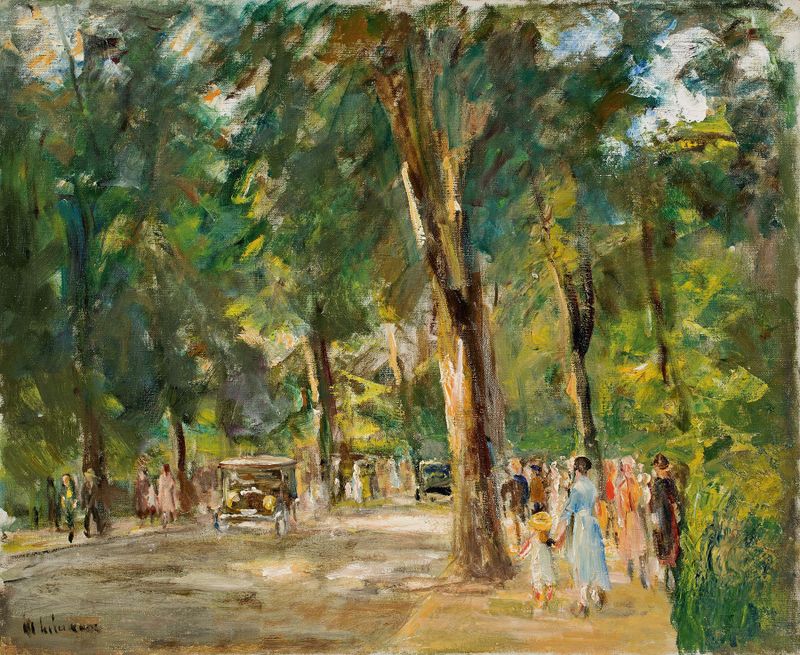
Die Große Seestraße in Wannsee mit Spaziergängern
Max Liebermann

Seitlicher Blick in den Wannseegarten
Max Liebermann

Der Rosengarten in Wannsee
Max Liebermann

Allee mit Spaziergängern und Automobilen
Max Liebermann

Blick in meinen Garten
Max Liebermann
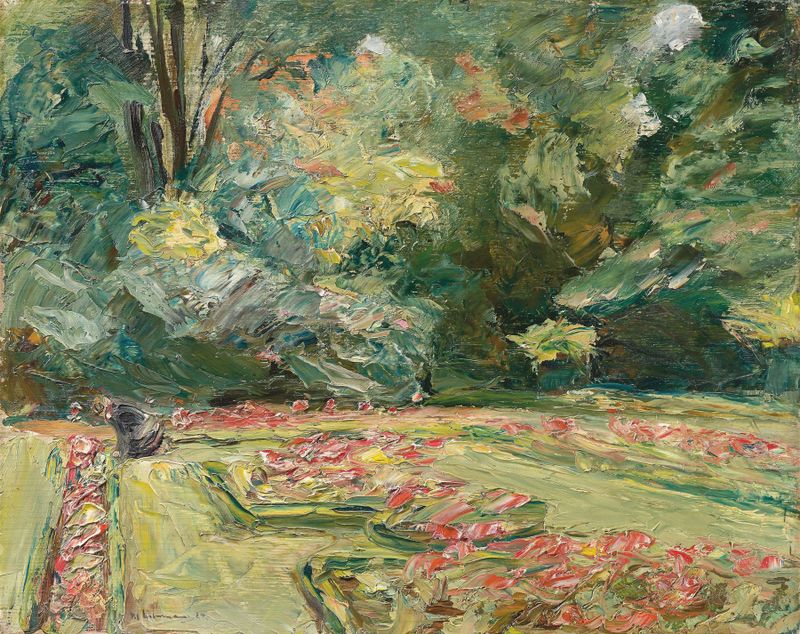
Die Blumenterrasse im Wannseegarten nach Norden
Max Liebermann

Spielende Kinder am Strand
Max Liebermann
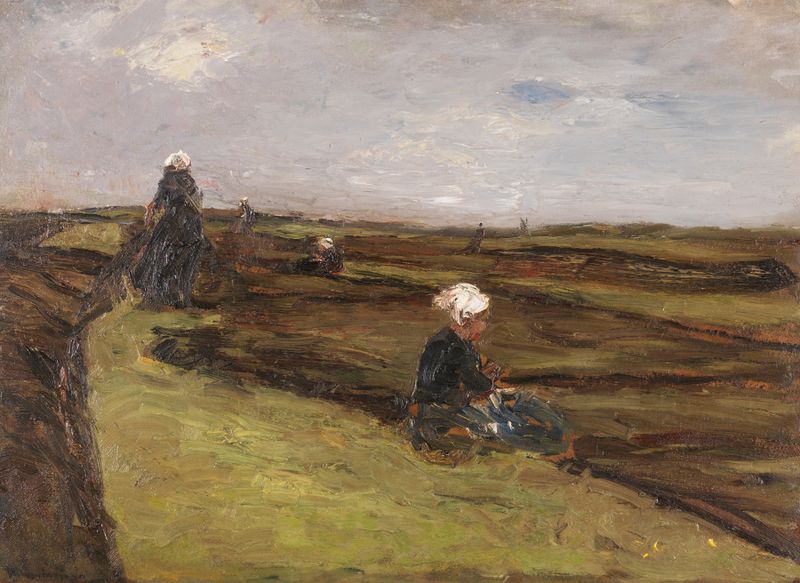
Die Netzflickerinnen
Max Liebermann

Am Strand von Noordwijk
Max Liebermann





